

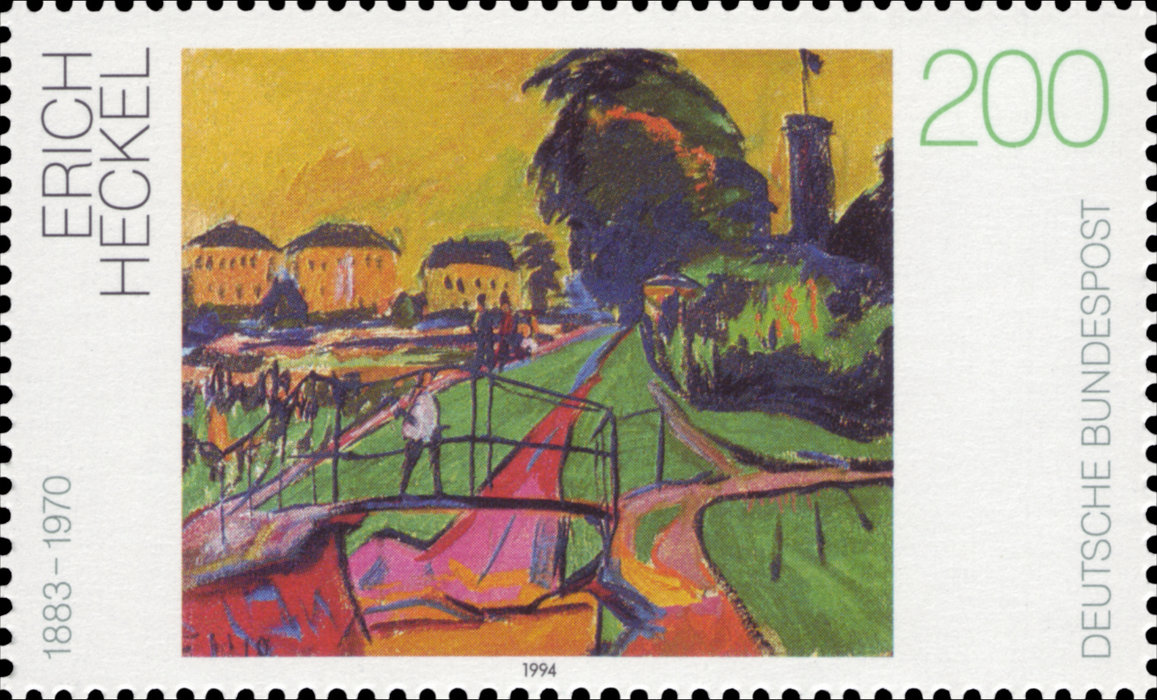
 プレビュー
プレビュー
 シェアする
シェアする シェアする
シェアする
 詳細を見る
詳細を見る

 ダウンロード
 似ている作品
 X線調査
X線調査 スライドショー
Landscape near Dresden

 詳細を見る
詳細を見る
ジークレー/アートプリント
迅速な制作と多彩な仕上げオプションを備えた、ミュージアムクオリティのジークレーまたはキャンバスプリント。 ( 手描きの絵画を購入 画像を購入)




































作品のオリジナル比率に合わせた、当店の規定サイズからお選びください。

特定のフレームやスペースに合わせて、ご自身でサイズを指定することも可能です。選択されたサイズが元の画像の比率と一致しない場合、作品をトリミングするか、鏡面反射または単色での塗りつぶしによって画像を拡張いたします。制作を開始する前に、ご確認用のデジタルモックアップをお送りいたします。
画面上のプレビューには、実際のトリミングや拡張は反映されませんのでご注意ください。最終的な構図を正確に確認できるのは、モックアップのみとなります。
カスタムサイズも承っておりますが、元の比率を維持するためには、あらかじめ用意されたリストからサイズを選択することをお勧めいたします。


 ガラスオプションは、110cm未満のサイズでのみご利用いただけます。

Landscape near Dresden
ジークレー/アートプリント
複製画のサイズ
-


合計金額
$ 62
関連作品

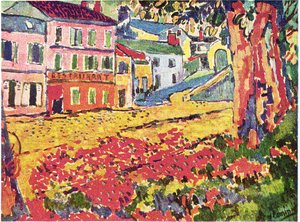
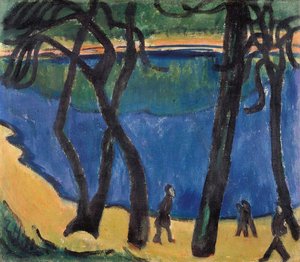
アーティストの略歴
Early Life and Formation of Die Brücke
- Born: Döbeln, Germany (1883)
- Erich Heckel was the son of a railway engineer, leading to frequent family moves during his childhood.
- He studied architecture in Dresden but left after three terms.
- A pivotal moment was meeting Ernst Ludwig Kirchner, Karl Schmidt-Rottluff, and Fritz Bleyl, which led to the formation of Die Brücke ("The Bridge") in 1905.
- Heckel served as the group's secretary and treasurer, handling much of the administrative work.
- Early influences included Friedrich Nietzsche and Henrik Ibsen, reflecting a burgeoning intellectual curiosity.
Artistic Development and Style
- Die Brücke’s Aims: The group aimed to bridge traditional neo-romantic German painting with modern Expressionist approaches.
- Influences: Heckel and the other members of Die Brücke were heavily influenced by Edvard Munch's expressive style and African sculpture, which they saw as embodying a raw, primitive power.
- Printmaking Focus: The group made extensive use of printmaking (woodcuts, etchings, lithographs) to create affordable art and disseminate their ideas widely. Heckel was particularly prolific in this medium.
- Subject Matter: His work often depicted nudes, landscapes, and scenes from modern life, characterized by bold colors, distorted forms, and a sense of emotional intensity.
- Evolution of Style: Initially influenced by Post-Impressionists like Van Gogh and Gauguin, Heckel's style evolved towards more melancholic themes and subdued color palettes after moving to Berlin in 1911.
World War I and Later Years
- War Service: During World War I, Heckel volunteered as a medical orderly in a hospital train stationed in Belgium. This experience profoundly impacted his perspective.
- Dissolution of Die Brücke: The group officially dissolved in 1913 due to internal disagreements.
- Heckelraum Mural: Between 1922 and 1924, Heckel painted the "Heckelraum" at the Angermuseum in Dresden, a series of mural paintings depicting “Stages in Life,” considered among the most important surviving works of German Expressionism.
- Nazi Persecution: In 1937, the Nazi regime declared his work "degenerate," confiscating over 700 artworks from German museums and banning public exhibitions.
Legacy and Historical Significance
- Expressionist Pioneer: Erich Heckel is recognized as a key figure in the Expressionist movement, particularly for his contributions to Die Brücke.
- Printmaking Master: His prolific printmaking output significantly impacted the development of modern graphic art.
- Influence on Subsequent Artists: His bold style and emotional intensity influenced generations of artists who followed.
- Rediscovery and Recognition: After World War II, Heckel's work was rediscovered and gained widespread recognition for its artistic merit and historical importance.
- Death: He died in Radolfzell in 1970, leaving behind a substantial body of work that continues to be studied and admired today.
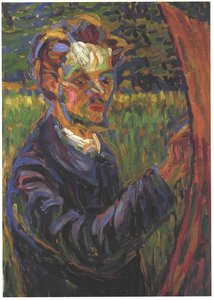
Erich Heckel
1883 - 1970 , Germany
基本情報
- Artistic Movement Or Style: German Expressionism
- Artists Who Influenced This Artist: ['Edvard Munch']
- Date Of Birth: July 31, 1883
- Date Of Death: January 27, 1970
- Full Name: Erich Heckel
- Nationality: German
- Notable Artworks: ['Lebenstufen mural paintings']
- Place Of Birth: Döbeln, Germany
関連記事
German Expressionism's 10 Defining Masterpieces | Art for Your Home
Explore 10 defining German Expressionism masterpieces – from Munch's 'The Scream' to Kandinsky’s abstracts. Discover the artists, stories & bold colors behind this powerful art movement. Find museum-quality reproductions at ArtsDot.com.
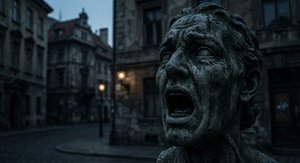
The Visceral Cry of a Nation: Exploring Emotion & Distortion in German Expressionism
Explore the powerful world of German Expressionism with ArtsDot. Discover Kirchner, Nolde & Die Brücke's emotive masterpieces. Learn about this pivotal art movement and its lasting impact on modern art.

ロマン派ランドスケープ:時代を彩る巨匠の10選|アートとインテリアの世界
ロマン派絵画の時代を彩る10選。巨匠たちの風景が織りなす感動の世界へ。ターナー、ルーベンスなど、名作の裏話と高精細複製でアートをお部屋に。ArtsDot.comで至福のアート体験を。

Evocations of Place: A Historical Journey Through Landscape Art
Explore the rich history of landscape art with ArtsDot. Discover renowned artists, movements like Impressionism & Romanticism, and expert guidance for collecting timeless pieces. Find your perfect serene escape today!

ジョン・コンスタブルの傑作25選:英国風景画の巨匠が描く自然と光の詩 | ArtsDot
ジョン・コンスタブルの傑作25選。英国風景画の巨匠が描く自然と光の詩の世界へ。ロマン主義を代表する絵画、デダム・ヴェールやヘイ・ウェインなど、ArtsDotで高品質なアートプリントをお楽しみください。インテリアに深みと感動を。コレクションはこちら。

