

 プレビュー
プレビュー
 シェアする
シェアする シェアする
シェアする
 詳細を見る
詳細を見る

 ダウンロード
 似ている作品
 X線調査
X線調査 スライドショー
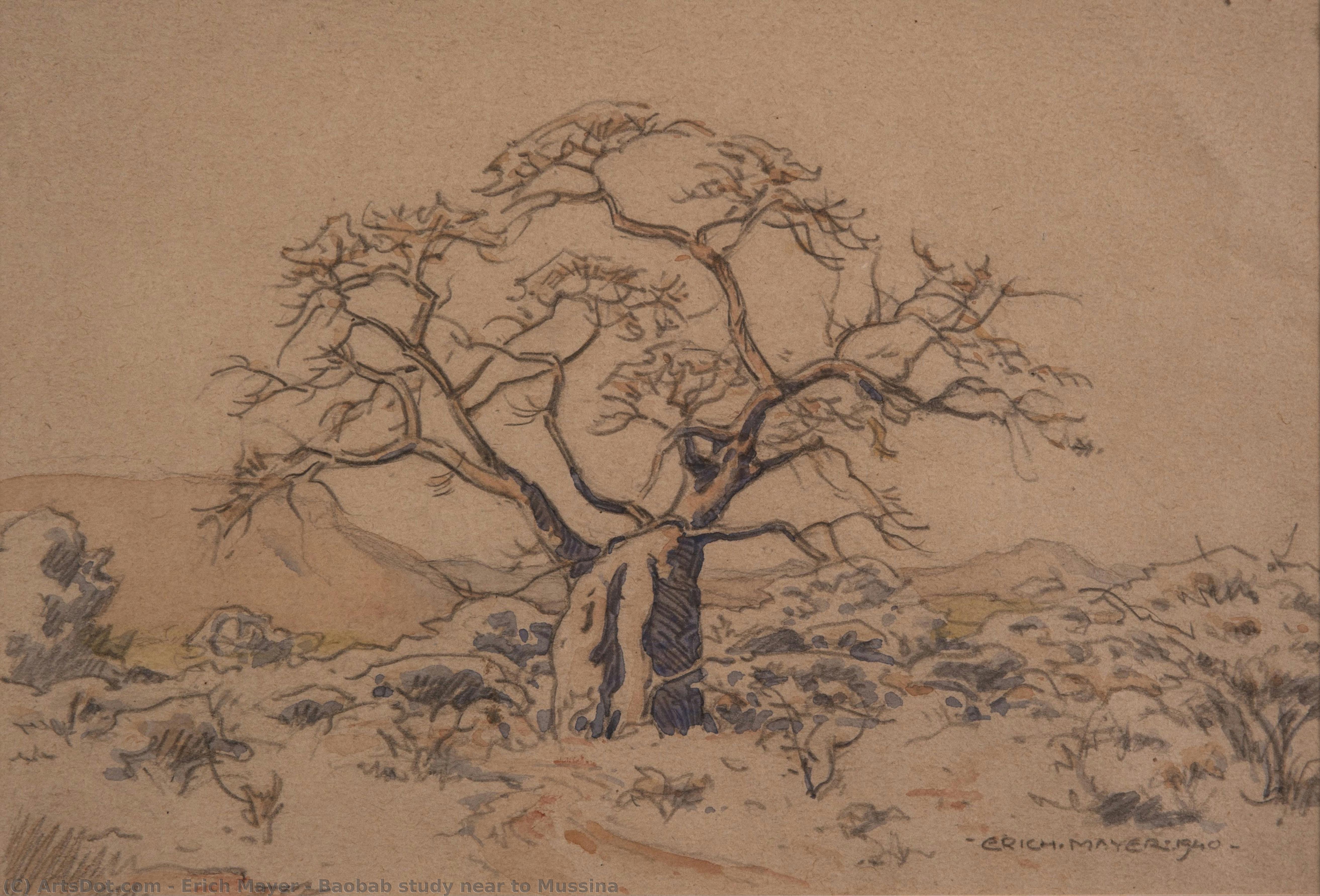
Baobab study near to Mussina
 Watercolor
- WallArt
- Contemporary Realism
 1940
1940- Modern
 19.0 x 28.0 cm
 University of Pretoria Museums
 詳細を見る
詳細を見る
ジークレー/アートプリント
迅速な制作と多彩な仕上げオプションを備えた、ミュージアムクオリティのジークレーまたはキャンバスプリント。 ( 手描きの絵画を購入 画像を購入)




P118B $10

P118H $10

P118W $10

P438Z $10

P508JH $12

P508YH $12

P805H $10

P805Z $10

P919BZ $10

P919G $10

P919XJ $10

P959ZH $10

P968JZ $12

W106C $8

W218G $10

W218JH $8

W218Y $10

W307PJ $10

W316G $10

W316PJ $8

W316Y $10

W398PJ $8

W4111J $10

W500HY $15

W500JH $15

W692G $12

W849H $8

W940BG $15

W953PJ $8




作品のオリジナル比率に合わせた、当店の規定サイズからお選びください。

特定のフレームやスペースに合わせて、ご自身でサイズを指定することも可能です。選択されたサイズが元の画像の比率と一致しない場合、作品をトリミングするか、鏡面反射または単色での塗りつぶしによって画像を拡張いたします。制作を開始する前に、ご確認用のデジタルモックアップをお送りいたします。
画面上のプレビューには、実際のトリミングや拡張は反映されませんのでご注意ください。最終的な構図を正確に確認できるのは、モックアップのみとなります。
カスタムサイズも承っておりますが、元の比率を維持するためには、あらかじめ用意されたリストからサイズを選択することをお勧めいたします。


 ガラスオプションは、110cm未満のサイズでのみご利用いただけます。

Baobab study near to Mussina
ジークレー/アートプリント
複製画のサイズ
-


合計金額
$ 62
A Serene Encounter in the Transvaal
In the quietude of "Baobab Study near to Mussina," the viewer is transported to a sun-drenched corner of the South African landscape, where time seems to slow to the rhythmic pace of nature. The painting captures a profound moment of stillness featuring two cows resting at the foot of an ancient, majestic baobab tree. This iconic silhouette, with its thick, weathered trunk and sprawling, leafless branches reaching toward the sky, serves as the anchor for the entire composition. Set against a backdrop of soft, rolling hills and distant mountains, the scene evokes a sense of deep-seated tranquility. The presence of the cattle, positioned intimately near one another, introduces a gentle narrative of companionship and peace, suggesting a harmonious coexistence between the wild flora of the African veld and the domestic life of the countryside.
The artistry of Erich Mayer shines through in his delicate handling of light and atmosphere. Utilizing a watercolor technique that favors soft transitions and luminous washes, Mayer masterfully captures the hazy, heat-softened air characteristic of the Musina region. The artist’s ability to render the rugged texture of the baobab's bark against the ethereal lightness of the distant mountains creates a captivating depth. There is a subtle brilliance in how the light interacts with the landscape, casting gentle shadows that ground the animals within the terrain. This mastery of medium allows the painting to breathe, offering a window into a world where the boundaries between the earth and the sky feel beautifully blurred.
A Life Forged in Landscape and Resilience
To understand the soul of this work, one must look toward the turbulent life of Erich Mayer himself. A German-born artist who sought fortune in the Transvaal, Mayer’s journey was marked by the profound upheavals of the South African War and the subsequent world conflicts. His experiences as a prisoner of war on St. Helena Island and his later internment during the World Wars instilled in him a unique perspective—one that found solace and beauty in the enduring permanence of the African landscape. This painting is more than a mere botanical study; it is an homage to the resilience of nature. The baobab, often called the "Tree of Life," stands as a symbol of endurance, much like Mayer’s own spirit, which remained anchored to the land he had come to call home despite the storms of history.
For the discerning collector or interior designer, this reproduction offers an exquisite opportunity to introduce a piece of historical and emotional depth into a living space. The muted, earthy palette and the tranquil subject matter make it a versatile addition to any sophisticated decor, providing a focal point that invites contemplation and calm. Whether placed in a sunlit study or a contemporary gallery-style lounge, "Baobab Study near to Mussina" serves as a timeless window into the heart of Southern Africa, bringing with it the quiet dignity of a bygone era and the everlasting beauty of the natural world.
関連作品
![Untitled (transfer Drawing For The Home Of The Winds [no. 1]) — ジョージ・エルバート・バー, Impressionism](/media/artworks/images-thumb/dd/96/dd96c678ec40df9a9267f8459ca4b4c9.jpg)
アーティストの略歴
Erich Mayer: A Pioneer of South African Art
- Born: Mussino, Italy (1876)
- Died: Pretoria, South Africa (1960)
Early Life and Influences
Erich Ernst Karl Mayer was born in Karlsruhe, Germany, in 1876. He received his early education in Berlin and initially pursued studies in architecture, earning a scholarship to the Charlottenburg Technische Hochschule. However, illness interrupted his architectural training, leading him to seek a healthier climate and relocate to South Africa in 1898. His initial work involved serving as an assistant land surveyor in the Orange Free State.
The Boer War and Artistic Development
Mayer's life took a significant turn when he joined a Boer commando during the Anglo-Boer War (1899-1902). While participating in the conflict, he began sketching the local farmers and landscapes where his unit was stationed. Captured by British forces at Mafeking, Mayer endured imprisonment on St. Helena. During this period of confinement, he dedicated himself to art, honing his skills and developing his artistic vision. Upon his return to Germany after the war, he formally studied art before eventually returning to South Africa.
Artistic Style and Contributions
Settling in Pretoria in 1912, Mayer became a prominent figure in the South African art scene. He is best known for his meticulous watercolor paintings and oil paintings depicting rural life and landscapes of South Africa. His work often focused on portraying the lives of farmers and their families, capturing the essence of the country's interior regions with sensitivity and detail. A notable subject in his works was the Baobab tree ("Kremetartboom"). Mayer actively advocated for a "National Art Identity" within South Africa, seeking to develop an artistic style that reflected the unique character of the nation.
- Mediums: Primarily watercolor and oil painting.
- Subjects: Rural landscapes, portraits of farmers and their families, depictions of everyday life in South Africa.
- Style: Representational, characterized by meticulous detail and a sympathetic portrayal of his subjects.
Legacy and Historical Significance
Erich Mayer's contribution to South African art is significant for several reasons. He played a crucial role in fostering an indigenous artistic identity during a period when European influences were dominant. His empathetic depictions of rural life provided valuable insights into the lives of ordinary people, preserving a visual record of a bygone era. Mayer also shared his knowledge and skills by teaching woodcut printing to other artists, including the renowned JH Pierneef. His murals in the Jeppe Street Post Office (Johannesburg) and Monument High School (Krugersdorp) stand as lasting testaments to his artistic legacy.
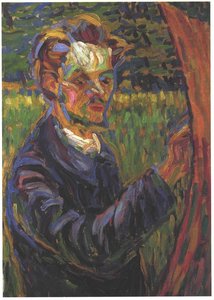
Erich Mayer
1940 - , Italy
基本情報
- Artistic Movement Or Style: Watercolor painting
- Artists Or Movements Influenced By This Artist: ['Henk Pierneef']
- Artists Who Influenced This Artist:
- Winslow Homer
- Henri Matisse
- Date Of Birth: 1876
- Date Of Death: 1960
- Full Name: Erich Ernst Karl Mayer
- Nationality: German-South African
- Notable Artworks: ['Baobab study near to Mussina']
- Place Of Birth: Karlsruhe, Germany
関連記事
Arboreal Echoes: A Historical & Artistic Exploration of Trees in Painting
Explore the rich history of trees in painting! Discover symbolism, Romantic masterpieces by Caspar David Friedrich & beyond. A curated journey for art enthusiasts.
Arboreal Echoes: A Historical & Artistic Exploration of Trees in Painting
Explore the rich history of trees in painting! Discover symbolism, Romantic masterpieces by Caspar David Friedrich & beyond. A curated journey for art enthusiasts.
レオナルド・ダ・ヴィンチ:至高の25選 - 芸術、科学、そして不朽の名作の世界
レオナルド・ダ・ヴィンチの至宝25選。モナリザ、最後の晩餐…ルネサンス美術を代表する名画の世界へ。芸術史、技法、そして感動の物語を紐解き、お部屋に飾る高級複製画で特別な空間を。ArtsDot.comで全コレクションをご覧ください。

Sir Alfred Munnings' Masterpieces: 25 Paintings That Define Equine Art | ArtsDot
Explore 25 iconic Sir Alfred Munnings paintings! Discover the beauty of British Impressionism, equine art & rural England. Find museum-quality reproductions and elevate your home decor with ArtsDot. Explore the full collection online.

ポール・セザンヌ:至高の25選 - 傑作と革新の軌跡 | ArtsDot
ポール・セザンヌの至高の25選。ポスト印象派を代表する画家、セザンヌの傑作と革新的な技法を紐解きます。ArtsDotで高品質な複製画やインテリアアートを見つけ、芸術の世界をご自宅に。今すぐコレクションをご覧ください。