

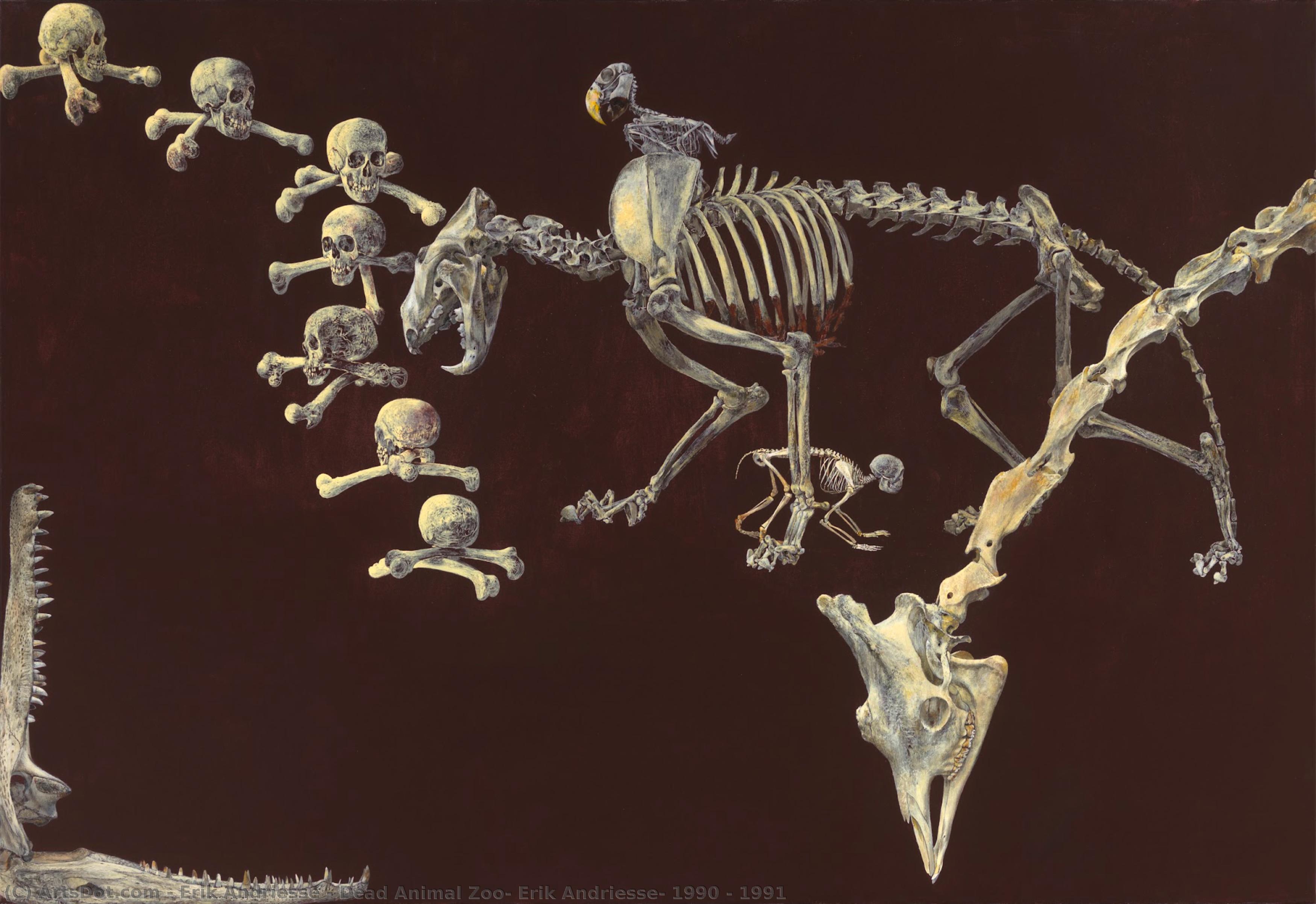
 プレビュー
プレビュー
 シェアする
シェアする シェアする
シェアする
 詳細を見る
詳細を見る

 ダウンロード
 似ている作品
 X線調査
X線調査 スライドショー
 Stats
StatsDead Animal Zoo, Erik Andriesse, 1990 - 1991
 1991
1991 250.0 x 365.0 cm
 詳細を見る
詳細を見る
ジークレー/アートプリント
迅速な制作と多彩な仕上げオプションを備えた、ミュージアムクオリティのジークレーまたはキャンバスプリント。 ( 手描きの絵画を購入 Switch to Digital Image)




































作品のオリジナル比率に合わせた、当店の規定サイズからお選びください。

特定のフレームやスペースに合わせて、ご自身でサイズを指定することも可能です。選択されたサイズが元の画像の比率と一致しない場合、作品をトリミングするか、鏡面反射または単色での塗りつぶしによって画像を拡張いたします。制作を開始する前に、ご確認用のデジタルモックアップをお送りいたします。
画面上のプレビューには、実際のトリミングや拡張は反映されませんのでご注意ください。最終的な構図を正確に確認できるのは、モックアップのみとなります。
カスタムサイズも承っておりますが、元の比率を維持するためには、あらかじめ用意されたリストからサイズを選択することをお勧めいたします。


 ガラスオプションは、110cm未満のサイズでのみご利用いただけます。

Dead Animal Zoo, Erik Andriesse, 1990 - 1991
ジークレー/アートプリント
複製画のサイズ
-


合計金額
$ 62



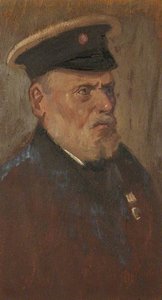



アーティストの略歴
A Life Interrupted: The Poignant Visions of Erik Andriesse
Erik Andriesse, born in Bussum, Netherlands in 1957, emerged as a compelling voice within the Dutch art landscape, captivating audiences with his intensely personal and symbolic paintings. His work, often featuring stark depictions of skulls interwoven with delicate floral arrangements, wasn’t merely an exploration of nature but a profound meditation on mortality, beauty, and the ephemeral quality of existence. Andriesse didn't simply paint what he saw; he translated feeling into form, creating images that resonated with a quiet power and unsettling grace. He quickly established himself as one of the most promising painters of his generation, exhibiting frequently both within the Netherlands and internationally, garnering critical acclaim for his unique vision. His early success hinted at a long and fruitful career, yet Andriesse’s artistic journey was tragically altered by unforeseen circumstances.The Language of Symbols: Skulls, Flowers, and Inner Landscapes
Andriesse's signature style revolved around the juxtaposition of seemingly contradictory elements – the stark finality of skulls against the transient beauty of flowers. This wasn’t a morbid fascination with death, but rather an attempt to reconcile life and loss, fragility and resilience. The skulls, rendered with meticulous detail, served as *memento mori*, reminders of our inevitable fate, while the blossoms represented the fleeting nature of time and the preciousness of each moment. He often employed dark backgrounds, intensifying the emotional impact of his subjects and creating a sense of intimacy and contemplation. Flowers, particularly roses and lilies, recurred frequently in his work, their symbolic weight adding layers of meaning to the compositions. Roses traditionally signify love and beauty, but also loss and decay; lilies are often associated with purity and remembrance. Andriesse masterfully used these established symbols, imbuing them with a personal resonance that transcended conventional interpretations. His paintings weren’t about death *per se*, but about the acceptance of it as an integral part of life's cycle.A Sudden Silence: The Impact of Illness and Rediscovery
At the peak of his career, in 1987 at just thirty years old, Andriesse suffered a devastating brain haemorrhage. This event irrevocably altered his life, leaving him unable to paint for nearly two decades. It was a period marked by profound loss – not only of physical ability but also of artistic expression, the very core of his identity. The art world mourned the potential work that would never be created, and Andriesse himself faced an unimaginable challenge. However, in 2006, against all odds, he began to paint again in his native city of Eindhoven. This return wasn’t a seamless continuation of his earlier style; it was a new beginning, informed by the years of silence and introspection. The later works, while still retaining elements of his signature symbolism, possessed a rawer emotional quality, reflecting the profound impact of his illness and recovery.Legacy and Historical Significance
Erik Andriesse’s career, though tragically curtailed, left an indelible mark on contemporary Dutch painting. He stands as a poignant example of an artist whose work was deeply rooted in personal experience and emotional vulnerability. His paintings challenged viewers to confront uncomfortable truths about mortality and the passage of time, offering a space for contemplation and reflection. His influence can be seen in subsequent generations of artists who explore themes of symbolism, nature, and the human condition. While his output was relatively small compared to some of his contemporaries, the intensity and emotional depth of his work ensured its enduring appeal. He is remembered not only as a skilled painter but also as a testament to the resilience of the human spirit – an artist who found a way to reclaim his voice after facing unimaginable adversity. His art continues to resonate with audiences today, offering a powerful reminder of the beauty that can be found even in the face of darkness and loss.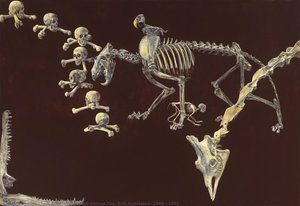
erik andriesse
1957 - 1993 , Netherlands
基本情報
- Artistic Movement Or Style: Nature Painting
- Date Of Birth: 1957
- Date Of Death: 1993
- Full Name: Erik Andriesse
- Nationality: Dutch
- Notable Artworks: ['Skulls & Flowers']
- Place Of Birth: Bussum, Netherlands