

 プレビュー
プレビュー
 プリントを購入
 シェアする
シェアする シェアする
シェアする
 詳細を見る
詳細を見る

 ダウンロード
 似ている作品
 X線調査
X線調査 スライドショー
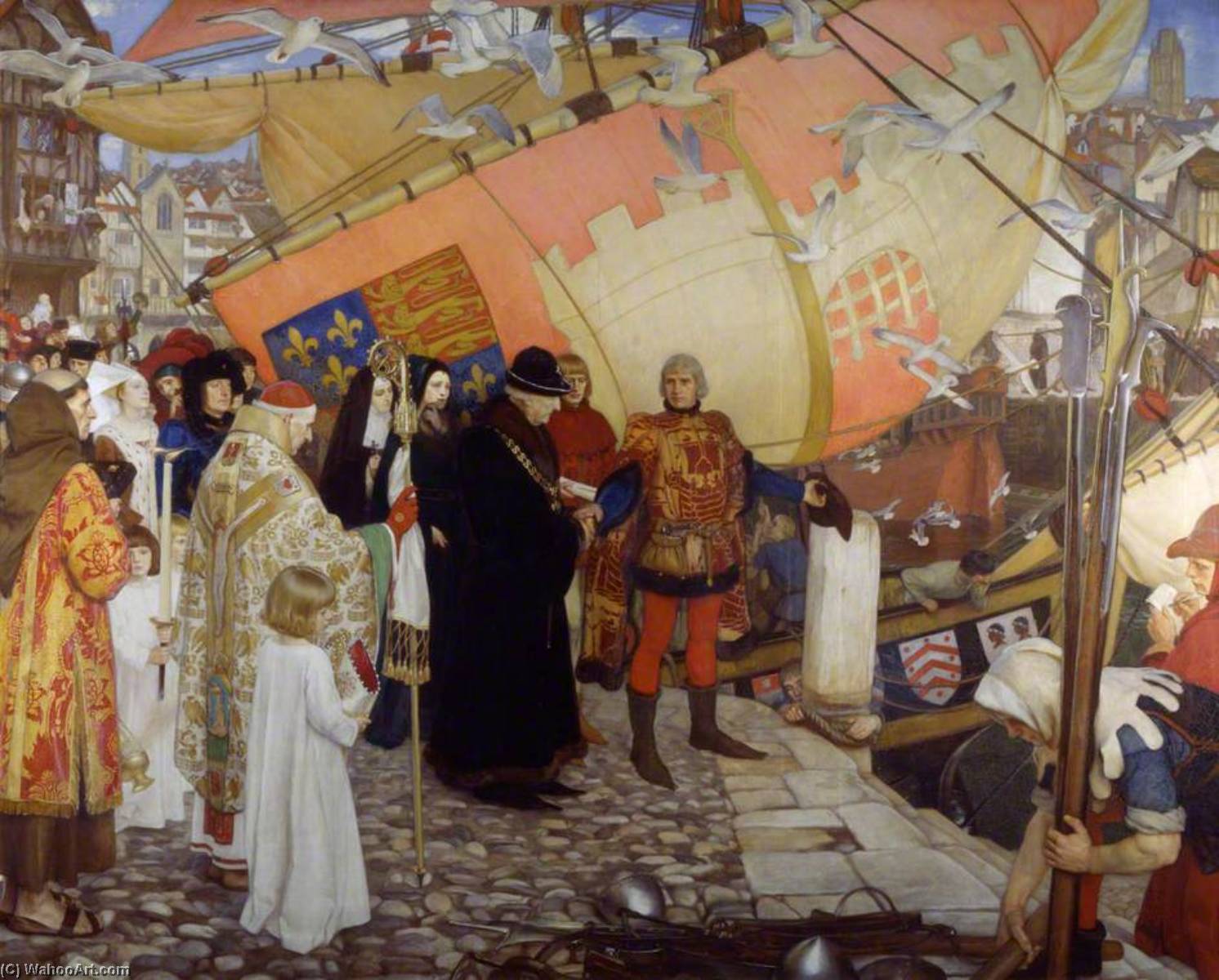
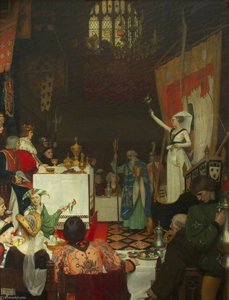
The Departure of John and Sebastian Cabot on their First Voyage of Discovery, 1497
 Painting
- Contemporary Realism
 1906
1906- 19th Century
 173.0 x 215.0 cm
 Bristol Museum - Art Gallery
 詳細を見る
詳細を見る
オンラインプレビューをはるかに凌ぐ、高解像度で鮮明なデジタル画像をご購入いただけます。
各ファイルは、社内の専門家が高度なツールと熟練した手作業によるレタッチを用いて、細心の注意を払って準備されています。すべての画像において、卓越した鮮明度、正確な色彩再現性、そして繊細なディテールを保証いたします。
最終ファイルは、プロフェッショナルな編集・印刷環境ですぐにご利用いただけるよう最適化された状態で、72時間以内にメールにてお届けいたします。これは、一流のデザインスタジオ、出版社、ギャラリーから信頼されているものと同等の品質です。
デジタル画像のご注文に付随する特典
高品質なデジタル画像配信を、確かな品質で。
ArtsDot.com を選ぶことは、単に画像を手に入れることではありません。それは、プロの手によって精密に仕上げられ、満足保証が付いた高品質なデジタルアートワークを受け取ることを意味します。ご注文いただいた際に自動的に付随する内容は、以下の通りです:

メールですぐにお届け
ご注文から72時間以内に、高解像度のデジタル画像ファイルがメールでお手元に届きます。すぐにそのままご利用いただけます。

AI技術で最適化されたデジタルファイル
お客様の作品は、高度なAIツールと専門家による手作業の編集を組み合わせてプロフェッショナルに最適化されており、細部のディテール、鮮明さ、そして正確な色再現性を最大限に引き出しています。

一生涯無料の再送サービス
ファイルを誤って削除したり、紛失してしまったりしましたか?ご安心ください。いつでも無料で再送いたします。

輸入手数料は一切かかりません
関税や手数料、配送料を気にすることなく、お気に入りのアートワークをすぐにお楽しみいただけます。デジタルダウンロードは常に免税です。

色彩再現の保証
プロ仕様のツールとカラーマネジメント技術を用いることで、デジタル画像が元の色を最大限に忠実に再現することを保証いたします。

60日間満足保証
ご購入いただいたデジタル画像にご満足いただけない場合は、60日以内であれば、修正または100%の返金(理由を問う必要はありません)をさせていただきます。

100% 返金保証
ご満足いただけない場合は、デジタルファイルを受け取ってから60日以内であれば、理由を問わず全額返金いたします。

まとめ買い割引
3枚購入で10%OFF - 5枚購入で15%OFF - 10枚以上購入で20%OFF。クリエイティブなプロジェクト、ギャラリー、エージェンシーに最適です。
A Grand Tapestry of Discovery: The Departure of the Cabot Brothers
In this sweeping historical mural, created in 1906 by the meticulous hand of Ernest Board, we are transported to the cusp of a new era. The Departure of John and Sebastian Cabot on their First Voyage of Emplacement is not merely a painting; it is a cinematic window into the late 15th century, capturing the breathless moment when the known world began to expand. The composition is a masterclass in narrative density, presenting a bustling, crowded scene that vibrates with the energy of a port city on the brink of monumental change. As the eye wanders through the layered figures—ranging from high-ranking royalty and armored knights to solemn clergy—one feels the weight of history being made. The sheer scale of the work suggests a grander purpose, inviting the viewer to step into a world where every flag unfurled and every ship prepared for departure carried the destiny of nations.
The technique employed by Board evokes the timeless majesty of Renaissance frescoes. There is a palpable texture to the surface, reminiscent of pigments absorbed into aged plaster, which lends the scene an air of venerable antiquity. While the artist leans toward a certain realism in the rendering of facial expressions and the intricate folds of period attire, he masterfully integrates the stylized elements characteristic of medieval wall paintings. This duality creates a fascinating tension: the figures possess a lifelike presence, yet they are arranged within a slightly flattened, rhythmic perspective that emphasizes the symbolic importance of the event over mere topographical accuracy. The use of bold, defined lines provides a structural backbone to the composition, ensuring that even amidst the sea of humanity and the scattered movement of birds, the eye finds its way to the central drama of the ceremony.
Color and light play a pivotal role in establishing the emotional resonance of this masterpiece. The palette is anchored by warm, commanding tones—deep reds, burnt oranges, and earthy browns—which evoke a sense of warmth, tradition, and the sun-drenched atmosphere of a busy harbor. These are punctuated by strategic accents of cerulean blue and verdant green, providing a visual breath that mimics the open sea and the sky above. The lighting is soft and diffuse, casting gentle shadows that sculpt the figures without obscuring the intricate details of their heraldry. This subtle illumination highlights the central symbolic element: a flag bearing a coat of arms, which serves as a powerful emblem of authority, allegiance, and the sovereign mandate driving this voyage of discovery.
For the discerning collector or interior designer, this reproduction offers more than just aesthetic beauty; it offers a profound sense of narrative grandeur. The artwork functions as a focal point that commands attention, bringing a sophisticated historical depth to any space. Whether placed in a library, a formal study, or an expansive gallery, the painting’s themes of exploration, courage, and the dawn of the Age of Discovery resonate deeply. It is a piece that invites contemplation, sparking conversations about the human spirit's relentless pursuit of the unknown. Owning such a work is an opportunity to possess a fragment of historical imagination, rendered with the precision and passion of a true pioneer of scientific and historical illustration.
関連作品



作家の略歴
The Precision of Vision: The Life and Legacy of Ernest Board
In the grand tapestry of late Victorian and Edwardian art, where many masters sought the ethereal light of landscapes or the romanticized grandeur of portraits, Ernest Board (1877–1934) carved a unique and vital niche. He was an artist who found profound beauty in the empirical, a man whose brush served as both a creative instrument and a scientific tool. As a pioneer of scientific illustration, Board possessed the rare ability to marry the meticulous accuracy required by the burgeoning medical sciences with the aesthetic grace of the fine arts. His work does not merely observe; it illuminates, bringing clarity to the complex structures of life and the monumental moments of human discovery.
Board’s artistic foundation was laid in the vibrant intellectual atmosphere of London, where he studied at the prestigious Slade School of Fine Art. It was here that he walked alongside luminaries such as William Holman Hunt and John Ruskin, figures whose devotion to the Pre-Raphaelite ideal of "truth to nature" would deeply inform his professional ethos. From these mentors, Board inherited a reverence for minute detail and an uncompromising commitment to observational accuracy. This influence is evident in his refusal to rely on mere stylistic embellishment, choosing instead to let the inherent complexity of his subjects—be they anatomical or historical—speak through precise tonal subtlety and structural integrity.
Bridging the Gap Between Art and Science
The true brilliance of Board’s career lay in his ability to navigate the intersection of the laboratory and the studio. During the Edwardian era, as scientific understanding expanded at a breathtaking pace, there arose a desperate need for visual communication that could transcend the limitations of early photographic technology. Board rose to this challenge with unparalleled skill, securing prestigious commissions from seminal scientific journals such as Nature and The Lancet. His illustrations were far more than decorative accompaniments; they were essential pedagogical instruments that allowed surgeons and researchers to visualize the unseen.
His mastery of the medium allowed him to transform daunting anatomical diagrams into captivating visual narratives. Whether rendering the intricate layers of human musculature or the precise mechanics of surgical instruments, Board imbued his subjects with a sense of vitality. This period of his work represents a significant achievement in the history of medical illustration, as he helped foster public and professional comprehension of groundbreaking medical advancements through images that were as educationally rigorous as they were visually arresting.
Historical Narratives and Scientific Milestones
Beyond the microscopic and the anatomical, Board’s repertoire extended into the realm of historical and scientific commemoration. He possessed a remarkable talent for capturing the "eureka" moments of history, painting scenes that celebrated the giants of science with a Neoclassical dignity. His work often focused on pivotal discoveries that altered the course of human knowledge, such as:
- Joseph Priestley, the Discoverer of Oxygen: A profound 1912 oil painting that captures the essence of scientific breakthrough through a lens of historical significance and classical beauty.
- The Discovery of Quinine, 1820: An exploration of medical history that highlights his ability to dramatize the moment scientific progress meets human necessity.
- Regional Tributes: His ability to connect science with local heritage, as seen in works documenting those who shaped the identity of cities like Bristol.
Through these works, Board ensured that the triumphs of the intellect were preserved within the canon of fine art. His legacy remains a testament to the idea that science and art are not opposing forces, but rather two different languages describing the same magnificent reality. In an age of rapid industrial and scientific change, Ernest Board provided a visual anchor, documenting the evolution of human understanding with a steady, masterful hand.
ernest board
1877 - 1934
プロフィール概要
- Artistic Movement Or Style: Victorian Illustration
- Artists Who Influenced This Artist:
- Gustave Dore
- John Ruskin
- Date Of Birth: 1877
- Date Of Death: 1934
- Full Name: Ernest Board
- Nationality: British
- Notable Artworks:
- The Anatomy Lesson
- Portrait of Sir William Osler
- Place Of Birth: London, England

