 プレビュー
プレビュー
 プリントを購入
 シェアする
シェアする シェアする
シェアする
 詳細を見る
詳細を見る

 ダウンロード
 似ている作品
 X線調査
X線調査 スライドショー
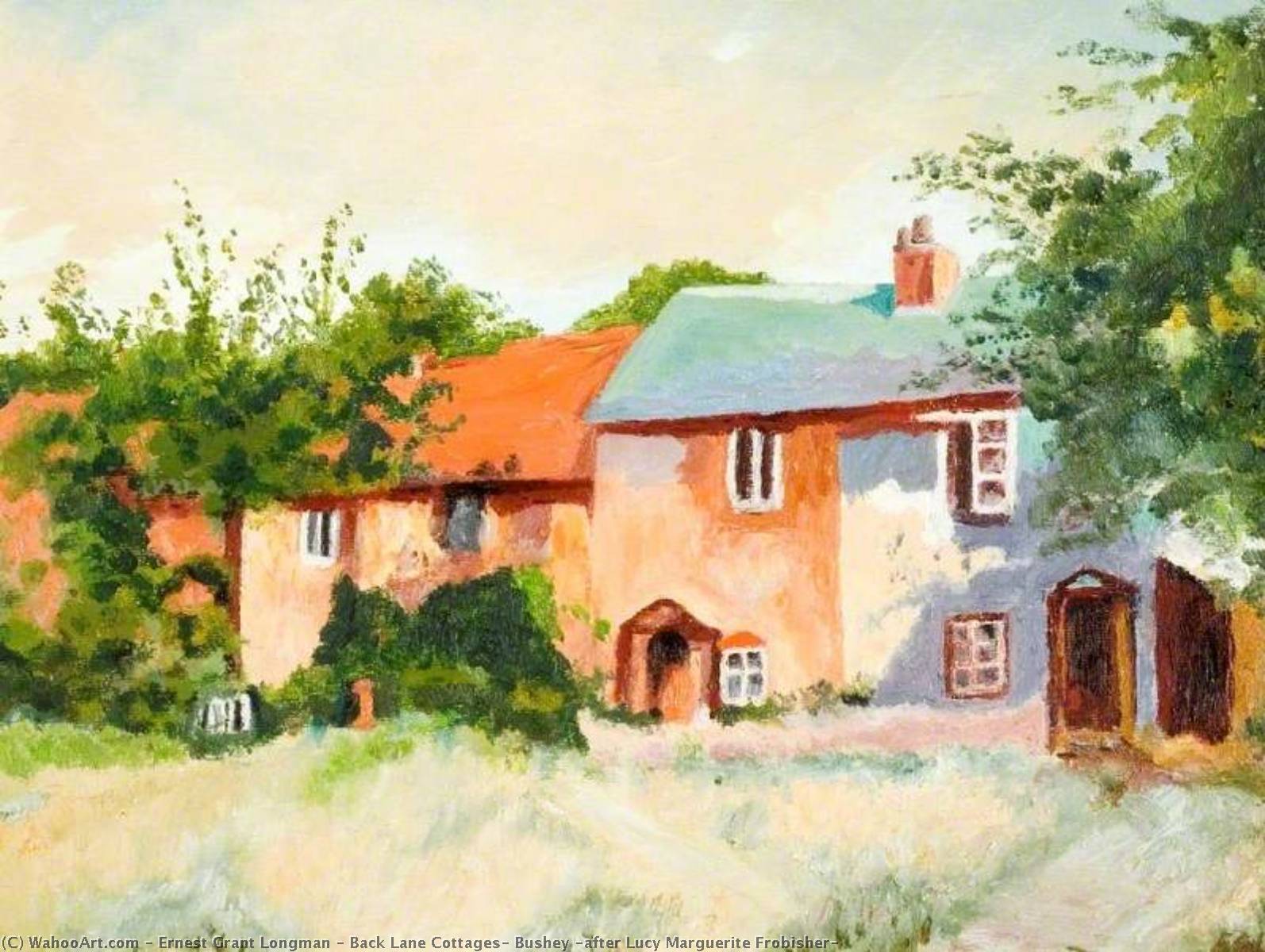
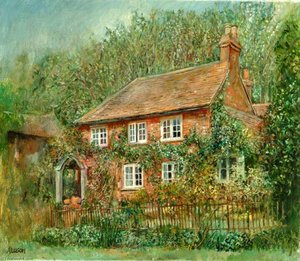
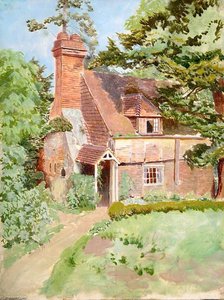
Back Lane Cottages, Bushey (after Lucy Marguerite Frobisher)
 30.0 x 40.0 cm
 詳細を見る
詳細を見る
オンラインプレビューをはるかに凌ぐ、高解像度で鮮明なデジタル画像をご購入いただけます。
各ファイルは、社内の専門家が高度なツールと熟練した手作業によるレタッチを用いて、細心の注意を払って準備されています。すべての画像において、卓越した鮮明度、正確な色彩再現性、そして繊細なディテールを保証いたします。
最終ファイルは、プロフェッショナルな編集・印刷環境ですぐにご利用いただけるよう最適化された状態で、72時間以内にメールにてお届けいたします。これは、一流のデザインスタジオ、出版社、ギャラリーから信頼されているものと同等の品質です。
デジタル画像のご注文に付随する特典
高品質なデジタル画像配信を、確かな品質で。
ArtsDot.com を選ぶことは、単に画像を手に入れることではありません。それは、プロの手によって精密に仕上げられ、満足保証が付いた高品質なデジタルアートワークを受け取ることを意味します。ご注文いただいた際に自動的に付随する内容は、以下の通りです:

メールですぐにお届け
ご注文から72時間以内に、高解像度のデジタル画像ファイルがメールでお手元に届きます。すぐにそのままご利用いただけます。

AI技術で最適化されたデジタルファイル
お客様の作品は、高度なAIツールと専門家による手作業の編集を組み合わせてプロフェッショナルに最適化されており、細部のディテール、鮮明さ、そして正確な色再現性を最大限に引き出しています。

一生涯無料の再送サービス
ファイルを誤って削除したり、紛失してしまったりしましたか?ご安心ください。いつでも無料で再送いたします。

輸入手数料は一切かかりません
関税や手数料、配送料を気にすることなく、お気に入りのアートワークをすぐにお楽しみいただけます。デジタルダウンロードは常に免税です。

色彩再現の保証
プロ仕様のツールとカラーマネジメント技術を用いることで、デジタル画像が元の色を最大限に忠実に再現することを保証いたします。

60日間満足保証
ご購入いただいたデジタル画像にご満足いただけない場合は、60日以内であれば、修正または100%の返金(理由を問う必要はありません)をさせていただきます。

100% 返金保証
ご満足いただけない場合は、デジタルファイルを受け取ってから60日以内であれば、理由を問わず全額返金いたします。

まとめ買い割引
3枚購入で10%OFF - 5枚購入で15%OFF - 10枚以上購入で20%OFF。クリエイティブなプロジェクト、ギャラリー、エージェンシーに最適です。
関連作品



作家の略歴
A Witness to Change: The Landscapes of Ernest Grant Longman
The art of Ernest Grant Longman offers a fascinating, often overlooked glimpse into a pivotal period of British history and the evolving landscape – both physical and societal. While not a household name, Longman’s work provides a compelling visual record of early 20th-century England, specifically documenting the dramatic transformations occurring in the rural areas surrounding Bushey, Hertfordshire. His paintings aren't merely depictions of scenery; they are imbued with a sense of time passing, a quiet acknowledgement of progress and its impact on traditional life. Longman’s artistic journey is inextricably linked to his locale, becoming a chronicler of the changing face of England as it moved from Victorian pastoralism into the modern age.Early Life and Artistic Foundations
Details regarding Ernest Grant Longman's early life remain somewhat scarce, a common fate for artists whose work wasn’t widely exhibited or documented during their lifetime. What *is* known is that he was deeply connected to Bushey, a small town north of London that had become a haven for artists in the late 19th and early 20th centuries. The influence of this artistic community – particularly the legacy of painters like Lucy Kemp-Welch and Hubert Herkomer who established an art school there – is palpable in Longman’s meticulous technique and his focus on realistic representation. He appears to have been largely self-taught, honing his skills through direct observation and a dedication to capturing the nuances of light and atmosphere. His early works demonstrate a clear proficiency in watercolor, a medium well-suited to the delicate rendering of rural scenes. It is believed he began painting as a means of documenting the local environment, initially focusing on idyllic views of fields, woodlands, and farm life.Documenting a Transforming Landscape
Longman’s artistic significance lies in his unique subject matter: the construction of the M1 motorway. As one of the first major motorways to be built in Britain, the M1 irrevocably altered the landscape surrounding Bushey and beyond. While many artists might have focused on romanticized depictions of the countryside, Longman turned his attention to the raw reality of progress – the earthmoving equipment, the temporary structures, the disruption of fields and hedgerows. His paintings from this period are remarkable for their objectivity; he doesn’t offer a judgement on the construction itself, but rather presents it as an undeniable force reshaping the world around him. These works aren't celebratory or condemnatory, they simply *are*, offering a powerful visual record of a moment in time. He also painted scenes of the surrounding groves and areas that were not directly affected by the motorway, providing a poignant contrast between the old and the new.Technique and Style
Longman’s style is characterized by its precision and attention to detail. His paintings are meticulously rendered, with a focus on capturing the textures of the landscape – the rough bark of trees, the undulating fields, the metallic sheen of machinery. He employed a restrained palette, favoring earthy tones and subtle gradations of color. While his work shares similarities with the realism of earlier Victorian painters, there’s also a sense of modernity in his compositions. He often utilizes a slightly elevated perspective, allowing him to capture a broader view of the landscape and emphasize the scale of the changes taking place. His use of light is particularly noteworthy; he skillfully captures the atmospheric effects of different times of day, creating a sense of depth and realism. His paintings are not about grand gestures or dramatic compositions; they’re about quiet observation and the subtle beauty of everyday life.Legacy and Historical Significance
Although Longman did not achieve widespread recognition during his lifetime, his work is now gaining increasing attention as a valuable historical document. His paintings offer a unique perspective on a period of rapid change in Britain, capturing the impact of modernization on the rural landscape. They serve as a reminder that progress always comes at a cost, and that even seemingly mundane scenes can hold significant cultural and historical value. His detailed depictions of the M1 construction are particularly important, providing a visual record of a pivotal moment in British infrastructure development. Today, his paintings offer more than just aesthetic appeal; they provide a window into a bygone era, allowing us to reflect on the changing relationship between humans and their environment.- Documenting the impact of the M1 motorway construction.
- Preserving scenes of rural England before widespread modernization.
- Offering a unique perspective on early 20th-century British life.
- Providing valuable historical insight into landscape transformation.