

 プレビュー
プレビュー
 プリントを購入
 シェアする
シェアする シェアする
シェアする
 詳細を見る
詳細を見る

 ダウンロード
 似ている作品
 X線調査
X線調査 スライドショー
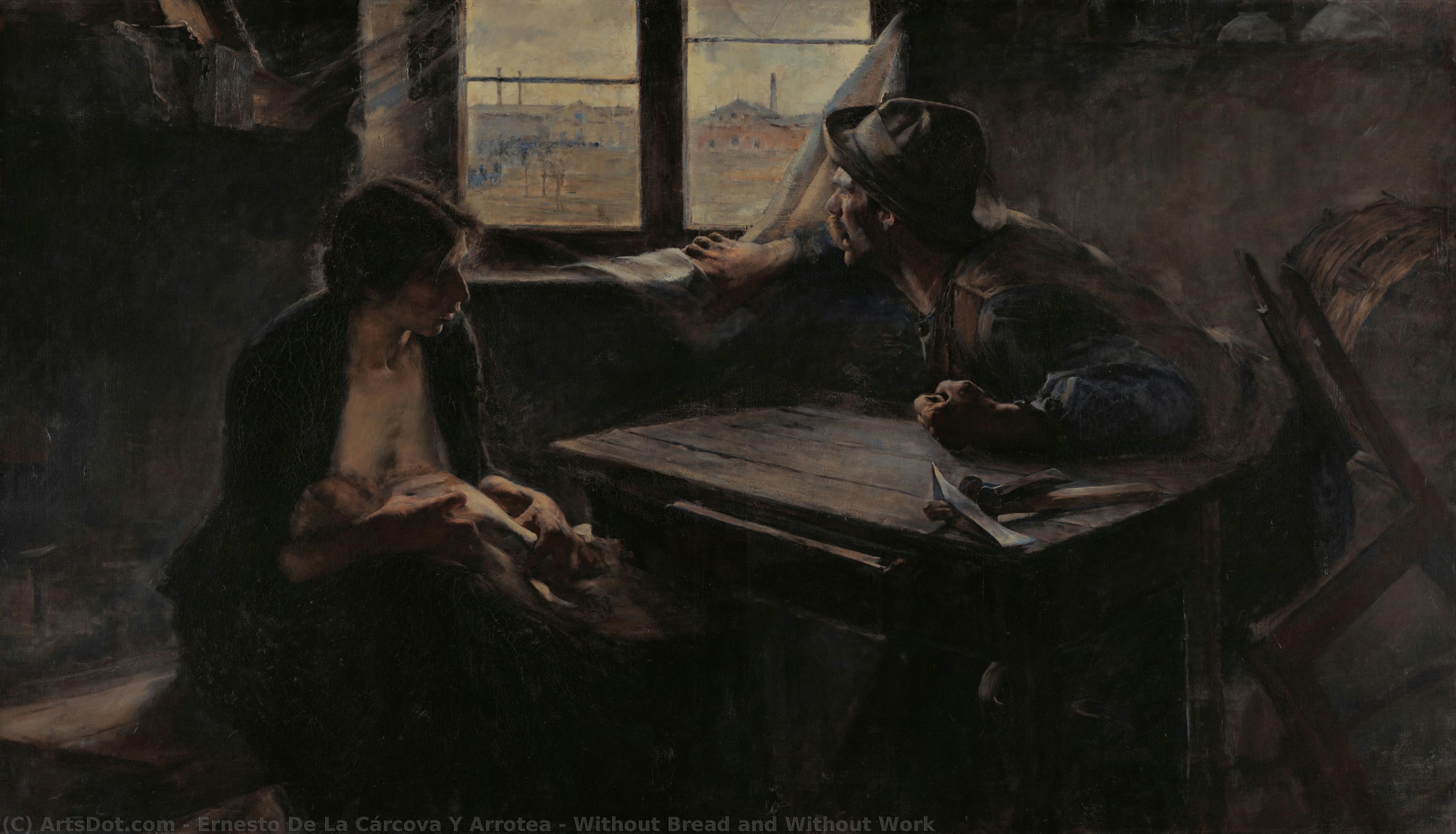
Without Bread and Without Work


 詳細を見る
詳細を見る




































作品のオリジナル比率に合わせた、当店の規定サイズからお選びください。

特定のフレームやスペースに合わせて、ご希望のサイズをご入力いただけます。選択されたサイズが元の画像の比率と異なる場合、アートワークをトリミングするか、手描きで要素を追加して絵画を拡張いたします。デジタルモックアップ を制作し、制作開始前にご確認(承認)をいただきます。
画面上のプレビューは、実際のトリミングや拡張を正確に反映しているものではありません。最終的な構図は、モックアップによってのみ正確にご確認いただけます。
カスタムサイズもご利用いただけますが、元の比率を維持するためには、あらかじめ用意されたリストからサイズを選択することをお勧めいたします。
ご注文後、ArtsDot.com チームより詳細な指示をお送りするとともに、仕上がりイメージ(モックアップ)をご提供いたします。


 ガラスオプションは、110cm未満のサイズでのみご利用いただけます。

Without Bread and Without Work
複製技法
複製画のサイズ
-


合計金額
$ 313
関連作品






アーティストの略歴
Ernesto de la Cárcova y Arrotea: Life and Legacy
Early Life and Career
Ernesto de la Cárcova y Arrotea, an Argentine painter of the realist school, was born in Buenos Aires, Argentina on March 3, 1866. His early life laid the foundation for a career dedicated to capturing the essence of his country’s people and landscapes. Details regarding his initial artistic training remain somewhat scarce, but it is clear he developed a strong commitment to representing Argentine society with honesty and insight.
Artistic Style and Influences
De la Cárcova y Arrotea's work is characterized by its adherence to realism. This style emphasizes the truthful and accurate depiction of subjects, avoiding idealization or romanticization. He sought to portray life as it was lived, particularly among the working classes and in rural settings. While specific artistic influences are not extensively documented, his focus on social commentary suggests an awareness of European realist movements like those led by Gustave Courbet and Jean-François Millet.
Notable Works
- The Ranch: This piece showcases de la Cárcova y Arrotea’s skill in capturing the essence of rural life, demonstrating his ability to portray everyday scenes with authenticity and detail.
- The Overseers: Demonstrates a balance between composition and narrative, offering a glimpse into the lives of those in positions of authority within Argentine society.
- Without Bread and Without Work: Perhaps his most recognized work, this painting powerfully depicts the hardships faced by the working class, highlighting themes of poverty and social injustice. It is a poignant example of his commitment to social realism.
Museums and Collections
De la Cárcova y Arrotea’s work can be found in various collections, most notably at the National Museum of Fine Arts (Buenos Aires, Argentina). This museum houses a significant portion of his oeuvre and is dedicated to preserving and showcasing the artistic heritage of Argentina. His presence within this institution underscores his importance to Argentine art history.
Legacy and Historical Significance
Ernesto de la Cárcova y Arrotea passed away on December 28, 1927, leaving behind a body of work that continues to be studied and appreciated for its realism and insight into Argentine society during the late 19th and early 20th centuries. His legacy lies in his ability to capture the lives of ordinary people with dignity and honesty, providing valuable documentation of a specific time and place. He is remembered as an important figure in the development of Argentine realist painting, paving the way for future generations of artists who sought to engage with social issues through their work.

ernesto de la cárcova y arrotea
1866 - 1927 , Argentina
基本情報
- Birth Date: March 3, 1866
- Birth Place: Buenos Aires, Argentina
- Death Date: December 28, 1927
- Movement: Realism
- Name: Ernesto de la Cárcova y Arrotea
- Nationality: Argentine
- Notable Works:
- The Ranch
- The Overseers
- Without Bread and Without Work