

 シェアする
シェアする シェアする
シェアする
 詳細を見る
詳細を見る

 ダウンロード
 似ている作品
 スライドショー
 統計情報
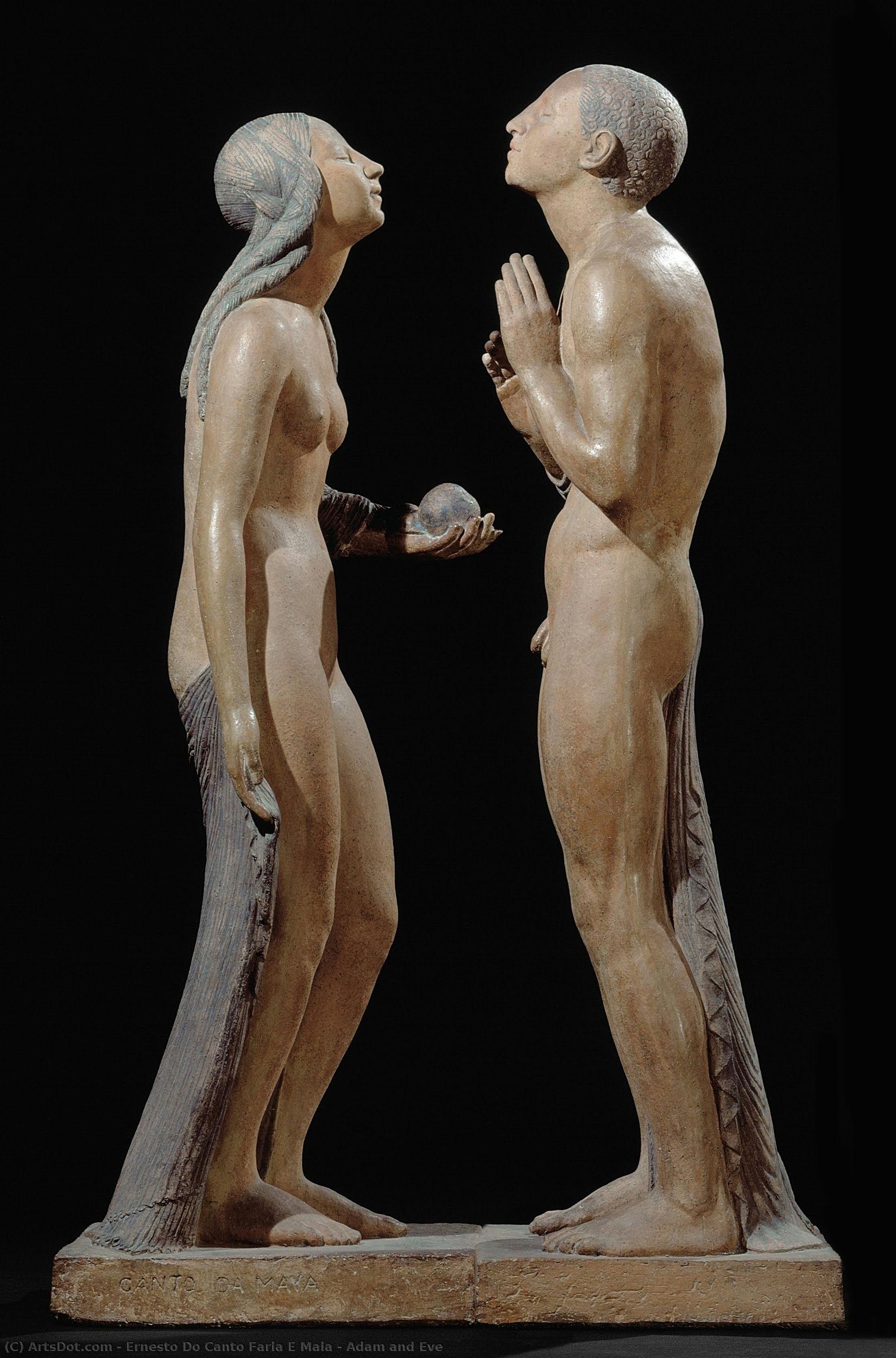
統計情報Adam and Eve
 Terracotta
- Art Deco
 1929
1929 159.0 x 54.0 cm
 国立現代美術館 - ムゼウ・ド・シアード
 詳細を見る
詳細を見る
手描き油彩複製画
当社のアーティストが、お客様のご希望のサイズと額縁に合わせて、キャンバスに手描きで制作する油彩画です。 ( プリント版に切り替え デジタル画像販売へ切り替え)




































作品のオリジナル比率に合わせた、当店の規定サイズからお選びください。

特定のフレームやスペースに合わせて、ご希望のサイズをご入力いただけます。選択されたサイズが元の画像の比率と異なる場合、アートワークをトリミングするか、手描きで要素を追加して絵画を拡張いたします。デジタルモックアップ を制作し、制作開始前にご確認(承認)をいただきます。
画面上のプレビューは、実際のトリミングや拡張を正確に反映しているものではありません。最終的な構図は、モックアップによってのみ正確にご確認いただけます。
カスタムサイズもご利用いただけますが、元の比率を維持するためには、あらかじめ用意されたリストからサイズを選択することをお勧めいたします。
ご注文後、ArtsDot.com チームより詳細な指示をお送りするとともに、仕上がりイメージ(モックアップ)をご提供いたします。


 ガラスオプションは、110cm未満のサイズでのみご利用いただけます。

Adam and Eve
複製技法
複製画のサイズ
-


合計金額
$ 263
関連作品
アーティストの略歴
The Sculptural Legacy of Ernesto Canto da Maia
In the vibrant tapestry of twentieth-century European modernism, few figures embody the transition from classical sensitivity to the bold geometries of the Art Deco era as gracefully as Ernesto do Canto Faria e Maia. Born in 1890 in the serene landscapes of Porto Santo, Portugal, his artistic journey was one of profound movement and geographical breadth. Though his roots were deeply embedded in the Portuguese tradition, his creative spirit wandered between the lush landscapes of the Azores, the intellectual pulse of Lisbon, and the avant-garde epicenter of Paris. This cosmopolitan upbringing allowed him to absorb the shifting currents of European aesthetics, blending a delicate, emotive touch with the emerging structural rigor that would define his most celebrated periods.
The evolution of Canto da Maia’s style reflects the turbulent yet transformative history of the early twentieth century. During the interwar years, he became a prominent voice within the first generation of Portuguese modernists, navigating an era where the elegance of Art Deco began to reshape the visual language of the continent. His work during this time was characterized by a unique ability to balance symbolic depth with formal clarity. As his career progressed into the 1930s, however, his artistic trajectory encountered the complex political landscape of the Estado Novo regime. This period saw him undertaking significant national commissions, where his hand moved toward large-scale, monumental sculptures designed to evoke a sense of heroic history and national identity.
Mastery of Form and Symbolic Depth
Canto da Maia’s mastery lay in his ability to breathe life into static medium, whether through the subtle nuances of a portrait or the imposing presence of a public monument. His repertoire was remarkably diverse, ranging from intimate studies of the human form to grand, commemorative works. One of his most profound achievements is the series known as The Chosen Ones, a collection of twelve pieces that showcases his capacity for narrative and spiritual resonance. This work, now preserved within the prestigious Centro de Arte Moderna Gulbenkian in Lisbon, serves as a testament to his ability to capture the human condition through a modernist lens.
Beyond his monumental efforts, his smaller-scale works, such as his evocative Study of Head, reveal a sculptor deeply attuned to the psychological weight of his subjects. His technique often bridged the gap between the organic and the stylized, a hallmark of the transition from late Symbolism to the streamlined aesthetics of modernism. This duality allowed him to remain relevant across decades of shifting tastes, maintaining a sense of poetic intimacy even when working on a grand, civic scale.
Historical Significance and Enduring Influence
The historical importance of Ernesto Canto da Maia extends far beyond the borders of Portugal. His presence in the international art scene, particularly through his time in Paris, helped integrate Portuguese modernism into the broader European dialogue. The enduring value of his contribution is evidenced by the placement of his works in some of the world's most esteemed institutions:
- Centro de Arte Moderna Gulbenkian (Lisbon, Portugal)
- Soares dos Reis National Museum (Porto, Portugal)
- The Government Art Collection (London, United Kingdom)
As a pioneer of the first generation of Portuguese modernists, Canto da Maia left an indelible mark on the sculptural landscape. His ability to navigate the delicate balance between personal artistic expression and the demands of national commemoration makes him a pivotal figure in understanding the complexities of twentieth-century art. Today, his legacy continues to inspire scholars and art lovers alike, standing as a bridge between the classical traditions of the past and the bold, structural innovations of the modern age.

ernesto do canto faria e maia
1890 - 1981 , Portugal
基本情報
- Artistic Movement Or Style: Modernist Art Deco
- Artists Who Influenced This Artist:
- Amadeo de Souza Cardoso
- Jorge Nicholson Moore Barradas
- Date Of Birth: 1890
- Date Of Death: 1981
- Full Name: Ernesto do Canto Faria e Maia
- Nationality: Portuguese
- Notable Artworks:
- Study of Head
- Chosen Ones Series
- Place Of Birth: Ponta Delgada, Portugal
関連記事

The Enduring Form: Sculpture Across History, Technique & Emotional Resonance
Explore the rich history of sculpture with ArtsDot. Discover key techniques, influential artists & investment potential for discerning collectors. Expert insights into valuing and collecting timeless masterpieces.

Bronze Age to Modern Masters: 10 Sculptures That Redefined Art | ArtsDot
Journey through art history with 10 legendary bronze sculptures – from Michelangelo's David to Rodin’s Thinker. Explore the stories, techniques & timeless beauty of these masterpieces. Find museum-quality reproductions & elevate your home decor on ArtsDot.com.

Bronze Sculptures That Defined Art History | ArtsDot
Journey through art history with our Top 10 bronze sculptures! Explore masterpieces by Rodin, Michelangelo & more. Discover stories behind iconic statues and find museum-quality reproductions for your home decor at ArtsDot.com.

The Enduring Form: Exploring Themes & Techniques in Sculpture Across Historical Periods
Explore the rich history of sculpture from ancient masterpieces to contemporary innovations. Discover key techniques, influential artists & investment potential for discerning art collectors.
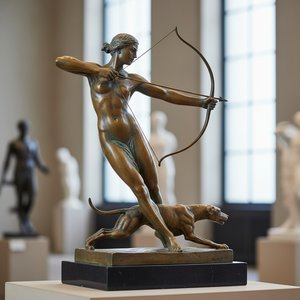
Paul Manship: Reassessing the Master of American Art Deco Sculpture
Explore the captivating world of Paul Manship, a leading figure in American Art Deco sculpture. Discover his iconic works like Prometheus, influence on modernism, and investment potential. Expert insights for collectors.