

 プレビュー
プレビュー
 プリントを購入
 シェアする
シェアする シェアする
シェアする
 詳細を見る
詳細を見る

 ダウンロード
 似ている作品
 X線調査
X線調査 スライドショー
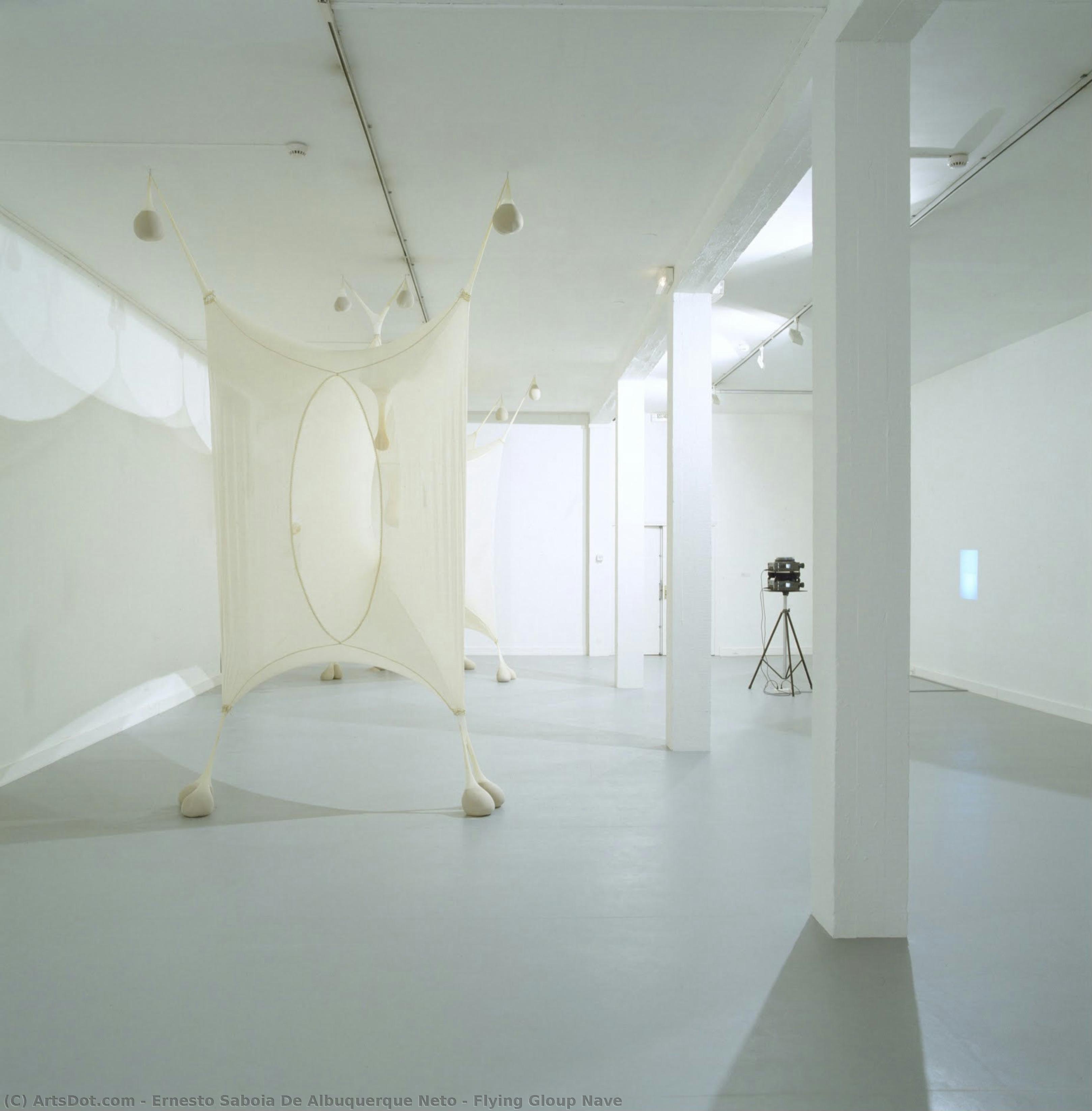
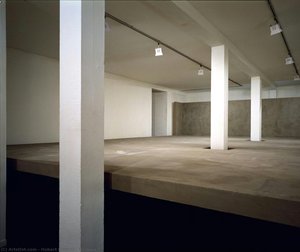
Flying Gloup Nave
 1999
1999 100.0 x 380.0 cm
 Villa Arson
 詳細を見る
詳細を見る




































作品のオリジナル比率に合わせた、当店の規定サイズからお選びください。

特定のフレームやスペースに合わせて、ご希望のサイズをご入力いただけます。選択されたサイズが元の画像の比率と異なる場合、アートワークをトリミングするか、手描きで要素を追加して絵画を拡張いたします。デジタルモックアップ を制作し、制作開始前にご確認(承認)をいただきます。
画面上のプレビューは、実際のトリミングや拡張を正確に反映しているものではありません。最終的な構図は、モックアップによってのみ正確にご確認いただけます。
カスタムサイズもご利用いただけますが、元の比率を維持するためには、あらかじめ用意されたリストからサイズを選択することをお勧めいたします。
ご注文後、ArtsDot.com チームより詳細な指示をお送りするとともに、仕上がりイメージ(モックアップ)をご提供いたします。


 ガラスオプションは、110cm未満のサイズでのみご利用いただけます。

Flying Gloup Nave
複製技法
複製画のサイズ
-


合計金額
$ 263
関連作品




アーティストの略歴
Randall Vernon Davey: A Pioneer of American Landscape Painting (1887-1964)
Randall Vernon Davey, born in East Orange, New Jersey, in 1887, emerged from a modest upbringing to become a significant figure in early 20th-century American art. His journey was one of artistic discovery, fueled by a youthful desire for creative expression and shaped by the influential mentorships he received within the burgeoning art communities of New York and Santa Fe. Davey’s career spanned several decades, marked by a dedication to capturing the essence of the American West and its vibrant landscapes – a subject that would ultimately define his legacy.
Davey's initial artistic inclinations were nurtured during his time at Cornell University, where he studied architecture but quickly realized his true passion lay in painting. Leaving the university in 1908, he moved to New York City with the resolute intention of pursuing a career as an artist. This bold decision led him to the New School for Art, where he found guidance under Robert Henri, a pivotal figure in the Ashcan School movement. Henri’s emphasis on direct observation and portraying the realities of urban life profoundly impacted Davey's approach to painting, encouraging him to move beyond academic traditions and embrace a more honest representation of the world around him.
Following Henri’s departure to establish his own art school, Davey continued his studies under Charles W. Hawthorne at the Taos Society School of Art. This period proved crucial in developing his technical skills and broadening his artistic horizons. Davey's early works began to reflect this evolving style, incorporating elements of both Henri’s social realism and Hawthorne’s focus on capturing the beauty of nature. He participated in the groundbreaking Armory Show of 1913, a watershed moment that propelled American art into the international spotlight, solidifying his place within the avant-garde movement.
Seeking respite from the bustling city and inspired by the burgeoning artistic community in Santa Fe, Davey relocated to New Mexico in 1917. He found a new home and a renewed sense of purpose, immersing himself in the region’s rich cultural landscape. It was here that he established a studio on the outskirts of town and began to dedicate his work primarily to painting horses, polo scenes, nudes, and landscapes – subjects deeply rooted in the spirit of the American West. His paintings during this period are characterized by their vibrant colors, dynamic compositions, and an undeniable sense of movement, reflecting the energy and excitement of the era.
The Influence of Henri and Hawthorne
Davey’s artistic development was inextricably linked to the mentorship he received from Robert Henri and Charles W. Hawthorne. Henri instilled in him a commitment to portraying the realities of American life with honesty and directness, encouraging him to move beyond idealized representations and embrace the complexities of the human experience. Henri's emphasis on observation and capturing the essence of his subjects profoundly shaped Davey’s artistic philosophy.
Hawthorne, on the other hand, provided Davey with invaluable instruction in capturing the beauty of nature. Hawthorne’s focus on light, color, and form helped Davey refine his technical skills and develop a deeper appreciation for the natural world. Davey's paintings of landscapes are particularly evocative, demonstrating his ability to capture the subtle nuances of light and shadow and convey the grandeur of the American West.
A Shift Towards the Southwest: Santa Fe and Beyond
The move to Santa Fe in 1917 marked a significant turning point in Davey’s career. The stark beauty of the New Mexico landscape, combined with the vibrant artistic community, provided him with fertile ground for creative exploration. He embraced the region's unique character, incorporating elements of Native American culture and Southwestern motifs into his work. His paintings during this period are characterized by a warmer palette and a more intimate portrayal of the human figure.
Despite his success in Santa Fe, Davey remained committed to teaching and sharing his knowledge with aspiring artists. He held positions at various art institutions throughout the Southwest, including the Broadmoor Art Academy, the Chicago Institute of Art, and the Kansas City Art Institute. His dedication to education solidified his reputation as a respected figure within the American art community.
Legacy and Historical Significance
Randall Vernon Davey’s contribution to American landscape painting is often overlooked, yet his work holds considerable historical significance. He was among the first artists to capture the spirit of the American West with such vibrancy and authenticity. His paintings offer a glimpse into a bygone era, reflecting the social and cultural changes that were transforming the nation.
Davey’s legacy extends beyond his artistic achievements. He embodied the ideals of the early 20th-century art movement – a commitment to direct observation, honest representation, and a celebration of American identity. His life story serves as an inspiring example of perseverance, dedication, and the transformative power of mentorship.
Tragically, Davey’s career was cut short in 1964 when he died in a car accident while traveling to California. Despite his untimely death, his paintings continue to be admired for their beauty, technical skill, and evocative portrayal of the American West. His work remains an important part of the nation's artistic heritage.
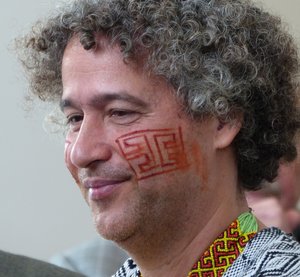
ernesto saboia de albuquerque neto
1964 - , Brazil
基本情報
- Artistic Movement Or Style: Still life, landscapes
- Artists Or Movements Influenced By This Artist:
- Ashcan School
- Taos Society
- Artists Who Influenced This Artist:
- Robert Henri
- Charles W. Hawthorne
- Date Of Birth: 1887-03-26
- Date Of Death: 1964-11-15
- Full Name: Randall Vernon Davey
- Nationality: American
- Notable Artworks:
- Horse-racing scenes
- Polo scenes
- Nudes
- Place Of Birth: East Orange, New Jersey