

 プリントを購入
 シェアする
シェアする シェアする
シェアする
 詳細を見る
詳細を見る

 ダウンロード
 似ている作品
 スライドショー
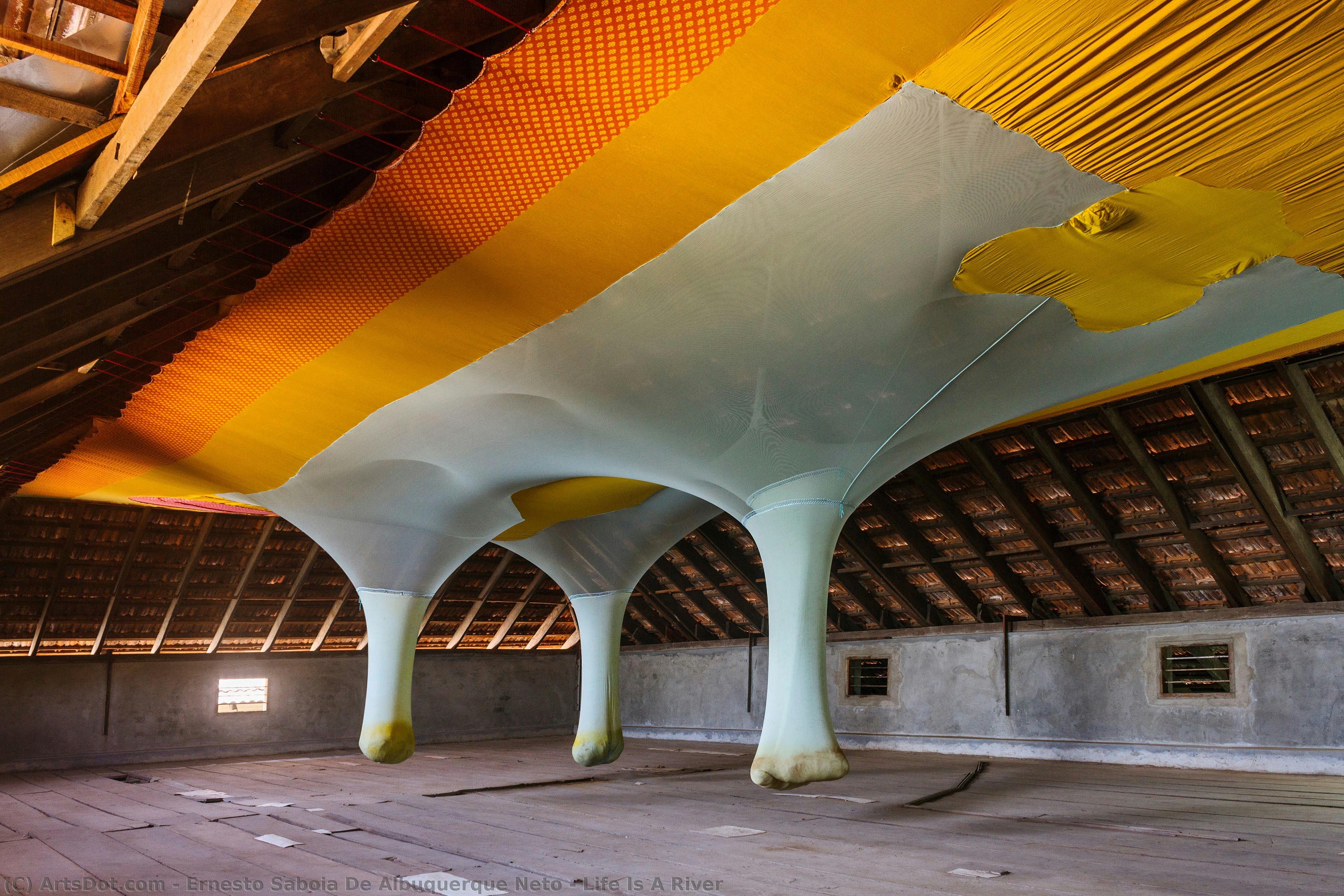
Life Is A River


 詳細を見る
詳細を見る




































作品のオリジナル比率に合わせた、当店の規定サイズからお選びください。

特定のフレームやスペースに合わせて、ご希望のサイズをご入力いただけます。選択されたサイズが元の画像の比率と異なる場合、アートワークをトリミングするか、手描きで要素を追加して絵画を拡張いたします。デジタルモックアップ を制作し、制作開始前にご確認(承認)をいただきます。
画面上のプレビューは、実際のトリミングや拡張を正確に反映しているものではありません。最終的な構図は、モックアップによってのみ正確にご確認いただけます。
カスタムサイズもご利用いただけますが、元の比率を維持するためには、あらかじめ用意されたリストからサイズを選択することをお勧めいたします。
ご注文後、ArtsDot.com チームより詳細な指示をお送りするとともに、仕上がりイメージ(モックアップ)をご提供いたします。


 ガラスオプションは、110cm未満のサイズでのみご利用いただけます。

Life Is A River
複製技法
複製画のサイズ
-


合計金額
$ 263
A Tapestry of Spirit and Flow
In the evocative work Life Is A River, created in 2013 by Ernesto Saboia de Albuquerque Neto, we encounter a profound meditation on the fluidity of existence and the interconnectedness of culture. The piece serves as a breathtaking bridge between the artist's personal creative language and the vibrant, tactile reality of India. At its heart, the work is a sensory journey, utilizing blue textile bodies that evoke the classic spice-toned pieces of the artist’s repertoire, yet it expands into a larger narrative of global connection. The composition is framed by a horizon layer of fabrics sourced directly from the bustling markets of Ernakulam, grounding the ethereal concept in the physical, lived experience of a specific place and time.
The visual language of the piece is deeply rooted in symbolism and spiritual metaphor. The central nucleolus body, crafted from blue polyamide textile, draws direct inspiration from the divine iconography of Hindu deities, specifically Shiva and Krishna. In these traditions, the color blue represents a state of being and becoming—a cosmic fluidity that transcends the physical form. By using textile as a metaphorical skin, the artist invites the viewer to contemplate the boundaries between the self and the world. This "blue skin" becomes a passageway, suggesting that we all possess the capacity to dissolve our rigid edges and merge with the greater flow of life, offering a sense of profound freedom and spiritual joy.
Technique and the Art of Texture
The technical execution of Life Is A River is a masterclass in multi-layered texture and color theory. The artist employs a sophisticated interplay of materials to guide the eye through a rhythmic, flowing movement. An orange fabric frame surrounds the blue polyamide core, a choice inspired by the traditional block print fabrics found in Ernakulam. This warm, earthy border provides a striking contrast to the cool, deep blues of the center, creating a visual tension that mimics the heat and vibrancy of Indian street life. To capture the literal essence of a river, the artist incorporates bright, transparent cotton, which introduces a sense of speed and light, allowing the viewer's gaze to glide across the surface as if following a current.
For collectors and interior designers, this work offers an unparalleled opportunity to introduce a piece of narrative depth into a curated space. The painting’s ability to evoke both the monumental scale of a sculpture and the delicate intimacy of textile art makes it a versatile centerpiece for high-end environments. Whether placed in a contemporary gallery setting or a sophisticated residential lounge, the piece acts as a window into a world of cultural synthesis. A high-quality reproduction of this work allows one to capture not just the striking color palette—ranging from sun-drenched yellows and lush greens to deep reds and blues—but also the emotional resonance of a life lived in constant, beautiful motion.
関連作品

アーティストの略歴
Randall Vernon Davey: A Pioneer of American Landscape Painting (1887-1964)
Randall Vernon Davey, born in East Orange, New Jersey, in 1887, emerged from a modest upbringing to become a significant figure in early 20th-century American art. His journey was one of artistic discovery, fueled by a youthful desire for creative expression and shaped by the influential mentorships he received within the burgeoning art communities of New York and Santa Fe. Davey’s career spanned several decades, marked by a dedication to capturing the essence of the American West and its vibrant landscapes – a subject that would ultimately define his legacy.
Davey's initial artistic inclinations were nurtured during his time at Cornell University, where he studied architecture but quickly realized his true passion lay in painting. Leaving the university in 1908, he moved to New York City with the resolute intention of pursuing a career as an artist. This bold decision led him to the New School for Art, where he found guidance under Robert Henri, a pivotal figure in the Ashcan School movement. Henri’s emphasis on direct observation and portraying the realities of urban life profoundly impacted Davey's approach to painting, encouraging him to move beyond academic traditions and embrace a more honest representation of the world around him.
Following Henri’s departure to establish his own art school, Davey continued his studies under Charles W. Hawthorne at the Taos Society School of Art. This period proved crucial in developing his technical skills and broadening his artistic horizons. Davey's early works began to reflect this evolving style, incorporating elements of both Henri’s social realism and Hawthorne’s focus on capturing the beauty of nature. He participated in the groundbreaking Armory Show of 1913, a watershed moment that propelled American art into the international spotlight, solidifying his place within the avant-garde movement.
Seeking respite from the bustling city and inspired by the burgeoning artistic community in Santa Fe, Davey relocated to New Mexico in 1917. He found a new home and a renewed sense of purpose, immersing himself in the region’s rich cultural landscape. It was here that he established a studio on the outskirts of town and began to dedicate his work primarily to painting horses, polo scenes, nudes, and landscapes – subjects deeply rooted in the spirit of the American West. His paintings during this period are characterized by their vibrant colors, dynamic compositions, and an undeniable sense of movement, reflecting the energy and excitement of the era.
The Influence of Henri and Hawthorne
Davey’s artistic development was inextricably linked to the mentorship he received from Robert Henri and Charles W. Hawthorne. Henri instilled in him a commitment to portraying the realities of American life with honesty and directness, encouraging him to move beyond idealized representations and embrace the complexities of the human experience. Henri's emphasis on observation and capturing the essence of his subjects profoundly shaped Davey’s artistic philosophy.
Hawthorne, on the other hand, provided Davey with invaluable instruction in capturing the beauty of nature. Hawthorne’s focus on light, color, and form helped Davey refine his technical skills and develop a deeper appreciation for the natural world. Davey's paintings of landscapes are particularly evocative, demonstrating his ability to capture the subtle nuances of light and shadow and convey the grandeur of the American West.
A Shift Towards the Southwest: Santa Fe and Beyond
The move to Santa Fe in 1917 marked a significant turning point in Davey’s career. The stark beauty of the New Mexico landscape, combined with the vibrant artistic community, provided him with fertile ground for creative exploration. He embraced the region's unique character, incorporating elements of Native American culture and Southwestern motifs into his work. His paintings during this period are characterized by a warmer palette and a more intimate portrayal of the human figure.
Despite his success in Santa Fe, Davey remained committed to teaching and sharing his knowledge with aspiring artists. He held positions at various art institutions throughout the Southwest, including the Broadmoor Art Academy, the Chicago Institute of Art, and the Kansas City Art Institute. His dedication to education solidified his reputation as a respected figure within the American art community.
Legacy and Historical Significance
Randall Vernon Davey’s contribution to American landscape painting is often overlooked, yet his work holds considerable historical significance. He was among the first artists to capture the spirit of the American West with such vibrancy and authenticity. His paintings offer a glimpse into a bygone era, reflecting the social and cultural changes that were transforming the nation.
Davey’s legacy extends beyond his artistic achievements. He embodied the ideals of the early 20th-century art movement – a commitment to direct observation, honest representation, and a celebration of American identity. His life story serves as an inspiring example of perseverance, dedication, and the transformative power of mentorship.
Tragically, Davey’s career was cut short in 1964 when he died in a car accident while traveling to California. Despite his untimely death, his paintings continue to be admired for their beauty, technical skill, and evocative portrayal of the American West. His work remains an important part of the nation's artistic heritage.
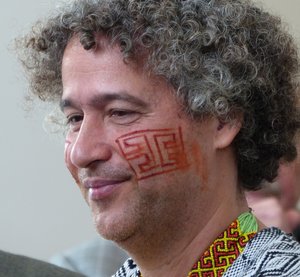
ernesto saboia de albuquerque neto
1964 - , Brazil
基本情報
- Artistic Movement Or Style: Still life, landscapes
- Artists Or Movements Influenced By This Artist:
- Ashcan School
- Taos Society
- Artists Who Influenced This Artist:
- Robert Henri
- Charles W. Hawthorne
- Date Of Birth: 1887-03-26
- Date Of Death: 1964-11-15
- Full Name: Randall Vernon Davey
- Nationality: American
- Notable Artworks:
- Horse-racing scenes
- Polo scenes
- Nudes
- Place Of Birth: East Orange, New Jersey
関連記事
Framing Perception: A Comprehensive Guide to Selecting Frames that Enhance Interior Styles and Artwork Value
Elevate your space with expert art framing guidance! Discover how to choose frames that enhance artwork & interior design, protect valuable pieces, and create stunning displays. Trusted advice for designers & collectors.
Slate Blue Masterpieces: 10 Iconic Paintings & Timeless Home Decor Ideas
Immerse yourself in the captivating world of slate blue! Explore 10 iconic paintings by Monet, Van Gogh & Renoir. Discover their stories, techniques & find museum-quality art reproductions for your home at .

The Frame as Argument: An Expert Guide to Selecting the Perfect Frame for Your Art
Master the art of presentation with our expert guide on choosing the perfect frame. Learn how to enhance your artwork's value, complement your interior design, and ensure long-term preservation through professional framing techniques for collectors and enthusiasts alike.
絵画の魅力を最大限に引き出す額縁選び:専門家が解説する美的統合と保護戦略
絵画の魅力を最大限に引き出す額縁選びの専門家ガイド。歴史的背景から空間との調和、作品保護まで徹底解説。ArtsDot.comがフリーランス・デコレーター様をサポートします。
The Allure of Azure: Exploring the Symbolic & Aesthetic Depths of Blue in Art History
Explore the rich history of blue in art! Discover its symbolism, from ancient pigments to modern masterpieces by Kandinsky & Seurat. Uncover the psychological impact and cultural meanings behind this captivating hue.