

 プリントを購入
 シェアする
シェアする シェアする
シェアする
 詳細を見る
詳細を見る

 ダウンロード
 似ている作品
 スライドショー
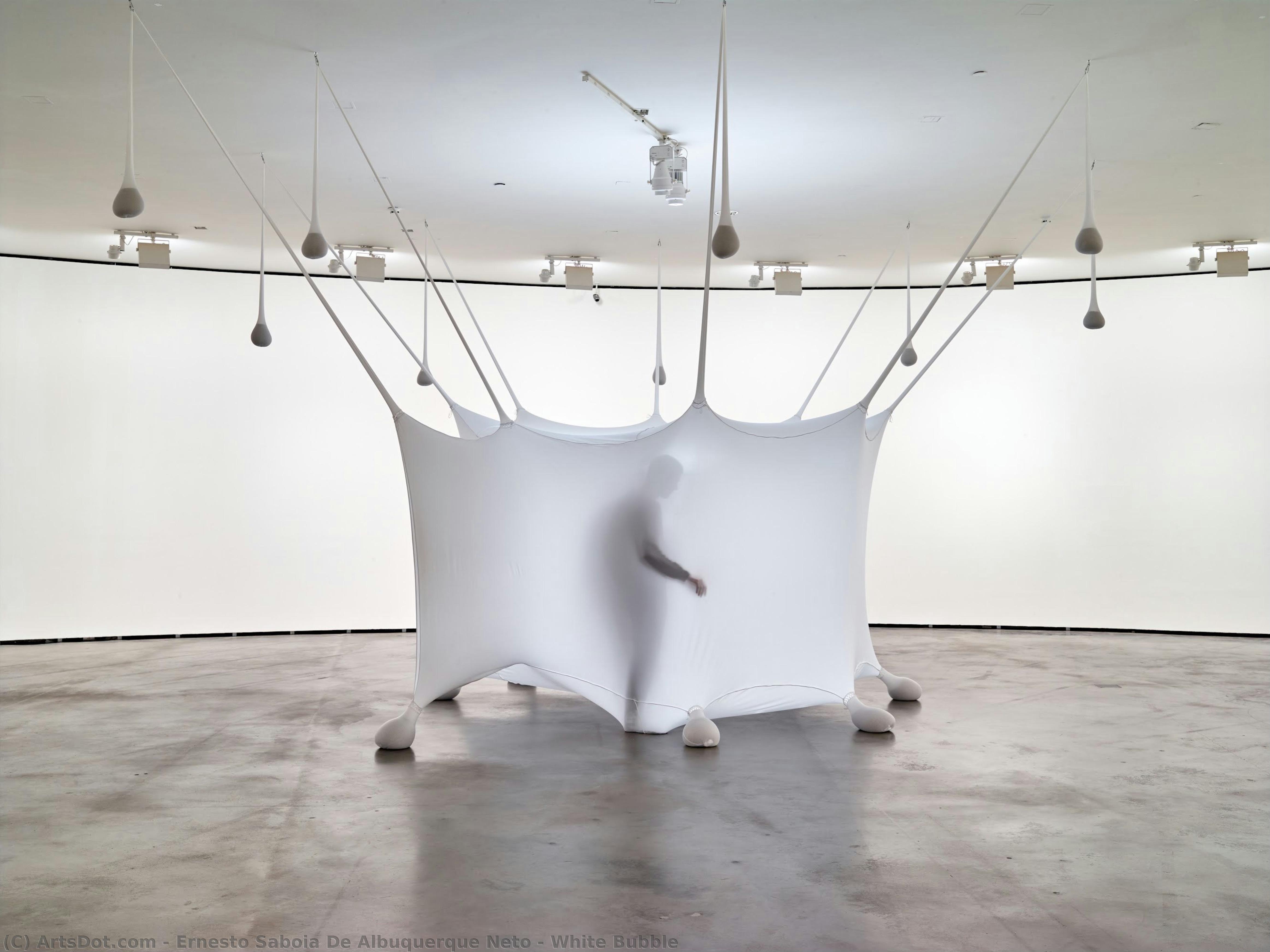
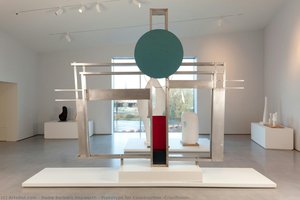
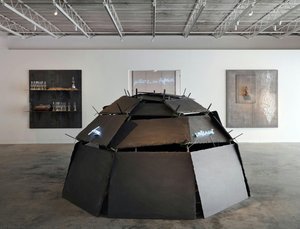
White Bubble
 Installation Art
- Installation
- Contemporary Installation
 2017
2017- Contemporary
 400.0 x 710.0 cm
 グッゲンハイム美術館ビルバオ
 詳細を見る
詳細を見る
オンラインプレビューをはるかに凌ぐ、高解像度で鮮明なデジタル画像をご購入いただけます。
各ファイルは、社内の専門家が高度なツールと熟練した手作業によるレタッチを用いて、細心の注意を払って準備されています。すべての画像において、卓越した鮮明度、正確な色彩再現性、そして繊細なディテールを保証いたします。
最終ファイルは、プロフェッショナルな編集・印刷環境ですぐにご利用いただけるよう最適化された状態で、72時間以内にメールにてお届けいたします。これは、一流のデザインスタジオ、出版社、ギャラリーから信頼されているものと同等の品質です。
デジタル画像のご注文に付随する特典
高品質なデジタル画像配信を、確かな品質で。
ArtsDot.com を選ぶことは、単に画像を手に入れることではありません。それは、プロの手によって精密に仕上げられ、満足保証が付いた高品質なデジタルアートワークを受け取ることを意味します。ご注文いただいた際に自動的に付随する内容は、以下の通りです:

メールですぐにお届け
ご注文から72時間以内に、高解像度のデジタル画像ファイルがメールでお手元に届きます。すぐにそのままご利用いただけます。

AI技術で最適化されたデジタルファイル
お客様の作品は、高度なAIツールと専門家による手作業の編集を組み合わせてプロフェッショナルに最適化されており、細部のディテール、鮮明さ、そして正確な色再現性を最大限に引き出しています。

一生涯無料の再送サービス
ファイルを誤って削除したり、紛失してしまったりしましたか?ご安心ください。いつでも無料で再送いたします。

輸入手数料は一切かかりません
関税や手数料、配送料を気にすることなく、お気に入りのアートワークをすぐにお楽しみいただけます。デジタルダウンロードは常に免税です。

色彩再現の保証
プロ仕様のツールとカラーマネジメント技術を用いることで、デジタル画像が元の色を最大限に忠実に再現することを保証いたします。

100日間満足保証
ご購入いただいたデジタル画像にご満足いただけない場合は、100日以内であれば、理由を問わず修正または100%の返金対応をさせていただきます。

100% 返金保証
ご満足いただけない場合は、デジタルファイルを受け取ってから100日以内であれば、理由を問わず全額返金いたします。

まとめ買い割引
3枚購入で10%OFF - 5枚購入で15%OFF - 10枚以上購入で20%OFF。クリエイティブなプロジェクト、ギャラリー、エージェンシーに最適です。
Ernesto Saboia De Albuquerque Neto’s “White Bubble”: An Immersive Exploration of Perception
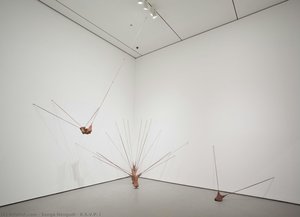
Ernesto Saboia De Albuquerque Neto's "White Bubble," created in 2017, is more than just a sculpture; it’s an invitation. Born from the conceptual heart of Neto’s Guggenheim Bilbao exhibition, “Hyper Event Horizon,” this monumental work—measuring 400 x 710 cm—transports the viewer into a realm where the boundaries between observer and artwork dissolve. Situated within the architectural grandeur of Frank Gehry's iconic museum, "White Bubble" leverages the space itself as an integral component of its experience, transforming the familiar gallery into a site for profound sensory engagement.
- Concept & Context: The piece’s genesis lies in Neto’s desire to move beyond traditional visual art towards a multi-sensory encounter. Inspired by the concept of “Hyper Event Horizon,” it seeks to capture not just what is seen, but how one *feels* within an environment – a sentiment powerfully echoed in Neto's broader artistic vision of museums as spaces for quiet contemplation and sensory immersion.
- Technique & Materials: Constructed primarily from translucent fabric or plastic suspended by meticulously engineered steel cables, the bubble’s ethereal form is a testament to Neto’s mastery of installation art. The choice of materials – light, airy, and subtly shifting with movement – directly contributes to the work's immersive quality. Concrete flooring within the museum space provides a grounding element, anchoring the delicate structure within Gehry’s architectural landscape.
A Dance Between Light, Form, and Human Presence
"White Bubble" is defined by its masterful manipulation of light and form. The translucent material allows diffused natural light to permeate the structure, creating an internal glow that shifts with the changing angles of illumination within the Guggenheim Bilbao. This effect isn’t merely aesthetic; it actively contributes to the piece's symbolic weight. The rounded, bubble-like shape itself evokes a sense of vulnerability and openness, inviting viewers to step inside and become part of its unfolding experience. The radial arrangement of cables adds a dynamic element, suggesting movement and echoing the patterns found in natural phenomena – reinforcing Neto’s intention to connect with universal sensory experiences.
- Composition & Perspective: The artwork's low perspective draws the viewer into the space, fostering a feeling of intimacy and encouraging exploration. The minimalist surrounding environment further amplifies the impact of the bubble, highlighting its delicate form and creating a powerful sense of scale.
- Interactive Elements: Notably, the piece is designed to respond to human presence. The subtle shifts in weight and movement caused by viewers interacting with the structure are not merely accidental; they are integral to the artwork’s evolving narrative – a trace left behind, transformed by subsequent encounters.
Symbolism and Emotional Resonance
Beyond its technical brilliance, "White Bubble" is rich in symbolic meaning. The title itself—"White Bubble"—immediately conjures images of fragility, purity, and the ephemeral nature of existence. The act of walking through the structure symbolizes a journey into the unknown, a willingness to surrender to sensory experience. Neto’s intention – “We are constantly receiving information, but I want this to be a place where we stop thinking” – speaks to a desire for genuine connection and a rejection of superficial engagement. The artwork prompts reflection on our relationship with space, perception, and ultimately, ourselves.
A Statement Piece for the Connoisseur
This exceptional reproduction captures not just an image but the very essence of Neto’s groundbreaking work. Its scale – 400 x 710 cm – ensures it will command attention in any setting, while the meticulous detail faithfully recreates the artwork's ethereal beauty and immersive qualities. “White Bubble” is a compelling addition to any discerning collection, offering a unique opportunity to engage with contemporary installation art and experience the transformative power of perception.

作家の略歴
Randall Vernon Davey: A Pioneer of American Landscape Painting (1887-1964)
Randall Vernon Davey, born in East Orange, New Jersey, in 1887, emerged from a modest upbringing to become a significant figure in early 20th-century American art. His journey was one of artistic discovery, fueled by a youthful desire for creative expression and shaped by the influential mentorships he received within the burgeoning art communities of New York and Santa Fe. Davey’s career spanned several decades, marked by a dedication to capturing the essence of the American West and its vibrant landscapes – a subject that would ultimately define his legacy.
Davey's initial artistic inclinations were nurtured during his time at Cornell University, where he studied architecture but quickly realized his true passion lay in painting. Leaving the university in 1908, he moved to New York City with the resolute intention of pursuing a career as an artist. This bold decision led him to the New School for Art, where he found guidance under Robert Henri, a pivotal figure in the Ashcan School movement. Henri’s emphasis on direct observation and portraying the realities of urban life profoundly impacted Davey's approach to painting, encouraging him to move beyond academic traditions and embrace a more honest representation of the world around him.
Following Henri’s departure to establish his own art school, Davey continued his studies under Charles W. Hawthorne at the Taos Society School of Art. This period proved crucial in developing his technical skills and broadening his artistic horizons. Davey's early works began to reflect this evolving style, incorporating elements of both Henri’s social realism and Hawthorne’s focus on capturing the beauty of nature. He participated in the groundbreaking Armory Show of 1913, a watershed moment that propelled American art into the international spotlight, solidifying his place within the avant-garde movement.
Seeking respite from the bustling city and inspired by the burgeoning artistic community in Santa Fe, Davey relocated to New Mexico in 1917. He found a new home and a renewed sense of purpose, immersing himself in the region’s rich cultural landscape. It was here that he established a studio on the outskirts of town and began to dedicate his work primarily to painting horses, polo scenes, nudes, and landscapes – subjects deeply rooted in the spirit of the American West. His paintings during this period are characterized by their vibrant colors, dynamic compositions, and an undeniable sense of movement, reflecting the energy and excitement of the era.
The Influence of Henri and Hawthorne
Davey’s artistic development was inextricably linked to the mentorship he received from Robert Henri and Charles W. Hawthorne. Henri instilled in him a commitment to portraying the realities of American life with honesty and directness, encouraging him to move beyond idealized representations and embrace the complexities of the human experience. Henri's emphasis on observation and capturing the essence of his subjects profoundly shaped Davey’s artistic philosophy.
Hawthorne, on the other hand, provided Davey with invaluable instruction in capturing the beauty of nature. Hawthorne’s focus on light, color, and form helped Davey refine his technical skills and develop a deeper appreciation for the natural world. Davey's paintings of landscapes are particularly evocative, demonstrating his ability to capture the subtle nuances of light and shadow and convey the grandeur of the American West.
A Shift Towards the Southwest: Santa Fe and Beyond
The move to Santa Fe in 1917 marked a significant turning point in Davey’s career. The stark beauty of the New Mexico landscape, combined with the vibrant artistic community, provided him with fertile ground for creative exploration. He embraced the region's unique character, incorporating elements of Native American culture and Southwestern motifs into his work. His paintings during this period are characterized by a warmer palette and a more intimate portrayal of the human figure.
Despite his success in Santa Fe, Davey remained committed to teaching and sharing his knowledge with aspiring artists. He held positions at various art institutions throughout the Southwest, including the Broadmoor Art Academy, the Chicago Institute of Art, and the Kansas City Art Institute. His dedication to education solidified his reputation as a respected figure within the American art community.
Legacy and Historical Significance
Randall Vernon Davey’s contribution to American landscape painting is often overlooked, yet his work holds considerable historical significance. He was among the first artists to capture the spirit of the American West with such vibrancy and authenticity. His paintings offer a glimpse into a bygone era, reflecting the social and cultural changes that were transforming the nation.
Davey’s legacy extends beyond his artistic achievements. He embodied the ideals of the early 20th-century art movement – a commitment to direct observation, honest representation, and a celebration of American identity. His life story serves as an inspiring example of perseverance, dedication, and the transformative power of mentorship.
Tragically, Davey’s career was cut short in 1964 when he died in a car accident while traveling to California. Despite his untimely death, his paintings continue to be admired for their beauty, technical skill, and evocative portrayal of the American West. His work remains an important part of the nation's artistic heritage.
ernesto saboia de albuquerque neto
1964 - , Brazil
プロフィール概要
- Artistic Movement Or Style: Still life, landscapes
- Artists Or Movements Influenced By This Artist:
- Ashcan School
- Taos Society
- Artists Who Influenced This Artist:
- Robert Henri
- Charles W. Hawthorne
- Date Of Birth: 1887-03-26
- Date Of Death: 1964-11-15
- Full Name: Randall Vernon Davey
- Nationality: American
- Notable Artworks:
- Horse-racing scenes
- Polo scenes
- Nudes
- Place Of Birth: East Orange, New Jersey