

 プレビュー
プレビュー
 プリントを購入
 シェアする
シェアする シェアする
シェアする
 詳細を見る
詳細を見る

 ダウンロード
 似ている作品
 X線調査
X線調査 スライドショー
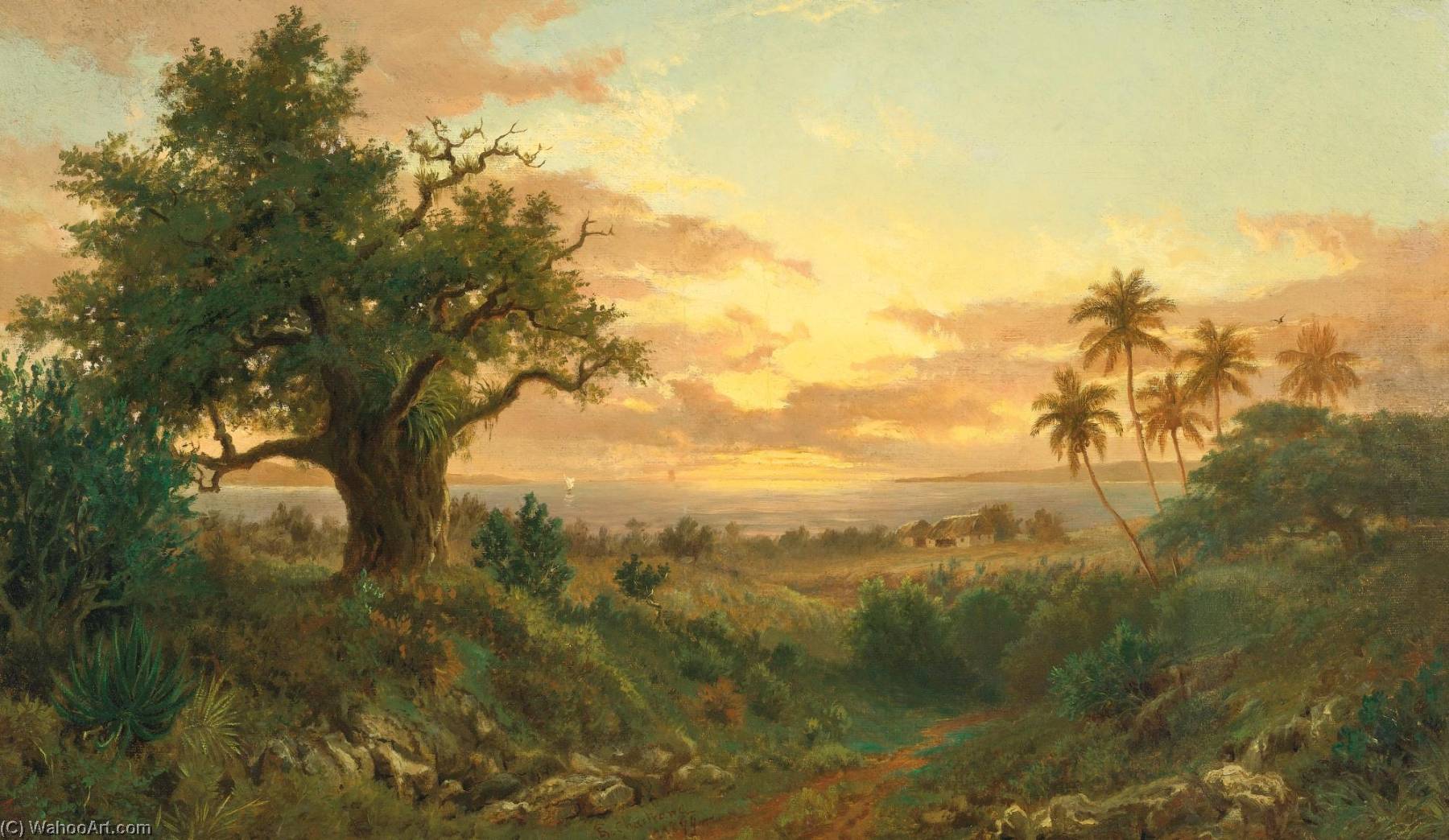
Atardecer
 43.0 x 74.0 cm
 詳細を見る
詳細を見る




































作品のオリジナル比率に合わせた、当店の規定サイズからお選びください。

特定のフレームやスペースに合わせて、ご希望のサイズをご入力いただけます。選択されたサイズが元の画像の比率と異なる場合、アートワークをトリミングするか、手描きで要素を追加して絵画を拡張いたします。デジタルモックアップ を制作し、制作開始前にご確認(承認)をいただきます。
画面上のプレビューは、実際のトリミングや拡張を正確に反映しているものではありません。最終的な構図は、モックアップによってのみ正確にご確認いただけます。
カスタムサイズもご利用いただけますが、元の比率を維持するためには、あらかじめ用意されたリストからサイズを選択することをお勧めいたします。
ご注文後、ArtsDot.com チームより詳細な指示をお送りするとともに、仕上がりイメージ(モックアップ)をご提供いたします。


 ガラスオプションは、110cm未満のサイズでのみご利用いただけます。

Atardecer
複製技法
複製画のサイズ
-


合計金額
$ 263
関連作品





アーティストの略歴
Early Life and Artistic Beginnings in Cuba
Esteban Sebastian Chartrand Dubois, born October 11, 1840, in the Limonar province of Matanzas, Cuba, emerged from a family deeply intertwined with both the prosperity of the sugar industry and an appreciation for the finer arts. His early life was significantly shaped by his mother, Luisa Carlota Dubois, a woman of considerable education who instilled in him a love for music – she was a skilled pianist – and portrait painting. This nurturing environment fostered a natural inclination towards artistic expression from a young age, setting the stage for a career that would capture the essence of 19th-century Cuban life. While details surrounding his initial formal training remain somewhat elusive, it’s clear he possessed an innate talent that propelled him toward refining his skills. The family's wealth afforded him opportunities unavailable to many aspiring artists of the time, most notably travel to France in both 1854 and 1864 – pivotal journeys that would profoundly influence his artistic development.The Influence of Barbizon School & European Studies
Chartrand’s sojourns in France were transformative. He became a pupil of Théodore Rousseau, a leading figure of the Barbizon School, a movement characterized by its realistic depictions of rural landscapes and a rejection of academic artifice. This exposure to the Barbizon aesthetic fundamentally altered Chartrand's approach to painting. The school’s emphasis on direct observation of nature, atmospheric effects, and a muted palette resonated deeply with his sensibilities. He absorbed their techniques for rendering light and shadow, and their commitment to portraying the beauty of everyday life in the countryside. However, rather than simply replicating the French landscapes he encountered, Chartrand began to envision how these principles could be adapted to capture the unique character of Cuba’s tropical environment. This period wasn't merely about technical acquisition; it was a crucial phase of artistic synthesis, where European influences were filtered through his Cuban identity and experience.A Distinctive Style: Romantic Visions of Quebec Life
Upon returning to Cuba, Chartrand embarked on a path that would establish him as one of the most prominent landscape artists of his time. He didn’t merely copy nature; he *interpreted* it. His paintings are characterized by a romanticized vision of the Cuban countryside, imbued with a poetic sensibility and dramatic tonal values. While influenced by Corot's emphasis on light and form, Chartrand often rendered these elements in darker tones than typically associated with tropical scenes, creating an evocative mood that drew viewers into his compositions. He skillfully depicted the lush flora and diverse inhabitants of rural Cuba, capturing not just their physical appearance but also a sense of their lifestyle and cultural identity. This unique approach quickly garnered recognition; he received awards for his work in Havana as early as 1866 and 1867, including accolades for “Las Flores de Oro” (The Gold Flowers) in Matanzas.Exhibitions, Recognition & Later Years
Chartrand’s artistic reputation extended beyond Cuba's borders. He exhibited at the Floral Fair of Charleston, South Carolina, in 1870 and was even offered a professorship at the San Alejandro Academy in 1876 – an honor he ultimately declined. His presentation of “Valle del Yumuri” (Yumuri Valley) at the International Exhibit for the Centennial of the United States in Philadelphia that same year further solidified his standing on the international stage. In 1881, he meticulously documented a catalogue of over one hundred oil canvases created since 1865, revealing a prolific output and dedication to his craft. Sadly, Chartrand’s life was cut short by tuberculosis. He traveled to Hoboken, New Jersey, in search of a more favorable climate for his health but succumbed to the illness on January 26, 1884.Legacy & Historical Significance
Esteban Chartrand y Dubois left behind a remarkable body of work that continues to captivate audiences today. His paintings offer a valuable glimpse into 19th-century Cuban life, portraying not only its physical beauty but also the social and cultural nuances of the era. He is celebrated as one of Cuba’s most outstanding landscape artists, bridging European artistic traditions with a distinctly Caribbean sensibility. While his works were widely exhibited during his lifetime, it wasn't until after his death that their full significance was truly appreciated. Today, approximately forty-seven of his oil canvases are housed in Cuban museums, and numerous private collections across America preserve his legacy for future generations. His paintings stand as testaments to a unique artistic vision—a romantic interpretation of nature filtered through the poetic eye of a master painter who dared to translate reality into emotional undercurrents and dramatic tones.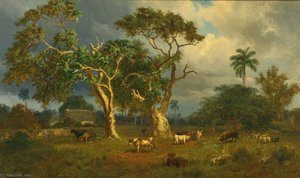
esteban chartrand y dubois
1840 - 1884
基本情報
- Artistic Movement Or Style: Romanticism
- Artists Or Movements Influenced By This Artist: ['Hudson River School']
- Artists Who Influenced This Artist:
- Eugène Delacroix
- Jean-François Millet
- Date Of Death: 1884
- Full Name: Esteban Chartrand y Dubois
- Nationality: Canadian
- Notable Artworks:
- Atardecer
- Landscape
- Paisaje Cubano
- Place Of Birth: Montreal, Quebec

