

 プレビュー
プレビュー
 プリントを購入
 シェアする
シェアする シェアする
シェアする
 詳細を見る
詳細を見る

 ダウンロード
 似ている作品
 X線調査
X線調査 スライドショー
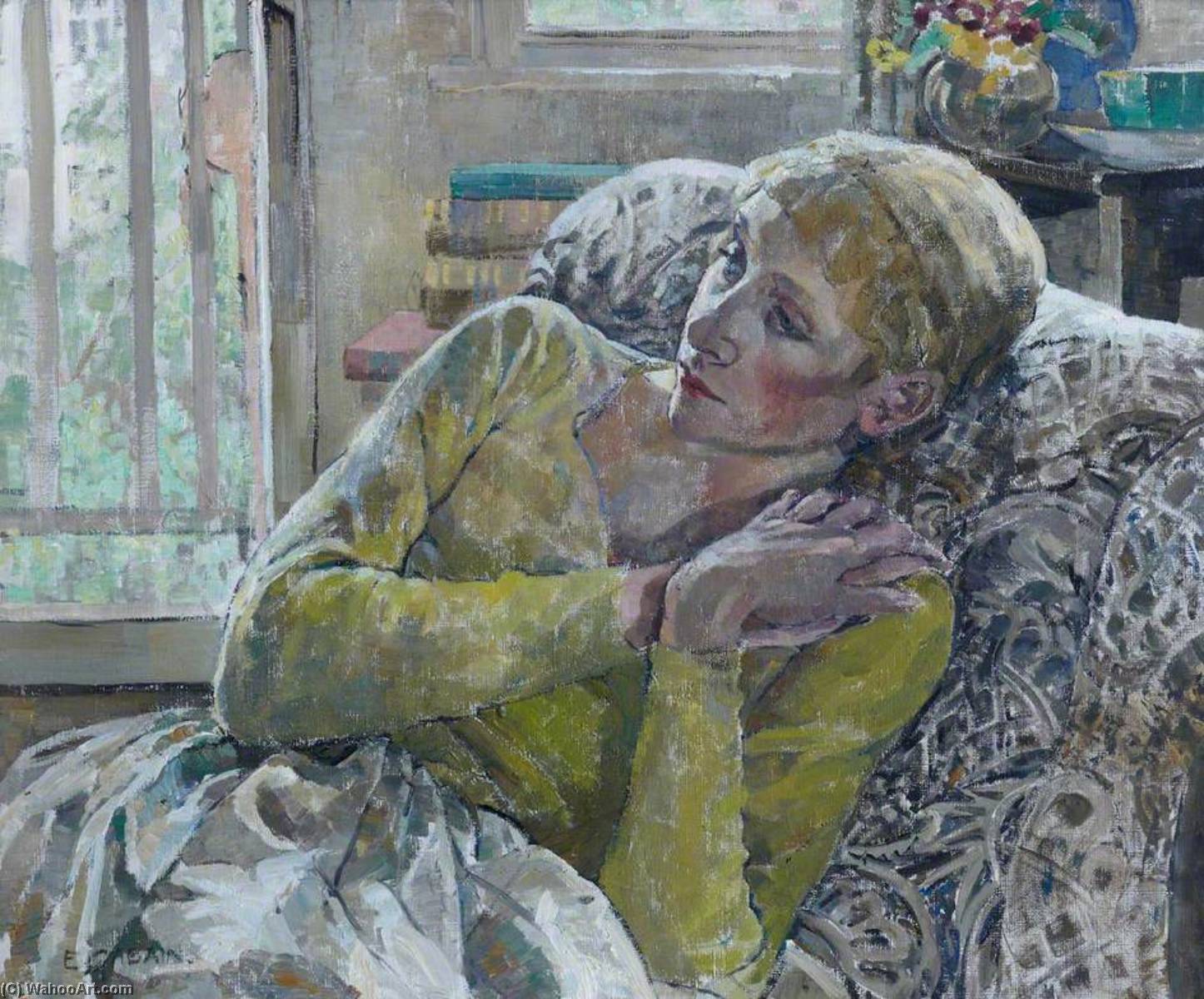
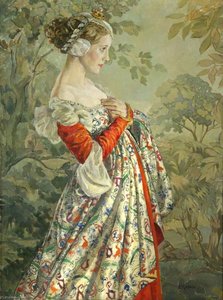
Après midi de jeune fille
 Oil On Canvas
- WallArt
- Contemporary Realism
 1936
1936 51.0 x 61.0 cm
 Royal Scottish Academy of Art - Architecture
 詳細を見る
詳細を見る




P118B $10

P118H $10

P118W $10

P438Z $10

P508JH $12

P508YH $12

P805H $10

P805Z $10

P919BZ $10

P919G $10

P919XJ $10

P959ZH $10

P968JZ $12

W106C $8

W218G $10

W218JH $8

W218Y $10

W307PJ $10

W316G $10

W316PJ $8

W316Y $10

W398PJ $8

W4111J $10

W500HY $15

W500JH $15

W692G $12

W849H $8

W940BG $15

W953PJ $8




作品のオリジナル比率に合わせた、当店の規定サイズからお選びください。

特定のフレームやスペースに合わせて、ご希望のサイズをご入力いただけます。選択されたサイズが元の画像の比率と異なる場合、アートワークをトリミングするか、手描きで要素を追加して絵画を拡張いたします。デジタルモックアップ を制作し、制作開始前にご確認(承認)をいただきます。
画面上のプレビューは、実際のトリミングや拡張を正確に反映しているものではありません。最終的な構図は、モックアップによってのみ正確にご確認いただけます。
カスタムサイズもご利用いただけますが、元の比率を維持するためには、あらかじめ用意されたリストからサイズを選択することをお勧めいたします。
ご注文後、ArtsDot.com チームより詳細な指示をお送りするとともに、仕上がりイメージ(モックアップ)をご提供いたします。


 ガラスオプションは、110cm未満のサイズでのみご利用いただけます。

Après midi de jeune fille
複製技法
複製画のサイズ
-


合計金額
$ 263
Après midi de jeune fille – A Moment of Quiet Contemplation
Ethel Léontine Gabain’s “Après midi de jeune fille” (A Young Woman's Afternoon), completed circa 1936, isn’t merely a depiction of a woman seated in an armchair; it’s a distillation of mood and atmosphere—a snapshot of introspective stillness captured with remarkable precision. Painted in Neo-Romanticism style, Gabain eschewed grand narratives for subtle observation, prioritizing the emotional resonance of her subject matter over stylistic bravado. This decision speaks volumes about Gabain's artistic philosophy: to convey profound feeling through understated beauty. The painting’s immediate impact is one of serene melancholy. Gabain skillfully employs muted tones—primarily creams and browns—to create a sense of warmth and intimacy, mirroring the soft light filtering through the window onto her subject’s face. The woman herself occupies the center stage, gazing outwards with an expression that hints at thoughtfulness and perhaps wistful longing. Her posture is relaxed yet attentive, conveying a quiet dignity that transcends mere pose. Gabain's meticulous attention to detail—the folds of fabric draped across the chair, the delicate lattice pattern of the window frame—grounds the scene in tangible reality while simultaneously elevating it beyond the commonplace.Technique and Material Considerations
Gabain’s masterful technique is characterized by a thick impasto application of oil paint, particularly noticeable on the chair upholstery and around the edges of the canvas. This textural richness isn't simply decorative; it actively contributes to the painting’s emotional depth. The raised surface captures light in unexpected ways, creating shimmering highlights that illuminate the woman’s face and subtly emphasizing her gaze. Gabain’s layering of brushstrokes builds up volume and form, mirroring the contours of the human body and conveying a palpable sense of presence. Furthermore, Gabain's use of color is deliberate—avoiding jarring contrasts to foster an atmosphere of contemplative calm. The palette reflects Gabain’s sensitivity to light and shadow, capturing the nuances of interior illumination with remarkable accuracy.Historical Context and Artistic Influences
Gabain’s work emerged during a period of significant artistic experimentation in Britain, influenced by movements like Neo-Romanticism which sought to recapture the spirit of earlier Romantic painters—artists who prioritized emotion and imagination over strict realism. Gabain's exploration of psychological portraiture aligns with this trend, reflecting a fascination with capturing inner states rather than simply presenting external appearances. The painting’s quiet contemplation speaks to the broader cultural preoccupation with introspection during the interwar years, mirroring anxieties about societal change alongside an appreciation for beauty and solitude. Gabain’s membership in the Senefelder Club—a group of British artists dedicated to lithography—further illuminates her artistic sensibilities. Lithography, known for its tonal qualities and ability to reproduce images with exceptional fidelity, demanded a careful consideration of color and texture. Gabain's embrace of this medium underscores her commitment to conveying nuanced emotional expression through visual artistry.Symbolism: Window and Chair – Vessels of Reflection
The window serves as more than just a source of illumination; it symbolizes connection—a link between the interior world of contemplation and the external realm of experience. Gabain’s depiction captures this duality, suggesting that true understanding arises from observing both inner thoughts and outward surroundings. Similarly, the armchair represents comfort and solitude—a space for quiet reflection and introspection. The woman's gaze directs our attention inward, prompting us to consider themes of vulnerability, resilience, and the beauty found in moments of stillness. Gabain’s “Après midi de jeune fille” remains a testament to her ability to transform simple observation into profound artistic expression.関連作品


アーティストの略歴
光と影に刻まれた生涯
エセル・レオントゥィン・ガバンという名前は、同時代の芸術家の中には必ずしもすぐに認識されるものではありませんが、20世紀初頭の英国美術の物語において重要な位置を占めています。1883年にフランスのル・アーブルで、フランス人の父とスコットランド人の母のもとに生まれたガバンの芸術的旅は、並外れた独立心と静かな革新に満ちたものでした。彼女の物語は単なる画家や版画家の話ではなく、揺れ動く美術界をナビゲートしながら、揺るぎない献身をもって独自の道を切り開いた女性の話です。彼女の遺産 – フランス芸術の伝統と英国的な感性の両方に足を踏み入れている – は、彼女の示唆に富む作品に反映されたユニークな視点を形作りました。幼い頃から、彼女は並外れた視覚的表現への才能を示し、ワイカム・アビー・スクールでの教育中に頭教師を描くという初期のコミッションを受けました。これは彼女の芽生えた才能の初期の兆候でした。この基盤により、ロンドンの名門スレード美術学校や、その後パリのラファエル・コランのスタジオへと進み、F.E.ジャクソンの指導のもと、セントラル・スクール・オブ・アーツ・アンド・クラフツでリトグラフィーの複雑さを習得するためにロンドンに戻りました。リトグラフ革命
ガバンの初期のキャリアは、光、影、テクスチャのユニークな相互作用を可能にしたリトグラフィーの習熟によって深く定義されました。版画がしばしば絵画に劣る時代において、ガバンは印刷物の販売だけで生計を立てることができた数少ない芸術家の一人として際立っていました。この業績は彼女のスキルと彼女の芸術的ビジョンの説得力について雄弁な証です。彼女は単にイメージを複製していたのではなく、雰囲気を作り出し、リトグラフに聴衆の心に響く独特のムードを与えていました。このメディアへのコミットメントを確固たるものにした重要な瞬間は、リトグラフィーを正当で尊敬される芸術形式として宣伝することに専念する組織であるセネフェルダー・クラブの創設メンバーになったことです。このクラブは版画に取り組むアーティストにとって不可欠なプラットフォームを提供し、コラボレーションを促進し、その可能性を高めました。彼女のリトグラフ作品は、しばしば孤独な環境で描かれた憂鬱な若い女性を特徴とし、彼らの表情は語られない物語と内面の葛藤を示唆していました。彼女のお気に入りのモデルであるカーメン・ワトソンは、60回以上の描写を通してこれらの内省的な研究の顔となり、彼女への忠誠心と特定の美学の永続的な力を示す証となりました。版画からキャンバスへ:変化する風景
芸術界はめったに静的ではなく、ガバンのキャリアはその進化し続ける流れを反映していました。1924年頃、経済的圧力と印刷物市場の衰退に直面した彼女は、油絵への焦点を移行し始めました。この転換はリトグラフィーへの不満から生まれたのではなく、むしろ変化する状況に対する現実的な対応でした。彼女が展示した最初の油絵「ジニア」は批評家の称賛を受け、新しいメディアへの成功した適応を示しました。彼女は版画の特徴である繊細さと大気品質を維持しながらも、絵画はより大きな色とテクスチャの探求を可能にしました。この時期にはまた、著名な女優ペギー・アッシュクロフト、エディス・エヴァンス、フローラ・ロブソンなどの肖像画で評判を得ました。これらの肖像画は単なる物理的な外観の表現ではなく、個性とパフォーマンスに関する洞察力に富んだ研究でした。認識と回復力の遺産
ガバンの才能は芸術界から見過ごされることはありませんでした。彼女は1932年に英国王立芸術家協会(RBA)にも選出され、1933年には英国王立油絵画家協会にも選出され、英国美術界における彼女の地位を確固たるものにしました。フローラ・ロブソンがレディ・オーデリー役で描かれた彼女の肖像画は、RBAから権威あるデ・ラスロ・シルバーメダルを獲得し、彼女の肖像画家としてのスキルを証明するものでした。しかし、第二次世界大戦中、ガバンの作品はさらに重要な意味を持つようになりました。戦争芸術家として委嘱された彼女は、子供たちの避難を描いたリトグラフを作成しました – 特に「7月2日のサウスエンドからの子供たちの避難」– 紛争の影響を受けた人々の恐怖、不確実性、回復力を捉えました。1940年、彼女は女性芸術家協会会長を務め、芸術界におけるリーダーシップをさらに示しました。エセル・レオントゥィン・ガバンは1950年に亡くなり、今日まで魅了し続ける作品を残しました。彼女の遺産は単なる芸術的業績に留まらず、彼女の工芸品への揺るぎない献身、変化する状況に適応する能力、そして困難な時代に女性芸術家として成功するための静かな決意にあります。彼女は継続的な認識と感謝に値する貢献をした魅力的な人物です。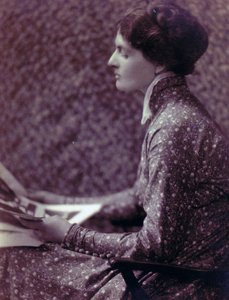
エセル・レオントゥィン・ガバン
1883 - 1950 , フランス
基本情報
- Artistic Movement Or Style: リトグラフ、油絵
- Artists Who Influenced This Artist:
- ラファエル・コラン
- F.E.ジャクソン
- Date Of Birth: 1883年
- Date Of Death: 1950年
- Full Name: エセル・レオントゥィン・ガバン
- Nationality: フランス系スコットランド人
- Notable Artworks:
- 冬の陽光
- 少女の午後
- ジュリエット役ペギー・アッシュクロフト
- 子供たちの避難
- Place Of Birth (City And Country): フランス、ル・アーブル
関連記事

Romantic Realism's Finest: 10 Masterpieces for Your Home | ArtsDot
Explore 10 defining masterpieces of Romantic Realism! Discover Courbet, Millet & Daumier's powerful paintings—capturing emotion and social realities. Find museum-quality reproductions for your home at ArtsDot.com.

Oil on Canvas: A Historical & Technical Exploration of a Timeless Artistic Medium
Explore the rich history & enduring techniques of oil painting on canvas. Discover the science behind its longevity, conservation practices, and contemporary relevance. Expert insights for art enthusiasts.

The Enduring Legacy of Oil on Canvas: Technique, History & Aesthetic Impact
Explore the rich history & techniques of oil painting – from Renaissance masters to Impressionism. Discover pigments, layering methods, and why this timeless medium endures. Expert insights for artists & art enthusiasts.

The Enduring Power of Painting: A Historical & Contemporary Exploration of Form and Emotion
Explore the rich history & enduring techniques of oil painting with ArtsDot. Discover masterpieces, learn about art collecting, and find authentic handmade reproductions crafted by skilled artists.

油彩のキャンバス:技法、歴史、そして現代の実践 - 古典美術愛好家へ
油彩の技法、歴史、巨匠たちの秘密を徹底解説。古典美術愛好家向けに、初期フランドル絵画から現代の実践まで深く掘り下げます。ArtsDotで高品質な複製画やカスタムオーダーも承ります。

