

 プレビュー
プレビュー
 プリントを購入
 シェアする
シェアする シェアする
シェアする
 詳細を見る
詳細を見る

 ダウンロード
 似ている作品
 X線調査
X線調査 スライドショー
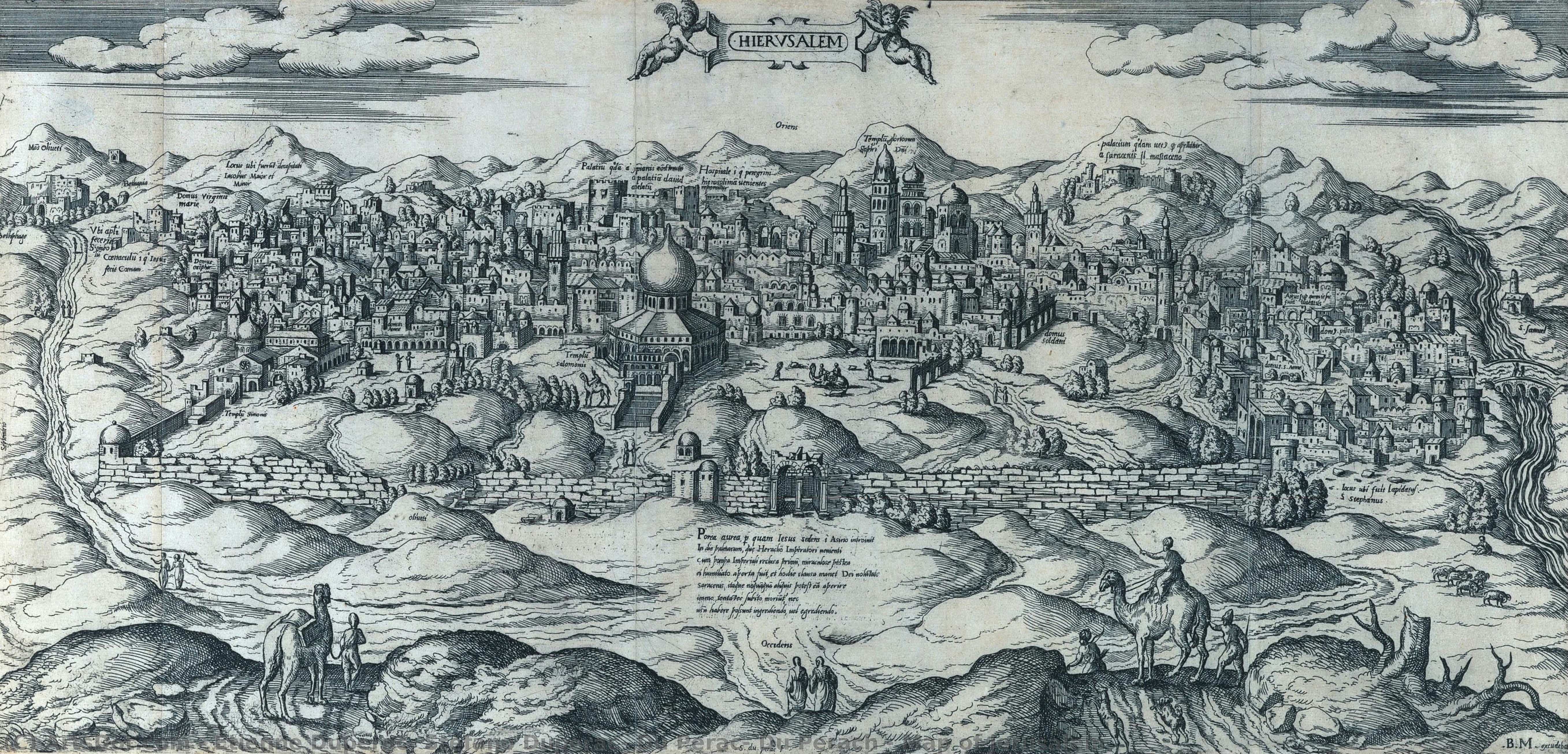
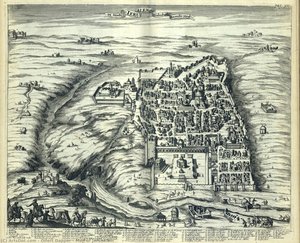
Map of Jerusalem
 1570
1570 31.0 x 65.0 cm
 イスラエル国立図書館
 詳細を見る
詳細を見る




































作品のオリジナル比率に合わせた、当店の規定サイズからお選びください。

特定のフレームやスペースに合わせて、ご希望のサイズをご入力いただけます。選択されたサイズが元の画像の比率と異なる場合、アートワークをトリミングするか、手描きで要素を追加して絵画を拡張いたします。デジタルモックアップ を制作し、制作開始前にご確認(承認)をいただきます。
画面上のプレビューは、実際のトリミングや拡張を正確に反映しているものではありません。最終的な構図は、モックアップによってのみ正確にご確認いただけます。
カスタムサイズもご利用いただけますが、元の比率を維持するためには、あらかじめ用意されたリストからサイズを選択することをお勧めいたします。
ご注文後、ArtsDot.com チームより詳細な指示をお送りするとともに、仕上がりイメージ(モックアップ)をご提供いたします。


 ガラスオプションは、110cm未満のサイズでのみご利用いただけます。

Map of Jerusalem
複製技法
複製画のサイズ
-


合計金額
$ 263
関連作品




アーティストの略歴
Étienne Dupérac: Architect of Roman Vision
Étienne Dupérac (c. 1525 – 1604), born in Bordeaux, France, stands as a pivotal figure within the artistic landscape of the Renaissance, particularly renowned for his contributions to architectural illustration and topographical maps of ancient Rome. While overshadowed by contemporaries like Michelangelo and Raphael, Dupérac’s meticulous renderings captured the grandeur and complexity of Roman monuments with unparalleled precision—a testament to his dedication and skill as an engraver, painter, architect, and cartographer. His legacy resides not merely in individual artworks but in establishing a new standard for visual representation during a period obsessed with classical ideals.- Early Life & Training: Dupérac’s formative years were spent honing his artistic talents under the tutelage of Jean Goujon, a celebrated sculptor and architect who championed the revival of Roman architectural styles. This mentorship instilled in Dupérac a profound appreciation for classical forms and techniques—a cornerstone of his subsequent oeuvre.
- Rome & Architectural Illustration: Dupérac’s arrival in Rome around 1559 marked a transformative moment in his career, propelling him into the epicenter of artistic innovation. He swiftly gained recognition as an illustrator of architectural designs, producing breathtaking depictions of temples, basilicas, and public spaces—works that served as invaluable guides for scholars and architects alike.
- Notable Projects: Dupérac’s prolific output encompassed ambitious undertakings such as the Speculum Romanae Magnificentiae (Mirror of Roman Magnificence), a monumental panoramic map showcasing Rome's architectural achievements; detailed plans of Saint Peter’s Basilica, reflecting the burgeoning Baroque style; and reconstructions of ancient sites like Pompeii and Herculaneum.
- Technique & Style: Dupérac’s artistic approach was characterized by meticulous observation and painstaking execution—traits evident in his engravings and paintings alike. He skillfully employed hatching and shading to convey depth and texture, achieving remarkable realism that surpassed many of his peers. His prints are distinguished by their clarity and accuracy, cementing his reputation as a master of topographical representation.
- Legacy & Influence: Dupérac’s influence extended beyond the immediate visual realm, shaping perceptions of Roman antiquity and inspiring subsequent generations of artists. He championed the revival of classical ideals—a movement that profoundly impacted European art and architecture throughout the 17th century. His meticulous drawings continue to be studied by historians and scholars today, underscoring his enduring contribution to artistic history.
Key Works: Capturing Roman Grandeur
Dupérac’s artistic output yielded several masterpieces that exemplify his mastery of architectural illustration. The Speculum Romanae Magnificentiae remains arguably his most ambitious project—a sprawling panorama depicting Rome's monumental buildings with breathtaking detail and perspective. Similarly, his plans for Saint Peter’s Basilica showcased the burgeoning Baroque style while simultaneously honoring Roman precedents. Furthermore, Dupérac’s reconstructions of Pompeii and Herculaneum offered unprecedented insights into the daily life and architectural splendor of ancient Roman civilization—works that cemented his position as a pioneer in archaeological visualization.- Speculum Romanae Magnificentiae: This monumental map meticulously documented Rome's architectural landscape, utilizing innovative techniques to convey depth and spatial relationships.
- Saint Peter’s Basilica Plans: Dupérac’s designs for Saint Peter’s Basilica incorporated classical elements while embracing the Baroque aesthetic—a harmonious blend of tradition and innovation.
- Pompeii & Herculaneum Reconstructions: Dupérac's reconstructions provided invaluable visual representations of Pompeii and Herculaneum, capturing the essence of Roman urban life and architectural grandeur.
Beyond Illustration: Expanding Artistic Horizons
While Dupérac’s fame rests primarily on his architectural drawings, he possessed considerable talent as a painter—primarily focusing on landscapes that reflected the serene beauty of the French countryside. His artistic versatility extended beyond visual arts; he also dabbled in sculpture and served as an architect for various ecclesiastical commissions. These diverse pursuits demonstrate Dupérac's intellectual curiosity and commitment to mastering multiple disciplines—a characteristic that distinguishes him from many artists of his era.- Landscape Paintings: Dupérac’s landscapes captured the tranquil charm of France, employing subtle tonal variations to convey atmospheric depth and realism.
- Sculptural Commissions: He undertook several sculptural projects—primarily religious commissions—demonstrating his artistic skill beyond drawing and painting.
Historical Significance & Lasting Influence
Étienne Dupérac’s work stands as a testament to the Renaissance spirit of humanist inquiry and artistic experimentation—a period marked by an ardent fascination with classical antiquity. His meticulous renderings of Roman monuments profoundly impacted scholarly understanding of ancient Rome, shaping perceptions of architectural history for centuries to come. Moreover, Dupérac's advocacy for reviving classical ideals contributed significantly to the broader cultural transformation that characterized Europe during the 17th century—a legacy that continues to inspire artists and scholars alike.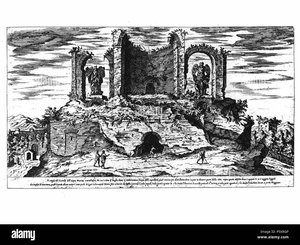
étienne dupérac, stefano duperac, du perac, du perach
1604 , France
基本情報
- Artistic Movement Or Style: Renaissance
- Artists Or Movements Influenced By This Artist: ['Bartolomeo Faleti']
- Artists Who Influenced This Artist: ['']
- Date Of Birth: Around 1525
- Full Name: Étienne Dupérac
- Nationality: French
- Notable Artworks:
- Topographical Map of Ancient Rome
- The Coronation of Cosimo I de' Medici
- Ichnographia Templi Divi Petri [Plan of Saint Peter's Basilica in Rome]
- Place Of Birth: Bordeaux, France

