

 シェアする
シェアする シェアする
シェアする
 詳細を見る
詳細を見る

 ダウンロード
 似ている作品
 スライドショー
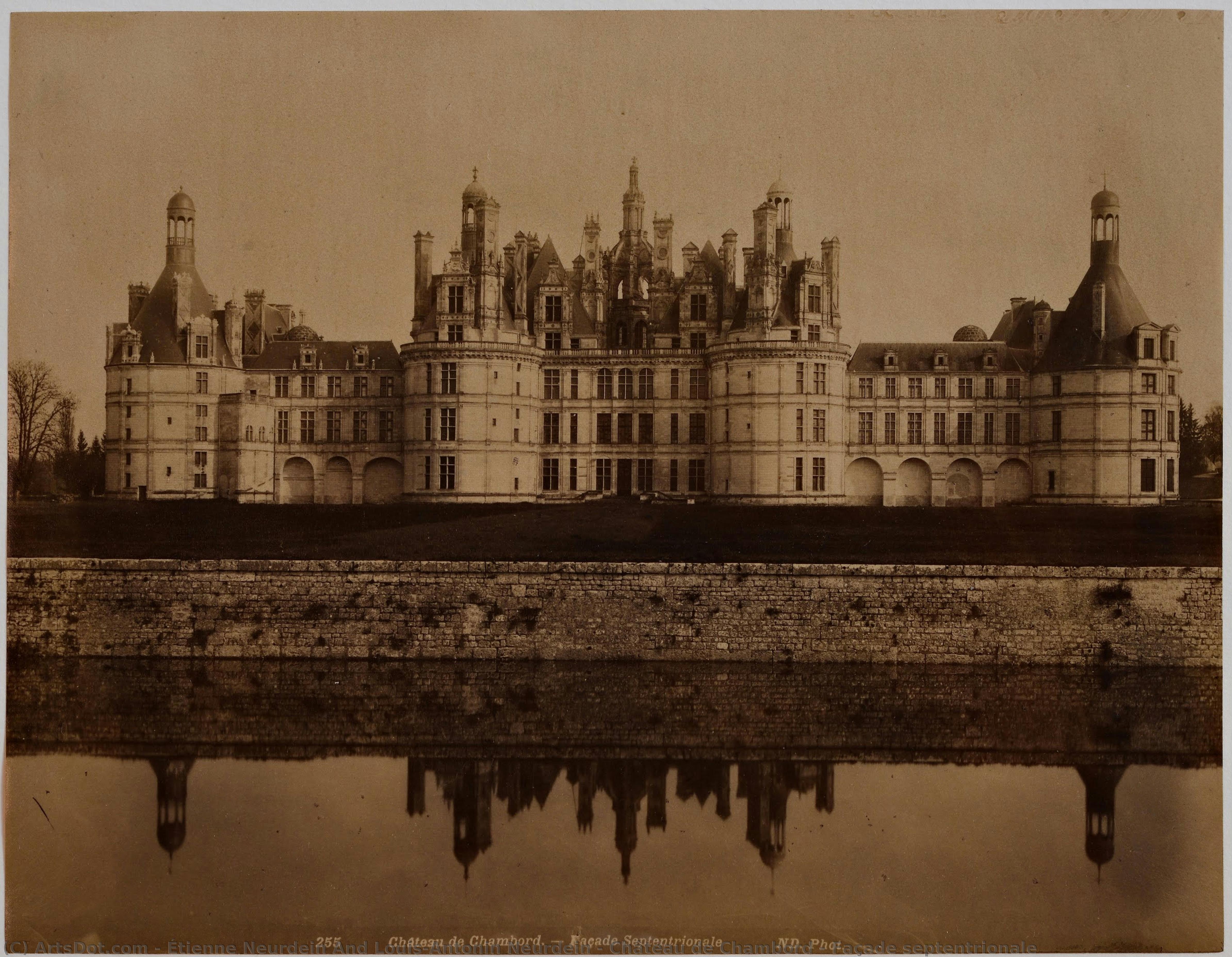
Château de Chambord - Façade septentrionale


 詳細を見る
詳細を見る
ジークレー/アートプリント
迅速な制作と多彩な仕上げオプションを備えた、ミュージアムクオリティのジークレーまたはキャンバスプリント。 ( 手描きの絵画を購入 画像を購入)




































作品のオリジナル比率に合わせた、当店の規定サイズからお選びください。

特定のフレームやスペースに合わせて、ご自身でサイズを指定することも可能です。選択されたサイズが元の画像の比率と一致しない場合、作品をトリミングするか、鏡面反射または単色での塗りつぶしによって画像を拡張いたします。制作を開始する前に、ご確認用のデジタルモックアップをお送りいたします。
画面上のプレビューには、実際のトリミングや拡張は反映されませんのでご注意ください。最終的な構図を正確に確認できるのは、モックアップのみとなります。
カスタムサイズも承っておりますが、元の比率を維持するためには、あらかじめ用意されたリストからサイズを選択することをお勧めいたします。


 ガラスオプションは、110cm未満のサイズでのみご利用いただけます。

Château de Chambord - Façade septentrionale
ジークレー/アートプリント
複製画のサイズ
-


合計金額
$ 62
A Glimpse into the Belle Époque: Étienne Neurdein’s Château de Chambord
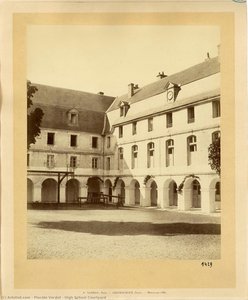
This captivating black and white photograph, “Château de Chambord – Façade septentrionale,” offers a poignant window into France's rich architectural heritage during the late 19th century. Captured by Étienne Neurdein, part of the esteemed Neurdein Frères photographic dynasty, this image transcends mere documentation; it’s a testament to the brothers’ artistic vision and their pivotal role in shaping the visual landscape of Europe. The photograph, dated 1890, showcases the imposing façade of Château de Chambord, one of France's most iconic Renaissance castles, a structure that embodies power, artistry, and the enduring legacy of French monarchy.
The Neurdein Frères: Masters of Parisian Landscape Photography
- A Family Legacy: Étienne and Louis-Antonin Neurdein were not simply photographers; they were custodians of a photographic tradition, inheriting their father Jean-Baptiste Neurdein’s artistic sensibilities. Their studio in Paris became renowned for its meticulous attention to detail and its ability to imbue everyday scenes with an undeniable aesthetic quality.
- Commercial Innovation: The Neurdeins' success stemmed from a shrewd understanding of the burgeoning market for photographic prints, particularly postcards. They skillfully leveraged their expertise to supply images of significant landmarks – including Chambord – to the prestigious “boutique des concierges,” ensuring widespread distribution and lasting impact.
- A Collaborative Effort: The photograph’s creation represents a collaborative effort, highlighting the brothers' shared artistic vision and technical prowess. Their combined skill resulted in an image that is both technically masterful and emotionally resonant.
Technical Brilliance and Historical Context
The photograph’s stark black and white tones evoke a sense of timelessness, transporting the viewer back to the late 19th century. Étienne Neurdein's mastery is evident in the sharp detail with which he captures the castle’s intricate stonework, the graceful arches of its windows, and the imposing presence of its towers. The inclusion of a clock within the scene further anchors the image in its historical context, suggesting a moment frozen in time – a characteristic feature of many photographs from this era. This particular view was part of a larger collection of 400 images produced for postcard distribution, demonstrating the Neurdein Frères’ significant contribution to the popularization of landscape photography.
Symbolism and Emotional Resonance
Château de Chambord itself is laden with symbolism. Built by King François I in the 16th century, it represents the height of Renaissance architecture and French power. The castle’s grandeur evokes a sense of awe and wonder, while its imposing scale speaks to the ambition and artistry of its creators. Neurdein's photograph captures not just a building but also an era – the Belle Époque – characterized by optimism, technological innovation, and a renewed appreciation for beauty and tradition. The image’s quiet dignity suggests a bygone age, inviting contemplation on the passage of time and the enduring power of architectural legacy.
関連作品
![Vida De Miguel De Cervantes Saavedra (life Of Miguel De Cervantes Saavedra). Book V Of The Edition Of Don Quixote (biblioteca Nacional De España)\n\n[7] — Martín Fernández De Navarrete Y Ximénez De Tejada, Academic Art](/media/artworks/images-thumb/8c/b6/8cb67a4dd450447373a546c8dd039e57.jpg)
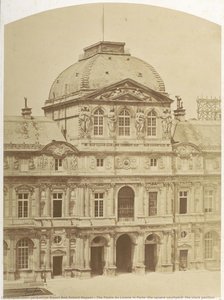
![[the Cour Napoléon Looking Towards The Tuileries, Louvre, Paris] — Édouard-denis Baldus, Academic Realism](/media/artworks/images-thumb/9f/ab/9fab8474e3a2a9ec8f7fb1ba65878363.jpg)
アーティストの略歴
The Visionary Lens of Neurdein Frères
In the golden twilight of the Belle Époque, few names resonated with as much prestige and panoramic grandeur as Neurdein Frères. The partnership of Étienne Neurdein and his brother Louis-Antonin was far more than a mere commercial enterprise; it was a profound visual odyssey that captured the very soul of a changing Europe. Born into a lineage of artistic tradition—with Étienne being the son of the painter Jean-Baptiste Neurdein and the photographer César Adolphe Neurdein—the brothers possessed an innate understanding of composition and light. They did not merely document reality; they curated it, transforming the burgeoning medium of photography from a scientific curiosity into a sophisticated art form that celebrated the monumental and the ethnographic with equal fervor.
The studio’s evolution was marked by a relentless pursuit of the spectacular. While Étienne managed the prestigious Paris studio and mastered the delicate nuances of portraiture, Louis-Antonim became a wanderer of the world, venturing far beyond the Seine to capture the sun-drenched landscapes of North Africa and the Mediterranean. Their work often bridged the gap between the familiar and the exotic, offering 19th-century audiences a window into the architectural majesty of the Middle East and the vibrant, daily rhythms of Algerian life. Through their sepia-toned albumen prints, the distant sands of Biskra or the bustling streets of Tunis felt intimately close, rendered with a meticulous attention to tonal harmony that echoed the classical paintings of their ancestors.
A Legacy Written in Light and Iron
The zenith of their professional acclaim arrived during an era of unprecedented global celebration. At the Exposition Universelle of 1889, the brothers achieved a milestone that would forever cement their place in history, winning the gold medal for photography. It was during this period that their lens fell upon the most iconic symbol of modern engineering: the Eiffel Tower. Their detailed studies of the tower’s campanile and the surrounding Trocadéro panoramas captured not just a structure of iron, but the very heartbeat of French progress and industrial triumph.
Beyond the grand monuments of France, the Neurdein brothers left an indelible mark on the historical record through several key contributions:
- Architectural Documentation: Their precise and evocative captures of landmarks such as Notre Dame Cathedral and the Château de Chambord provided a definitive visual archive of European heritage.
- Ethnographic Exploration: Through their travels, they documented the diverse peoples and customs of the Mediterranean Basin, creating a rich tapestry of human culture in the late 19th century.
- Commercial Innovation: As prolific publishers of postcards and stereoscopic views, they helped democratize art, allowing the beauty of distant landscapes to enter the homes of the burgeoning middle class.
As the decades progressed, the firm underwent various transformations, eventually merging into larger photographic entities like Lévy et Neurdein réunis. Yet, the essence of their work remained unchanged. Whether capturing a bust of Napoleon III or the sweeping vistas of the French Riviera, the brothers maintained a signature aesthetic—a blend of technical precision and romantic sensibility. Today, the archives of Neurdein Frères serve as a hauntingly beautiful time capsule, reminding us of an era when photography first learned to speak the language of poetry, turning the fleeting light of a moment into an eternal monument of art.
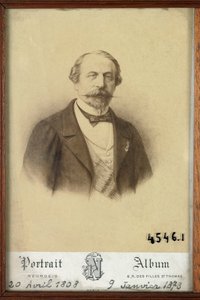
étienne neurdein and louis-antonin neurdein
1832 - , France
基本情報
- Artistic Movement Or Style: Commercial Photography
- Artists Or Movements Influenced By This Artist: ['Howard Bourne & Shepherd']
- Date Of Birth: Paris, France (1832)
- Date Of Death: Living
- Full Name: Étienne Neurdein and Louis-Antonin Neurdein
- Nationality: French
- Notable Artworks:
- The 1900 Paris Exposition
- Château de Chambord - Façade Septentrionale
- Le Mont Saint-Michel, La Grande Rue
- Place Of Birth: Paris
関連記事

White on Canvas: 10 Masterpieces & Timeless Elegance for Your Home Decor
Explore 10 iconic white paintings by Monet, Whistler & Rothko! Discover the stories behind these serene masterpieces and their impact on art history. Find museum-quality reproductions for your home decor at .

ゴヤ傑作25選:スペインの魂を揺さぶる、深遠な芸術の世界 | ArtsDot
ゴヤ傑作25選:ロマン主義を代表するスペインの巨匠、フランシスコ・デ・ゴヤの世界へ。黒衣の女からマハまで、魂を揺さぶる絵画の物語と技法を紐解きます。ArtsDotで高品質なアートレプリカを見つけ、インテリアに深みと風格を。今すぐコレクションをご覧ください。

Dark Masterpieces: 10 Iconic Paintings Dominated by Black Tones |
Explore 10 iconic paintings dominated by black tones, from Rembrandt’s chiaroscuro to Goya's dark expressions. Discover the stories behind these masterpieces & find museum-quality art reproductions for your home at .

About Us
Discover our story! We bring world-class art into your life through expert curation, personalized creations, and free previews. Trusted by individuals and businesses since 2000.

Monochrome Visions: Exploring the Aesthetic & Historical Significance of Black & White Photography
Explore the rich history & artistic power of black and white photography. From early techniques to iconic masters like Ansel Adams, discover why monochrome continues to captivate art lovers today. Expert insights for collectors.