

 プレビュー
プレビュー
 シェアする
シェアする シェアする
シェアする
 詳細を見る
詳細を見る

 ダウンロード
 似ている作品
 X線調査
X線調査 スライドショー
 統計情報
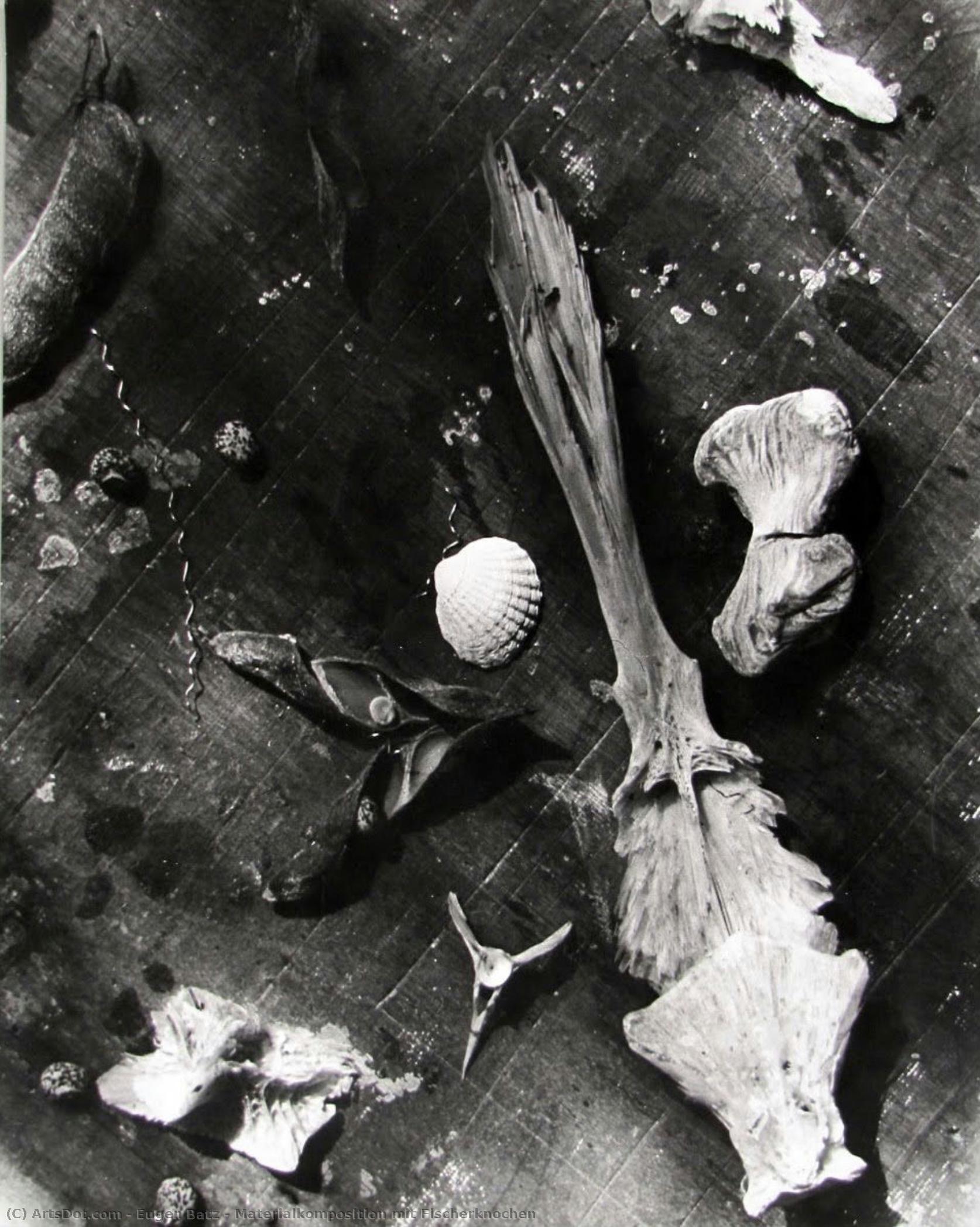
統計情報Materialkomposition mit Fischerknochen

 詳細を見る
詳細を見る
オンラインプレビューをはるかに凌ぐ、高解像度で鮮明なデジタル画像をご購入いただけます。
各ファイルは、社内の専門家が高度なツールと熟練した手作業によるレタッチを用いて、細心の注意を払って準備されています。すべての画像において、卓越した鮮明度、正確な色彩再現性、そして繊細なディテールを保証いたします。
最終ファイルは、プロフェッショナルな編集・印刷環境ですぐにご利用いただけるよう最適化された状態で、72時間以内にメールにてお届けいたします。これは、一流のデザインスタジオ、出版社、ギャラリーから信頼されているものと同等の品質です。
デジタルアート
個人での鑑賞、印刷、クリエイティブなプロジェクト用に、高解像度ファイルをダウンロードできます。 ( プリント版に切り替え 手描きの絵画を購入)
デジタル画像のご注文に付随する特典
高品質なデジタル画像配信を、確かな品質で。
ArtsDot.com を選ぶことは、単に画像を手に入れることではありません。それは、プロの手によって精密に仕上げられ、満足保証が付いた高品質なデジタルアートワークを受け取ることを意味します。ご注文いただいた際に自動的に付随する内容は、以下の通りです:

メールですぐにお届け
ご注文から72時間以内に、高解像度のデジタル画像ファイルがメールでお手元に届きます。すぐにそのままご利用いただけます。

AI技術で最適化されたデジタルファイル
お客様の作品は、高度なAIツールと専門家による手作業の編集を組み合わせてプロフェッショナルに最適化されており、細部のディテール、鮮明さ、そして正確な色再現性を最大限に引き出しています。

一生涯無料の再送サービス
ファイルを誤って削除したり、紛失してしまったりしましたか?ご安心ください。いつでも無料で再送いたします。

輸入手数料は一切かかりません
関税や手数料、配送料を気にすることなく、お気に入りのアートワークをすぐにお楽しみいただけます。デジタルダウンロードは常に免税です。

色彩再現の保証
プロ仕様のツールとカラーマネジメント技術を用いることで、デジタル画像が元の色を最大限に忠実に再現することを保証いたします。

100日間満足保証
ご購入いただいたデジタル画像にご満足いただけない場合は、100日以内であれば、理由を問わず修正または100%の返金対応をさせていただきます。

100% 返金保証
ご満足いただけない場合は、デジタルファイルを受け取ってから100日以内であれば、理由を問わず全額返金いたします。

まとめ買い割引
3枚購入で10%OFF - 5枚購入で15%OFF - 10枚以上購入で20%OFF。クリエイティブなプロジェクト、ギャラリー、エージェンシーに最適です。
関連作品








作家の略歴
Early Life and Bauhaus Foundations
Eugen Batz, born in Velbert, Germany, in 1905, embarked on a creative journey that would see him become a significant figure within the landscape of abstract art in the 20th century. His initial path wasn’t one traditionally paved for an artist; he apprenticed in his family's barrel-turning business, eventually co-owning it before dedicating himself fully to painting and photography in the late 1920s. This early grounding in craftsmanship, however, would subtly inform his later work—a meticulous attention to material composition and structure that belies the seeming spontaneity of his abstract forms. The pivotal moment arrived with Batz’s enrollment at the Bauhaus in Dessau in 1929. This was a period of intense experimentation and intellectual ferment, and the school's ethos profoundly shaped his artistic development.
At the Bauhaus, Batz benefited from the tutelage of luminaries like Josef Albers, whose preliminary course instilled a rigorous understanding of color theory and form relationships. He further honed his skills in photography under Walter Peterhans, an experience that would prove crucial to his evolving aesthetic. Perhaps most importantly, he studied with Wassily Kandinsky and Paul Klee, absorbing their philosophies of non-representational art and the spiritual dimensions inherent within abstraction. Kandinsky’s emphasis on intuitive color and form, coupled with Klee's poetic sensibility, provided a foundational framework for Batz’s own explorations.
Developing an Abstract Language
The early 1930s marked a turning point in Batz’s artistic trajectory as he began to create his first truly abstract works. These weren’t merely exercises in formal experimentation, but rather attempts to capture inner states and emotional resonances through pure visual means. Following Klee to the Düsseldorf Art Academy in 1931, Batz further refined his approach, moving away from direct representation towards a more subjective and expressive style. However, the rise of Nazism cast a long shadow over this period. Batz found himself increasingly isolated as the regime suppressed avant-garde art.
The years that followed were marked by periods of both artistic activity and practical necessity. He often returned to work in his family’s business to support himself, painting and drawing during his spare time. Despite these constraints, he maintained a connection with fellow artists through groups like the “Donnerstagsgesellschaft” in Alfter, fostering a vital exchange of ideas. His travels throughout France in 1933 provided a temporary respite, allowing him to immerse himself in new landscapes and light conditions, which subtly influenced his palette and compositions.
Post-War Abstraction and the Neue Rheinische Sezession
The aftermath of World War II brought a renewed sense of freedom and opportunity for Batz. He was able to dedicate himself fully to his art, revisiting earlier paintings begun before the war and developing a distinctive abstract style characterized by sensitive color gradations and delicate forms. In 1949, with support from Werner Haftmann, he published a portfolio of etchings that helped establish his reputation within the German art scene.
A key moment in Batz’s career was his co-founding of the “Neue Rheinische Sezession” (New Rhenish Secession) in 1949. This group, comprised of artists committed to abstract expression and non-representational forms, played a vital role in revitalizing the art landscape of post-war Germany. Through regular exhibitions, the Neue Rheinische Sezession provided a platform for Batz and his contemporaries to showcase their work and challenge traditional artistic norms. His participation in documenta II in Kassel in 1959 further solidified his position as a leading figure in abstract painting.
Mature Style and Lasting Legacy
Throughout the 1950s and 60s, Batz’s work continued to evolve, moving towards an increasingly free and lyrical abstraction. He abandoned rigid structures in favor of more fluid compositions, allowing color to take on a greater expressive role. His travels through Italy, Spain, Turkey, and Tunisia provided ongoing inspiration, infusing his paintings with the vibrant hues and atmospheric qualities of these diverse landscapes.
In 1959, Batz retired from business due to health concerns, finally able to devote himself entirely to his art. He also began exploring figurative themes alongside his abstract work, often drawing on mythology for inspiration. Eugen Batz passed away in Wuppertal in 1986, leaving behind a rich and diverse body of work that continues to resonate with audiences today. His paintings are celebrated for their subtle poetry, sensitive color palettes, and profound exploration of the emotional power of abstraction. He remains an important link between the Bauhaus tradition and the development of post-war German abstract art, demonstrating the enduring influence of his artistic vision.

eugen batz
1905 - 1986 , Germany
プロフィール概要
- Artistic Movement Or Style: New Objectivity, Bauhaus
- Artists Who Influenced This Artist:
- Paul Klee
- Wassily Kandinsky
- Date Of Birth: 1905
- Date Of Death: 1986
- Full Name: Eugen Batz
- Nationality: German
- Place Of Birth: Stuttgart, Germany