

 プレビュー
プレビュー
 プリントを購入
 シェアする
シェアする シェアする
シェアする
 詳細を見る
詳細を見る

 ダウンロード
 似ている作品
 X線調査
X線調査 スライドショー
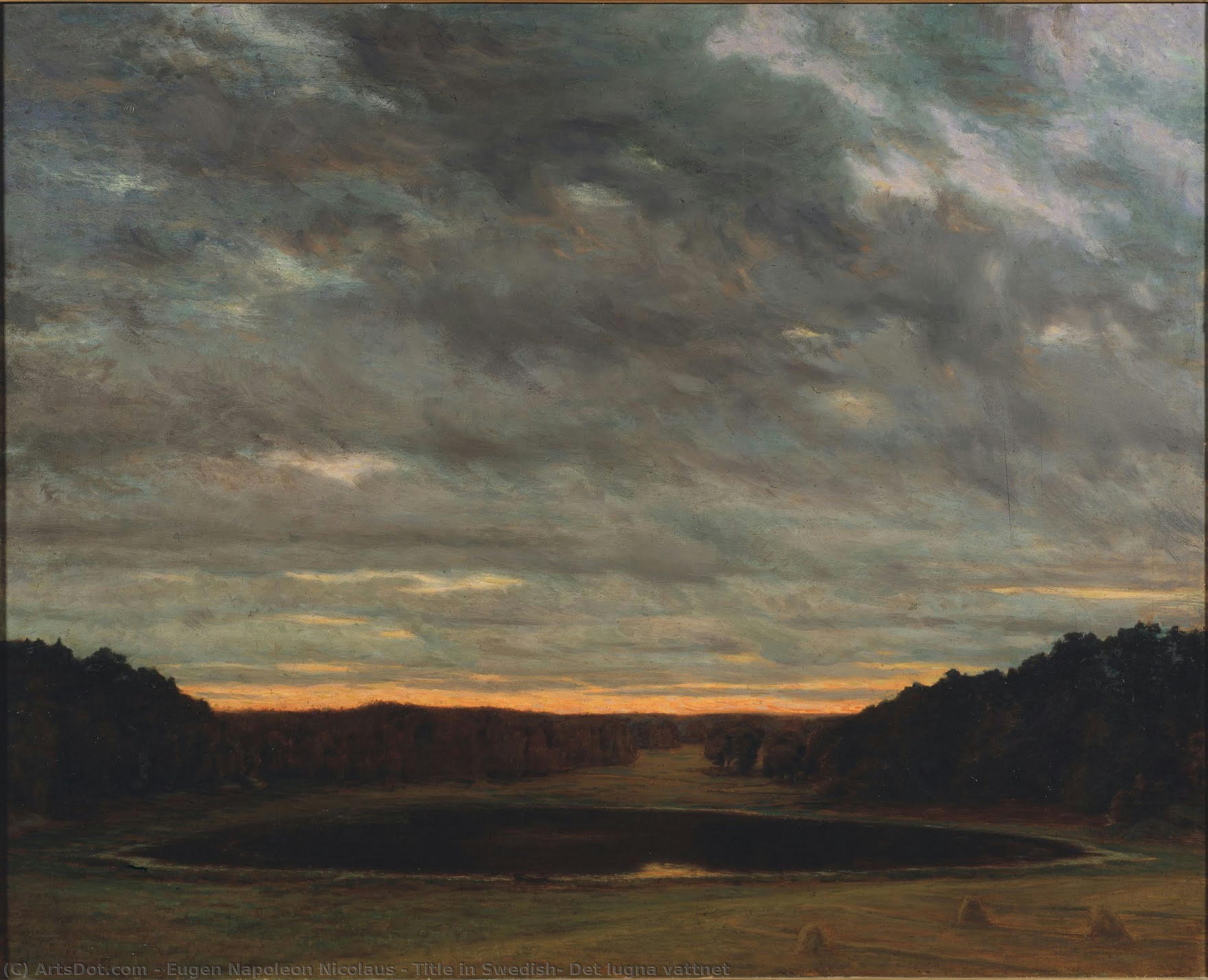
静かな湖の風景
 キャンバスにアクリル絵具
- ウォールアート
- Regionalist Landscape Painting
 1901
1901 1780.0 x 1420.0 cm
 国立美術館
国立美術館
 詳細を見る
詳細を見る
オンラインプレビューをはるかに凌ぐ、高解像度で鮮明なデジタル画像をご購入いただけます。
各ファイルは、社内の専門家が高度なツールと熟練した手作業によるレタッチを用いて、細心の注意を払って準備されています。すべての画像において、卓越した鮮明度、正確な色彩再現性、そして繊細なディテールを保証いたします。
最終ファイルは、プロフェッショナルな編集・印刷環境ですぐにご利用いただけるよう最適化された状態で、72時間以内にメールにてお届けいたします。これは、一流のデザインスタジオ、出版社、ギャラリーから信頼されているものと同等の品質です。
デジタル画像のご注文に付随する特典
高品質なデジタル画像配信を、確かな品質で。
ArtsDot.com を選ぶことは、単に画像を手に入れることではありません。それは、プロの手によって精密に仕上げられ、満足保証が付いた高品質なデジタルアートワークを受け取ることを意味します。ご注文いただいた際に自動的に付随する内容は、以下の通りです:

メールですぐにお届け
ご注文から72時間以内に、高解像度のデジタル画像ファイルがメールでお手元に届きます。すぐにそのままご利用いただけます。

AI技術で最適化されたデジタルファイル
お客様の作品は、高度なAIツールと専門家による手作業の編集を組み合わせてプロフェッショナルに最適化されており、細部のディテール、鮮明さ、そして正確な色再現性を最大限に引き出しています。

一生涯無料の再送サービス
ファイルを誤って削除したり、紛失してしまったりしましたか?ご安心ください。いつでも無料で再送いたします。

輸入手数料は一切かかりません
関税や手数料、配送料を気にすることなく、お気に入りのアートワークをすぐにお楽しみいただけます。デジタルダウンロードは常に免税です。

色彩再現の保証
プロ仕様のツールとカラーマネジメント技術を用いることで、デジタル画像が元の色を最大限に忠実に再現することを保証いたします。

60日間満足保証
ご購入いただいたデジタル画像にご満足いただけない場合は、60日以内であれば、修正または100%の返金(理由を問う必要はありません)をさせていただきます。

100% 返金保証
ご満足いただけない場合は、デジタルファイルを受け取ってから60日以内であれば、理由を問わず全額返金いたします。

まとめ買い割引
3枚購入で10%OFF - 5枚購入で15%OFF - 10枚以上購入で20%OFF。クリエイティブなプロジェクト、ギャラリー、エージェンシーに最適です。
タイトル:スウェーデン語で「静かな水」
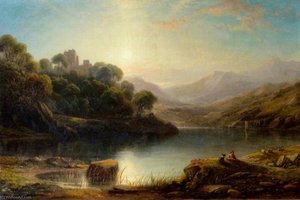
この絵画は湖を背景にした風景画であり、周囲には樹木が茂っています。湖上空には雲が多く、全体的に絵画に雰囲気を与えています。前景にはいくつかの馬があり、水辺に近い馬と遠く離れた馬があります。絵画の中に散らばった人々もおり、湖景色を楽しんでいるか、あるいは湖畔で何らかの活動をしているかもしれません。この絵は曇り空、静かな湖面、そして馬や人々の存在が平和な雰囲気を醸し出す風景を捉えています。- アーティスト: エーゲヌス ナポレオン ニコラウス
- 生誕年: 1865 年
- 没年: 1947 年
- 生誕都市: ストックホルム
- 生誕国: スウェーデン
- 絵画スタイル: ルネサンス様式
- 技法: 油彩画
- 特徴: 静謐な色彩と繊細な筆致が印象的です。湖面に反射する光の表現は特に優れており、見る人に深い感動を与えます。
- 歴史的背景: スウェーデンにおける自然主義運動の隆盛期
- 象徴性: 静寂と調和を表現するモチーフは、当時の芸術家たちに大きなインスピレーションを与えました。湖面は心の平静を表し、周囲の樹木は生命力と成長の象徴です。
関連作品

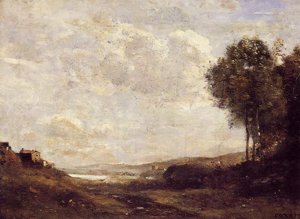
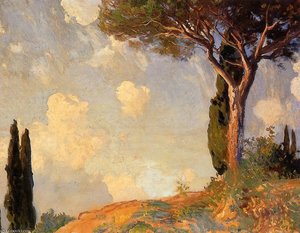
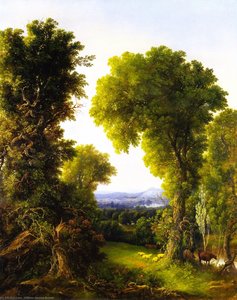
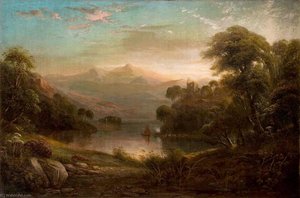
作家の略歴
Robert Henri: A Pioneer of American Regionalism
Robert Henri, born Robert Henry Cozad in Cincinnati, Ohio on February 10, 1865, and passing away in Lambertville, New Jersey on December 17, 1947, stands as a pivotal figure in the development of American art. His journey from a young boy moving to Nebraska to becoming a celebrated artist reflects a dedication to capturing the essence of everyday life and the spirit of his native land – a philosophy that profoundly influenced the burgeoning Regionalist movement. Initially, Henri’s artistic training was somewhat conventional, receiving instruction in Cincinnati before relocating to New York City in 1887. It was here, amidst the bustling art scene, that he began to forge his distinctive path, rejecting the academic constraints of the time and embracing a more direct and expressive approach to painting.Early Influences and Artistic Development
Henri’s early artistic development was shaped by several key influences. The Impressionists, particularly Monet and Renoir, instilled in him an appreciation for capturing fleeting moments of light and color. However, he quickly moved beyond mere imitation, seeking to infuse his work with a deeper emotional resonance. He also found inspiration in the works of Gustave Courbet, whose commitment to depicting ordinary subjects with honesty and realism resonated deeply with Henri’s own artistic vision. Crucially, Henri's time spent observing the lives of working-class Americans – particularly in New York City – provided him with a rich source of subject matter and a profound understanding of human nature. This immersion in the realities of urban life would become a defining characteristic of his art. His early works often depicted scenes of street life, laborers, and immigrants, rendered with a remarkable sensitivity to their dignity and struggles.The Ashcan School and Regionalism
Henri’s most significant contribution to American art lies in his role as a founder of the Ashcan School. Emerging in the early 1900s, this movement sought to break away from the traditional subjects favored by the established art world – landscapes and historical scenes – and instead focus on depicting the gritty realities of urban life in America. Artists like Henri, John Sloan, George Bellows, and Everett Shinn captured the sights and sounds of New York City’s tenements, factories, and crowded streets with unflinching honesty. Henri's paintings, such as *Table at City Diner* (1913) and *The Newsboy*, are prime examples of this style—characterized by loose brushwork, vibrant colors, and a focus on the lives of ordinary people. He championed a philosophy of “art for life’s sake,” believing that art should reflect the world as it truly is, not as it is idealized or romanticized. This stance directly challenged the prevailing artistic conventions of the time and paved the way for future generations of American artists to explore new subject matter and approaches.Technique and Style
Henri’s distinctive style was characterized by a bold and expressive use of color, loose brushwork, and a dynamic sense of movement. He favored working *alla prima* – directly on the canvas without preliminary sketches – allowing him to capture the immediacy of his subjects. His compositions were often asymmetrical and energetic, reflecting the chaotic energy of urban life. He employed a technique he called “color-plus-form,” prioritizing color as the primary element in his paintings while still maintaining a strong sense of form and structure. Henri’s palette was typically rich and vibrant, utilizing complementary colors to create visual excitement and depth. He wasn't interested in photographic realism; instead, he sought to convey the *feeling* of a scene—the atmosphere, the mood, and the emotional impact.Legacy and Historical Significance
Robert Henri’s influence on American art is undeniable. As a founder of the Ashcan School, he helped to shift the focus of American painting away from traditional subjects and towards the realities of everyday life. His commitment to depicting ordinary people with dignity and respect paved the way for future generations of artists to explore social realism and documentary photography. Henri’s emphasis on “art for life’s sake” continues to resonate today, reminding us that art can be a powerful tool for social commentary and personal expression. His work remains celebrated for its honesty, vitality, and profound understanding of the human condition. He is remembered not just as an artist but as a teacher who inspired countless students to pursue their own artistic visions with passion and conviction. His legacy endures in the continued exploration of regional themes and the celebration of ordinary subjects within American art.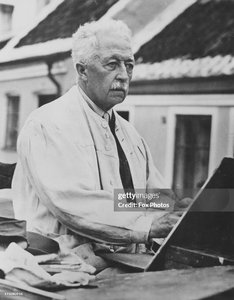
eugen napoleon nicolaus
1865 - 1947 , Sweden
プロフィール概要
- Artistic Movement Or Style: Impressionism
- Artists Or Movements Influenced By This Artist:
- The Ashcan School
- American Impressionism
- Artists Who Influenced This Artist:
- William Merritt Chase
- Jean-Baptiste Camille Corot
- Date Of Birth: 1865
- Date Of Death: 1947
- Full Name: Robert Henri
- Nationality: American
- Notable Artworks:
- The Table
- Spanish Village
- Portrait of a Musician
- Place Of Birth: Cincinnati, Ohio

