

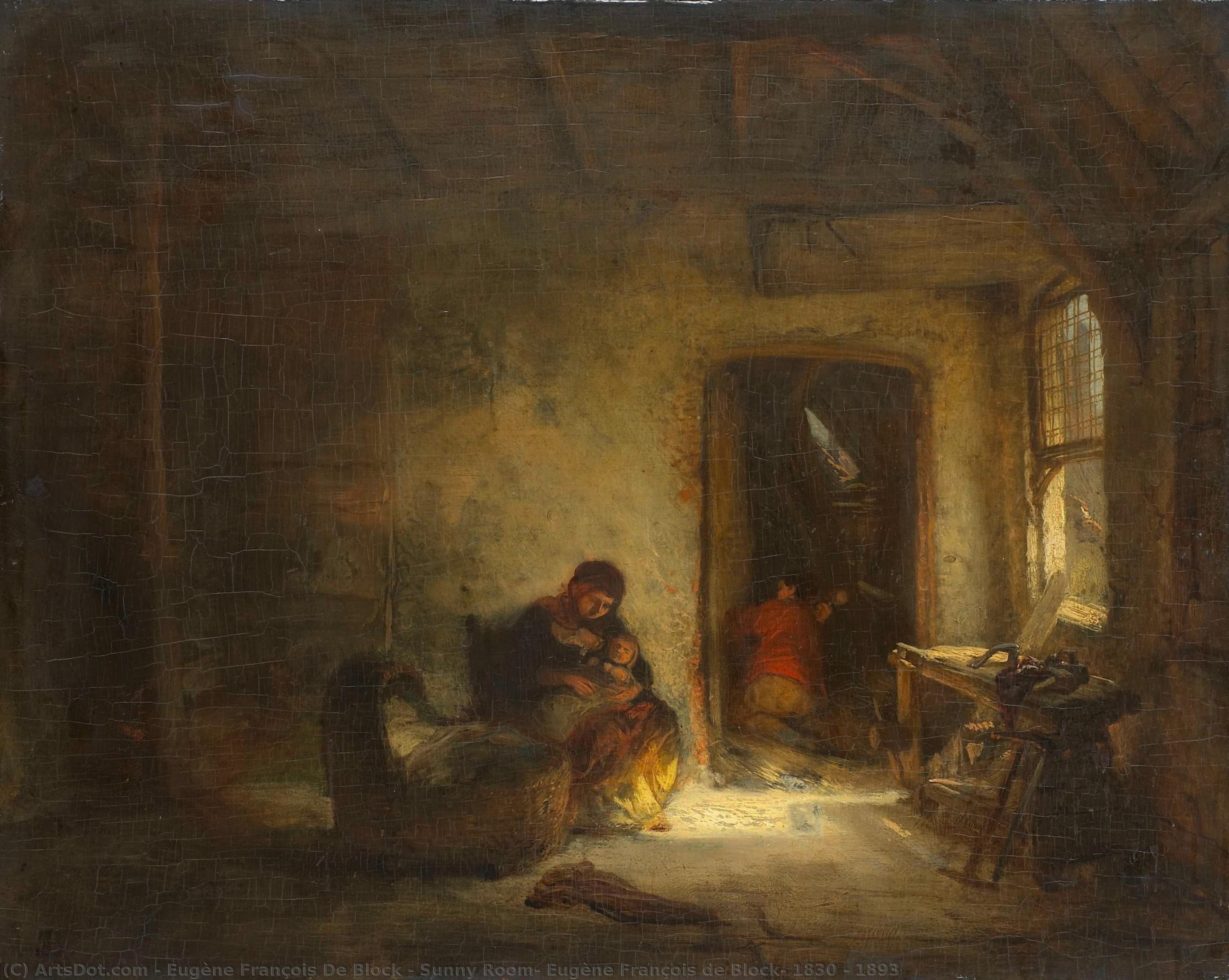
 プレビュー
プレビュー
 シェアする
シェアする シェアする
シェアする
 詳細を見る
詳細を見る

 ダウンロード
 似ている作品
 X線調査
X線調査 スライドショー
 統計情報
統計情報Sunny Room, Eugène François de Block, 1830 - 1893
 1893
1893 34.0 x 42.0 cm
 詳細を見る
詳細を見る
ジークレー/アートプリント
迅速な制作と多彩な仕上げオプションを備えた、ミュージアムクオリティのジークレーまたはキャンバスプリント。 ( 手描きの絵画を購入 デジタル画像販売へ切り替え)




































作品のオリジナル比率に合わせた、当店の規定サイズからお選びください。

特定のフレームやスペースに合わせて、ご自身でサイズを指定することも可能です。選択されたサイズが元の画像の比率と一致しない場合、作品をトリミングするか、鏡面反射または単色での塗りつぶしによって画像を拡張いたします。制作を開始する前に、ご確認用のデジタルモックアップをお送りいたします。
画面上のプレビューには、実際のトリミングや拡張は反映されませんのでご注意ください。最終的な構図を正確に確認できるのは、モックアップのみとなります。
カスタムサイズも承っておりますが、元の比率を維持するためには、あらかじめ用意されたリストからサイズを選択することをお勧めいたします。


 ガラスオプションは、110cm未満のサイズでのみご利用いただけます。

Sunny Room, Eugène François de Block, 1830 - 1893
ジークレー/アートプリント
複製画のサイズ
-


合計金額
$ 62
関連作品






アーティストの略歴
Early Life and Artistic Foundations
Eugène-François de Block, born on May 14th, 1812 in the picturesque town of Geraardsbergen, Belgium, emerged into a world poised between tradition and burgeoning Romanticism. His initial artistic training took place at the local Tekenschool, laying the groundwork for his future endeavors. However, it was his subsequent tutelage under the esteemed history painter Pierre Van Huffel that truly began to shape his creative vision. This early exposure to historical painting instilled in him a respect for narrative and composition, qualities that would later manifest in his own genre scenes. In 1834, de Block relocated to Antwerp, a vibrant hub of artistic activity, where he completed his formal education under the guidance of Ferdinand de Braekeleer. The influence of de Braekeleer was profound; initially, de Block’s work mirrored the older master's style, characterized by meticulous detail and a focus on everyday life. Yet, this period served as more than mere imitation—it provided a crucial foundation upon which he would build his unique artistic identity.A Shift in Style: From Humor to Refined Genre Painting
Around 1860, de Block embarked on a significant stylistic evolution. While his early paintings often possessed a humorous undertone, reflecting the lighthearted spirit of Flemish genre painting, he began to move towards a more refined and nuanced approach. This transition wasn’t abrupt but rather a gradual process of experimentation and self-discovery. He sought to imbue his scenes with greater psychological depth and emotional resonance, moving beyond simple depictions of daily life to explore the inner lives of his subjects. His palette became richer, his brushwork more delicate, and his compositions more carefully orchestrated. This period marked the emergence of de Block’s signature style—charming interiors and portraits that captured the essence of 19th-century Belgian society with both sensitivity and skill. He wasn't merely recording life; he was interpreting it, offering glimpses into the quiet moments and subtle dramas that shaped the human experience.Themes and Techniques: Capturing Daily Life
De Block’s oeuvre is characterized by a remarkable diversity of subject matter within the realm of genre painting. He excelled at portraying intimate domestic scenes—families gathered around a table, women engaged in needlework, children playing games—each rendered with meticulous attention to detail and an almost photographic realism. His portraits, too, were highly sought after, capturing not only the physical likeness of his sitters but also their character and social standing. He possessed a keen eye for light and shadow, skillfully employing chiaroscuro techniques to create atmosphere and draw the viewer’s gaze to focal points within his compositions. His mastery of color, particularly in depicting textures—the sheen of silk, the warmth of wood, the softness of skin—was exceptional. De Block also demonstrated a talent for etching and draftsmanship, further showcasing his versatility as an artist. He often combined these techniques to create preliminary studies for his paintings, ensuring accuracy and precision in his final works.Mentorship and Legacy: Shaping Future Generations
De Block’s influence extended beyond his own artistic production; he was a dedicated educator who nurtured the talents of numerous aspiring artists. Among his most notable students were Ludwig von Hagn, a German painter who studied with him in Antwerp and Brussels, and Edmond De Schampheleer, another prominent Belgian landscape painter. He served as Curator for the Royal Museum of Fine Arts Antwerp from 1885 to 1891, demonstrating his commitment to preserving and promoting the artistic heritage of Belgium. His dedication to the museum underscores his belief in the importance of art education and public access to cultural treasures. Today, de Block’s works are held in prestigious collections around the world, including the Royal Museum of Fine Arts Antwerp, museums in Brussels and Liège, and the Rijksmuseum in Amsterdam—a testament to his enduring legacy as a master of Belgian genre painting. His paintings offer a captivating window into 19th-century life, reminding us of the beauty and complexity found within the everyday moments that shape our shared human experience.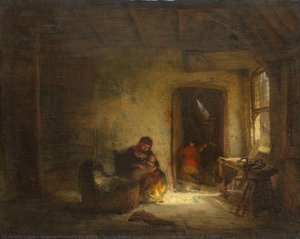
eugène-françois de block
1812 - 1893 , Belgium
基本情報
- Artistic Movement Or Style: Genre Painting
- Artists Or Movements Influenced By This Artist: ['François Boucher']
- Artists Who Influenced This Artist: ['Pierre Van Huffel']
- Date Of Birth: May 14, 1812
- Date Of Death: January 23, 1893
- Full Name: Eugène François de Block
- Nationality: Belgian
- Notable Artworks: ['Sunny Room']
- Place Of Birth: Geraardsbergen, Belgium