

 プレビュー
プレビュー
 シェアする
シェアする シェアする
シェアする
 詳細を見る
詳細を見る

 ダウンロード
 似ている作品
 X線調査
X線調査 スライドショー
 Stats
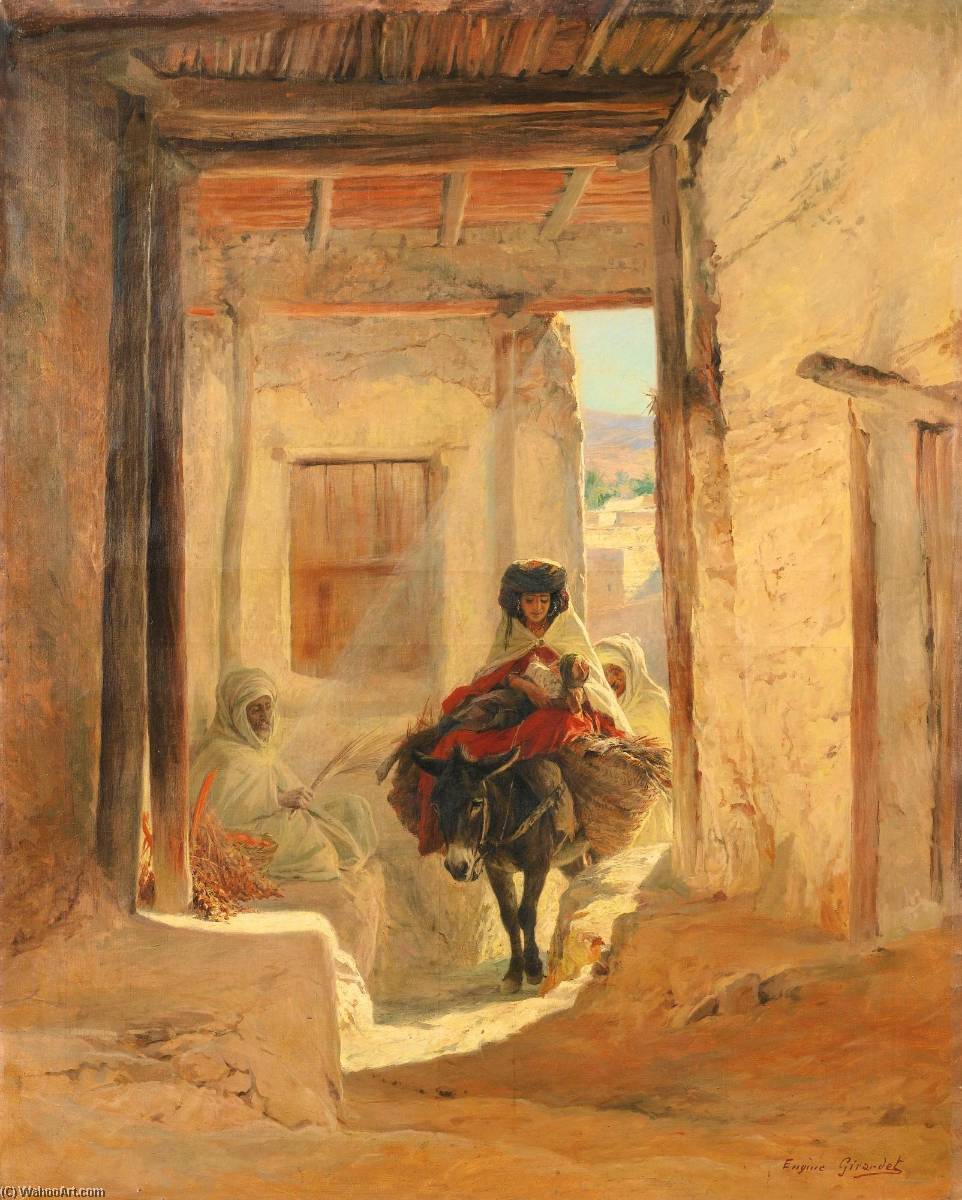
StatsPassage à Bou Saada
 詳細を見る
詳細を見る
手描き油彩複製画
当社のアーティストが、お客様のご希望のサイズと額縁に合わせて、キャンバスに手描きで制作する油彩画です。 ( Switch to Print Switch to Digital Image)




































作品のオリジナル比率に合わせた、当店の規定サイズからお選びください。

特定のフレームやスペースに合わせて、ご希望のサイズをご入力いただけます。選択されたサイズが元の画像の比率と異なる場合、アートワークをトリミングするか、手描きで要素を追加して絵画を拡張いたします。デジタルモックアップ を制作し、制作開始前にご確認(承認)をいただきます。
画面上のプレビューは、実際のトリミングや拡張を正確に反映しているものではありません。最終的な構図は、モックアップによってのみ正確にご確認いただけます。
カスタムサイズもご利用いただけますが、元の比率を維持するためには、あらかじめ用意されたリストからサイズを選択することをお勧めいたします。
ご注文後、ArtsDot.com チームより詳細な指示をお送りするとともに、仕上がりイメージ(モックアップ)をご提供いたします。


 ガラスオプションは、110cm未満のサイズでのみご利用いただけます。

Passage à Bou Saada
複製技法
複製画のサイズ
-


合計金額
$ 263
関連作品

アーティストの略歴
A Life Immersed in Light: Eugène Girardet and the Allure of North Africa
Eugène Alexis Girardet, born in 1853 and passing in 1907, was a French Orientalist painter whose canvases breathed life into the sun-drenched landscapes and vibrant cultures of North Africa. He wasn’t merely documenting scenes; he was capturing an atmosphere, a feeling—the very essence of a world that captivated European imaginations during the late 19th century. Coming from a family deeply rooted in artistic tradition – his father, Paul Girardet, was a respected engraver, and his siblings Jules, Léon, Paul Armand, Théodore, and Julia Antonine all pursued creative paths – Eugène inherited not just a lineage of skill but also an environment that fostered observation and meticulous technique. His early training at the École des Beaux-Arts laid a solid foundation, yet it was under the tutelage of Jean-Léon Gérôme that Girardet’s artistic direction truly began to take shape. Gérôme, a master of academic realism and Orientalist themes himself, encouraged the young artist to experience North Africa firsthand, setting in motion a series of journeys that would define his career.The Algerian Embrace: A Palette Forged by Desert Light
Girardet’s first foray into Algeria in 1874 was transformative. He wouldn't be limited to one visit; he embarked on eight expeditions to the region after 1879, often accompanied by his brothers Jules and Léon. These weren’t brief excursions but immersive periods spent amongst the nomadic communities around oases like Biskra, El Kantara, and Bou Saâda. He sought out Étienne Dinet, another Orientalist painter who shared a deep respect for the culture he depicted. Unlike many of his contemporaries, Girardet eschewed sensationalized depictions of harems or exotic fantasies. Instead, he focused on the daily lives of desert nomads – their interactions, their rituals, and their connection to the land. His paintings are characterized by a remarkable sensitivity to light and color; the warm ochres, deep blues, and shimmering golds evoke the intensity of the North African sun and the vastness of the Sahara. He masterfully captured the texture of fabrics, the play of shadows on weathered faces, and the subtle nuances of desert life.Beyond Representation: Symbolism and Artistic Intent
Girardet’s work wasn't simply about accurate representation; it was imbued with a quiet symbolism that added depth to his narratives. While he avoided overtly dramatic scenes, his paintings often hinted at deeper themes – the resilience of nomadic cultures, the beauty of simplicity, and the spiritual connection between people and their environment. The rose, for example, frequently appears in his compositions, representing both beauty and transience. His use of impasto—thickly applied paint—created a tactile quality that further enhanced the sense of immediacy and warmth. He wasn’t merely painting *what* he saw but conveying *how* it felt to be present in these landscapes, to witness these lives unfolding under the African sky. His paintings like “In the Court” exemplify this approach, offering a serene glimpse into a garden scene where atmosphere and emotion take precedence over detailed narrative.Recognition and Legacy: A Founding Voice of Orientalism
Eugène Girardet’s talent didn't go unnoticed during his lifetime. He was a regular exhibitor at the prestigious Salon in Paris and became a founding member of the Société des Peintres Orientalistes Français, solidifying his position within the burgeoning Orientalist movement. His work garnered significant acclaim at major exhibitions, including the Exposition Universelle of 1900 where he won a gold medal, and the Exposition Coloniale de Marseille in 1906. His paintings found their way into museums across France, Switzerland, and even New York City, testament to his growing international reputation. Though perhaps not as widely celebrated today as some of his contemporaries like Gérôme or Delacroix, Girardet’s contribution to Orientalist painting is significant. He offered a more nuanced and respectful portrayal of North African life than many others, focusing on the dignity and beauty of everyday existence rather than exotic spectacle. His legacy lies in his ability to capture not just a place but a feeling—a lasting impression of light, color, and the enduring spirit of the desert nomads he so admired.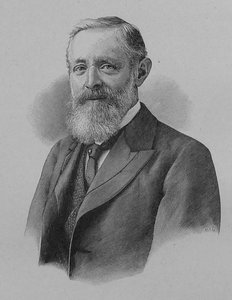
eugène girardet
1853 - 1907
基本情報
- Artistic Movement Or Style: Orientalism
- Artists Or Movements Influenced By This Artist: ['École des Beaux-arts']
- Artists Who Influenced This Artist: ['Jean-Léon Gérôme']
- Date Of Birth: May 31, 1853
- Date Of Death: May 5, 1907
- Full Name: Eugène Alexis Girardet
- Nationality: French
- Notable Artworks:
- Les Epreuves De Charlotte
- In The Court
- Place Of Birth: Paris, France