 プレビュー
プレビュー
 シェアする
シェアする シェアする
シェアする
 詳細を見る
詳細を見る

 ダウンロード
 似ている作品
 X線調査
X線調査 スライドショー
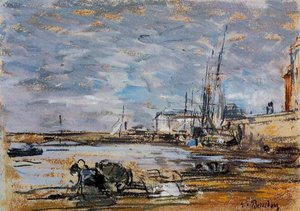
Etretat, Boats Stranded on the Beach


 詳細を見る
詳細を見る
ジークレー/アートプリント
迅速な制作と多彩な仕上げオプションを備えた、ミュージアムクオリティのジークレーまたはキャンバスプリント。 ( 手描きの絵画を購入 画像を購入)




P118B $10

P118H $10

P118W $10

P438Z $10

P508JH $12

P508YH $12

P805H $10

P805Z $10

P919BZ $10

P919G $10

P919XJ $10

P959ZH $10

P968JZ $12

W106C $8

W218G $10

W218JH $8

W218Y $10

W307PJ $10

W316G $10

W316PJ $8

W316Y $10

W398PJ $8

W4111J $10

W500HY $15

W500JH $15

W692G $12

W849H $8

W940BG $15

W953PJ $8




作品のオリジナル比率に合わせた、当店の規定サイズからお選びください。

特定のフレームやスペースに合わせて、ご自身でサイズを指定することも可能です。選択されたサイズが元の画像の比率と一致しない場合、作品をトリミングするか、鏡面反射または単色での塗りつぶしによって画像を拡張いたします。制作を開始する前に、ご確認用のデジタルモックアップをお送りいたします。
画面上のプレビューには、実際のトリミングや拡張は反映されませんのでご注意ください。最終的な構図を正確に確認できるのは、モックアップのみとなります。
カスタムサイズも承っておりますが、元の比率を維持するためには、あらかじめ用意されたリストからサイズを選択することをお勧めいたします。


 ガラスオプションは、110cm未満のサイズでのみご利用いただけます。

Etretat, Boats Stranded on the Beach
ジークレー/アートプリント
複製画のサイズ
-


合計金額
$ 62
A Coastal Symphony: Eugène Boudin’s Etretat
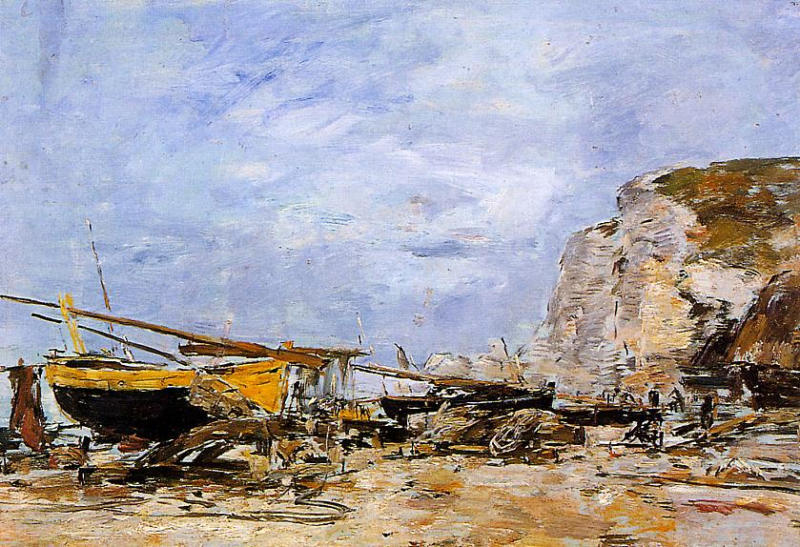
The canvas before you unfolds a quintessential scene of late 19th-century French coastal life – “Etretat, Boats Stranded on the Beach,” painted by Eugène Louis Boudin in 1890. More than just a depiction of a seaside village, this work is a profound meditation on light, atmosphere, and the ephemeral beauty of the natural world. Boudin, a pivotal figure in the transition from academic painting to Impressionism, captures not merely what he *saw*, but rather the fleeting sensations – the salty tang of the air, the shifting hues of the sky, and the restless energy of the sea – that defined his artistic vision.
Boudin’s choice of subject matter is deeply rooted in his personal connection to the region. Etretat, a charming village perched on dramatic chalk cliffs along the Normandy coast, had long been a favorite haunt for the artist. The imposing silhouette of the cliffs, rendered with a subtle yet powerful sense of depth, immediately establishes a commanding presence within the composition. These cliffs aren’t simply geological formations; they are guardians of the scene, framing the drama unfolding on the beach below and anchoring the entire work to its specific location.
Impressionistic Techniques: Light, Color, and Texture
Boudin's mastery lies in his ability to translate these sensory experiences onto canvas using a remarkably fluid and expressive technique. He employs loose, broken brushstrokes – a hallmark of Impressionism – that create a shimmering surface alive with movement. Notice how the paint seems to dance across the canvas, capturing the play of light on water and the shifting textures of sand and rock. The color palette is dominated by cool blues and greens, reflecting the vastness of the sea and sky, punctuated by warmer ochres and browns in the cliffs and boats. These colors aren’t blended smoothly; instead, they are applied in juxtaposed strokes, allowing them to mingle optically and create a vibrant, luminous effect.
The artist's use of *plein air* painting – working directly from nature – is crucial to understanding this work. Boudin spent countless hours observing the coastline, meticulously studying how light transformed the landscape throughout the day. This direct engagement with his subject matter informs every detail, imbuing the scene with a palpable sense of immediacy and authenticity. The slightly flattened perspective, characteristic of Impressionism, further enhances the feeling of being present in this coastal moment.
Symbolic Resonance: Boats, Cliffs, and the Passage of Time
Beyond its purely aesthetic qualities, “Etretat, Boats Stranded” is rich in symbolic meaning. The small boats, clustered on the beach, represent a variety of possibilities – fishermen returning from the sea, travelers seeking respite, or perhaps even the fragility of human endeavors against the relentless power of nature. The cliffs themselves symbolize permanence and resilience, standing as silent witnesses to the ebb and flow of time. The stranded state of the boats evokes a sense of vulnerability and isolation, subtly hinting at the transient nature of life itself.
Furthermore, the painting’s muted palette and atmospheric haze suggest a contemplative mood, inviting viewers to reflect on their own relationship with the natural world. Boudin's work is not simply a record of a specific scene; it’s an invitation to experience the beauty and mystery of the coast through his evocative lens.
A Timeless Masterpiece: Reproduction Possibilities
Reproductions of “Etretat, Boats Stranded on the Beach” offer a remarkable opportunity to bring this iconic Impressionist scene into your home or office. Available in a range of sizes and mediums – from high-quality prints on archival paper to meticulously hand-painted reproductions – these artworks capture the essence of Boudin’s original vision with stunning fidelity. Whether you're an art enthusiast, a collector seeking to enrich your collection, or simply someone looking for a touch of coastal charm, this painting is sure to captivate and inspire.
関連作品
アーティストの略歴
Eugène Louis Boudin (1824–1898): Pioneer of plein air painting & key influence on Impressionism
Eugène Louis Boudin, born in July 12th, 1824, in Honfleur, France—a town inextricably linked to the sea—was destined for a life devoted to capturing its ethereal beauty. His father, a harbor pilot, instilled within him from childhood an unwavering fascination with the ocean’s moods and rhythms – a formative influence that would become the bedrock of Boudin's artistic vision. Rejecting the rigid conventions of academic art, young Eugène embarked on his artistic journey not through formal training but through direct engagement with the natural world. At just ten years old, he began working aboard a steamboat traversing between Le Havre and Honfleur, gaining invaluable experience observing light and atmosphere firsthand—a prelude to his lifelong passion for plein air painting. The family’s subsequent relocation to Le Havre cemented Boudin's immersion in an artistic milieu. His father established a stationery and picture-framing business, fostering connections with fellow artists like Constant Troyon and Jean-François Millet who championed the revolutionary technique of painting outdoors—a pivotal step away from studio confinement. These encounters ignited Boudin’s creative spirit, propelling him toward a singular vocation: to translate the fleeting impressions of nature onto canvas. By 1850, he enrolled in Paris’ École des Beaux-Arts, where he honed his skills under Eugène Isabey and diligently copied masterpieces at the Louvre—a pragmatic necessity that supplemented his income while nurturing his artistic sensibilities. He continued to return to Normandy and Brittany annually, tirelessly pursuing his artistic goals amidst the inspiring landscapes of his homeland.Developing a Unique Style: Plein Air Painting and Influences
Boudin’s artistic trajectory was decisively shaped by Johan Jongkind, a Dutch painter who championed plein air painting with fervent conviction. Jongkind recognized Boudin's innate talent for capturing atmospheric subtleties—the shifting hues of sky and sea—and encouraged him to abandon traditional studio methods in favor of direct observation. This embrace of the outdoors proved transformative, allowing Boudin to achieve unparalleled accuracy in portraying light and color. Furthermore, Boudin’s artistic sensibilities resonated deeply with the legacy of 17th-century Dutch masters, particularly Rembrandt and Vermeer, whose meticulous attention to detail and masterful use of chiaroscuro—the interplay between light and shadow—served as a guiding principle. He meticulously studied their compositions and techniques, absorbing their profound understanding of visual perception.Impressionism and Boudin’s Contribution
Boudin's artistic breakthrough arrived in 1874 when he participated in the inaugural Impressionist exhibition alongside Claude Monet and Camille Pissarro—a watershed moment that cemented his place within the burgeoning movement. Though he eschewed the label “Impressionist,” Boudin undeniably embodied its core tenets: a commitment to capturing fleeting moments of light and color, prioritizing subjective experience over objective representation. His canvases pulsate with vibrancy and immediacy, mirroring Monet’s pioneering explorations of atmospheric effects—a testament to Boudin's influence on the younger generation of artists. As Jean-Baptiste Camille Corot famously remarked, Boudin was “the king of skies,” recognizing his unparalleled ability to convey the grandeur and majesty of nature through luminous brushstrokes.Major Works and Legacy
Boudin’s artistic output comprises numerous landscapes depicting coastal scenes—particularly beaches bathed in sunlight—and seascapes capturing turbulent storms and serene sunsets. Notable paintings include Honfleur, the Saint Catherine Market Place, which exemplifies his masterful depiction of urban life illuminated by natural light; The Port of Trouville, showcasing Boudin’s keen observation of maritime activity; and Landscape with Sunset—a quintessential Impressionist masterpiece celebrated for its evocative use of color and texture. His meticulous attention to detail—particularly in rendering the subtleties of atmospheric perspective—established him as a cornerstone of French landscape painting. Eugène Louis Boudin died August 8th, 1898, in Deauville, overlooking the English Channel—a final communion with the sea that had defined his life’s artistic endeavor. His enduring legacy resides not merely in his paintings but also in his pioneering advocacy for plein air painting and his profound influence on Claude Monet and subsequent Impressionist artists—solidifying his position as a pivotal figure in the history of modern art.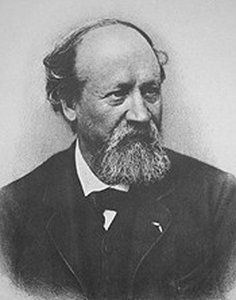
エギュヌ・ルイユ・ブドアン
1824 - 1898 , フランス
基本情報
- Artistic Movement Or Style: 印象派
- Artists Or Movements Influenced By This Artist: ['クロード・モネ']
- Artists Who Influenced This Artist:
- ヨハネス・コンクインド
- オランダの17世紀美術家
- Date Of Birth: 1824年7月12日
- Date Of Death: 1898年8月8日
- Full Name: Eugène Louis Boudin
- Nationality: フランス人
- Notable Artworks:
- ロブスターと白いテーブルクロス静物画
- サンカサティーン市場風景画
- Place Of Birth: フランス フンフルール
関連記事
Impressionistic Landscapes: 10 Masterpieces That Changed Art & Decor
Journey into the heart of Impressionism! Explore 10 masterpieces by Monet, Renoir & Degas that revolutionized landscape art. Discover their stories, techniques & find museum-quality reproductions to elevate your home decor on ArtsDot.com.
印象派風景を彩った至宝:アート史に名を刻む10選
印象派風景の革新を彩った10選。モネ、ルノワールら巨匠の名作を紐解き、色彩と光が生み出す感動の世界へ。アートの歴史とインテリアのインスピレーションをArtsDot.comで。高品質な複製画で、あなただけの空間を創造しましょう。

ポール・セザンヌ:至高の25選 - 傑作と革新の軌跡 | ArtsDot
ポール・セザンヌの至高の25選。ポスト印象派を代表する画家、セザンヌの傑作と革新的な技法を紐解きます。ArtsDotで高品質な複製画やインテリアアートを見つけ、芸術の世界をご自宅に。今すぐコレクションをご覧ください。
Capturing Fleeting Light: A Comprehensive Exploration of Impressionistic Landscape Painting
Explore the captivating world of Impressionistic landscape painting! Discover techniques, key artists like Monet & Renoir, and its lasting influence on art history. A comprehensive guide for enthusiasts.

Impressionism's Masterpieces: 10 Paintings That Defined a Movement | ArtsDot
Journey through Impressionism's heart with 10 iconic paintings by Monet, Renoir & Degas. Explore light, color & the stories behind these masterpieces. Find museum-quality art reproductions and elevate your home decor on ArtsDot.com.