

 プレビュー
プレビュー
 プリントを購入
 シェアする
シェアする シェアする
シェアする
 詳細を見る
詳細を見る

 ダウンロード
 似ている作品
 X線調査
X線調査 スライドショー
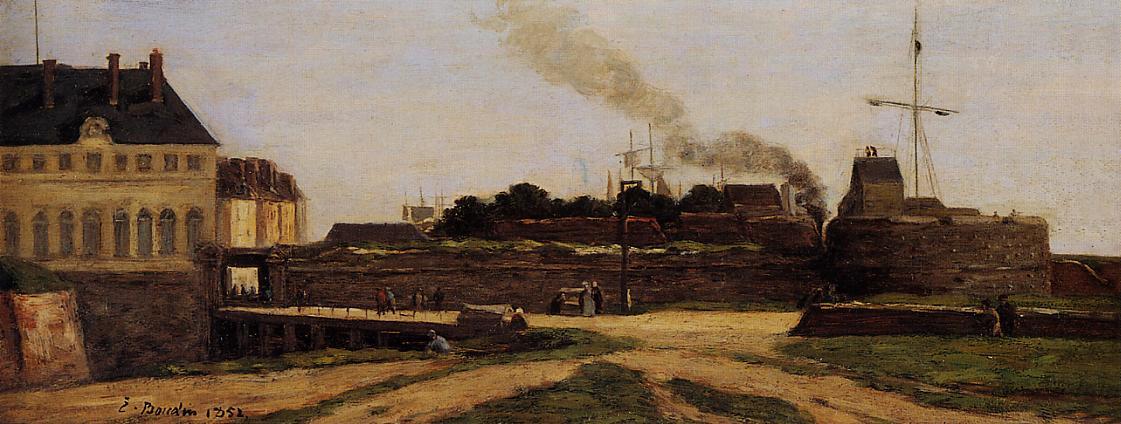
Le Havre, the Town Hotel and the Francois I Tower


 詳細を見る
詳細を見る
オンラインプレビューをはるかに凌ぐ、高解像度で鮮明なデジタル画像をご購入いただけます。
各ファイルは、社内の専門家が高度なツールと熟練した手作業によるレタッチを用いて、細心の注意を払って準備されています。すべての画像において、卓越した鮮明度、正確な色彩再現性、そして繊細なディテールを保証いたします。
最終ファイルは、プロフェッショナルな編集・印刷環境ですぐにご利用いただけるよう最適化された状態で、72時間以内にメールにてお届けいたします。これは、一流のデザインスタジオ、出版社、ギャラリーから信頼されているものと同等の品質です。
デジタル画像のご注文に付随する特典
高品質なデジタル画像配信を、確かな品質で。
ArtsDot.com を選ぶことは、単に画像を手に入れることではありません。それは、プロの手によって精密に仕上げられ、満足保証が付いた高品質なデジタルアートワークを受け取ることを意味します。ご注文いただいた際に自動的に付随する内容は、以下の通りです:

メールですぐにお届け
ご注文から72時間以内に、高解像度のデジタル画像ファイルがメールでお手元に届きます。すぐにそのままご利用いただけます。

AI技術で最適化されたデジタルファイル
お客様の作品は、高度なAIツールと専門家による手作業の編集を組み合わせてプロフェッショナルに最適化されており、細部のディテール、鮮明さ、そして正確な色再現性を最大限に引き出しています。

一生涯無料の再送サービス
ファイルを誤って削除したり、紛失してしまったりしましたか?ご安心ください。いつでも無料で再送いたします。

輸入手数料は一切かかりません
関税や手数料、配送料を気にすることなく、お気に入りのアートワークをすぐにお楽しみいただけます。デジタルダウンロードは常に免税です。

色彩再現の保証
プロ仕様のツールとカラーマネジメント技術を用いることで、デジタル画像が元の色を最大限に忠実に再現することを保証いたします。

60日間満足保証
ご購入いただいたデジタル画像にご満足いただけない場合は、60日以内であれば、修正または100%の返金(理由を問う必要はありません)をさせていただきます。

100% 返金保証
ご満足いただけない場合は、デジタルファイルを受け取ってから60日以内であれば、理由を問わず全額返金いたします。

まとめ買い割引
3枚購入で10%OFF - 5枚購入で15%OFF - 10枚以上購入で20%OFF。クリエイティブなプロジェクト、ギャラリー、エージェンシーに最適です。
Eugène Louis Boudin: Capturing Light and Atmosphere in Le Havre
Eugène Louis Boudin (1824-1898), a pivotal figure in the burgeoning Impressionist movement, stands as an enduring testament to the transformative power of plein air painting—the practice of creating artwork outdoors directly from observation. Born in Honfleur, France, Boudin’s formative years were steeped in the maritime traditions of his hometown, where he witnessed firsthand the capricious dance between light and water – experiences that would indelibly shape his artistic vision.
Rather than adhering to the rigid conventions of academic art academies, Boudin embarked on a path of independent exploration, beginning his working life aboard steamboats traversing between Le Havre and Honfleur at just ten years old. It was during these voyages that he discovered his innate talent for capturing fleeting impressions of light and color with rapid sketches in the margins of his books—a habit that foreshadowed his lifelong dedication to portraying the natural world with unprecedented accuracy and emotional resonance.
His relocation to Le Havre, where his father established a shop for stationery and picture frames, solidified Boudin’s immersion within an artistic milieu. He diligently honed his skills alongside his family, eventually establishing his own modest atelier—a space dedicated to fostering creativity and pursuing artistic excellence. This environment nurtured his ability to translate the sensory experience of nature onto canvas with remarkable sensitivity.
“Le Havre, the Town Hotel and the Francois I Tower”: A Study in Coastal Realism
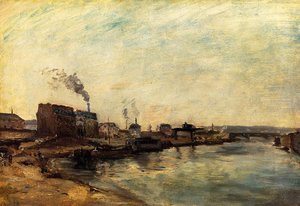
"Le Havre, the Town Hotel and the François I Tower," painted in 1859, exemplifies Boudin’s masterful embrace of Realism—a stylistic approach that prioritized truthful representation over idealized beauty. Unlike Romantic painters who sought to evoke emotion through dramatic landscapes and fantastical narratives, Boudin focused on capturing the tangible qualities of his surroundings with meticulous detail.
The painting depicts Le Havre harbor during a period of significant industrial expansion, reflecting the burgeoning economic dynamism of France in the mid-nineteenth century. Boudin skillfully renders the imposing Town Hotel—a symbol of civic pride and architectural grandeur—its façade bathed in warm sunlight. Adjacent to it is the bustling docks, where steamboats emit plumes of smoke, conveying a palpable sense of activity and progress.
Dominating the composition is the François I Tower—a monumental structure commemorating the reign of Francis I, representing France’s historical legacy amidst the rapid transformations of modernity. Boudin's masterful use of light—particularly the diffused glow emanating from the tower—creates an atmosphere of contemplative serenity, inviting viewers to contemplate the interplay between past and present.
Technique and Impressionistic Vision
Boudin’s technique is characterized by loose brushstrokes and a vibrant palette—elements that are hallmarks of Impressionism. He eschewed blending colors on the palette entirely, opting instead for juxtaposing complementary hues directly onto the canvas to achieve luminous effects. This approach allowed him to capture the subtle nuances of light and color as they shifted throughout the day.
Furthermore, Boudin meticulously observed atmospheric conditions—such as haze and mist—incorporating these elements into his paintings to heighten their emotional impact. By conveying the ephemeral beauty of nature with unwavering honesty, Boudin cemented his place as one of the pioneers of Impressionism—a movement that irrevocably altered the course of art history.
Symbolic Resonance: Light, Industry, and Heritage
"Le Havre, the Town Hotel and the François I Tower" transcends mere visual representation; it embodies profound symbolic resonance. The tower stands as a reminder of France’s enduring cultural heritage—a bastion against the encroaching forces of industrialization. Simultaneously, the harbor scene celebrates the dynamism of economic progress—the transformative influence of steam power on maritime trade.
However, most importantly, Boudin's painting captures the essence of human experience—the quiet contemplation afforded by observing the natural world and appreciating its sublime beauty. Through his unwavering commitment to capturing light and atmosphere with unparalleled sensitivity, Boudin bequeathed to posterity a timeless masterpiece that continues to inspire awe and admiration.
関連作品
作家の略歴
Eugène Louis Boudin (1824–1898): Pioneer of plein air painting & key influence on Impressionism
Eugène Louis Boudin, born in July 12th, 1824, in Honfleur, France—a town inextricably linked to the sea—was destined for a life devoted to capturing its ethereal beauty. His father, a harbor pilot, instilled within him from childhood an unwavering fascination with the ocean’s moods and rhythms – a formative influence that would become the bedrock of Boudin's artistic vision. Rejecting the rigid conventions of academic art, young Eugène embarked on his artistic journey not through formal training but through direct engagement with the natural world. At just ten years old, he began working aboard a steamboat traversing between Le Havre and Honfleur, gaining invaluable experience observing light and atmosphere firsthand—a prelude to his lifelong passion for plein air painting. The family’s subsequent relocation to Le Havre cemented Boudin's immersion in an artistic milieu. His father established a stationery and picture-framing business, fostering connections with fellow artists like Constant Troyon and Jean-François Millet who championed the revolutionary technique of painting outdoors—a pivotal step away from studio confinement. These encounters ignited Boudin’s creative spirit, propelling him toward a singular vocation: to translate the fleeting impressions of nature onto canvas. By 1850, he enrolled in Paris’ École des Beaux-Arts, where he honed his skills under Eugène Isabey and diligently copied masterpieces at the Louvre—a pragmatic necessity that supplemented his income while nurturing his artistic sensibilities. He continued to return to Normandy and Brittany annually, tirelessly pursuing his artistic goals amidst the inspiring landscapes of his homeland.Developing a Unique Style: Plein Air Painting and Influences
Boudin’s artistic trajectory was decisively shaped by Johan Jongkind, a Dutch painter who championed plein air painting with fervent conviction. Jongkind recognized Boudin's innate talent for capturing atmospheric subtleties—the shifting hues of sky and sea—and encouraged him to abandon traditional studio methods in favor of direct observation. This embrace of the outdoors proved transformative, allowing Boudin to achieve unparalleled accuracy in portraying light and color. Furthermore, Boudin’s artistic sensibilities resonated deeply with the legacy of 17th-century Dutch masters, particularly Rembrandt and Vermeer, whose meticulous attention to detail and masterful use of chiaroscuro—the interplay between light and shadow—served as a guiding principle. He meticulously studied their compositions and techniques, absorbing their profound understanding of visual perception.Impressionism and Boudin’s Contribution
Boudin's artistic breakthrough arrived in 1874 when he participated in the inaugural Impressionist exhibition alongside Claude Monet and Camille Pissarro—a watershed moment that cemented his place within the burgeoning movement. Though he eschewed the label “Impressionist,” Boudin undeniably embodied its core tenets: a commitment to capturing fleeting moments of light and color, prioritizing subjective experience over objective representation. His canvases pulsate with vibrancy and immediacy, mirroring Monet’s pioneering explorations of atmospheric effects—a testament to Boudin's influence on the younger generation of artists. As Jean-Baptiste Camille Corot famously remarked, Boudin was “the king of skies,” recognizing his unparalleled ability to convey the grandeur and majesty of nature through luminous brushstrokes.Major Works and Legacy
Boudin’s artistic output comprises numerous landscapes depicting coastal scenes—particularly beaches bathed in sunlight—and seascapes capturing turbulent storms and serene sunsets. Notable paintings include Honfleur, the Saint Catherine Market Place, which exemplifies his masterful depiction of urban life illuminated by natural light; The Port of Trouville, showcasing Boudin’s keen observation of maritime activity; and Landscape with Sunset—a quintessential Impressionist masterpiece celebrated for its evocative use of color and texture. His meticulous attention to detail—particularly in rendering the subtleties of atmospheric perspective—established him as a cornerstone of French landscape painting. Eugène Louis Boudin died August 8th, 1898, in Deauville, overlooking the English Channel—a final communion with the sea that had defined his life’s artistic endeavor. His enduring legacy resides not merely in his paintings but also in his pioneering advocacy for plein air painting and his profound influence on Claude Monet and subsequent Impressionist artists—solidifying his position as a pivotal figure in the history of modern art.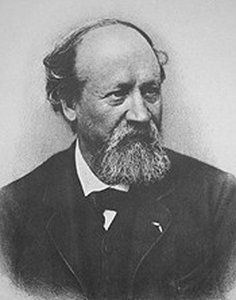
エギュヌ・ルイユ・ブドアン
1824 - 1898 , フランス
プロフィール概要
- Artistic Movement Or Style: 印象派
- Artists Or Movements Influenced By This Artist: ['クロード・モネ']
- Artists Who Influenced This Artist:
- ヨハネス・コンクインド
- オランダの17世紀美術家
- Date Of Birth: 1824年7月12日
- Date Of Death: 1898年8月8日
- Full Name: Eugène Louis Boudin
- Nationality: フランス人
- Notable Artworks:
- ロブスターと白いテーブルクロス静物画
- サンカサティーン市場風景画
- Place Of Birth: フランス フンフルール

