 プレビュー
プレビュー
 シェアする
シェアする シェアする
シェアする
 詳細を見る
詳細を見る

 ダウンロード
 似ている作品
 X線調査
X線調査 スライドショー
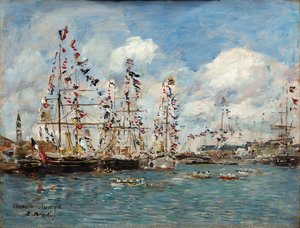
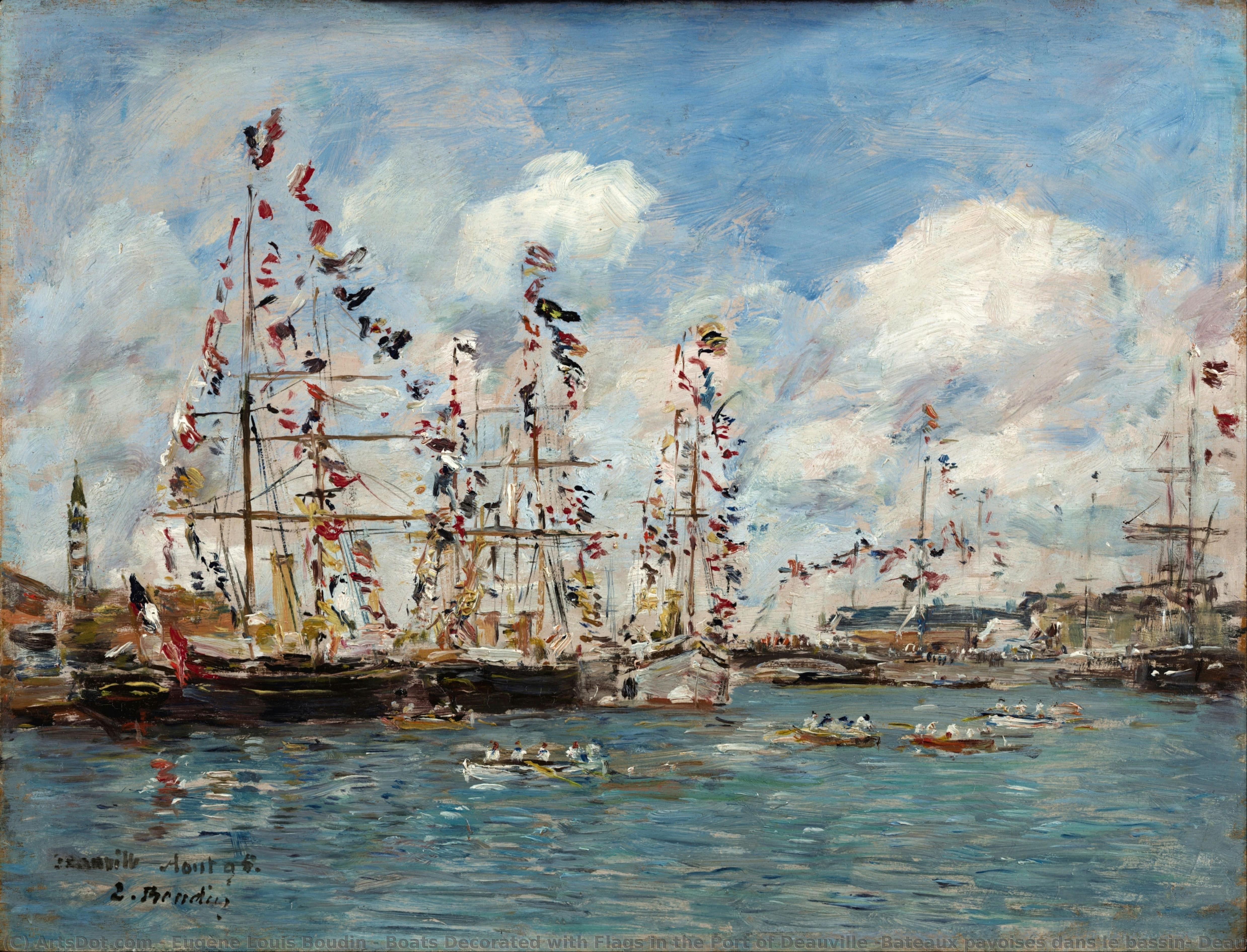
ドーヴィルの港の旗で飾られた船(ドーヴィルの盆地、旗を掲げた舟)
 キャンバスに油彩
- ウォールアート
- 印象派
 1895
1895 44.0 x 52.0 cm
 コロンビア大学美術館
 詳細を見る
詳細を見る
ジークレー/アートプリント
迅速な制作と多彩な仕上げオプションを備えた、ミュージアムクオリティのジークレーまたはキャンバスプリント。 ( 手描きの絵画を購入 画像を購入)




P118B $10

P118H $10

P118W $10

P438Z $10

P508JH $12

P508YH $12

P805H $10

P805Z $10

P919BZ $10

P919G $10

P919XJ $10

P959ZH $10

P968JZ $12

W106C $8

W218G $10

W218JH $8

W218Y $10

W307PJ $10

W316G $10

W316PJ $8

W316Y $10

W398PJ $8

W4111J $10

W500HY $15

W500JH $15

W692G $12

W849H $8

W940BG $15

W953PJ $8




作品のオリジナル比率に合わせた、当店の規定サイズからお選びください。

特定のフレームやスペースに合わせて、ご自身でサイズを指定することも可能です。選択されたサイズが元の画像の比率と一致しない場合、作品をトリミングするか、鏡面反射または単色での塗りつぶしによって画像を拡張いたします。制作を開始する前に、ご確認用のデジタルモックアップをお送りいたします。
画面上のプレビューには、実際のトリミングや拡張は反映されませんのでご注意ください。最終的な構図を正確に確認できるのは、モックアップのみとなります。
カスタムサイズも承っておりますが、元の比率を維持するためには、あらかじめ用意されたリストからサイズを選択することをお勧めいたします。


 ガラスオプションは、110cm未満のサイズでのみご利用いただけます。

ドーヴィルの港の旗で飾られた船(ドーヴィルの盆地、旗を掲げた舟)
ジークレー/アートプリント
複製画のサイズ
-


合計金額
$ 62
光と動きの交響曲:エギュヌ・ブドアン『ドーヴィルの港、旗で飾られた舟』
エギュヌ・ブドアンの『ドーヴィルの港、旗で飾られた舟』は、単なる海辺の情景を描いたものではありません。それは、19世紀ノルマンディーのエネルギーと精神がキャンバスの上で脈動する、没入感あふれる体験であり、捉えきれない一瞬を封じ込めたものです。1895年に描かれたこの作品は、ブドアンの革命的な絵画へのアプローチ、すなわち「外光派(アン・プレネール)」として彼が提唱した、自然から直接、光と大気の儚い効果を捉えようとする献身的な姿勢の証となっています。キャンバスはまるで記憶のように広がり、観る者をフランス沿岸の華やかなリゾート地、ドーヴィルの賑わう港へと誘います。活気あるレガッタ(舟のレース)が開催されているその光景は、決して静止したものではありません。風にたなびき、パタパタと音を立てる旗、小舟の穏やかな揺れ、そして水面を突き進む漕ぎ手たちの内に秘めた力強さなど、画面全体が躍動感に満ちています。
印象派技法の真髄
ブドアンの卓越した技術は、細密な描写にあるのではなく、むしろ「空気感」を伝える能力にあります。彼は「ウェット・オン・ウェット(湿潤法)」として知られる技法を用い、前の層がまだ輝きを失わないうちに絵具を重ねることで、柔らかな輪郭と光り輝く色彩の混ざり合いを生み出しています。旗の動きや水面のさざ波を表現するために、まるで点描のように短く断続的な筆致が使われていることに注目してください。色彩は鮮やかでありながらも落ち着いており、夏の午後の拡散した光を反映しています。パレットは青や緑に重きを置いていますが、そこに旗から放たれる赤、黄、白の閃光が加わることで、画面全体を巡る視線を惹きつけるダイナミックな色彩の相互作用が生まれています。また、遠くの舟をより淡く、不明瞭に描く「空気遠近法」を巧みに操ることで、奥行きと広がりを見事に構築しています。
ドーヴィルの精神:レジャーと芸術的インスピレーションの拠点
1895年のドーヴィルは黄金時代を迎えており、フランスの上流階級にとって屈指の目的地として急速に地位を確立していました。この街の急速な発展は、ブドアンのような芸術家たちを惹きつけました。彼は、活気ある雰囲気、絵画的な港、そして絶え間なく行き交う舟と人々の中にインスピレーションを見出したのです。ここで描かれているレガッタは、単なるスポーツイベントではありませんでした。それは社交の場であり、夏と余暇を祝う祭典でもあったのです。ブドアンはこの精神を完璧に捉え、情景に喜び溢れる解放感を与えています。岸辺に並ぶ観衆や舟に乗る漕ぎ手といった数多くの人物の存在は、共同体としての体験という感覚を強めています。この絵画は、芸術家や知識人の避難所として、創造性と交流の環境を育んでいた当時の街の役割を、静かに示唆しているのです。
象徴性と感情的な共鳴
技術的な素晴らしさを超えて、『ドーヴィルの港、旗で飾られた舟』はより深い象徴的な意味を湛えています。掲げられた旗そのものが、祝祭、競争、そしておそらくは演劇的な華やかさを象徴しており、目の前で繰り広げられる活気ある社交界の様子を映し出しています。舟の動きは自由と逃避の感覚を呼び起こし、光と影の交錯は美しさと同時に「無常さ」を感じさせます。この一瞬の時間を描くというブドアンの選択は、芸術とは単に見えるものだけでなく、感じられるもの――喜び、興奮、そして人生そのものの儚い性質――をも捉えるべきであるという彼の信念を物語っています。この作品は、時の流れと、海が持つ永遠の魅力を深く思索へと誘うのです。
この魅惑的な芸術作品は、過ぎ去った時代への窓となり、光と動きを捉えるブドアンの革新的なアプローチを現代に伝えています。高品質な複製画を通じて、彼の技法の細かなニュアンスを味わい、芸術、レジャー、そしてフランス沿岸の美しさが永遠に祝福されるドーヴィルの鮮やかな空気感に浸ることができるでしょう。
関連作品
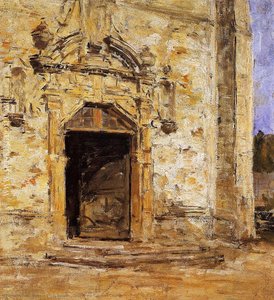
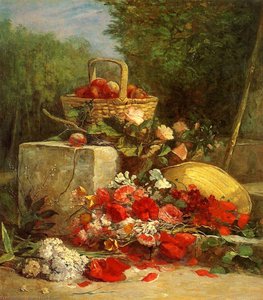
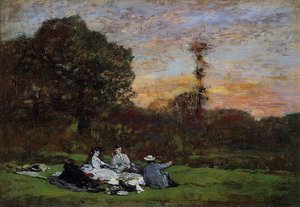
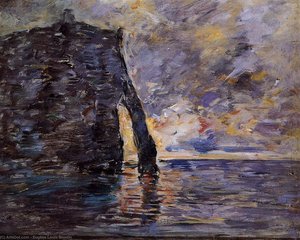
アーティストの略歴
Eugène Louis Boudin (1824–1898): Pioneer of plein air painting & key influence on Impressionism
Eugène Louis Boudin, born in July 12th, 1824, in Honfleur, France—a town inextricably linked to the sea—was destined for a life devoted to capturing its ethereal beauty. His father, a harbor pilot, instilled within him from childhood an unwavering fascination with the ocean’s moods and rhythms – a formative influence that would become the bedrock of Boudin's artistic vision. Rejecting the rigid conventions of academic art, young Eugène embarked on his artistic journey not through formal training but through direct engagement with the natural world. At just ten years old, he began working aboard a steamboat traversing between Le Havre and Honfleur, gaining invaluable experience observing light and atmosphere firsthand—a prelude to his lifelong passion for plein air painting. The family’s subsequent relocation to Le Havre cemented Boudin's immersion in an artistic milieu. His father established a stationery and picture-framing business, fostering connections with fellow artists like Constant Troyon and Jean-François Millet who championed the revolutionary technique of painting outdoors—a pivotal step away from studio confinement. These encounters ignited Boudin’s creative spirit, propelling him toward a singular vocation: to translate the fleeting impressions of nature onto canvas. By 1850, he enrolled in Paris’ École des Beaux-Arts, where he honed his skills under Eugène Isabey and diligently copied masterpieces at the Louvre—a pragmatic necessity that supplemented his income while nurturing his artistic sensibilities. He continued to return to Normandy and Brittany annually, tirelessly pursuing his artistic goals amidst the inspiring landscapes of his homeland.Developing a Unique Style: Plein Air Painting and Influences
Boudin’s artistic trajectory was decisively shaped by Johan Jongkind, a Dutch painter who championed plein air painting with fervent conviction. Jongkind recognized Boudin's innate talent for capturing atmospheric subtleties—the shifting hues of sky and sea—and encouraged him to abandon traditional studio methods in favor of direct observation. This embrace of the outdoors proved transformative, allowing Boudin to achieve unparalleled accuracy in portraying light and color. Furthermore, Boudin’s artistic sensibilities resonated deeply with the legacy of 17th-century Dutch masters, particularly Rembrandt and Vermeer, whose meticulous attention to detail and masterful use of chiaroscuro—the interplay between light and shadow—served as a guiding principle. He meticulously studied their compositions and techniques, absorbing their profound understanding of visual perception.Impressionism and Boudin’s Contribution
Boudin's artistic breakthrough arrived in 1874 when he participated in the inaugural Impressionist exhibition alongside Claude Monet and Camille Pissarro—a watershed moment that cemented his place within the burgeoning movement. Though he eschewed the label “Impressionist,” Boudin undeniably embodied its core tenets: a commitment to capturing fleeting moments of light and color, prioritizing subjective experience over objective representation. His canvases pulsate with vibrancy and immediacy, mirroring Monet’s pioneering explorations of atmospheric effects—a testament to Boudin's influence on the younger generation of artists. As Jean-Baptiste Camille Corot famously remarked, Boudin was “the king of skies,” recognizing his unparalleled ability to convey the grandeur and majesty of nature through luminous brushstrokes.Major Works and Legacy
Boudin’s artistic output comprises numerous landscapes depicting coastal scenes—particularly beaches bathed in sunlight—and seascapes capturing turbulent storms and serene sunsets. Notable paintings include Honfleur, the Saint Catherine Market Place, which exemplifies his masterful depiction of urban life illuminated by natural light; The Port of Trouville, showcasing Boudin’s keen observation of maritime activity; and Landscape with Sunset—a quintessential Impressionist masterpiece celebrated for its evocative use of color and texture. His meticulous attention to detail—particularly in rendering the subtleties of atmospheric perspective—established him as a cornerstone of French landscape painting. Eugène Louis Boudin died August 8th, 1898, in Deauville, overlooking the English Channel—a final communion with the sea that had defined his life’s artistic endeavor. His enduring legacy resides not merely in his paintings but also in his pioneering advocacy for plein air painting and his profound influence on Claude Monet and subsequent Impressionist artists—solidifying his position as a pivotal figure in the history of modern art.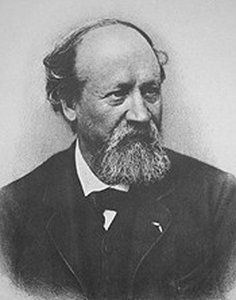
エギュヌ・ルイユ・ブドアン
1824 - 1898 , フランス
基本情報
- Artistic Movement Or Style: 印象派
- Artists Or Movements Influenced By This Artist: ['クロード・モネ']
- Artists Who Influenced This Artist:
- ヨハネス・コンクインド
- オランダの17世紀美術家
- Date Of Birth: 1824年7月12日
- Date Of Death: 1898年8月8日
- Full Name: Eugène Louis Boudin
- Nationality: フランス人
- Notable Artworks:
- ロブスターと白いテーブルクロス静物画
- サンカサティーン市場風景画
- Place Of Birth: フランス フンフルール
関連記事
Boats on Canvas: 10 Masterpieces of Maritime Art for Your Home Decor
Sail away with 10 iconic boat paintings! Explore masterpieces by Monet, Van Gogh & Turner. Discover the stories behind these timeless seascapes and find museum-quality art reproductions for your home decor at ArtsDot.com.
Eugène Boudin: Capturing Fleeting Moments – A Study of Light, Atmosphere & the Birth of Impressionism
Explore the life & art of Eugène Boudin, a pioneer of plein air painting and key influence on Impressionism. Discover his masterful light studies & atmospheric seascapes – a foundational figure in modern art history.
Navigating Symbolism & Sentiment: A Comprehensive Exploration of Boats in Art History
Explore the rich history of boats in art! Discover symbolism & style from ancient myths to Impressionist masterpieces. Expert insights for collectors at ArtsDot.
Eugen von Blaas: Capturing Alpine Life & Sentiment in 19th-Century Austrian Painting
Discover the captivating world of Eugen von Blaas! Explore his exquisite 19th-century paintings capturing Venetian life & Alpine beauty. Learn about his Academic Classicism style and find museum-quality reproductions at ArtsDot.
Navigating Symbolism & Style: A Comprehensive Exploration of Boats in Art History
Explore the rich history of boats in art! From ancient symbolism to Impressionist masterpieces & modern visions, discover renowned artists & collecting tips at ArtsDot.