 プレビュー
プレビュー
 プリントを購入
 シェアする
シェアする シェアする
シェアする
 詳細を見る
詳細を見る

 ダウンロード
 似ている作品
 X線調査
X線調査 スライドショー
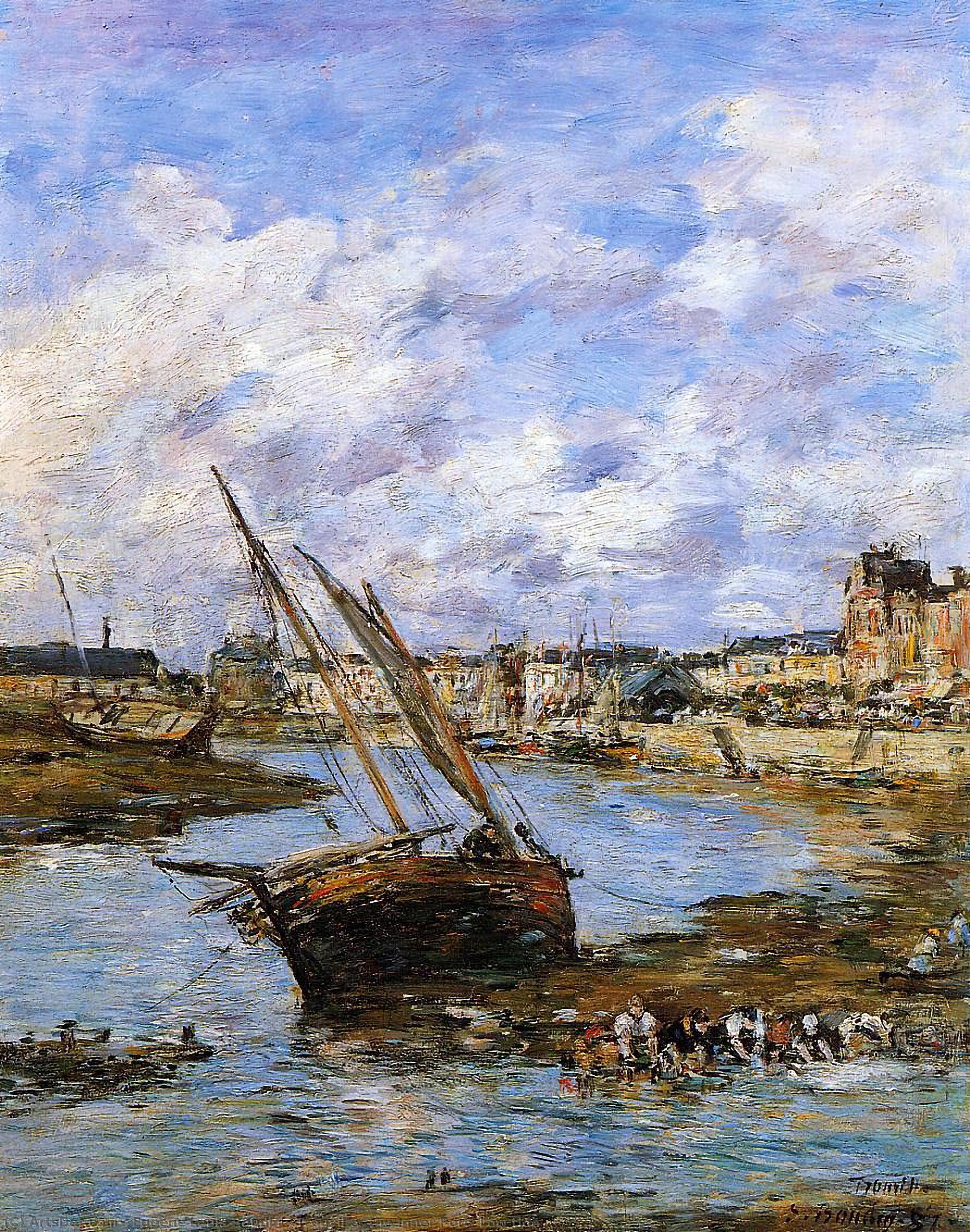
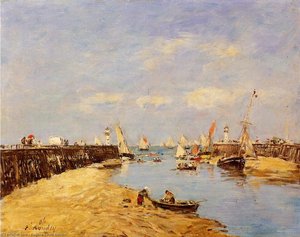
Trouville, the Inner Port, Low tide


 詳細を見る
詳細を見る




P118B $10

P118H $10

P118W $10

P438Z $10

P508JH $12

P508YH $12

P805H $10

P805Z $10

P919BZ $10

P919G $10

P919XJ $10

P959ZH $10

P968JZ $12

W106C $8

W218G $10

W218JH $8

W218Y $10

W307PJ $10

W316G $10

W316PJ $8

W316Y $10

W398PJ $8

W4111J $10

W500HY $15

W500JH $15

W692G $12

W849H $8

W940BG $15

W953PJ $8




作品のオリジナル比率に合わせた、当店の規定サイズからお選びください。

特定のフレームやスペースに合わせて、ご希望のサイズをご入力いただけます。選択されたサイズが元の画像の比率と異なる場合、アートワークをトリミングするか、手描きで要素を追加して絵画を拡張いたします。デジタルモックアップ を制作し、制作開始前にご確認(承認)をいただきます。
画面上のプレビューは、実際のトリミングや拡張を正確に反映しているものではありません。最終的な構図は、モックアップによってのみ正確にご確認いただけます。
カスタムサイズもご利用いただけますが、元の比率を維持するためには、あらかじめ用意されたリストからサイズを選択することをお勧めいたします。
ご注文後、ArtsDot.com チームより詳細な指示をお送りするとともに、仕上がりイメージ(モックアップ)をご提供いたします。


 ガラスオプションは、110cm未満のサイズでのみご利用いただけます。

Trouville, the Inner Port, Low tide
複製技法
複製画のサイズ
-


合計金額
$ 263
A Symphony of Light and Tide
In the delicate brushstrokes of Eugène Louis Boudin’s Trouville, the Inner Port, Low tide, we find ourselves transported to the salt-kissed shores of Normandy in 1881. This masterpiece captures a fleeting moment of maritime stillness, where the retreating tide has revealed the raw, textured beauty of the harbor floor. The composition is anchored by the rhythmic placement of vessels; a central boat rests with quiet dignity, while smaller silhouettes drift near the periphery, creating a sense of depth that draws the viewer into the very heart of the port. Boudin, often revered as the "King of Skies," demonstrates his unparalleled ability to marry the terrestrial with the ethereal, painting not just a landscape, but an atmosphere of profound tranquility.
The technique employed in this work is a masterclass in Impressionist sensibility. Rather than relying on rigid outlines, Boudin utilizes soft, blended strokes to mimic the shimmering reflections on the damp sand and the gentle movement of the water. The palette is a sophisticated arrangement of muted earth tones, punctuated by the luminous interplay of light reflecting off the wet surfaces left behind by the receding sea. For the discerning collector or interior designer, this painting offers a remarkable textural quality; the way the light seems to dance across the canvas provides a dynamic energy that can breathe life into any curated space, serving as a serene focal point that invites contemplative gazing.
The Soul of the Normandy Coast
To understand this work, one must look to the biography of the artist himself. Born in Honfleur to a harbor pilot, Boudin’s relationship with the sea was visceral and lifelong. This painting is not merely an observation of a port; it is a memoir of a childhood spent on steamboats and the rhythmic pulse of the tides. The figures scattered throughout the scene—leisurely strolling or tending to their boats—are more than mere decorations; they represent the human connection to the maritime rhythm, embodying a sense of timelessness and peace. There is a subtle symbolism in the low tide itself, representing a moment of pause, an intermission in the natural cycle where the world reveals its hidden textures.
For those seeking to integrate fine art into a modern or classical interior, Trouville, the Inner Port, Low tide offers an unparalleled emotional resonance. It evokes a sense of nostalgia and a longing for the slow, deliberate pace of coastal life. Whether placed in a sun-drenched studio or a sophisticated study, this reproduction carries with it the prestige of the late 19th-century French Impressionist movement. It is an investment in mood, providing a window into a world where light, water, and human presence exist in perfect, harmonious equilibrium.
関連作品
アーティストの略歴
Eugène Louis Boudin (1824–1898): Pioneer of plein air painting & key influence on Impressionism
Eugène Louis Boudin, born in July 12th, 1824, in Honfleur, France—a town inextricably linked to the sea—was destined for a life devoted to capturing its ethereal beauty. His father, a harbor pilot, instilled within him from childhood an unwavering fascination with the ocean’s moods and rhythms – a formative influence that would become the bedrock of Boudin's artistic vision. Rejecting the rigid conventions of academic art, young Eugène embarked on his artistic journey not through formal training but through direct engagement with the natural world. At just ten years old, he began working aboard a steamboat traversing between Le Havre and Honfleur, gaining invaluable experience observing light and atmosphere firsthand—a prelude to his lifelong passion for plein air painting. The family’s subsequent relocation to Le Havre cemented Boudin's immersion in an artistic milieu. His father established a stationery and picture-framing business, fostering connections with fellow artists like Constant Troyon and Jean-François Millet who championed the revolutionary technique of painting outdoors—a pivotal step away from studio confinement. These encounters ignited Boudin’s creative spirit, propelling him toward a singular vocation: to translate the fleeting impressions of nature onto canvas. By 1850, he enrolled in Paris’ École des Beaux-Arts, where he honed his skills under Eugène Isabey and diligently copied masterpieces at the Louvre—a pragmatic necessity that supplemented his income while nurturing his artistic sensibilities. He continued to return to Normandy and Brittany annually, tirelessly pursuing his artistic goals amidst the inspiring landscapes of his homeland.Developing a Unique Style: Plein Air Painting and Influences
Boudin’s artistic trajectory was decisively shaped by Johan Jongkind, a Dutch painter who championed plein air painting with fervent conviction. Jongkind recognized Boudin's innate talent for capturing atmospheric subtleties—the shifting hues of sky and sea—and encouraged him to abandon traditional studio methods in favor of direct observation. This embrace of the outdoors proved transformative, allowing Boudin to achieve unparalleled accuracy in portraying light and color. Furthermore, Boudin’s artistic sensibilities resonated deeply with the legacy of 17th-century Dutch masters, particularly Rembrandt and Vermeer, whose meticulous attention to detail and masterful use of chiaroscuro—the interplay between light and shadow—served as a guiding principle. He meticulously studied their compositions and techniques, absorbing their profound understanding of visual perception.Impressionism and Boudin’s Contribution
Boudin's artistic breakthrough arrived in 1874 when he participated in the inaugural Impressionist exhibition alongside Claude Monet and Camille Pissarro—a watershed moment that cemented his place within the burgeoning movement. Though he eschewed the label “Impressionist,” Boudin undeniably embodied its core tenets: a commitment to capturing fleeting moments of light and color, prioritizing subjective experience over objective representation. His canvases pulsate with vibrancy and immediacy, mirroring Monet’s pioneering explorations of atmospheric effects—a testament to Boudin's influence on the younger generation of artists. As Jean-Baptiste Camille Corot famously remarked, Boudin was “the king of skies,” recognizing his unparalleled ability to convey the grandeur and majesty of nature through luminous brushstrokes.Major Works and Legacy
Boudin’s artistic output comprises numerous landscapes depicting coastal scenes—particularly beaches bathed in sunlight—and seascapes capturing turbulent storms and serene sunsets. Notable paintings include Honfleur, the Saint Catherine Market Place, which exemplifies his masterful depiction of urban life illuminated by natural light; The Port of Trouville, showcasing Boudin’s keen observation of maritime activity; and Landscape with Sunset—a quintessential Impressionist masterpiece celebrated for its evocative use of color and texture. His meticulous attention to detail—particularly in rendering the subtleties of atmospheric perspective—established him as a cornerstone of French landscape painting. Eugène Louis Boudin died August 8th, 1898, in Deauville, overlooking the English Channel—a final communion with the sea that had defined his life’s artistic endeavor. His enduring legacy resides not merely in his paintings but also in his pioneering advocacy for plein air painting and his profound influence on Claude Monet and subsequent Impressionist artists—solidifying his position as a pivotal figure in the history of modern art.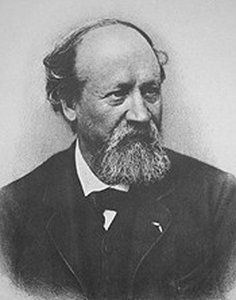
エギュヌ・ルイユ・ブドアン
1824 - 1898 , フランス
基本情報
- Artistic Movement Or Style: 印象派
- Artists Or Movements Influenced By This Artist: ['クロード・モネ']
- Artists Who Influenced This Artist:
- ヨハネス・コンクインド
- オランダの17世紀美術家
- Date Of Birth: 1824年7月12日
- Date Of Death: 1898年8月8日
- Full Name: Eugène Louis Boudin
- Nationality: フランス人
- Notable Artworks:
- ロブスターと白いテーブルクロス静物画
- サンカサティーン市場風景画
- Place Of Birth: フランス フンフルール
関連記事
The Allure of the Horizon: A Comprehensive Exploration of Seascape Art Through History & Emotion
Explore the captivating world of seascape art! Discover its history, key artists & movements – from Dutch Masters to Impressionism. Expert insights for collectors and enthusiasts at ArtsDot.

印象派風景を彩った至宝:アート史に名を刻む10選
印象派風景の革新を彩った10選。モネ、ルノワールら巨匠の名作を紐解き、色彩と光が生み出す感動の世界へ。アートの歴史とインテリアのインスピレーションをArtsDot.comで。高品質な複製画で、あなただけの空間を創造しましょう。
Impressionistic Realism's Finest: 10 Masterpieces for Your Home | ArtsDot
Journey through Impressionistic Realism with 10 iconic masterpieces by Monet, Renoir & Van Gogh. Explore art history, techniques & find museum-quality reproductions for your home at ArtsDot.com. Discover all masterpieces online!
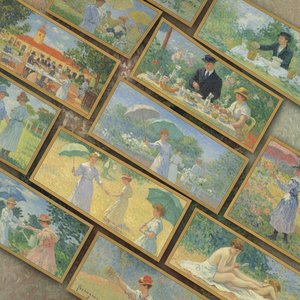
ルノワール傑作25選:光と色彩が織りなす印象派の華麗なる世界 | ArtsDot
ルノワールの傑作25選🎨 印象派の光と色彩が輝く世界へ。絵画の背景、技法、そして時代を超えて愛される理由を紐解きます。ArtsDotで高品質な複製画やインテリアアートを見つけ、お部屋に芸術的な彩りを✨ Explore the full collection online!

Impressionistic Landscapes: 10 Masterpieces That Changed Art & Decor
Journey into the heart of Impressionism! Explore 10 masterpieces by Monet, Renoir & Degas that revolutionized landscape art. Discover their stories, techniques & find museum-quality reproductions to elevate your home decor on ArtsDot.com.