 プレビュー
プレビュー
 プリントを購入
 シェアする
シェアする シェアする
シェアする
 詳細を見る
詳細を見る

 ダウンロード
 似ている作品
 X線調査
X線調査 スライドショー
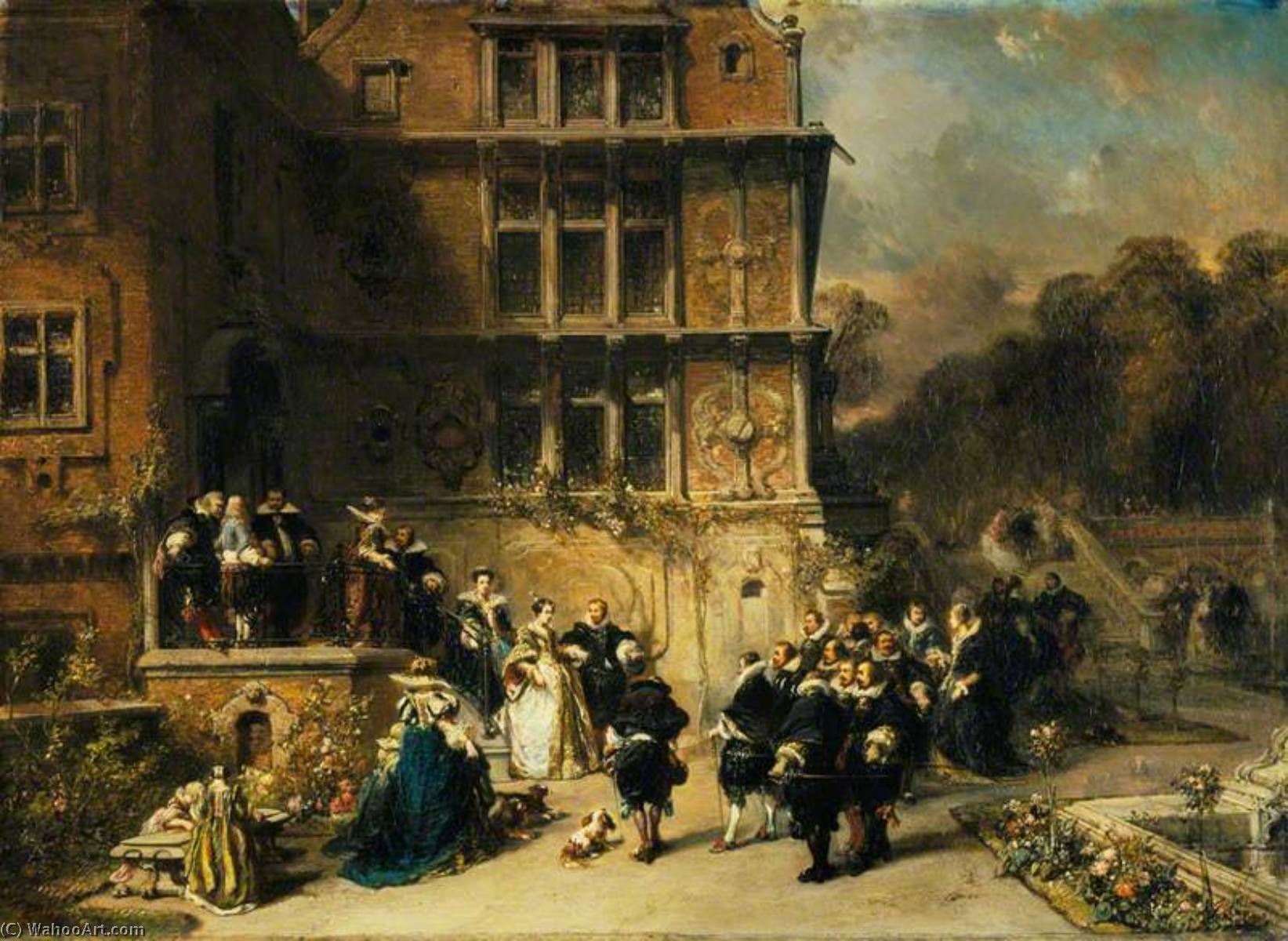
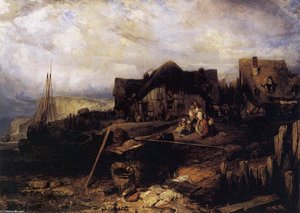
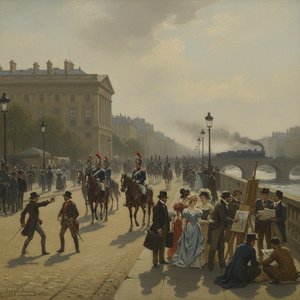
Court Reception at a Château
 Oil On Canvas
- WallArt
- Realism
 1851
1851 65.0 x 90.0 cm
 ロンドンタワー
 詳細を見る
詳細を見る




P118B $10

P118H $10

P118W $10

P438Z $10

P508JH $12

P508YH $12

P805H $10

P805Z $10

P919BZ $10

P919G $10

P919XJ $10

P959ZH $10

P968JZ $12

W106C $8

W218G $10

W218JH $8

W218Y $10

W307PJ $10

W316G $10

W316PJ $8

W316Y $10

W398PJ $8

W4111J $10

W500HY $15

W500JH $15

W692G $12

W849H $8

W940BG $15

W953PJ $8




作品のオリジナル比率に合わせた、当店の規定サイズからお選びください。

特定のフレームやスペースに合わせて、ご希望のサイズをご入力いただけます。選択されたサイズが元の画像の比率と異なる場合、アートワークをトリミングするか、手描きで要素を追加して絵画を拡張いたします。デジタルモックアップ を制作し、制作開始前にご確認(承認)をいただきます。
画面上のプレビューは、実際のトリミングや拡張を正確に反映しているものではありません。最終的な構図は、モックアップによってのみ正確にご確認いただけます。
カスタムサイズもご利用いただけますが、元の比率を維持するためには、あらかじめ用意されたリストからサイズを選択することをお勧めいたします。
ご注文後、ArtsDot.com チームより詳細な指示をお送りするとともに、仕上がりイメージ(モックアップ)をご提供いたします。


 ガラスオプションは、110cm未満のサイズでのみご利用いただけます。

Court Reception at a Château
複製技法
複製画のサイズ
-


合計金額
$ 263
作品解説
Court Reception at a Château – An Impressionist Vision of Aristocratic Life
The painting “Court Reception at a Château,” executed by Eugène Louis Gabriel Isabey in 1851, stands as a quintessential example of Romantic landscape painting infused with the nascent influences of Impressionism. More than just a depiction of an opulent gathering within a stately château, it’s a masterful exploration of light, atmosphere, and subtle emotional resonance—elements that would soon define the artistic movement Isabey helped usher in.A Scene Frozen in Time
Captured with remarkable realism for its era, the artwork transports viewers back to mid-19th century France. The château itself dominates the composition, rendered with meticulous architectural detail – arched windows reflecting sunlight, ornate facades hinting at centuries of aristocratic grandeur. However, Isabey doesn’t simply present a static portrait; he captures a vibrant moment of social interaction. A multitude of figures populate the courtyard, dressed in elaborate gowns and formal attire, engaged in animated conversation. These individuals aren't merely subjects of observation but embodiments of societal status and refinement—a key preoccupation of Romantic artists who sought to portray idealized visions of human experience.The Painter’s Technique – Light and Atmosphere
Isabey’s artistic prowess lies primarily in his masterful manipulation of light and color. Unlike the darker, more dramatic palettes favored by earlier Romantic painters, he employs a subdued palette dominated by earthy tones—ochres, browns, and muted greens—creating an environment imbued with tranquility and warmth. Yet, this calmness isn't achieved through mere monochrome; instead, Isabey skillfully utilizes broken brushstrokes to capture the diffused glow of sunlight filtering through the château’s windows and foliage. This technique anticipates Impressionist principles, prioritizing fleeting impressions over precise representation – a deliberate departure from academic conventions that championed meticulous detail. The artist’s careful observation of natural light is evident in every shade and tone, contributing significantly to the painting's overall mood.Symbolism Within the Landscape
Beyond its visual beauty, “Court Reception at a Château” carries symbolic weight. The château itself represents power, tradition, and social hierarchy—concepts central to Romantic thought. Simultaneously, the surrounding landscape serves as a backdrop for human activity, emphasizing the harmonious relationship between man and nature – a theme frequently explored by Romantic artists who celebrated the sublime grandeur of the natural world. The inclusion of a fountain adds an element of serenity and elegance, reinforcing the painting’s overarching impression of refined leisure and aristocratic refinement.Emotional Resonance: A Moment Preserved
Ultimately, Isabey succeeds in conveying a profound emotional experience—a snapshot of a joyous occasion amidst breathtaking surroundings. The artist's subtle brushwork and nuanced color choices evoke feelings of warmth, sophistication, and contemplation. “Court Reception at a Château” isn’t merely an aesthetically pleasing image; it’s a testament to the Romantic spirit’s fascination with capturing fleeting beauty and conveying complex emotions—a legacy that continues to inspire artists and collectors alike.- Artist: Eugène Louis Gabriel Isabey
- Year: 1851
- Medium: Oil on canvas
- Size: 65 x 90 cm
- Location: Wallace Collection
Further Exploration:
Discover more about Eugène Isabey and his artistic contributions at The Wallace Collection Online. Explore the artwork’s detailed information, including its provenance and stylistic influences.
Related Artwork:
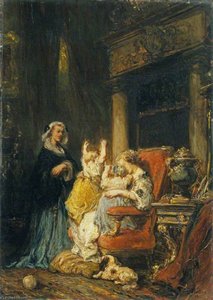
The Young Mother: Another captivating Impressionist painting showcasing maternal tenderness and serene beauty.
Recommended Reproduction:
Consider commissioning a high-quality hand-painted reproduction of “Court Reception at a Château” to bring this iconic artwork into your home or interior design project.
関連作品

アーティストの略歴
ウジェーヌ・ルイ・ガブリエル・イザベ:海辺の風景を描き出したロマン主義の巨匠
ウジェーヌ・ルイ・ガブリエル・イザベ(1803-1886)は、フランス・ロマン主義絵画における極めて重要な人物であり、とりわけ息を呑むほど美しい海や海岸線の描写でその名を馳せています。芸術の伝統が深く根付いた家庭に生まれた彼は、父ジャン=バティスト・イザベ自身も帝政宮廷に愛された名高い画家でした。そのため、彼の幼少期にはすでに創造的な運命が予兆されていたと言えるでしょう。当初は海での冒険に心を惹かれていた彼でしたが、より一般的な道へ進むことを拒み、芸術の道こそが真の天職であると直感しました。父の強い勧めによって下されたこの決断は、彼の人生を劇的に変えることとなります。彼はルーヴル美術館での集中的な研鑽へと突き動かされ、オンフルールでは風景画家ザビエ・ルプランスとの共同作業を通じて、ルプランスの早すぎる死まで続く、形成期における重要なパートナーシップを築き上げました。- 初期の修行と影響: イザベの芸術教育は父の指導の下で始まり、そこで彼はレンブラントやフェルメールといった巨匠たちの様式的な原則を熱心に吸収していきました。ルーヴル美術館は、彼の観察眼を研ぎ澄ませ、後に彼の作品の特徴となる「色彩の調和(トナール・ハーモニー)」への深い理解を育むための試練の場となりました。
- オンフルールと共鳴: オンフルールにおけるルプランスとの交流は計り知れない価値をもたらし、ブルターニュ海岸の劇的な美しさを捉えたいという共通の情熱を育みました。二人が共に生み出したキャンバスには、大気遠近法と繊細なパレットが溢れており、それは光と影を探求し始めた初期印象派運動の胎動を反映していました。
- サロンでの展示と評価: 1831年のサロンにおいて、イザベは自身の才能を世に示しました。モロッコでの遠征を描いた風景画は当初から高い評価を受けましたが、その旅にはウジェーヌ・デラクロワも同行していました。デラクロワの影響は単なる同行者という枠を超え、その大胆な色彩実験と筆致は、進化し続けるイザベのスタイルを決定づける要因となったのです。
王室の庇護と芸術的進化
ルイ=フィリップの治世(1830-1848)において、イザベは名声の頂点へと登り詰め、宮廷画家という栄誉ある地位を確立しました。その功績はレジオンドヌール勲章の騎士号によって象徴されています。この庇護は彼に有力な社交界への道を開き、芸術的な野心を燃え上がらせました。その結果として生まれたのが、亡命から凱旋したナポレオン・ボナパルトを記念した「エルバ島からのナポレオンの帰還」のような記念碑的な大作です。この時期、イザベはより表現力豊かなアプローチを取り入れ、劇的な光の演出と感情に訴えかける色彩の組み合わせを優先するようになりました。これは、初期のロマン主義画家たちとは一線を画す、彼独自の様式的特徴となりました。特筆すべきは、彼がターナーによる大気効果の見事な扱いを研究し、情緒や壮大さを伝えるための階調表現(トナール・グラデーション)の力を見出していた点です。- 代表作: イザベの最も称賛される作品には、「サン・マロの岩」、「浜辺の漁船」、「エルバ島からのナポレオンの帰還」などがあり、そのどれもが海辺の風景の繊細さを、驚くべき精度と感情的な響きをもって描き出す卓越した能力を示しています。
- 教育と後進の育成: 芸術の継承がいかに重要であるかを理解していたイザベは、自身のスタジオを設立し、ウジェーヌ・ブーダン、ヨハン・バルトルト・ヨングキント、デュラン=ブラージェといった志高い若き芸術家たちの才能を育みました。これにより、彼は次世代の画家たちに決定的な影響を与えた先駆者としての地位を確固たるものにしたのです。
遺産と歴史的意義
フランス・ロマン主義芸術に対するイザベの貢献は、単なる様式の革新にとどまりません。彼は、自然への心酔と心理的な深淵の探求という、当時の精神そのものを体現しています。彼のキャンバスは過ぎ去りし時代への窓であり、視覚的な華やかさだけでなく、変化や不確実性にまつわる不安といった、人間体験に内在する感情の複雑さをも捉えています。芸術に対する揺るぎない献身と、同時代の画家たちへ与えた永続的な影響は、19世紀芸術の巨星としての彼の地位を不動のものとし、その情緒豊かな海の描写は、今日においても観る者を魅了し続けています。彼は、芸術的情熱が持つ変革の力、そして自然界の崇高な美を捉えようと努める者が残す消えることのない足跡の証として、今もなお輝きを放っています。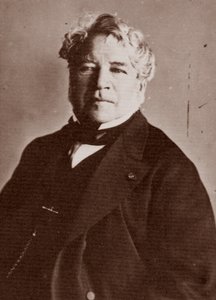
ウジェーヌ・イザベ
1803 - 1886 , フランス
基本情報
- Artistic Movement Or Style: ロマン主義
- Artists Or Movements Influenced By This Artist: ['クロード=ジョゼフ・ヴェルネ']
- Artists Who Influenced This Artist:
- ジャン=オーギュスト=ドミニク・アングルの
- ジャック=ニコラ=オーギュスタン・コシャン
- Date Of Birth: フランス、パリ (1803年)
- Date Of Death: 1886年
- Full Name: ウジェーヌ・ルイ・ガブリエル・イザベ
- Nationality: フランス
- Notable Artworks:
- ルイテル提督の乗船
- サン・マロの岩
- 浜辺の漁船
- Place Of Birth: パリ
関連記事
Romantic Realism's Finest: 10 Masterpieces for Your Home | ArtsDot
Explore 10 defining masterpieces of Romantic Realism! Discover Courbet, Millet & Daumier's powerful paintings—capturing emotion and social realities. Find museum-quality reproductions for your home at ArtsDot.com.
The Poetic Truth of Observation: Exploring 19th-Century Realism in Painting
Explore the captivating world of 19th-century Realism! Discover key artists like Courbet & Millet, masterpieces, and the powerful social commentary behind this influential art movement. Expert insights at ArtsDot.
The Evocative Embrace of Reality: Exploring Romantic Realism in 19th-Century Painting
Explore the captivating world of Romantic Realism! Discover key artists like Courbet & Millet, masterpieces, and the social context behind this influential art movement. Expert insights for collectors at ArtsDot.
Historical Realism: A Pursuit of Truthful Representation in 19th-Century Art
Explore the captivating world of 19th-century Realism! Discover key artists like Courbet, groundbreaking techniques & the social context behind this influential art movement. Expert insights at ArtsDot.
Émile Jean Horace Vernet: Romantic Realism & Depicting 19th-Century Life
Explore the life & art of Émile Jean Horace Vernet, a master of Romantic Realism. Discover his captivating battle scenes, portraits, and Orientalist works – a window into 19th-century France. Learn about his techniques & enduring legacy.