

 プレビュー
プレビュー
 プリントを購入
 シェアする
シェアする シェアする
シェアする
 詳細を見る
詳細を見る

 ダウンロード
 似ている作品
 X線調査
X線調査 スライドショー
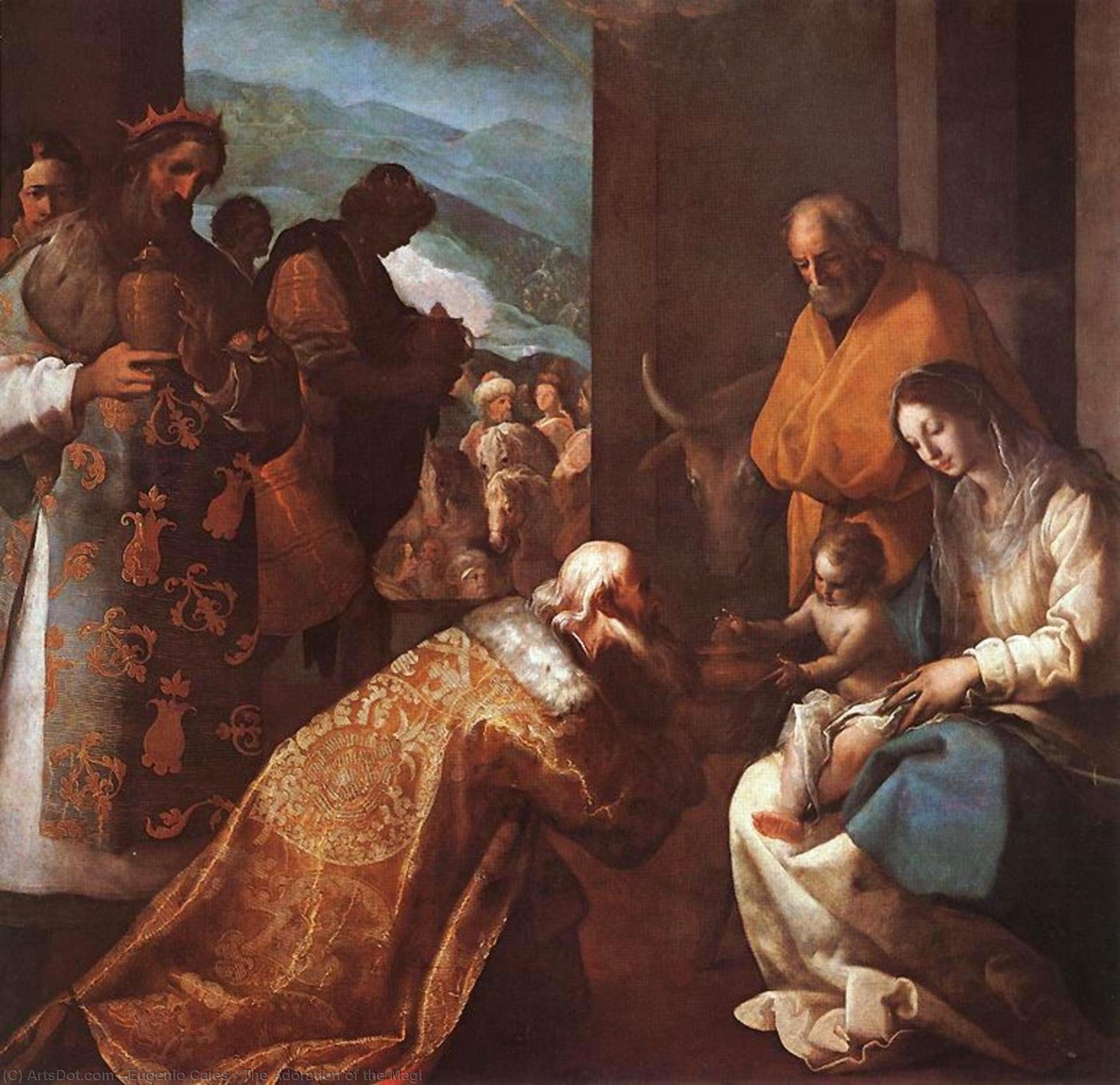
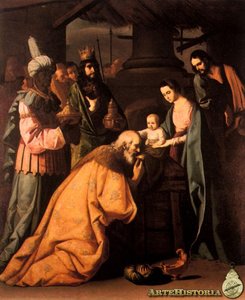
The Adoration of the Magi
 Oil On Canvas
- WallArt
- Baroque
 1620
1620- Early Modern
 183.0 x 186.0 cm
 Szépművészeti Múzeum
 詳細を見る
詳細を見る
オンラインプレビューをはるかに凌ぐ、高解像度で鮮明なデジタル画像をご購入いただけます。
各ファイルは、社内の専門家が高度なツールと熟練した手作業によるレタッチを用いて、細心の注意を払って準備されています。すべての画像において、卓越した鮮明度、正確な色彩再現性、そして繊細なディテールを保証いたします。
最終ファイルは、プロフェッショナルな編集・印刷環境ですぐにご利用いただけるよう最適化された状態で、72時間以内にメールにてお届けいたします。これは、一流のデザインスタジオ、出版社、ギャラリーから信頼されているものと同等の品質です。
デジタル画像のご注文に付随する特典
高品質なデジタル画像配信を、確かな品質で。
ArtsDot.com を選ぶことは、単に画像を手に入れることではありません。それは、プロの手によって精密に仕上げられ、満足保証が付いた高品質なデジタルアートワークを受け取ることを意味します。ご注文いただいた際に自動的に付随する内容は、以下の通りです:

メールですぐにお届け
ご注文から72時間以内に、高解像度のデジタル画像ファイルがメールでお手元に届きます。すぐにそのままご利用いただけます。

AI技術で最適化されたデジタルファイル
お客様の作品は、高度なAIツールと専門家による手作業の編集を組み合わせてプロフェッショナルに最適化されており、細部のディテール、鮮明さ、そして正確な色再現性を最大限に引き出しています。

一生涯無料の再送サービス
ファイルを誤って削除したり、紛失してしまったりしましたか?ご安心ください。いつでも無料で再送いたします。

輸入手数料は一切かかりません
関税や手数料、配送料を気にすることなく、お気に入りのアートワークをすぐにお楽しみいただけます。デジタルダウンロードは常に免税です。

色彩再現の保証
プロ仕様のツールとカラーマネジメント技術を用いることで、デジタル画像が元の色を最大限に忠実に再現することを保証いたします。

60日間満足保証
ご購入いただいたデジタル画像にご満足いただけない場合は、60日以内であれば、修正または100%の返金(理由を問う必要はありません)をさせていただきます。

100% 返金保証
ご満足いただけない場合は、デジタルファイルを受け取ってから60日以内であれば、理由を問わず全額返金いたします。

まとめ買い割引
3枚購入で10%OFF - 5枚購入で15%OFF - 10枚以上購入で20%OFF。クリエイティブなプロジェクト、ギャラリー、エージェンシーに最適です。
作品の詳細
The Adoration of the Magi – A Baroque Masterpiece by Eugenio Cajes
Eugenio Cajes’s “The Adoration of the Magi,” painted in 1620, is more than just a religious scene; it's a vibrant tableau of faith, royalty, and nascent modernity. This monumental oil on canvas, currently residing in the Museum of Fine Arts, Budapest, transports us to a pivotal moment in the infant Jesus’s life – the arrival of the Magi, bearing gifts of gold, frankincense, and myrrh. Cajes, a prominent figure within the Spanish Baroque artistic landscape, skillfully blends influences from his Florentine heritage with the dramatic intensity characteristic of his time, creating an image brimming with both solemn reverence and dynamic movement.
A Story Within a Scene: Biblical Narrative and Symbolism
The painting’s narrative is rooted in Matthew's Gospel account, depicting the Wise Men’s journey to Bethlehem and their offering of precious gifts to the newborn Jesus. However, Cajes elevates this familiar story through meticulous detail and layered symbolism. The central figures – Mary, Joseph, and the infant Christ – are rendered with a palpable sense of tenderness and dignity. The Magi themselves, depicted as richly adorned figures from diverse backgrounds—a suggestion of their origins from the East—are not merely presenting gifts; they embody the convergence of cultures and the promise of universal recognition for the Messiah. The palm tree prominently featured in the background is particularly significant, referencing the prophecy of a palm branch being laid upon Christ’s head at his coronation – a potent symbol of victory and divine authority. The scattered coins on the floor further reinforce this theme of royalty and the anticipated reign of the King of Kings.
Technique and Style: Baroque Drama in Detail
Cajes’s mastery lies not only in his narrative vision but also in his technical execution. The painting is a testament to the dynamism and theatricality that defined the Spanish Baroque style. He employs a dramatic use of light and shadow, creating a palpable sense of depth and volume within the composition. Note the meticulous rendering of textures – the velvet robes of the Magi, the roughspun garments of the shepherds, the shimmering gold of the gifts—each element contributing to the overall richness and opulence of the scene. The artist’s brushwork is loose and expressive, particularly in depicting the figures' gestures and expressions, conveying a sense of movement and emotion. The perspective, while not entirely linear, creates an immersive experience for the viewer, drawing them into the heart of the adoration.
Historical Context: A Renaissance Legacy in Madrid
To fully appreciate “The Adoration of the Magi,” it’s crucial to understand its historical context. Cajes worked primarily in Madrid during a period of significant artistic and political change. His father, Patricio Cajés, had been trained by Alessandro Allori, a leading Florentine artist, and later recruited by Luis de Requesens to bolster Spain's diplomatic presence. This lineage instilled in Eugenio a deep appreciation for classical ideals and Renaissance techniques. The painting reflects the influence of earlier works like Gerard David’s “Adoration of the Magi,” but Cajes imbues it with his own distinct style—a blend of emotional intensity, dramatic lighting, and meticulous detail. It stands as a powerful example of Baroque art flourishing within the heart of Madrid during the 17th century.
A Timeless Masterpiece: Reproduction Possibilities
Today, “The Adoration of the Magi” continues to captivate viewers with its beauty and emotional resonance. High-quality reproductions offer a remarkable opportunity to bring this masterpiece into your home or office, allowing you to appreciate Cajes’s skill and vision in exquisite detail. Whether you choose an unframed canvas for personal framing or a professionally framed version ready to hang, a reproduction of this iconic work will undoubtedly serve as a stunning focal point, evoking the grandeur and spiritual depth of the Baroque era.
関連作品



作家の略歴
Eugenio Cajes: A Baroque Visionary of Madrid
The history of the Spanish Baroque is often told through the lens of its most famous titans, yet the tapestry of this era is woven with the threads of masters like Eugenio Cajes. Born in Madrid around 1575, Cajes was a painter whose very identity was a bridge between cultures. Though his life was rooted in the Spanish capital, his artistic soul was deeply shaped by a Florentine lineage. As the son of Patricio Cajés—a talented artist recruited to Spain by the ambassador Luis de Requesens—Eugenio inherited a legacy steeped in the refined traditions of Italy. This dual heritage allowed him to infuse the grandeur of the Spanish court with the sophisticated elegance of the Florentine school, creating a style that was both locally resonant and internationally informed.
The evolution of Cajes’s technique is a journey through the most transformative artistic movements of his time. His early years were marked by the classical influences of his father, a disciple of Alessandro Allori, which instilled in him a respect for balanced composition and anatomical precision. However, the true metamorphosis occurred around 1595, when Cajes traveled to Rome. Immersed in the vibrant, turbulent atmosphere of the Eternal City, he witnessed the dawn of Caravaggio’s naturalism. This exposure to the dramatic use of chiaroscuro—the interplay of profound shadow and piercing light—would become a hallmark of his mature work, lending an emotional intensity and a palpable sense of drama to his religious and historical narratives.
Royal Commissions and Monumental Mastery
Cajes’s professional ascent was inextricably linked to the highest echelons of Spanish power. His talent earned him a prestigious position within the royal courts of King Philip II and Philip III, eventually being appointed as a Painter to the King in August 1612. This role granted him access to the most significant architectural and religious projects of the age. One of his most breathtaking achievements was the decoration of the royal audience chamber in Madrid, where he executed a monumental depiction of Solomon’s Judgment upon the vault. Such works required not only technical skill but an ability to manage vast, complex compositions that could command the attention of a monarch.
Beyond the palace walls, Cajes left an indelible mark on Spain's sacred spaces. His collaborative spirit was evident in his work with Vincenzo Carducci, particularly in the decoration of the chapel of Our Lady del Sagrario in Toledo. He also contributed significant canvases to the retablo mayor of the Monastery of Guadalupe, demonstrating a versatility that allowed him to move seamlessly between intimate devotional pieces and massive, multi-figure altarpieces. His ability to weave together biblical storytelling with the opulent textures of the Baroque era made him a preferred hand for the most important ecclesiastical commissions in the kingdom.
A Legacy of Light and Narrative
The enduring significance of Eugenio Cajes lies in his ability to synthesize disparate influences into a cohesive, emotive language. Whether he was depicting the mythic allure of Leda and the Swan or the profound solemnity of The Adoration of the Magi, his work always sought to capture the divine within the human. In his religious paintings, the figures are not merely icons; they are characters imbued with a sense of weight, breath, and spiritual yearning. His mastery of detail—the shimmer of silk, the glint of gold, and the soft glow of skin—served to ground his grand narratives in a reality that felt both miraculous and immediate.
Though some of his most ambitious works, such as his large-scale historical canvas on the History of Agamemnon, have been lost to the passage of time, the remnants of his oeuvre continue to fascinate scholars and art lovers alike. Cajes remains a vital figure for understanding the complexity of the Spanish Baroque, representing a moment when the traditions of Italy and the ambitions of Spain converged to create something truly transcendent. His life and work stand as a testament to the power of artistic lineage and the transformative impact of cultural exchange.

Eugenio Cajes
1575 - 1634 , Spain
プロフィール概要
- Artistic Movement Or Style: Baroque
- Artists Or Movements Influenced By This Artist: ['Caravaggio']
- Artists Who Influenced This Artist:
- Alessandro Allori
- Luis de requesens
- Date Of Birth: Madrid, Spain (1575)
- Date Of Death: 1634
- Full Name: eugenio cajes
- Nationality: Spanish
- Notable Artworks:
- Leda & The Swan
- The Adoration of the Magi
- Encuentro Ante La Puerta Dorada
- Place Of Birth: Madrid

