

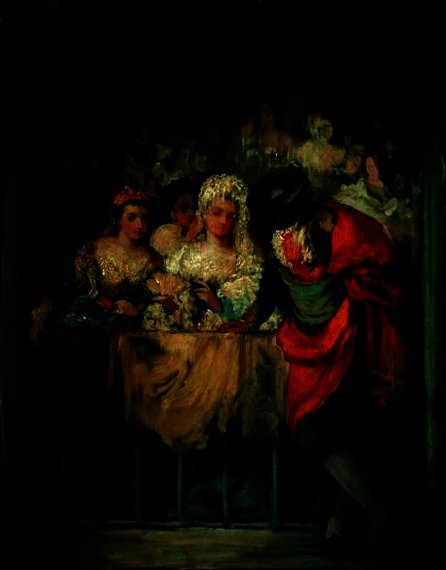
 プレビュー
プレビュー
 シェアする
シェアする シェアする
シェアする
 詳細を見る
詳細を見る

 ダウンロード
 似ている作品
 X線調査
X線調査 スライドショー
Las presidentas
 詳細を見る
詳細を見る
ジークレー/アートプリント
迅速な制作と多彩な仕上げオプションを備えた、ミュージアムクオリティのジークレーまたはキャンバスプリント。 ( 手描きの絵画を購入 画像を購入)




































作品のオリジナル比率に合わせた、当店の規定サイズからお選びください。

特定のフレームやスペースに合わせて、ご自身でサイズを指定することも可能です。選択されたサイズが元の画像の比率と一致しない場合、作品をトリミングするか、鏡面反射または単色での塗りつぶしによって画像を拡張いたします。制作を開始する前に、ご確認用のデジタルモックアップをお送りいたします。
画面上のプレビューには、実際のトリミングや拡張は反映されませんのでご注意ください。最終的な構図を正確に確認できるのは、モックアップのみとなります。
カスタムサイズも承っておりますが、元の比率を維持するためには、あらかじめ用意されたリストからサイズを選択することをお勧めいたします。


 ガラスオプションは、110cm未満のサイズでのみご利用いただけます。

Las presidentas
ジークレー/アートプリント
複製画のサイズ
-


合計金額
$ 62
関連作品






アーティストの略歴
Eugenio Lucas Velázquez: A Romantic Visionary of Spanish Life
Eugenio Lucas Velázquez, a name often intertwined with the enigmatic figure of Eugenio Lucas Padilla, remains a captivating and somewhat elusive figure in 19th-century Spanish art. Born in Madrid in 1817 to a middle-class family initially involved in cabinetmaking, his artistic journey began not through formal academic training but through an intense, almost obsessive study of the masterpieces housed within the Museo del Prado. This early immersion in the works of Goya and Velázquez profoundly shaped his aesthetic sensibilities, laying the foundation for a distinctive style characterized by vibrant color palettes, dynamic brushwork, and a deep engagement with the realities of everyday Spanish life – a genre he masterfully captured under the banner of *costumbrista* art.
Lucas’s artistic development was marked by a deliberate rejection of the rigid conventions of the Real Academia de Bellas Artes de San Fernando. While he briefly attended, he quickly abandoned the prescribed Classicism, preferring instead to forge his own path inspired by Goya's expressive spirit and the raw emotion evident in his depictions of Spanish society. This decision led him to meticulously copy paintings from the Prado for years, a practice that, while initially viewed as unorthodox, ultimately honed his technical skills and deepened his understanding of composition and technique.
The Influence of Goya and Parisian Modernity
Goya’s profound impact on Lucas Velázquez is undeniable. The artist absorbed Goya's penchant for capturing the dramatic intensity of human emotion, his masterful use of light and shadow, and his unflinching portrayal of both the sublime and the grotesque. However, Lucas didn’t simply imitate; he channeled Goya’s spirit into a distinctly Romantic vision. Furthermore, a pivotal trip to Paris in 1852 proved transformative. Exposed to the burgeoning artistic currents of the time – particularly the influence of Eugène Delacroix – Lucas embraced looser brushwork and a heightened sense of drama, incorporating elements of French Romanticism into his own style.
This Parisian sojourn wasn’t merely an aesthetic encounter; it represented a crucial shift in perspective. Lucas began to depict scenes from Spanish life with a greater emphasis on social commentary and the struggles of ordinary people. He moved beyond simple genre paintings, exploring themes of poverty, rural labor, and the complexities of human relationships – subjects that resonated deeply with the Romantic sensibility.
A Court Painter and Patronage
Despite his independent spirit, Lucas Velázquez’s career was inextricably linked to patronage. Following a successful exhibition in 1850, he secured commissions from wealthy patrons, including the influential Marqués de Salamanca, who famously had one of Goya's unsettling Black Paintings removed from his palace and installed within Lucas’s collection. This association with the upper echelons of Spanish society afforded him financial stability and access to a wider audience, but it also shaped the subject matter of many of his works – often depicting scenes of aristocratic leisure and social gatherings.
Queen Isabel II recognized Lucas's talent, bestowing upon him the title of Honorary Court Painter and elevating him to the Order of Charles III. This honor solidified his position within the artistic establishment and further enhanced his reputation as a leading figure in Spanish Romanticism. His paintings frequently depicted scenes of courtly life, offering glimpses into the opulent world of the Spanish monarchy.
Themes and Style: Costumbrismo and Fantastic Elements
Lucas Velázquez’s art is primarily defined by *costumbrista* painting – a genre that sought to document and celebrate the customs, traditions, and everyday life of Spain. However, his work transcends mere documentation; he imbued these scenes with a potent emotional charge, often incorporating fantastical elements and dreamlike imagery. His paintings are not simply representations of reality but rather evocative narratives that explore the complexities of human experience.
Lucas’s distinctive style is characterized by bold color palettes, dynamic brushwork, and an expressive use of light and shadow. He frequently employed a technique known as *alla prima*, working directly onto the canvas without extensive underpainting, resulting in paintings with a sense of immediacy and spontaneity. His compositions are often asymmetrical and crowded, reflecting the bustling energy of Spanish life.
Legacy and Recognition
Despite the challenges posed by his relatively small body of signed works – a factor that has complicated efforts to fully attribute his oeuvre – Eugenio Lucas Velázquez remains a significant figure in Spanish Romantic art. His paintings offer a compelling glimpse into the social, cultural, and emotional landscape of 19th-century Spain. His influence can be seen in the work of subsequent generations of Spanish artists, and his evocative depictions of everyday life continue to resonate with viewers today.
Lucas’s legacy is further cemented by his son, Eugenio Lucas Villaamil, who also pursued a career as an artist, carrying on the family tradition of capturing the spirit of Spain through vibrant color and expressive brushwork. Together, father and son contributed significantly to the development of Spanish Romantic painting, leaving behind a rich artistic heritage that continues to be studied and appreciated.
基本情報
- Artistic Movement Or Style: Romanticism
- Artists Or Movements Influenced By This Artist: ['Lucas Villaamil']
- Artists Who Influenced This Artist:
- Goya
- Delacroix
- Date Of Birth: February 9, 1817
- Date Of Death: September 11, 1870
- Full Name: Eugenio Lucas Velázquez
- Nationality: Spanish
- Notable Artworks:
- The Defence of Saragossa
- Various costumbrista scenes
- Place Of Birth: Madrid, Spain