

 プレビュー
プレビュー
 プリントを購入
 シェアする
シェアする シェアする
シェアする
 詳細を見る
詳細を見る

 ダウンロード
 似ている作品
 X線調査
X線調査 スライドショー
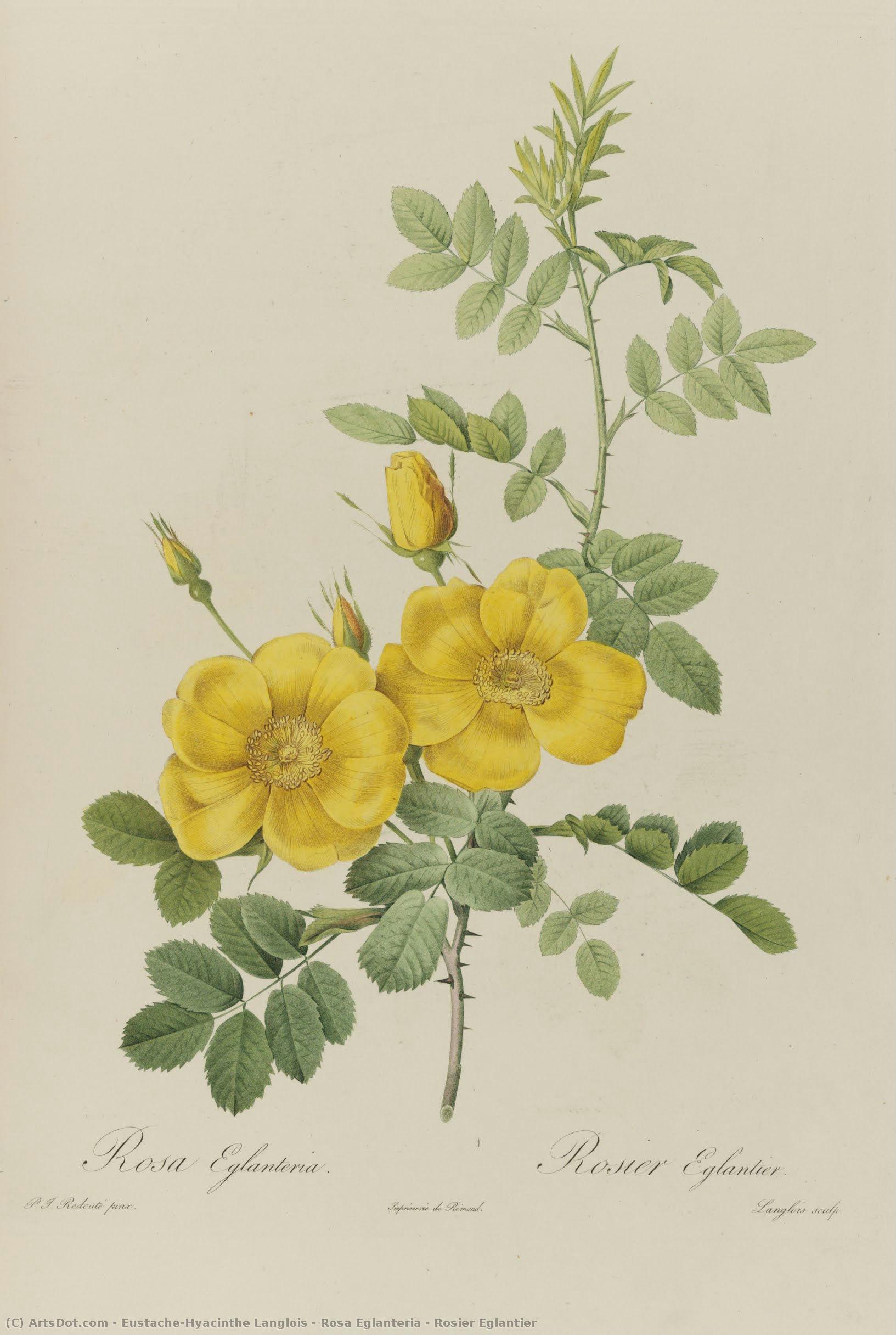
Rosa Eglanteria | Rosier Eglantier


 詳細を見る
詳細を見る




































作品のオリジナル比率に合わせた、当店の規定サイズからお選びください。

特定のフレームやスペースに合わせて、ご希望のサイズをご入力いただけます。選択されたサイズが元の画像の比率と異なる場合、アートワークをトリミングするか、手描きで要素を追加して絵画を拡張いたします。デジタルモックアップ を制作し、制作開始前にご確認(承認)をいただきます。
画面上のプレビューは、実際のトリミングや拡張を正確に反映しているものではありません。最終的な構図は、モックアップによってのみ正確にご確認いただけます。
カスタムサイズもご利用いただけますが、元の比率を維持するためには、あらかじめ用意されたリストからサイズを選択することをお勧めいたします。
ご注文後、ArtsDot.com チームより詳細な指示をお送りするとともに、仕上がりイメージ(モックアップ)をご提供いたします。


 ガラスオプションは、110cm未満のサイズでのみご利用いただけます。

Rosa Eglanteria | Rosier Eglantier
複製技法
複製画のサイズ
-


合計金額
$ 263
関連作品









アーティストの略歴
A Life Immersed in Normandy: The World of Eustache-Hyacinthe Langlois
Eustache-Hyacinthe Langlois, born August 3rd, 1777, in the quaint Norman town of Pont de l'Arche, was an artist whose life became inextricably linked with the preservation of his region’s rich cultural heritage. He wasn’t merely a painter or engraver; he was a chronicler, a scholar, and a passionate advocate for the artistic legacy of Normandy. His journey began amidst the tumultuous backdrop of the French Revolution, a period that profoundly shaped not only his personal trajectory but also the very themes that would come to define his oeuvre. Initially destined for an administrative career – his father held positions as an advisor to the king and Master of Forestry – Langlois’s early artistic inclinations were almost overshadowed by societal expectations. However, fate intervened with the upheaval of 1789, forcing his family into exile and inadvertently opening a path towards his true calling. A brief imprisonment followed, but through the intervention of Jacques-Charles Dupont de l'Eure, he was released and began formal art studies in 1793 at the prestigious École de Mars in Paris under the tutelage of the renowned Jacques-Louis David.From Revolutionary Turmoil to Artistic Awakening
Langlois’s early artistic development wasn’t without its challenges. Conscripted into the army in 1794, he skillfully navigated a network of connections to secure his release, eventually receiving a discharge facilitated by Napoleon's wife, Joséphine de Beauharnais. This period underscored a resilience and resourcefulness that would characterize his entire career. He initially studied with Anicet Charles Gabriel Lemonnier but returned to David’s studio, seeking a more aligned artistic direction. However, the most significant turning point came in 1806 when he was compelled to return to Pont-de-l'Arche, entering a decade of relative obscurity. It was during these years of quiet contemplation and limited resources that Langlois truly discovered his unique voice. Surrounded by the evocative remnants of medieval architecture – crumbling buildings, ancient ruins steeped in history – he began to create drawings imbued with a gothic sensibility, populated by fantastical creatures and scenes drawn from local legends. These works weren’t simply artistic exercises; they were an attempt to capture the spirit of a bygone era, a world of devils and sorcerers born from the collective imagination of Normandy.The “Norman Callot” and the Preservation of Heritage
By 1816, Langlois had relocated to Rouen, a larger city offering greater opportunities for artistic expression. Despite initial financial hardships, he persevered, selling his gothic drawings to sustain himself and his family. It was in Rouen that he truly flourished, becoming deeply involved in local cultural life. He dedicated himself to the study and preservation of Norman heritage, meticulously documenting historical subjects through both writing and illustration. This commitment earned him the affectionate moniker “the Norman Callot,” a tribute to the renowned 17th-century engraver Jacques Callot, celebrated for his detailed depictions of everyday life and fantastical scenes. Langlois’s work, however, was distinctively focused on the medieval past of Normandy, showcasing its unique architectural features, religious traditions, and artistic achievements. He became an active participant in numerous publications within Rouen, sharing his knowledge and passion with a wider audience.A Legacy Etched in Stone and Ink
Langlois’s dedication to scholarship and art was recognized through various accolades. In 1824, he was inducted into the Rouen Academy, followed by membership in the Society of Antiquaries of Normandy in 1825. His influence extended beyond his own artistic creations; he became a respected teacher, mentoring young artists like Célestin Nanteuil and, notably, Gustave Flaubert, the future literary giant. In 1827, he served as a guide to the Duchess of Berry during her visit to Rouen, impressing her with his profound understanding of the city’s monuments. This encounter led to his appointment as professor of drawing at Rouen's municipal school of art in 1828. Further honors followed – membership in the Society of Antiquaries of Scotland in 1830 and the presidency of the Société d’émulation de Rouen in 1833. He was appointed a Chevalier of the Legion of Honour, solidifying his position as a leading figure in French artistic and historical circles.Enduring Influence: A Testament to Norman Identity
Eustache-Hyacinthe Langlois passed away in Rouen on September 29th, 1837, leaving behind a remarkable body of work that continues to resonate today. His legacy extends far beyond his paintings and engravings; it lies in his tireless efforts to preserve the cultural identity of Normandy. Through his meticulous documentation of medieval art, architecture, and legends, he provided invaluable insights into a region’s rich past. Even after his death, his family continued to publish his writings and illustrations until around 1852, ensuring that his work reached an even wider audience. Langlois wasn't simply recreating images; he was breathing life back into history, reminding generations of the enduring power of art to connect us with our roots and celebrate the unique beauty of a place and its people.- Notable Artworks: Rosa Eglanteria, Rosa Pimpinellifolia flore variegato
- Artistic Movement Or Style: Gothic art
- Artists Influenced By This Artist: Norman Callot
- Artists Who Influenced This Artist: Callot
- Date Of Death: 1837
- Full Name: Eustache Hyacinthe Langlois
- Nationality: French
- Place Of Birth: France
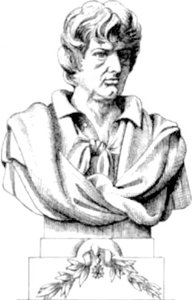
eustache-hyacinthe langlois
1777 - 1837 , France
基本情報
- Artistic Movement Or Style: Gothic art
- Artists Or Movements Influenced By This Artist: ['Norman Callot']
- Artists Who Influenced This Artist: ['Callot']
- Date Of Death: 1837
- Full Name: Eustache Hyacinthe Langlois
- Nationality: French
- Notable Artworks:
- Rosa Eglanteria
- Rosa Pimpinellifolia flore variegato
- Place Of Birth: France

