

 プレビュー
プレビュー
 プリントを購入
 シェアする
シェアする シェアする
シェアする
 詳細を見る
詳細を見る

 ダウンロード
 似ている作品
 X線調査
X線調査 スライドショー
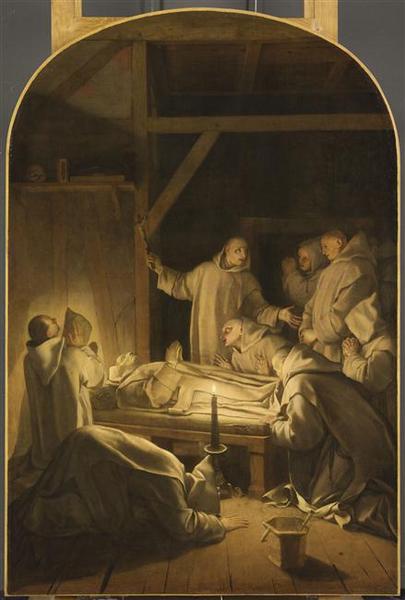
MORT DE SAINT BRUNO LE 6 OCTOBRE 1101


 詳細を見る
詳細を見る




P118B $10

P118H $10

P118W $10

P438Z $10

P508JH $12

P508YH $12

P805H $10

P805Z $10

P919BZ $10

P919G $10

P919XJ $10

P959ZH $10

P968JZ $12

W106C $8

W218G $10

W218JH $8

W218Y $10

W307PJ $10

W316G $10

W316PJ $8

W316Y $10

W398PJ $8

W4111J $10

W500HY $15

W500JH $15

W692G $12

W849H $8

W940BG $15

W953PJ $8




作品のオリジナル比率に合わせた、当店の規定サイズからお選びください。

特定のフレームやスペースに合わせて、ご希望のサイズをご入力いただけます。選択されたサイズが元の画像の比率と異なる場合、アートワークをトリミングするか、手描きで要素を追加して絵画を拡張いたします。デジタルモックアップ を制作し、制作開始前にご確認(承認)をいただきます。
画面上のプレビューは、実際のトリミングや拡張を正確に反映しているものではありません。最終的な構図は、モックアップによってのみ正確にご確認いただけます。
カスタムサイズもご利用いただけますが、元の比率を維持するためには、あらかじめ用意されたリストからサイズを選択することをお勧めいたします。
ご注文後、ArtsDot.com チームより詳細な指示をお送りするとともに、仕上がりイメージ(モックアップ)をご提供いたします。


 ガラスオプションは、110cm未満のサイズでのみご利用いただけます。

MORT DE SAINT BRUNO LE 6 OCTOBRE 1101
複製技法
複製画のサイズ
-


合計金額
$ 388
作品解説
A Solemn Vigil: The Death of Saint Bruno
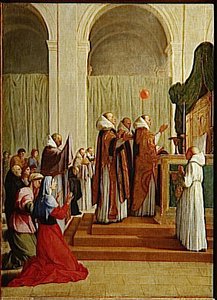
In the quiet, shadowed corridors of seventeenth-century French devotion, few works capture the profound weight of mortality and faith as poignantly as Eustache Le Sueur’s Mort de Saint Bruno le 6 Octobre 1101. This masterpiece serves as a window into a moment of sacred transition, depicting the passing of the venerable founder of the Carthusian Order. The scene is one of hushed reverence, where a group of Franciscan monks gathers around the lifeless form of their brother. There is an immediate, palpable sense of stillness that envelops the viewer, inviting them to step out of the frantic pace of modern life and into a space of eternal contemplation. The composition, framed by a heavy, arched doorway, creates an intimate sanctuary, pulling the observer into the very heart of this religious vigil.
The technical mastery of Le Sueur is on full display through his sophisticated use of chiaroscibility. As a prominent figure of the French Baroque, Le Sueur employs dramatic light and shadow to direct the soul's eye. A singular, flickering light source—perhaps a candle held in unseen hands—illuminates the pale, serene face of the deceased, casting much of the surrounding monastic cell into deep, mysterious gloom. This interplay of light does more than just define form; it acts as a spiritual metaphor, representing the light of divine grace piercing through the darkness of earthly death. The textures of the heavy woolen robes, the rough-hewn wooden planks of the floor, and the soft drapery are rendered with such tactile precision that one can almost feel the somber atmosphere of the stone chamber.
Symbolism and the Baroque Spirit
Beyond its surface beauty, the painting is a rich tapestry of religious symbolism. Every element within the frame contributes to the narrative of faith, devotion, and the inevitability of the end. The geometric stability of the architecture—the rectangular walls and the imposing arch—provides a sense of permanence and order, contrasting sharply with the fragility of the human life lying at the center of the work. The muted palette of browns, creams, and grays reinforces the ascetic lifestyle of the monks, stripping away worldly distractions to focus entirely on the spiritual significance of the moment. The subtle glint of gold in the doorway frame serves as a celestial hint, suggesting that while the body remains in the earthly realm, the soul is transitioning toward a higher, luminous reality.
For the discerning collector or interior designer, this artwork offers much more than mere decoration; it provides an anchor of historical depth and emotional gravity. A high-quality reproduction of this piece brings a sense of timeless elegance and intellectual sophistication to any space. Whether placed in a private library, a formal study, or a curated gallery wall, the painting’s dramatic intensity and classical composition command attention without overwhelming the room. It is an ideal selection for those who appreciate art that tells a story—a piece that invites long periods of reflection and serves as a constant reminder of the beauty found in quiet, sacred moments.
関連作品
アーティストの略歴
神聖なるヴィジョンに捧げられた生涯:ユスタッシュ・ル・スールの世界
17世紀フランス・バロック絵画の情熱と洗練を象徴する名、ユスタッシュ・ル・スール。彼の名は、フランス美術史における進化の極めて重要な転換点として刻まれています。1617年11月19日にパリで生まれ、同年の4月30日にその地で生涯を閉じたル・スールは、宗教的な物語を、次第に新古典主義的な感性へと昇華させることにその人生を捧げました。彼の歩みは、広大な旅や劇的な私生活の波乱に満ちたものではありませんでした。むしろ、パリのアート界における着実な上昇であり、その頂点は、権威あるフランス王立絵画彫刻アカデミーの創設メンバーとしての役割に結実したのです。熟練の旋盤工であり木彫家でもあった父カテラン・ル・スールは、息子の芽生えつつある才能をいち早く見抜き、当時フランス絵画界の主役であったシモン・ヴォアに弟子入りさせました。この基礎的な修行こそが、若きユスタッシュに、その後のキャリア全体を特徴づけることになる卓越した素描力と構図の技術を授けた決定的な瞬間となったのです。初期の成功と王室からの依頼
ヴォアの工房において、ル・スールは瞬く間に頭角を現し、画家のギルドへの加入を果たしました。初期の作品、とりわけ複雑な寓意に満訂されたロマンス文学『ヒプネロトマキア・ポリフィリ』の場面を描いた作品群は、彼に最初の名声をもたらしました。しかし、彼の真の評価を確立したのは、ランベール・ド・トリニィの邸宅のために依頼された一連の装飾画でした。他の仕事に追われ、プロジェクトが中断されることも少なくありませんでしたが、これらの作品は、ダイナミックな構図を生み出し、登場人物に劇的な存在感を吹き込むル・スールの成長し続ける能力を世に知らしめました。さらに、彼の野心はルーヴルそのものへと向けられました。王室の居室のために描かれた数々の絵画は、残念ながら歴史の荒波の中で失われてしまいましたが、当時の目録にはその存在が記録されています。こうした依頼は、フランス社会の最高層における彼の受容が進んでいることを示し、さらなる機会への道を開くとともに、求められる芸術家としての地位を揺るぎないものにしました。彼は単に装飾的な計画を実行していたのではありません。ルイ13世、そして後のルイ14世の宮廷を定義づけた、「権力」と「信仰心」という視覚的言語の構築に、自らも寄与していたのです。アカデミーの創設と新古典主義への転換
ル・スールのキャリアにおける決定的な瞬間は、1648年のフランス王立絵画彫刻アカデミーの設立とともに訪れました。彼は最初の十二名の「長老(エルダー)」の一人として選出され、機関の発展を導き、芸術的卓越性の基準を定める重責を担いました。この役割は単なる行政的なものではなく、ル・スールの美意識におけるより広範な変化を反映したものでした。彼は、形態の明晰さ、抑制された感情、そして理想化された美への集中を特徴とする、新古典主義的なスタイルへと次第に惹かれていったのです。これは、初期バロック絵画に見られた華美な傾向からの脱却でもありました。「パリ・アティシズム(パリ的古典主義)」として知られるようになるこの様式は、知的な厳格さと古典的原理への回帰を強調し、彼自身の作品のみならず、後の世代のフランス美術の方向性を形作ることとなりました。遺産と歴史的意義
ユスタッシュ・ル・スールの影響は、彼自身の絵画の枠を超えて広がっていました。彼は、妻の弟であるテオドール・グッセや数人の兄弟を含む多くの弟子を育て、自らの様式と技法を継承する工房を築き上げました。ルーヴルのデッサン部門(Cabinet des Dessins)に保存されている多くの素描は、彼の類まれな素描能力を証明しており、その創造的なプロセスを知るための貴重な手がかりとなっています。一部の批評家は、彼の作品に見られるある種の型にはまった傾向――確立された類型に依存する傾向――を指摘することもありますが、ル・スールが17世紀フランスの美的景観を形成する上で極めて重要な役割を果たしたことは否定できません。彼は、初期バロックの奔放さと、後のルイ14世時代にフランス美術を定義づけることになる抑制された古典主義との架け橋となったのです。宗教的な主題への献身、技術的な輝き、そして芸術的卓越性への情熱が融合した彼の作品群は、今なお畏敬と称賛を集め続けています。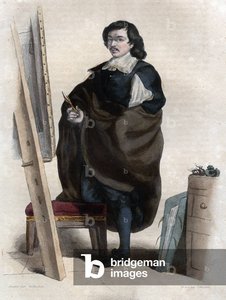
ユスターシュ・ル・スール
1616 - 1655 , フランス
基本情報
- Artistic Movement Or Style: バロック絵画
- Date Of Birth: 1617年11月19日
- Date Of Death: 1655年4月30日
- Full Name: ユスタッシュ・ル・スール
- Nationality: フランス
- Notable Artworks:
- 十字架降下
- テルプシコレ
- コリオラヌスの前に立つヴォルムニアとヴェトゥーリア
- Place Of Birth: フランス、パリ
関連記事
Discover the Divine: Inspiring Saint Anthony Artworks to Elevate Your Home Decor
Transform your home with the profound beauty of Saint Anthony artworks. Explore exquisite Baroque reproductions by Murillo and Zurbarán, hand-painted on 100% cotton canvas to bring divine serenity and timeless elegance to your interior design.

The Dramatic Flourish: Exploring the Baroque Movement's Enduring Legacy in Art History
Explore the dramatic world of Baroque art! Discover iconic artists like Caravaggio & Rubens, defining techniques, and its lasting impact on art history. Expert insights for collectors & enthusiasts at ArtsDot.
Decoding Baroque Grandeur: A Guide to the Drama and Emotion of 17th-Century Art
Explore the breathtaking drama of 17th-century Baroque art. Our expert guide decodes the use of chiaroscuro, emotional intensity, and historical grandeur to help you appreciate and curate timeless masterpieces for your collection.
The Golden Age Reforged: Dramatic Realism & Religious Zeal in Spanish Baroque Art
Explore the dramatic world of Spanish Baroque art! Discover masters like Zurbarán & the powerful influence of religious zeal on painting techniques – a guide for collectors and enthusiasts.

Baroque Classicism: Reconciling Drama & Order in 17th-Century Art
Explore the captivating world of Baroque Classicism! Discover its history, key artists like Caravaggio & Rubens, and defining characteristics. Expert insights & high-quality reproductions at ArtsDot.

