

 プレビュー
プレビュー
 プリントを購入
 シェアする
シェアする シェアする
シェアする
 詳細を見る
詳細を見る

 ダウンロード
 似ている作品
 X線調査
X線調査 スライドショー
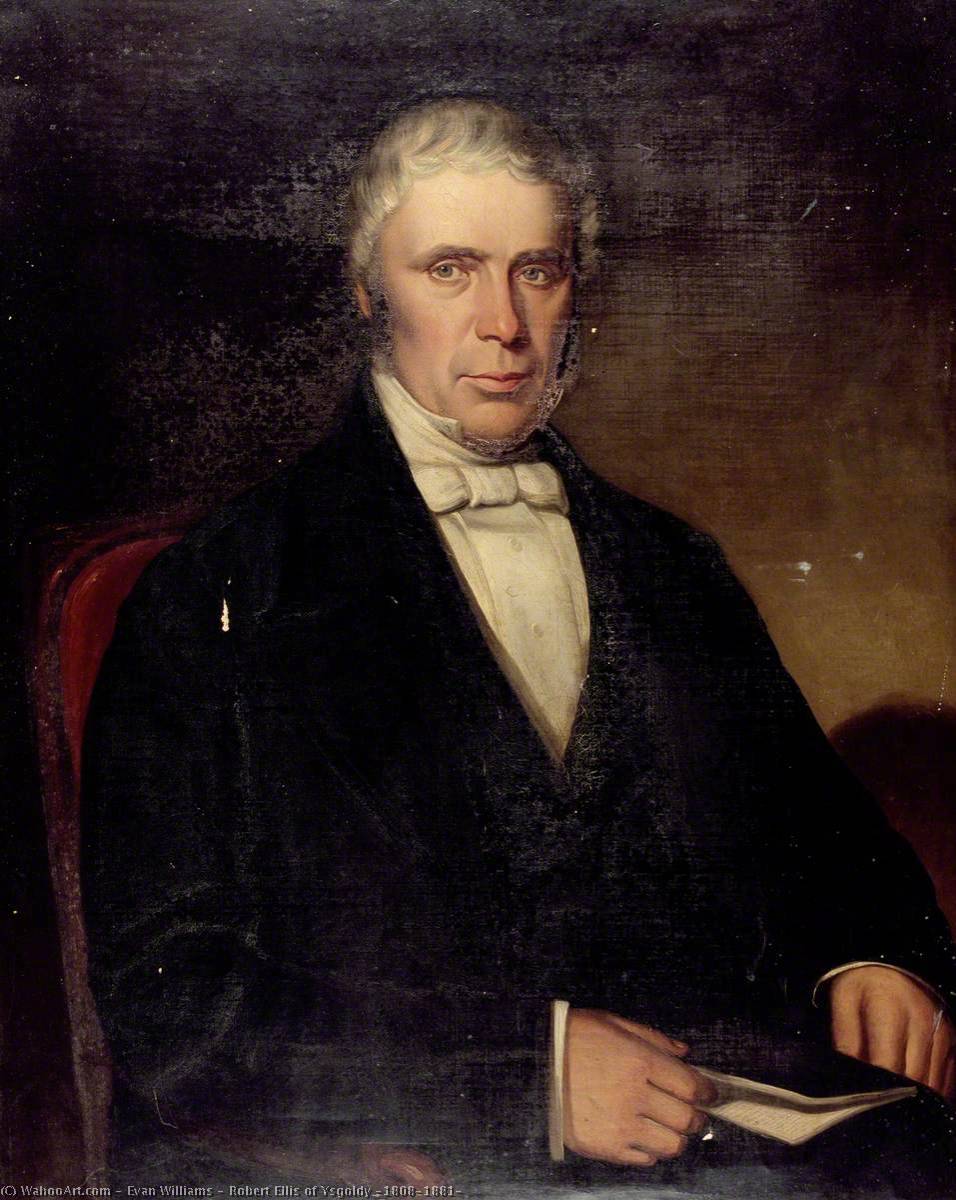
Robert Ellis of Ysgoldy (1808–1881)
 1860
1860 91.0 x 71.0 cm
 Llyfrgell Genedlaethol Cymru / The National Library of Wales
 詳細を見る
詳細を見る




































作品のオリジナル比率に合わせた、当店の規定サイズからお選びください。

特定のフレームやスペースに合わせて、ご希望のサイズをご入力いただけます。選択されたサイズが元の画像の比率と異なる場合、アートワークをトリミングするか、手描きで要素を追加して絵画を拡張いたします。デジタルモックアップ を制作し、制作開始前にご確認(承認)をいただきます。
画面上のプレビューは、実際のトリミングや拡張を正確に反映しているものではありません。最終的な構図は、モックアップによってのみ正確にご確認いただけます。
カスタムサイズもご利用いただけますが、元の比率を維持するためには、あらかじめ用意されたリストからサイズを選択することをお勧めいたします。
ご注文後、ArtsDot.com チームより詳細な指示をお送りするとともに、仕上がりイメージ(モックアップ)をご提供いたします。


 ガラスオプションは、110cm未満のサイズでのみご利用いただけます。

Robert Ellis of Ysgoldy (1808–1881)
複製技法
複製画のサイズ
-


合計金額
$ 263
関連作品







アーティストの略歴
The Mountain Poet: The Dual Legacy of Evan Williams
In the rugged, mist-shrouded landscapes of nineteenth-century Wales, few figures embodied the union of spiritual devotion and artistic passion as profoundly as Evan Williams. Known to his compatriots by the evocative moniker Ifan y Limner—The Painter—Williams occupied a unique space in the cultural fabric of Cardiganshire. Born in 1816, his life was defined by a dual vocation that seemed, at first glance, to exist in different realms: he was both a dedicated Calvinistic Methodist minister and a meticulous observer of the natural and human form. This intersection of the divine and the terrestrial allowed him to approach his canvas with a reverence for creation, transforming the dramatic scenery of Snowdonia into something deeply spiritual and enduring.
Williams’s journey began with a rigorous intellectual and spiritual foundation at the Bala Cathedral School. This early education did more than just prepare him for the pulpit; it instilled in him a disciplined eye and an appreciation for the structural beauty of the world. As he matured, his artistic style began to coalesce, drawing heavily from the Neoclassical principles that emphasized clarity, balance, and order. While he faced the significant challenge of finding consistent patronage within a society that often viewed art through a purely utilitarian lens, his perseverance allowed him to develop a technique characterized by an extraordinary command of light and shadow. His landscapes are not merely topographical records but are atmospheric studies where the grandeur of the Welsh mountains is captured through a masterful use of chiaroscuro.
Mastery of Light and Human Character
The brilliance of Williams’s work lies in his ability to find the monumental within the minute. In his landscapes, one can observe a rhythmic use of geometric shapes and light that lends a sense of permanence to the fleeting Welsh weather. However, it was in his portraiture that Williams truly explored the depths of human psychology. Drawing inspiration from the legendary masters Benjamin West and Joshua Reynolds, he adopted their use of dramatic lighting and idealized forms to breathe life into his subjects. His portraits do not merely capture a likeness; they attempt to reveal the soul, utilizing soft transitions and focused illumination to convey character and dignity.
A notable example of his technical prowess can be seen in works such as "John Jones of Talysarn", where the artist employs meticulous detail and compositional balance to create a formal yet deeply personal tribute. Through his brush, the subjects of his portraits—often local figures of significance—are elevated to a level of classical importance. This ability to blend the intimate with the epic is what truly defines his contribution to British art, as he bridged the gap between the humble realities of Welsh life and the lofty traditions of European Neoclassicism.
A Lasting Impression on Welsh Heritage
Though Evan Williams remained largely unrecognized by the broader international art community during his lifetime, his historical significance has undergone a profound resurgence. Today, he is celebrated not only as a skilled technician but as a vital visual chronicler of Victorian Wales. His paintings serve as invaluable windows into a bygone era, preserving the topography and the faces of a landscape and a people that have since been transformed by time.
The legacy of Ifan y Limner continues to resonate through several key contributions:
- Visual Documentation: His landscapes provide an essential historical record of the Snowdonia region, capturing the pristine beauty of the Welsh mountains before modern industrialization.
- Cultural Synthesis: He successfully merged the religious fervor of the Methodist movement with the aesthetic sophistication of Neoclassical art.
- Psychological Depth: His portraiture remains a testament to his ability to use light and shadow to explore the human condition, leaving behind a collection of works that are as much about emotion as they are about anatomy.
Ultimately, Evan Williams stands as a testament to the power of the creative spirit to flourish even within the constraints of a traditional vocation. As the "Mountain Poet," he left behind a visual poetry that continues to inspire awe and reflection in all who behold his work.

evan williams
1816 - 1878
基本情報
- Artistic Movement Or Style: Romantic Landscape Painting
- Artists Or Movements Influenced By This Artist: ['Neoclassical']
- Artists Who Influenced This Artist: ['Henry Williams']
- Date Of Birth: 1816
- Date Of Death: 1878
- Full Name: Evan Williams
- Nationality: Welsh
- Notable Artworks:
- John Jones of Talysarn
- Sir Evan Williams
- Place Of Birth: Wales

