

 プレビュー
プレビュー
 プリントを購入
 シェアする
シェアする シェアする
シェアする
 詳細を見る
詳細を見る

 ダウンロード
 似ている作品
 X線調査
X線調査 スライドショー
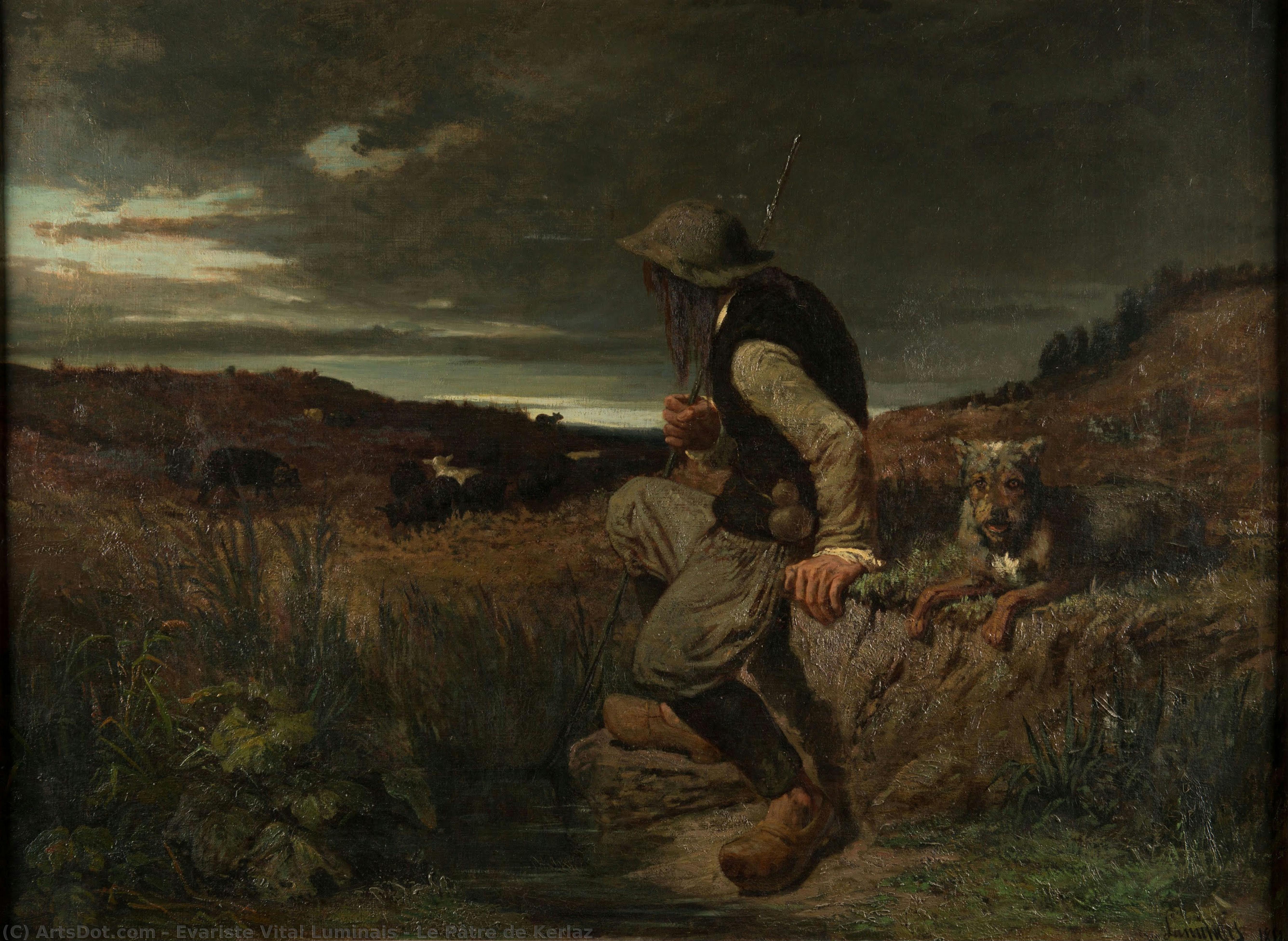
Le Pâtre de Kerlaz


 詳細を見る
詳細を見る
オンラインプレビューをはるかに凌ぐ、高解像度で鮮明なデジタル画像をご購入いただけます。
各ファイルは、社内の専門家が高度なツールと熟練した手作業によるレタッチを用いて、細心の注意を払って準備されています。すべての画像において、卓越した鮮明度、正確な色彩再現性、そして繊細なディテールを保証いたします。
最終ファイルは、プロフェッショナルな編集・印刷環境ですぐにご利用いただけるよう最適化された状態で、72時間以内にメールにてお届けいたします。これは、一流のデザインスタジオ、出版社、ギャラリーから信頼されているものと同等の品質です。
デジタル画像のご注文に付随する特典
高品質なデジタル画像配信を、確かな品質で。
ArtsDot.com を選ぶことは、単に画像を手に入れることではありません。それは、プロの手によって精密に仕上げられ、満足保証が付いた高品質なデジタルアートワークを受け取ることを意味します。ご注文いただいた際に自動的に付随する内容は、以下の通りです:

メールですぐにお届け
ご注文から72時間以内に、高解像度のデジタル画像ファイルがメールでお手元に届きます。すぐにそのままご利用いただけます。

AI技術で最適化されたデジタルファイル
お客様の作品は、高度なAIツールと専門家による手作業の編集を組み合わせてプロフェッショナルに最適化されており、細部のディテール、鮮明さ、そして正確な色再現性を最大限に引き出しています。

一生涯無料の再送サービス
ファイルを誤って削除したり、紛失してしまったりしましたか?ご安心ください。いつでも無料で再送いたします。

輸入手数料は一切かかりません
関税や手数料、配送料を気にすることなく、お気に入りのアートワークをすぐにお楽しみいただけます。デジタルダウンロードは常に免税です。

色彩再現の保証
プロ仕様のツールとカラーマネジメント技術を用いることで、デジタル画像が元の色を最大限に忠実に再現することを保証いたします。

60日間満足保証
ご購入いただいたデジタル画像にご満足いただけない場合は、60日以内であれば、修正または100%の返金(理由を問う必要はありません)をさせていただきます。

100% 返金保証
ご満足いただけない場合は、デジタルファイルを受け取ってから60日以内であれば、理由を問わず全額返金いたします。

まとめ買い割引
3枚購入で10%OFF - 5枚購入で15%OFF - 10枚以上購入で20%OFF。クリエイティブなプロジェクト、ギャラリー、エージェンシーに最適です。
関連作品


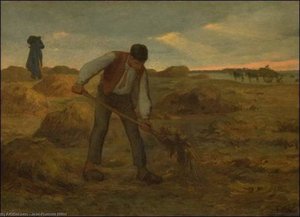




作家の略歴
A Life Immersed in History: The World of Évariste Vital Luminais
Évariste Vital Luminais, born in Nantes in 1821 and passing away in Paris in 1896, was a French painter who dedicated his life to vividly recreating the dramatic narratives of early French history. Often celebrated as “the Painter of the Gauls,” Luminais wasn’t merely illustrating the past; he was actively shaping its visual memory for a nation grappling with its identity in the wake of political upheaval. His lineage itself spoke to a deep engagement with French society – descended from a family steeped in parliamentary and legal tradition, his upbringing instilled within him a sense of national consciousness that would profoundly influence his artistic direction. The support of his family was crucial; recognizing his innate talent at a young age, they facilitated his move to Paris at the tender age of eighteen, setting him on a path toward formal training under the guidance of Auguste Debay, a painter and sculptor who laid the foundation for his technical skills. This initial education was further enriched by studies with Léon Cogniet, a master of historical and portraiture, and Constant Troyon, renowned for his evocative landscapes and animal paintings – a combination that would later manifest in Luminais’s ability to seamlessly blend detailed figure work with atmospheric settings.The Rise of the Painter of Gauls: Early Career & Influences
Luminais's artistic debut at the Paris Salon in 1843 marked the beginning of his public recognition, showcasing two paintings that immediately captured attention for their dynamic compositions and historical accuracy. He quickly established himself within the academic circles, consistently earning accolades with medals awarded at subsequent Salons in 1852, 1855, 1857, and 1861. However, it was his dedication to depicting the Gauls – the ancient Celtic tribes of France – that truly set him apart. This fascination wasn’t born from pure archaeological interest; rather, it coincided with a broader national movement in post-Napoleonic France to construct a heroic past, particularly one untainted by recent political failures. Historians were actively reinterpreting Gallic history, and Luminais became the visual interpreter of these new narratives. His paintings weren’t simply representations of battles or daily life; they were carefully crafted symbols intended to evoke a sense of national pride and resilience. He wasn't alone in this endeavor, but his commitment to portraying the Gauls with such fervor earned him the enduring moniker that would define his legacy. The influence of Romanticism is palpable in his early works – a dramatic use of light and shadow, emotionally charged scenes, and a focus on individual heroism all point to an artistic sensibility deeply rooted in the movement’s ideals.A Studio Divided: Paris & the Brenne Region
For over four decades, Luminais skillfully balanced his life between the bustling art scene of Paris and the tranquil countryside of Douadic, a village nestled within the Brenne region. His Parisian studio at 17 boulevard Lannes served as the hub for his large-scale historical compositions, while Douadic provided both inspiration and respite. The Brenne, recommended to him by friends Jules de Vorys and Louis Fombelle, offered a connection to nature that subtly infused his work with a sense of authenticity. This duality – the intellectual rigor of the city versus the raw beauty of the countryside – is reflected in his paintings, which often feature meticulously researched historical details set against evocative landscapes. Luminais was also a dedicated teacher, and remarkably open-minded for an academic painter of his time. He welcomed women into his studio as pupils, including Albert Maignan and Emily Sartain, challenging the conventions of the art world and fostering a new generation of artists. His willingness to share his knowledge underscores a commitment to artistic growth that extended beyond his own personal success.Themes & Techniques: Beyond the Battlefield
While Luminais is best known for his depictions of Gallic warriors clashing with Roman legions, his oeuvre extends far beyond these dramatic battle scenes. He explored themes of everyday life in early France – hunting expeditions, peasant rituals, and moments of quiet contemplation. His technique was characterized by a masterful command of color, light, and composition. He employed a rich palette, often using muted tones to create a sense of atmosphere and realism. His figures are rendered with meticulous detail, showcasing his skill as a draftsman and his dedication to historical accuracy. However, he wasn’t simply striving for photographic precision; Luminais understood the power of symbolism and used it strategically throughout his work. Paintings like *The Widow* (1865) foreshadowed elements of social realism, hinting at the hardships faced by ordinary people – a departure from the purely heroic narratives that dominated much of his earlier work. He skillfully integrated historical costumes and weaponry into scenes of rural life, making them more palatable to an Academy accustomed to grand historical themes.Legacy & Historical Significance: Shaping a National Narrative
Évariste Vital Luminais died in Paris in 1896 at the age of seventy-five, leaving behind a body of work that continues to captivate and inspire. Buried in the small cemetery of Douadic, his legacy extends far beyond the confines of art history. He was awarded the Légion d'honneur in 1869 and became a founding member of the Société des Artistes Français, solidifying his position as a leading figure within the French artistic establishment. More importantly, Luminais played a crucial role in shaping France’s visual understanding of its own past. His paintings weren’t simply historical documents; they were carefully constructed narratives designed to evoke national pride and resilience during a period of political uncertainty. He helped popularize the image of the Gauls as fierce warriors – an image that continues to resonate within French culture today. While later critics sometimes condemned his work for its academic style, Luminais’s dedication to historical accuracy, masterful technique, and profound understanding of symbolism ensure his place as a significant figure in 19th-century French painting—a true “Painter of the Gauls” who helped define a nation's identity through art.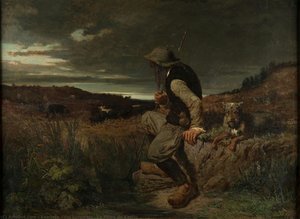
Évariste Vital Luminais
1821 - 1896
プロフィール概要
- Artistic Movement Or Style: Historical Painting
- Artists Or Movements Influenced By This Artist: ['Impressionism']
- Artists Who Influenced This Artist:
- Auguste Debay
- Léon Cogniet
- Date Of Birth: October 13, 1821
- Date Of Death: May 10 or 15, 1896
- Full Name: Évariste Vital Luminais
- Nationality: French
- Notable Artworks:
- Première Pensée pour les Énervés de Jumièges
- GAULOIS Revenant de la Chasse
- Place Of Birth: Nantes, France

