

 プレビュー
プレビュー
 プリントを購入
 シェアする
シェアする シェアする
シェアする
 詳細を見る
詳細を見る

 ダウンロード
 似ている作品
 X線調査
X線調査 スライドショー
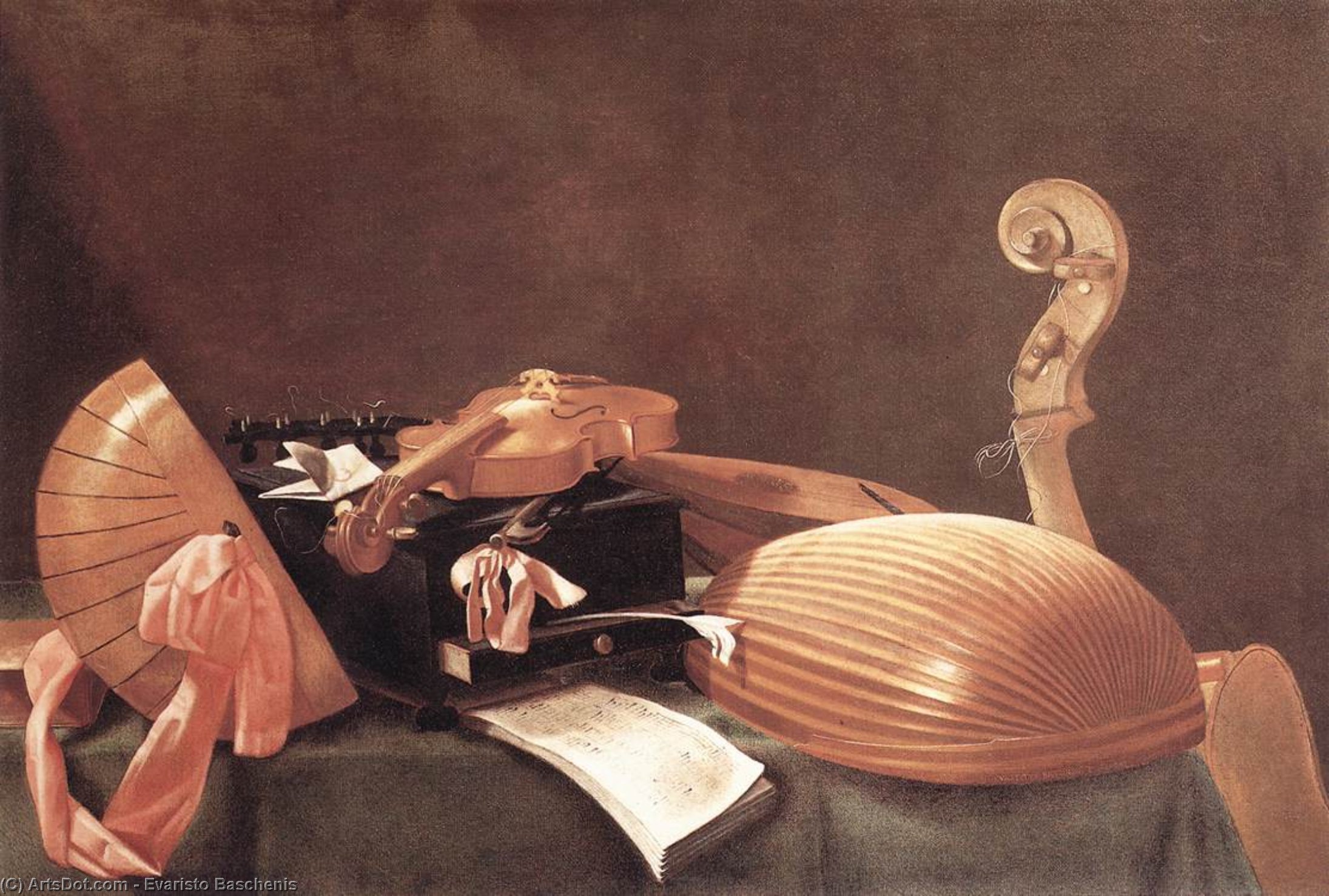
Still-life with Musical Instruments
 Oil
Oil- WallArt
- Baroque
 1650
1650- Early Modern
 115.0 x 160.0 cm
 Accademia Carrara
 詳細を見る
詳細を見る




P118B $10

P118H $10

P118W $10

P438Z $10

P508JH $12

P508YH $12

P805H $10

P805Z $10

P919BZ $10

P919G $10

P919XJ $10

P959ZH $10

P968JZ $12

W106C $8

W218G $10

W218JH $8

W218Y $10

W307PJ $10

W316G $10

W316PJ $8

W316Y $10

W398PJ $8

W4111J $10

W500HY $15

W500JH $15

W692G $12

W849H $8

W940BG $15

W953PJ $8




作品のオリジナル比率に合わせた、当店の規定サイズからお選びください。

特定のフレームやスペースに合わせて、ご希望のサイズをご入力いただけます。選択されたサイズが元の画像の比率と異なる場合、アートワークをトリミングするか、手描きで要素を追加して絵画を拡張いたします。デジタルモックアップ を制作し、制作開始前にご確認(承認)をいただきます。
画面上のプレビューは、実際のトリミングや拡張を正確に反映しているものではありません。最終的な構図は、モックアップによってのみ正確にご確認いただけます。
カスタムサイズもご利用いただけますが、元の比率を維持するためには、あらかじめ用意されたリストからサイズを選択することをお勧めいたします。
ご注文後、ArtsDot.com チームより詳細な指示をお送りするとともに、仕上がりイメージ(モックアップ)をご提供いたします。


 ガラスオプションは、110cm未満のサイズでのみご利用いただけます。

Still-life with Musical Instruments
複製技法
複製画のサイズ
-


合計金額
$ 263
作品解説
A Symphony of Silence: The Lyrical Still Life of Evaristo Baschenis
In the quiet corners of the 17th-century Baroque era, where grand religious altarpieces and sweeping mythological dramas often commanded the spotlight, a more intimate revolution was taking place. Evaristo Baschenis, a master from Bergamo, turned his gaze away from the heavens and toward the tactile, resonant beauty of the earthly realm. His masterpiece, Still-life with Musical Instruments, serves as a breathtaking window into this private world. The painting presents a meticulously composed arrangement where a violin, a cello, and a harp rest in a state of elegant repose. There is a profound sense of stillness here, yet the very presence of these instruments suggests a lingering echo of melody, as if the musicians have only just stepped away from their performance, leaving behind a silent, visual music.
The composition is a masterclass in balance and harmony, designed to guide the eye through a rhythmic dance of shapes and textures. On the left, the delicate curves of the violin introduce a sense of grace, while the central positioning of the cello provides a grounding, structural weight to the scene. To the right, the harp rises with an ethereal elegance, completing a triangular arrangement that feels both stable and dynamic. Scattered throughout this instrumental ensemble are several books, their weathered pages and heavy bindings adding a layer of intellectual depth to the composition. This juxtaposition of the auditory (the instruments) and the literary (the books) creates a profound dialogue between different forms of human expression, suggesting that music and knowledge are two sides of the same soulful coin.
The Art of Texture and Light
Baschenis was not merely a painter of objects; he was a poet of surfaces. His technique reveals an extraordinary command over the play of light upon diverse materials. One can almost feel the smooth, polished varnish of the cello’s wood, the tension of the harp strings, and the tactile, organic grain of the paper within the scattered books. The artist utilizes a subtle, soft light that seems to emanary from within the scene itself, casting gentle shadows that give each object a sculptural, three-dimensional presence. This mastery of chiaroscuro—the dramatic interplay of light and dark—is what elevates this work from a simple arrangement to an immersive sensory experience.
For the discerning collector or interior designer, this painting offers more than just aesthetic beauty; it offers a mood. The muted, earthy palette and the somber, contemplative atmosphere make it an ideal centerpiece for spaces dedicated to reflection, such as a private library, a study, or a sophisticated lounge. A high-quality reproduction of this work brings with it a sense of historical prestige and a timeless elegance that complements both classical and contemporary decor. It is a piece that does not shout for attention but rather commands respect through its quiet, enduring sophistication, inviting anyone who gazes upon it to pause, breathe, and listen to the silent music of the past.
関連作品
アーティストの略歴
Evaristo Baschenis: A Provincial Maestro of Still Life
Evaristo Baschenis (1617–1677) stands as a singular figure in the Baroque landscape of Bergamo, Italy—a testament to artistic innovation emerging from unexpected corners. Born into a family steeped in artistic tradition, he inherited a legacy that would profoundly shape his distinctive style and contribute to the burgeoning fascination with unconventional subjects within Italian painting. Unlike many of his contemporaries who focused on grand narratives of religion or mythology, Baschenis carved out a niche for himself through meticulously crafted still lifes, primarily depicting musical instruments—a genre largely unexplored by painters prior to the 17th century. This preoccupation wasn’t merely coincidental; it resonated deeply with his familial connections to prominent violin makers from Cremona, fostering an environment ripe for experimentation and observation.- Early Life & Family Influence: Baschenis's upbringing instilled in him a deep appreciation for artistic craftsmanship and visual representation—qualities that would become hallmarks of his oeuvre. His family’s involvement in the violin trade undoubtedly fueled his interest in capturing the beauty and complexity of manufactured objects, mirroring the meticulous attention to detail characteristic of Dutch painters.
- Style & Technique: Baschenis's approach to still life differed markedly from prevailing artistic trends. Rather than striving for dramatic grandeur or emotive expression, he prioritized geometric precision and subtle tonal gradations—drawing inspiration perhaps from Caravaggio’s early depiction of peaches and the contemplative aesthetic of Dutch masters. He sought to convey a sense of quiet contemplation, emphasizing the inherent beauty found within seemingly mundane subjects.
- Notable Works: Baschenis gained recognition for several captivating pieces, including “Kitchen Still-Life,” “Boy with a Basket of Bread,” and “Agliardi Triptych (right).” These works exemplify his signature style—characterized by carefully arranged objects bathed in diffused light, creating an atmosphere of serene stillness.
- Influence & Legacy: Baschenis’s influence extended beyond Bergamo, notably impacting Bartolomeo Bettera, a younger colleague who adopted similar stylistic sensibilities. Furthermore, he appears to have fostered connections with Cristoforo Munari and Carlo Ceresa—artists whose careers benefited from his pioneering vision of still life as an artistic medium.
The Provincial Genius: Exploring Baschenis’s Unique Vision
Baschenis's stylistic choices represent a deliberate departure from the dominant Baroque conventions, prioritizing form and texture over narrative complexity. He eschewed theatrical displays of emotion or monumental scale, instead focusing on capturing the essence of his subjects—musical instruments—through geometric precision and tonal subtlety. This approach aligns with observations about Caravaggio’s early paintings and Dutch artistic sensibilities, suggesting a broader engagement with visual culture beyond the confines of Bergamo. His meticulous attention to detail—evident in the rendering of surfaces and textures—demonstrates an unwavering commitment to capturing the inherent beauty of manufactured objects.Connections & Collaborations: Shaping Artistic Dialogue
Baschenis’s artistic journey was interwoven with collaborative relationships that broadened his creative horizons. His kinship with Cremona violin makers fostered a stimulating environment for observation and experimentation—a connection mirrored in the stylistic tendencies of Bartolomeo Bettera, who similarly embraced a contemplative aesthetic reminiscent of Baschenis's own approach. Moreover, his interactions with Cristoforo Munari and Carlo Ceresa facilitated artistic exchange and contributed to the dissemination of innovative ideas within the Bolognese art scene.Historical Significance: A Counterpoint to Grand Manner Tradition
Evaristo Baschenis’s contribution to Baroque art lies in his courageous assertion of stylistic independence—a refusal to conform to prevailing trends that prioritized narrative grandeur and emotive expression. He championed a visual language rooted in geometric precision and tonal subtlety, establishing himself as a pivotal figure in the development of still life painting during a period dominated by religious iconography and mythological narratives. His legacy endures as a reminder that artistic brilliance can flourish even outside the established centers of power—a testament to the transformative potential of provincial creativity.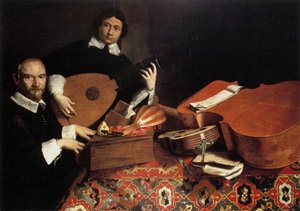
Evaristo Baschenis
1617 - 1677 , Italy
基本情報
- Artistic Movement Or Style: Baroque
- Artists Or Movements Influenced By This Artist:
- Bartolomeo Bettera
- Cristoforo Munari
- Artists Who Influenced This Artist:
- Caravaggio
- Dutch painters
- Date Of Birth: Bergamo, Italy (1617)
- Date Of Death: 1677
- Full Name: Evaristo Baschenis
- Nationality: Italian
- Notable Artworks:
- Kitchen Still-Life
- Boy with a Basket of Bread
- Agliardi Triptych (right)
- Place Of Birth: Bergamo
関連記事
Harmonies on Canvas: Exploring the Visual Representation of Music in Art History
Explore the fascinating history of music's visual representation in art! From ancient symbolism to modern abstraction, discover how artists have captured sound and emotion on canvas. Expert insights & stunning examples.

バロック美術を極めた至宝:時代を彩る10大名作の世界
バロック美術の華!カラヴァッジョ、ベルニーニら巨匠が創り上げた10大名作を徹底解剖。ドラマチックな色彩と豪華絢爛の世界観に触れ、至宝のアートプリントで空間を彩ろう。ArtsDot.comで美術館品質の複製と洗練されたインテリアを見つけましょう!

The Dramatic Flourish: Exploring the Baroque Movement's Enduring Legacy in Art History
Explore the dramatic world of Baroque art! Discover iconic artists like Caravaggio & Rubens, defining techniques, and its lasting impact on art history. Expert insights for collectors & enthusiasts at ArtsDot.
Silent Narratives: Exploring the Enduring Appeal of Still Life Painting Across Centuries
Explore the rich history of still life painting with ArtsDot. Discover Dutch Masters, decode vanitas symbolism & learn about collecting timeless art. Expert insights and museum-quality reproductions.

バロックのドラマ:現代のインテリアに壮麗さと情感を取り込む
バロック様式の歴史、絵画、家具の魅力をご紹介。ArtsDotでは、高品質な油絵複製やカスタムポートレートをご提供し、現代のインテリアに壮麗さと情感を取り入れます。アートコンサルテーションも承ります。

