

 プレビュー
プレビュー
 シェアする
シェアする シェアする
シェアする
 詳細を見る
詳細を見る

 ダウンロード
 似ている作品
 X線調査
X線調査 スライドショー
 統計情報
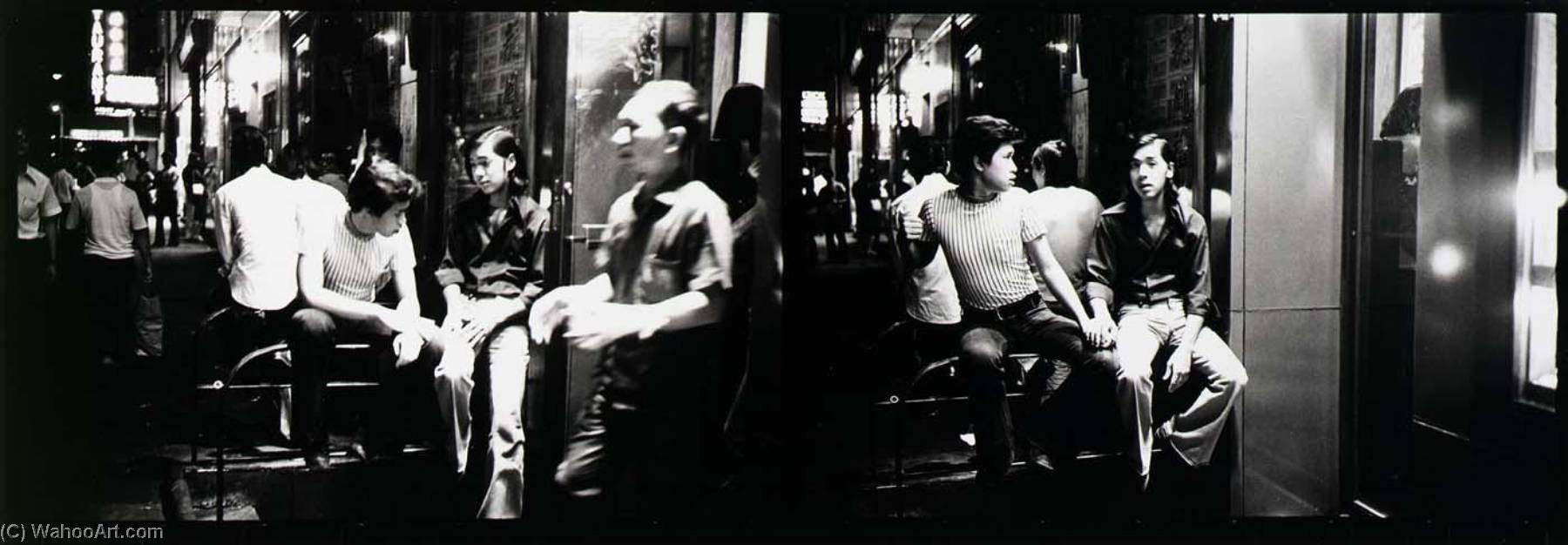
統計情報Night on Mott (from series, Chinatown)


 詳細を見る
詳細を見る
ジークレー/アートプリント
迅速な制作と多彩な仕上げオプションを備えた、ミュージアムクオリティのジークレーまたはキャンバスプリント。 ( 手描きの絵画を購入 デジタル画像販売へ切り替え)




































作品のオリジナル比率に合わせた、当店の規定サイズからお選びください。

特定のフレームやスペースに合わせて、ご自身でサイズを指定することも可能です。選択されたサイズが元の画像の比率と一致しない場合、作品をトリミングするか、鏡面反射または単色での塗りつぶしによって画像を拡張いたします。制作を開始する前に、ご確認用のデジタルモックアップをお送りいたします。
画面上のプレビューには、実際のトリミングや拡張は反映されませんのでご注意ください。最終的な構図を正確に確認できるのは、モックアップのみとなります。
カスタムサイズも承っておりますが、元の比率を維持するためには、あらかじめ用意されたリストからサイズを選択することをお勧めいたします。


 ガラスオプションは、110cm未満のサイズでのみご利用いただけます。

Night on Mott (from series, Chinatown)
ジークレー/アートプリント
複製画のサイズ
-


合計金額
$ 62
関連作品
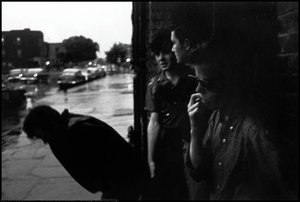
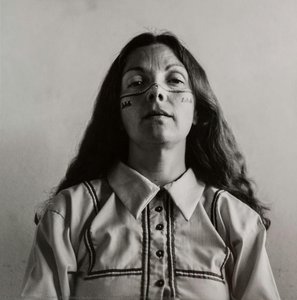
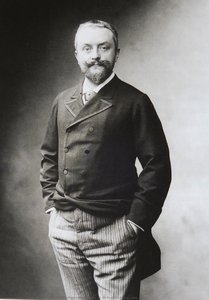
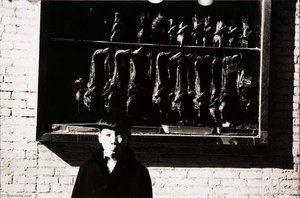


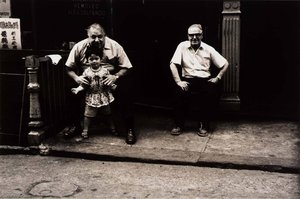
アーティストの略歴
The Poetics of the Ephemeral: The Visual Journey of Eve Sonneman
Born in Chicago in 1946, Eve Sonneman has established herself as a profound chronicler of the fleeting, a visual poet whose lens seeks to distill the very essence of the urban experience. Her artistic identity is not defined by a single medium but by a dedicated pursuit of the "decisive moment"—that transient intersection of light, shadow, and human presence. With a foundational training that bridged the worlds of fine art and documentation, Sonneman approaches the photographic frame with the eye of a painter, imbuing her compositions with a structural depth and emotional resonance that transcends mere reportage. Her journey began at the University of Illinois Urbana-Champaign, where she earned a BFA in painting in 1967, before moving to the University of New Mexico to obtain her MFA in Photography in 1969. This dual mastery allows her work to oscillate between the raw reality of documentary photography and the carefully constructed aesthetics of fine art.
The heart of Sonneman’s early legacy lies in her celebrated Chinatown series, produced between 1968 and 1974. In these works, she transformed the bustling streets of New York into a stage for cinematic introspection. Through stark black and white imagery, she captured the quiet dramas of lives lived in the margins—solitary figures in doorways, the rhythmic motion of factory work, and the heavy atmosphere of shadowed corners. Pieces such as "Noodle Manufacturers" and "The Eggman" serve as poignant windows into a specific era and locale, utilizing a documentary style that feels both intimate and universal. Her use of light often evokes the mood of film noir, where high contrast and geometric shadows create a sense of mystery and urban anonymity, inviting the viewer to contemplate the vulnerability inherent in the human condition.
Technique, Influence, and the Art of the Diptych
Sonneman’s technical evolution is marked by an extraordinary command over sequence and structure. She frequently employs the diptych—a pairing of two images—to create a dialogue between separate moments, allowing for a layered narrative that a single frame could not sustain. This method enables her to explore themes of duality, such as the relationship between light and dark, or the connection between an individual and their environment. Her work often draws from the unflinching, unvarnished tradition of photographers like Robert Frank, yet she infuses this documentary impulse with a dreamlike, almost melancholic quality. Whether working in color or black and white, her compositions are characterized by a meticulous attention to the interplay of shapes and the emotional weight of negative space.
Beyond the urban grit of her early series, Sonneman’s later explorations have expanded into landscapes and still lifes, reflecting a deep-seated dedication to nature and the quiet observations found during her "urban perambulations." Her ability to find the extraordinary within the ordinary remains her greatest strength. This versatility has earned her recognition in prestigious institutions, with her work held in the collections of the National Gallery of Art and the Smithsonian American Art Museum. Her exhibitions, ranging from "Sonnegrams" at the Nohra Haime Gallery to retrospective showcases of her watercolors and diptychs, continue to reveal an artist who is perpetually searching for the soul within the ephemeral.
The historical significance of Eve Sonneman lies in her ability to bridge the gap between the objective recording of history and the subjective expression of feeling. Her oeuvre stands as a testament to the power of the gaze—not just to see, but to feel the pulse of a changing world. Through her lens, the fleeting moments of city life are granted a permanent, haunting beauty, ensuring that the ephemeral shadows of the past remain vibrantly present in our collective visual memory.
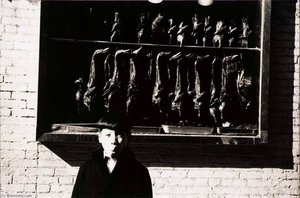
eve sonneman
1946 -
基本情報
- Artistic Movement Or Style: Photography, Diptychs
- Artists Or Movements Influenced By This Artist: ['Street Photography']
- Artists Who Influenced This Artist:
- Robert Frank
- Walker Evans
- Date Of Birth: 1946
- Full Name: Eve Sonneman
- Nationality: American
- Notable Artworks:
- China Doll, New York
- Night on Mott
- Uncle Jerry & Mary
- Place Of Birth: Chicago, USA
関連記事

Pictorialism: A Search for Artistic Photography's Soul – Aesthetics, Techniques & Legacy
Explore the captivating world of Pictorialism – a pivotal movement that transformed photography into fine art. Discover key artists like Stieglitz & Käsebier, techniques, and collecting tips from experts.

Monochrome Visions: Exploring the Aesthetic & Historical Significance of Black & White Photography
Explore the rich history & artistic power of black and white photography. From early techniques to iconic masters like Ansel Adams, discover why monochrome continues to captivate art lovers today. Expert insights for collectors.

Dark Masterpieces: 10 Iconic Paintings Dominated by Black Tones |
Explore 10 iconic paintings dominated by black tones, from Rembrandt’s chiaroscuro to Goya's dark expressions. Discover the stories behind these masterpieces & find museum-quality art reproductions for your home at .
Beyond the Lens: Photography's Enduring Influence on Modern & Contemporary Art
Explore photography's pivotal role in shaping modern & contemporary art. Discover key movements, influential artists like Stieglitz, and expert collecting advice from ArtsDot.
Witnessing History Through Lens & Light: Documentary Photography's Enduring Legacy
Explore the powerful history of documentary photography – from its origins to contemporary masters like Gordon Parks & W. Eugene Smith. Discover how this art form shapes our understanding of society and witness pivotal moments in time.