

 プレビュー
プレビュー
 シェアする
シェアする シェアする
シェアする
 詳細を見る
詳細を見る

 ダウンロード
 似ている作品
 X線調査
X線調査 スライドショー
 統計情報
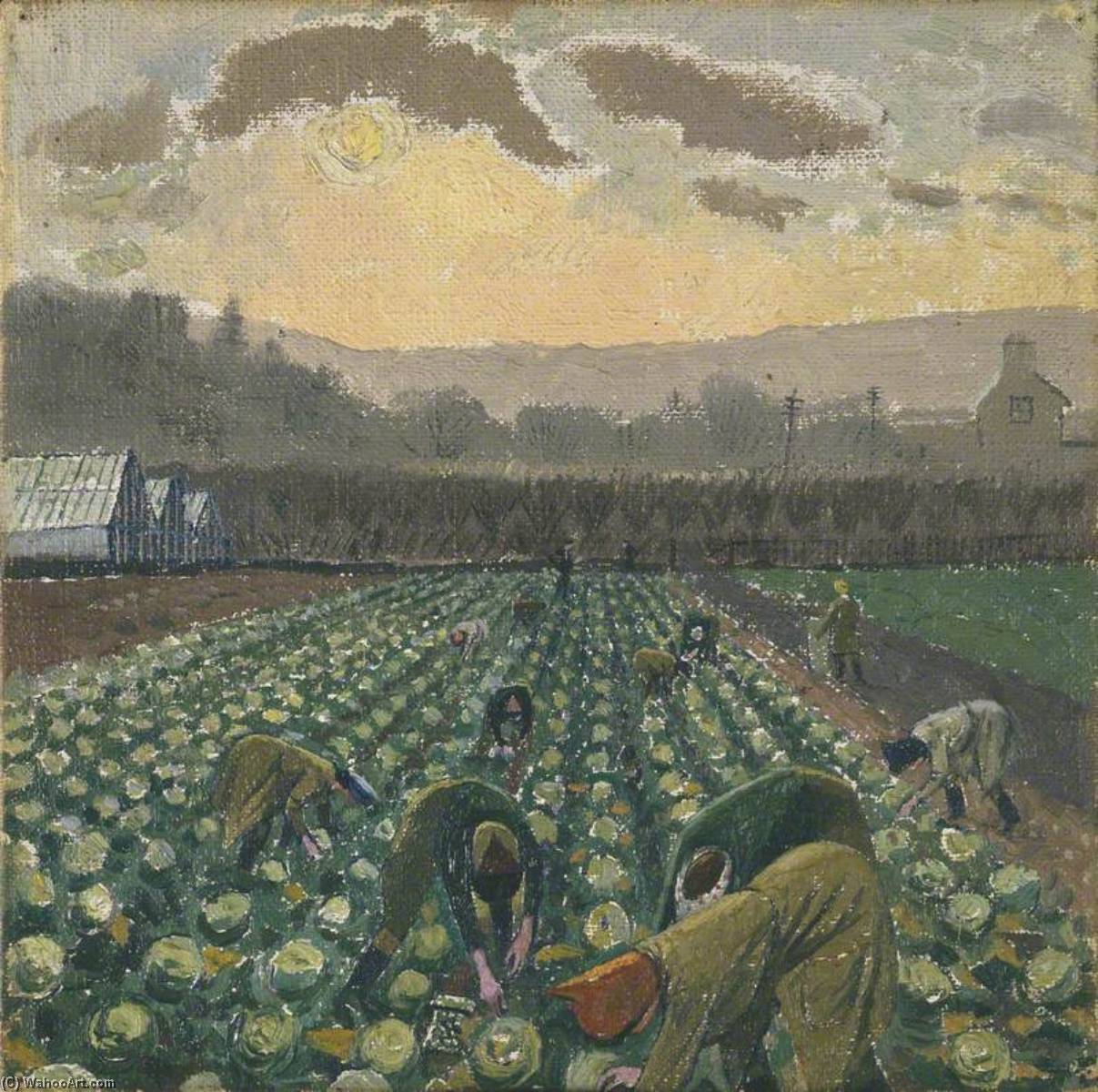
統計情報Sprout Picking, Monmouthshire
 Contemporary Realism
 23.0 x 23.0 cm
 詳細を見る
詳細を見る
ジークレー/アートプリント
迅速な制作と多彩な仕上げオプションを備えた、ミュージアムクオリティのジークレーまたはキャンバスプリント。 ( 手描きの絵画を購入 デジタル画像販売へ切り替え)




































作品のオリジナル比率に合わせた、当店の規定サイズからお選びください。

特定のフレームやスペースに合わせて、ご自身でサイズを指定することも可能です。選択されたサイズが元の画像の比率と一致しない場合、作品をトリミングするか、鏡面反射または単色での塗りつぶしによって画像を拡張いたします。制作を開始する前に、ご確認用のデジタルモックアップをお送りいたします。
画面上のプレビューには、実際のトリミングや拡張は反映されませんのでご注意ください。最終的な構図を正確に確認できるのは、モックアップのみとなります。
カスタムサイズも承っておりますが、元の比率を維持するためには、あらかじめ用意されたリストからサイズを選択することをお勧めいたします。


 ガラスオプションは、110cm未満のサイズでのみご利用いただけます。

Sprout Picking, Monmouthshire
ジークレー/アートプリント
複製画のサイズ
-


合計金額
$ 62
関連作品
アーティストの略歴
Evelyn Mary Dunbar: A Quiet Observer of Wartime Resilience
Evelyn Mary Dunbar (1906-1960) was a British artist, illustrator, and teacher whose work quietly documented the vital contributions of women during World War II, primarily focusing on the Women’s Land Army. Despite her modest demeanor and relative obscurity outside mainstream art circles—a factor that has hindered scholarly recognition until recent years—Dunbar left an indelible mark through her evocative paintings and murals, capturing the spirit of everyday life with remarkable sensitivity and meticulous detail. Her artistic vision was deeply rooted in a profound appreciation for the Kent landscape, reflecting both personal passion and a stylistic preference for realism.
Born in Reading, Berkshire, Dunbar descended from Scottish ancestry—her father, William Dunbar, originating from Cromode, Morayshire—and grew up within a family that valued artistic pursuits. Her mother, Florence Murgatroyd, was an amateur still-life artist and a devout Christian Scientist, shaping Dunbar’s worldview and fostering her lifelong commitment to spiritual contemplation alongside creative expression. Educated at Rochester Grammar School for Girls, she excelled academically, securing a Kent County Council scholarship that propelled her towards formal artistic studies. She pursued rigorous training at the Rochester School of Art and the Chelsea School of Art, honing her skills under influential tutors like Charles Mahoney, which culminated in an Associate Royal College of Art qualification in 1933.
Artistic Style and the Spirit of the Land
Dunbar’s artistic style was characterized by a meticulous realism that prioritized capturing the nuances of human experience within specific environments. Her paintings frequently depicted landscapes—particularly those of Kent—infused with atmospheric perspective and textured brushstrokes, reflecting her deep connection to the region's natural beauty. This technique allowed her to transform ordinary scenes into something profound and enduring. In works such as Winter Garden (1929), she utilized muted tones and an almost impressionistic touch to evoke a sense of serene, rural stillness, demonstrating her ability to find magic in the quietude of nature.
Beyond the landscape, her work often centered on the human element of the British home front. She possessed a unique talent for portraying the dignity of labor and the subtle rhythms of daily life during times of immense social upheaval. Whether depicting the communal wait in The Queue at the Fish Shop or the structured beauty of local vistas like Rochester from Strood, her art serves as a poignant historical record. Her ability to blend the monumental with the mundane allowed her to create a visual language that celebrated resilience and the quiet strength found in community and duty.
Legacy and Historical Significance
The significance of Evelyn Mary Dunbar’s oeuvre lies in its role as a witness to a transformative era in British history. While many war artists focused on the grand scale of combat, Dunbar turned her gaze toward the domestic and agricultural front, ensuring that the labor of women in the Women's Land Army was etched into the visual memory of the nation. Her contributions to mural painting and illustration further expanded her reach, bringing fine art into more accessible, communal spaces.
Though she remained somewhat overlooked for decades following her death in 1960, recent years have seen a resurgence of interest in her talent. Today, she is recognized not just as a chronicler of war, but as a master of the figurative and landscape traditions. Her legacy continues to inspire through:
- Documentary Value: Providing an intimate, ground-level view of the social shifts during World War II.
- Technical Mastery: A sophisticated use of light, texture, and composition that bridges realism and atmospheric expression.
- Cultural Connection: Her deep, spiritual connection to the English landscape and its role in shaping national identity.
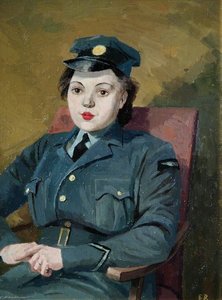
Evelyn Mary Dunbar
1906 - 1960 , United Kingdom
基本情報
- Artistic Movement Or Style: Realist painting
- Artists Or Movements Influenced By This Artist: ['Social Realism']
- Artists Who Influenced This Artist: ['Charles Mahoney']
- Date Of Birth: 1906
- Date Of Death: 1960
- Full Name: Evelyn Mary Dunbar
- Nationality: British
- Notable Artworks:
- Sprout Picking, Monmouthshire
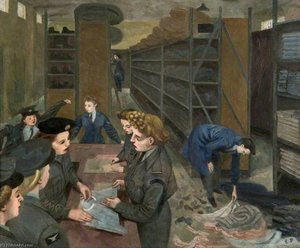
- Women’s Auxiliary Air Force Store
- An Army Tailor and an Auxiliary Territorial Service Tailoress
- Place Of Birth: Reading, United Kingdom
関連記事

油彩のキャンバス:技法、歴史、そして現代の実践 - 古典美術愛好家へ
油彩の技法、歴史、巨匠たちの秘密を徹底解説。古典美術愛好家向けに、初期フランドル絵画から現代の実践まで深く掘り下げます。ArtsDotで高品質な複製画やカスタムオーダーも承ります。
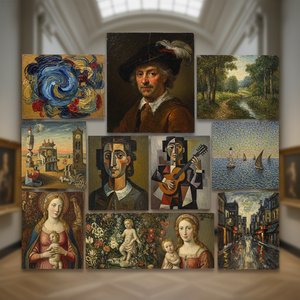
Oil on Board Masters: 10 Paintings That Redefined Art | ArtsDot
Explore 10 legendary 'Oil on Board' masterpieces by Van Gogh, Monet & more! Discover art history, iconic styles like Impressionism, and find museum-quality reproductions to elevate your home decor. Explore the full collection online at ArtsDot.com.

The Enduring Legacy of Oil on Canvas: Technique, History & Aesthetic Impact
Explore the rich history & techniques of oil painting – from Renaissance masters to Impressionism. Discover pigments, layering methods, and why this timeless medium endures. Expert insights for artists & art enthusiasts.

Oil on Canvas: A Historical & Technical Exploration of a Timeless Artistic Medium
Explore the rich history & enduring techniques of oil painting on canvas. Discover the science behind its longevity, conservation practices, and contemporary relevance. Expert insights for art enthusiasts.

The Enduring Power of Painting: A Historical & Contemporary Exploration of Form and Emotion
Explore the rich history & enduring techniques of oil painting with ArtsDot. Discover masterpieces, learn about art collecting, and find authentic handmade reproductions crafted by skilled artists.