

 プレビュー
プレビュー
 シェアする
シェアする シェアする
シェアする
 詳細を見る
詳細を見る

 ダウンロード
 似ている作品
 X線調査
X線調査 スライドショー
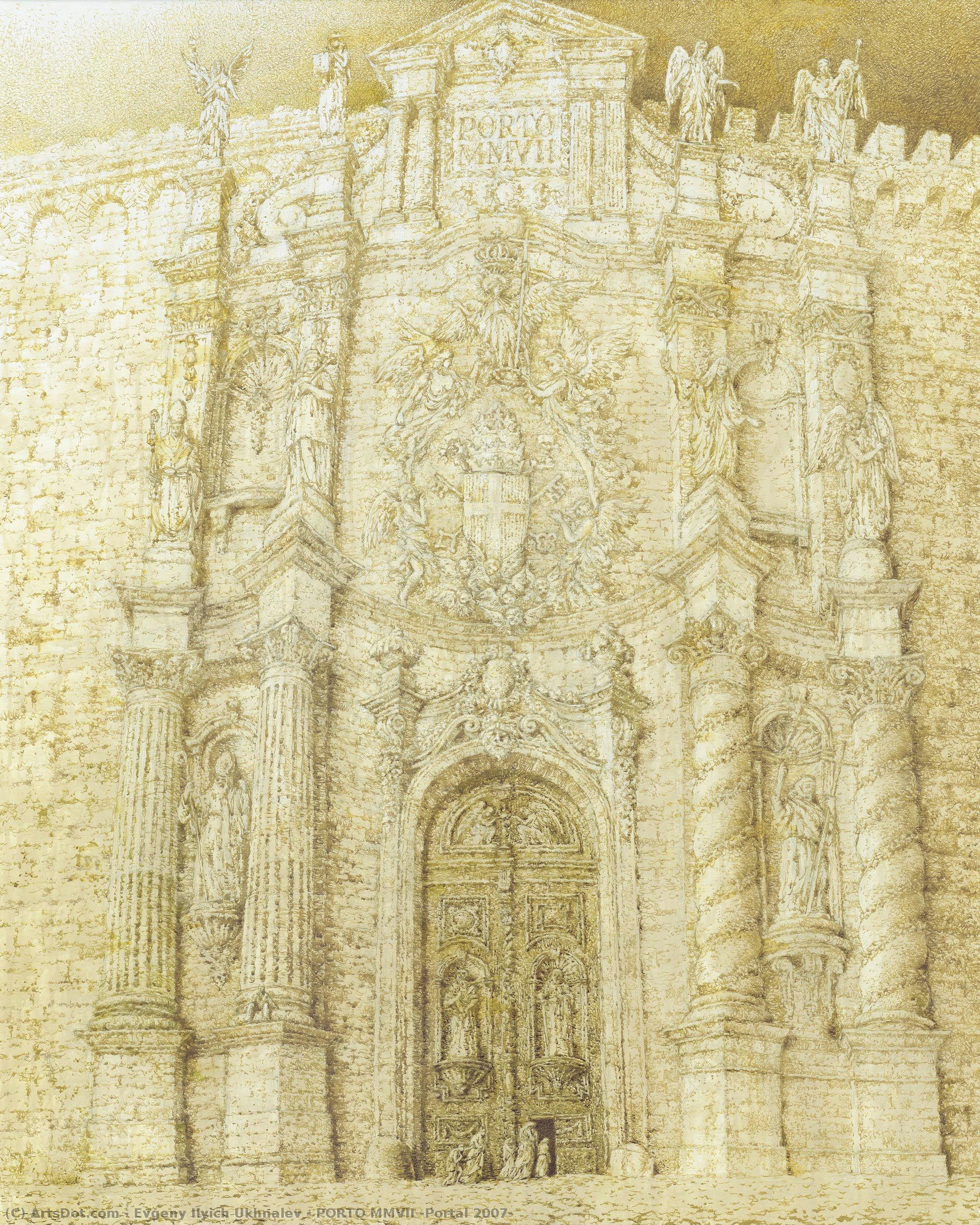
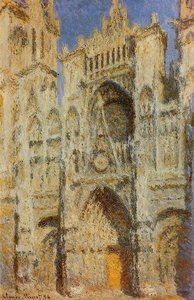
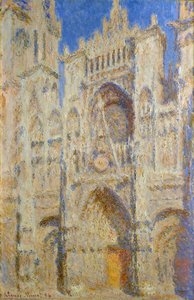
PORTO MMVII (Portal 2007)

 詳細を見る
詳細を見る
ジークレー/アートプリント
迅速な制作と多彩な仕上げオプションを備えた、ミュージアムクオリティのジークレーまたはキャンバスプリント。 ( 手描きの絵画を購入 画像を購入)




































作品のオリジナル比率に合わせた、当店の規定サイズからお選びください。

特定のフレームやスペースに合わせて、ご自身でサイズを指定することも可能です。選択されたサイズが元の画像の比率と一致しない場合、作品をトリミングするか、鏡面反射または単色での塗りつぶしによって画像を拡張いたします。制作を開始する前に、ご確認用のデジタルモックアップをお送りいたします。
画面上のプレビューには、実際のトリミングや拡張は反映されませんのでご注意ください。最終的な構図を正確に確認できるのは、モックアップのみとなります。
カスタムサイズも承っておりますが、元の比率を維持するためには、あらかじめ用意されたリストからサイズを選択することをお勧めいたします。


 ガラスオプションは、110cm未満のサイズでのみご利用いただけます。

PORTO MMVII (Portal 2007)
ジークレー/アートプリント
複製画のサイズ
-


合計金額
$ 62

アーティストの略歴
Evgeny Ukhnalev: A Life Forged in Shadow and Light
Evgeny Ilyich Ukhnalev (1931-2015) stands as a profoundly singular figure in Russian art, an artist whose life was inextricably linked to the tumultuous history of his nation. Born on September 4th, 1931, in Leningrad – now Saint Petersburg – during the harrowing years of the Soviet famine of 1932-1933, Ukhnalev’s early experiences profoundly shaped his artistic vision and imbued his work with a haunting resonance. He carried within him the indelible memory of scarcity, the stark realities of wartime, and the chilling echoes of political repression – all elements that would become central themes in his evocative paintings and symbolic designs. His journey was far from straightforward; a youthful brush with treasonous thought led to years spent enduring the brutal conditions of the Gulag system, an experience he never fully escaped, yet channeled into a unique artistic voice. Ukhnalev’s life is a testament to resilience, creativity born from adversity, and a deep-seated commitment to bearing witness to history's darkest chapters.Early Years and Artistic Foundations
Ukhnalev’s formal artistic training began at the visual arts school of the Repin Institute of Arts in Leningrad. Initially intending to pursue a career as a shipbuilder, he enrolled in a Ship-Building Community College, but his artistic inclinations soon took precedence. However, fate intervened dramatically when, at seventeen, he was implicated in an alleged plot to tunnel from Leningrad to Joseph Stalin’s mausoleum – a charge stemming from his involvement with a *sharashka*, a secret research laboratory where political prisoners were forced to work on design projects. This youthful indiscretion resulted in a sentence of twenty-five years in Vorkuta labor camps, a period that would irrevocably alter the course of his life and profoundly influence his artistic perspective. During this time, amidst the harsh realities of prison life – coal mines, meager rations, and constant surveillance – Ukhnalev began to meticulously document his surroundings through small sketches on scraps of paper, capturing the bleak beauty of the landscape and the faces of his fellow prisoners. These early drawings, rendered with a remarkable economy of line and imbued with an unsettling honesty, foreshadowed the themes that would dominate his mature work.The State Heraldist and National Symbolism
Following his release in 1954, Ukhnalev navigated the complexities of post-war Soviet society, working as a technician and later as an architect for various design institutes. In 1967, he found a stable position at the Hermitage Museum, where he served as chief architect until 1975, restoring facades and contributing to exhibitions. However, it was his appointment to the State Heraldry in 1992 that truly cemented his place in Russian artistic history. He became instrumental in designing numerous state symbols, including the modern Coat of Arms of Russia adopted in 1993 – a powerful emblem reflecting the nation’s complex past and aspirations for the future. Beyond the Coat of Arms, he also created the standards and chains for the President of Russia, as well as restored and redesigned several historical orders and medals, demonstrating his mastery of heraldic principles and his deep understanding of Russian iconography. His work on these symbols wasn't merely decorative; it was a deliberate act of remembrance and re-affirmation in the face of Soviet legacy.Prison Camp Visions and Artistic Legacy
Ukhnalev’s most poignant and enduring artistic output stems from his experiences within the Gulag system. His paintings, often characterized by muted colors, stark contrasts, and a haunting sense of isolation, offer a visceral portrayal of life in the camps – the oppressive atmosphere, the backbreaking labor, and the profound psychological toll inflicted upon its inmates. These works are not simply depictions of suffering; they are meditations on memory, resilience, and the enduring human spirit. His paintings frequently depict scenes of everyday camp life: prisoners toiling in the mines, huddled around meager fires, or gazing out at the desolate landscape. The recurring motif of snow – a symbol of both hardship and purity – underscores the paradoxical nature of survival within such an environment. Notably, Ukhnalev’s early drawings from his time in Vorkuta are considered seminal works, demonstrating a remarkable ability to capture the essence of his experiences with minimal means. The Memorial to the Victims of Political Repressions in Petrograd – known as the Solovetsky Stone – stands as perhaps his most significant public work, a monumental granite boulder bearing inscriptions commemorating those who perished under Stalin’s regime. The stone itself was taken from the Solovki prison camp, serving as a tangible reminder of the horrors endured and a solemn tribute to the victims.Recognition and Continuing Influence
Throughout his career, Ukhnalev received numerous accolades for his artistic contributions, including the title of People’s Artist of Russia in 1997. His works are displayed in prominent museums throughout Russia, including the State Russian Museum and the Anna Akhmatova Museum, and he continues to be exhibited internationally. Ukhnalev's legacy extends beyond his individual artworks; he is remembered as a crucial voice in documenting Soviet history and preserving the memory of those who suffered under political persecution. His art serves as a powerful reminder of the importance of confronting difficult truths and honoring the resilience of the human spirit in the face of adversity. Evgeny Ukhnalev passed away on September 2, 2015, leaving behind a body of work that is both deeply personal and profoundly significant to the cultural landscape of Russia.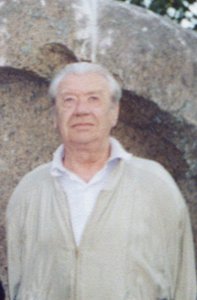
evgeny ilyich ukhnalev
1931 - 2015 , Russia
基本情報
- Artistic Movement Or Style: Heraldry, Soviet art
- Artists Or Movements Influenced By This Artist: ['Hermitage Museum']
- Artists Who Influenced This Artist: ['Anna Akhmatova']
- Date Of Birth: September 4, 1931
- Date Of Death: September 2, 2015
- Full Name: Evgeny Ilyich Ukhnalev
- Nationality: Russian
- Notable Artworks:
- Coat of Arms of Russia
- Gulag art
- Memorial to Victims
- Place Of Birth: Saint Petersburg, Russia

