

 プレビュー
プレビュー
 シェアする
シェアする シェアする
シェアする
 詳細を見る
詳細を見る

 ダウンロード
 似ている作品
 X線調査
X線調査 スライドショー
 統計情報
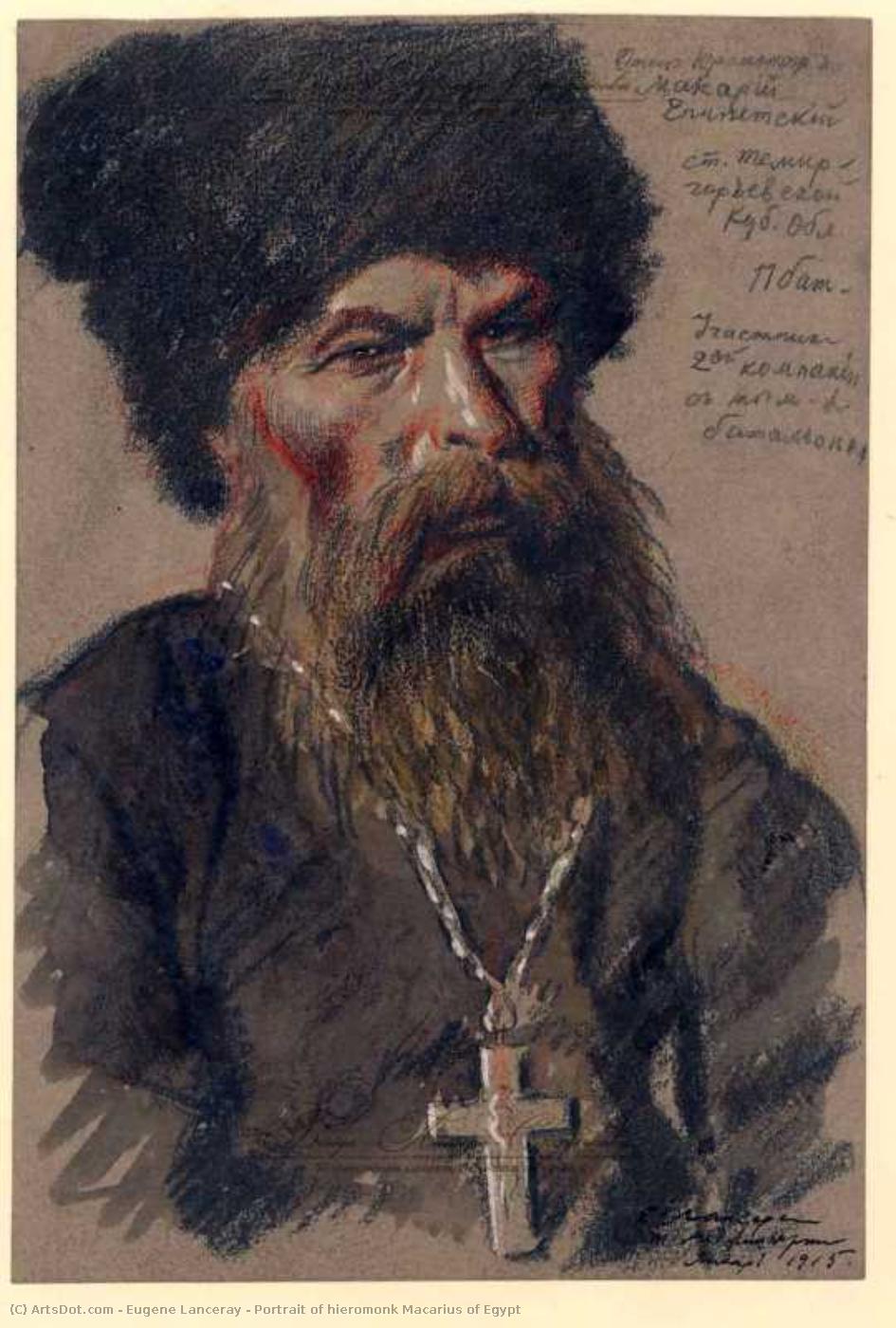
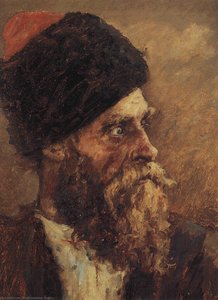
統計情報Portrait of hieromonk Macarius of Egypt
 Contemporary Realism
 1915
1915 20.0 x 13.0 cm
 詳細を見る
詳細を見る
オンラインプレビューをはるかに凌ぐ、高解像度で鮮明なデジタル画像をご購入いただけます。
各ファイルは、社内の専門家が高度なツールと熟練した手作業によるレタッチを用いて、細心の注意を払って準備されています。すべての画像において、卓越した鮮明度、正確な色彩再現性、そして繊細なディテールを保証いたします。
最終ファイルは、プロフェッショナルな編集・印刷環境ですぐにご利用いただけるよう最適化された状態で、72時間以内にメールにてお届けいたします。これは、一流のデザインスタジオ、出版社、ギャラリーから信頼されているものと同等の品質です。
デジタルアート
個人での鑑賞、印刷、クリエイティブなプロジェクト用に、高解像度ファイルをダウンロードできます。 ( プリント版に切り替え 手描きの絵画を購入)
デジタル画像のご注文に付随する特典
高品質なデジタル画像配信を、確かな品質で。
ArtsDot.com を選ぶことは、単に画像を手に入れることではありません。それは、プロの手によって精密に仕上げられ、満足保証が付いた高品質なデジタルアートワークを受け取ることを意味します。ご注文いただいた際に自動的に付随する内容は、以下の通りです:

メールですぐにお届け
ご注文から72時間以内に、高解像度のデジタル画像ファイルがメールでお手元に届きます。すぐにそのままご利用いただけます。

AI技術で最適化されたデジタルファイル
お客様の作品は、高度なAIツールと専門家による手作業の編集を組み合わせてプロフェッショナルに最適化されており、細部のディテール、鮮明さ、そして正確な色再現性を最大限に引き出しています。

一生涯無料の再送サービス
ファイルを誤って削除したり、紛失してしまったりしましたか?ご安心ください。いつでも無料で再送いたします。

輸入手数料は一切かかりません
関税や手数料、配送料を気にすることなく、お気に入りのアートワークをすぐにお楽しみいただけます。デジタルダウンロードは常に免税です。

色彩再現の保証
プロ仕様のツールとカラーマネジメント技術を用いることで、デジタル画像が元の色を最大限に忠実に再現することを保証いたします。

100日間満足保証
ご購入いただいたデジタル画像にご満足いただけない場合は、100日以内であれば、理由を問わず修正または100%の返金対応をさせていただきます。

100% 返金保証
ご満足いただけない場合は、デジタルファイルを受け取ってから100日以内であれば、理由を問わず全額返金いたします。

まとめ買い割引
3枚購入で10%OFF - 5枚購入で15%OFF - 10枚以上購入で20%OFF。クリエイティブなプロジェクト、ギャラリー、エージェンシーに最適です。
関連作品
作家の略歴
Jean-Baptiste-Camille Corot: Bridging Realism and Impressionism
Jean-Baptiste-Camille Corot, born in Paris on July 16th, 1796, stands as a pivotal figure in the transition between Neoclassicism and the burgeoning Impressionist movement. His life’s work wasn't defined by grand narratives or revolutionary pronouncements, but rather by an unwavering dedication to capturing the subtle beauty of the natural world – the shifting light on fields, the hazy outlines of distant hills, and the quiet dignity of rural life. Unlike many artists of his era who sought fame through dramatic historical scenes or mythological allegories, Corot’s focus remained firmly rooted in observation and a profound respect for the landscape itself. He wasn't merely painting what he saw; he was striving to convey the *feeling* of being present within that environment.
Corot’s early life provided an unusual foundation for his artistic pursuits. Born into a comfortable bourgeois family – his father a wigmaker and mother a milliner – he received a scholarship that allowed him to escape the rigid confines of formal education, instead immersing himself in the study of art. His initial training under Achille Etna Michallon, a student of Valenciennes, instilled in him a grounding in traditional landscape techniques. However, it was his subsequent mentorship by Jean-Victor Bertin, another follower of Valenciennes, who truly shaped his artistic vision. This early influence emphasized atmospheric effects and the use of muted colors to create a sense of depth and distance – a crucial element that would later inform his distinctive style.
A transformative journey to Italy in the 1820s proved instrumental in Corot’s development. He spent several summers exploring the Italian countryside, meticulously studying the works of masters like Claude Lorrain and Titian. This experience broadened his understanding of composition, color theory, and the expressive potential of light. Crucially, he began to incorporate elements of the Italian landscape – its warm hues, dramatic lighting, and evocative atmosphere – into his own paintings. Returning to Paris, he continued to refine his technique, experimenting with looser brushstrokes and a greater emphasis on capturing fleeting moments in time. His work during this period is characterized by a remarkable sensitivity to light and shadow, often depicting scenes of rural life with a quiet dignity and understated beauty.
The Pursuit of *Plein Air* and the Development of Style
Corot’s most significant contribution to art history lies in his pioneering adoption of *plein air* painting – working directly from nature. Prior to this practice, artists typically completed their paintings in the studio, relying on memory and sketches as guides. Corot's decision to paint outdoors revolutionized landscape art, allowing him to capture the immediacy and dynamism of the natural world with unprecedented accuracy. This commitment to *plein air* was not merely a technical innovation; it represented a fundamental shift in artistic philosophy – a move away from idealized representations towards a more honest and authentic portrayal of reality.
His style evolved considerably over his long career, reflecting both his deep respect for tradition and his willingness to embrace new approaches. Early works often featured sharply defined forms and carefully rendered details, reminiscent of the Neoclassical tradition. However, as he matured, his brushstrokes became looser and more expressive, his colors softer and more atmospheric. He developed a distinctive technique of layering thin washes of paint to create subtle gradations of tone and color – a method that anticipated the techniques employed by Impressionist painters like Monet and Renoir. His later works are often characterized by a hazy, dreamlike quality, as if he were attempting to capture not just what he saw but also the *feeling* of being present in that moment.
Subjects and Themes: Rural Life and the Essence of Nature
Corot’s subject matter was deliberately modest. He rarely depicted grand historical events or mythological scenes, instead focusing on the everyday lives of rural people – peasants working in fields, shepherds tending their flocks, and families gathering around fires. These seemingly simple subjects were imbued with a profound sense of dignity and humanity. Corot wasn't interested in glorifying labor; he sought to capture the quiet beauty and resilience of those who lived close to the land.
Furthermore, his paintings frequently explored themes of light and atmosphere. He was fascinated by the way that sunlight transformed the landscape throughout the day, creating a constantly shifting interplay of color and shadow. His works are filled with subtle nuances of tone and texture – evidence of his meticulous observation and his deep understanding of how light interacts with different surfaces. He often painted in areas of France known for their dramatic landscapes, such as Normandy, Provence, and the Morvan region, capturing the unique character of each location.
Legacy and Influence
Despite not achieving widespread fame during his lifetime, Corot’s influence on subsequent generations of artists is immeasurable. He served as a mentor to many young painters, including Monet, Renoir, Sisley, and Pissarro – all of whom would go on to become leading figures in the Impressionist movement. Corot's emphasis on *plein air* painting, his loose brushwork, and his atmospheric color palettes paved the way for the development of Impressionism. His work demonstrated that landscape art could be both beautiful and emotionally resonant, inspiring a new generation of artists to explore the expressive potential of nature.
Today, Corot’s paintings are celebrated for their quiet beauty, their subtle nuances of tone and color, and their profound sense of atmosphere. He remains one of the most beloved landscape painters in French art history – an artist who captured not just the appearance of the natural world but also its essence.
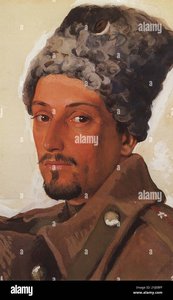
evgeny yevgenyevich lanceray
1875 - 1946 , Russia
プロフィール概要
- Artistic Movement Or Style: Realism, Landscape
- Artists Or Movements Influenced By This Artist: ['Impressionism']
- Artists Who Influenced This Artist: ['Achille Etna Michallon']
- Date Of Birth: 1796-07-16
- Date Of Death: 1875-02-22
- Full Name: Jean-Baptiste-Camille Corot
- Nationality: French
- Notable Artworks:
- Views at Narni
- Roman Campagna
- Place Of Birth: Paris, France