

 プレビュー
プレビュー
 シェアする
シェアする シェアする
シェアする
 詳細を見る
詳細を見る

 ダウンロード
 似ている作品
 X線調査
X線調査 スライドショー
 統計情報
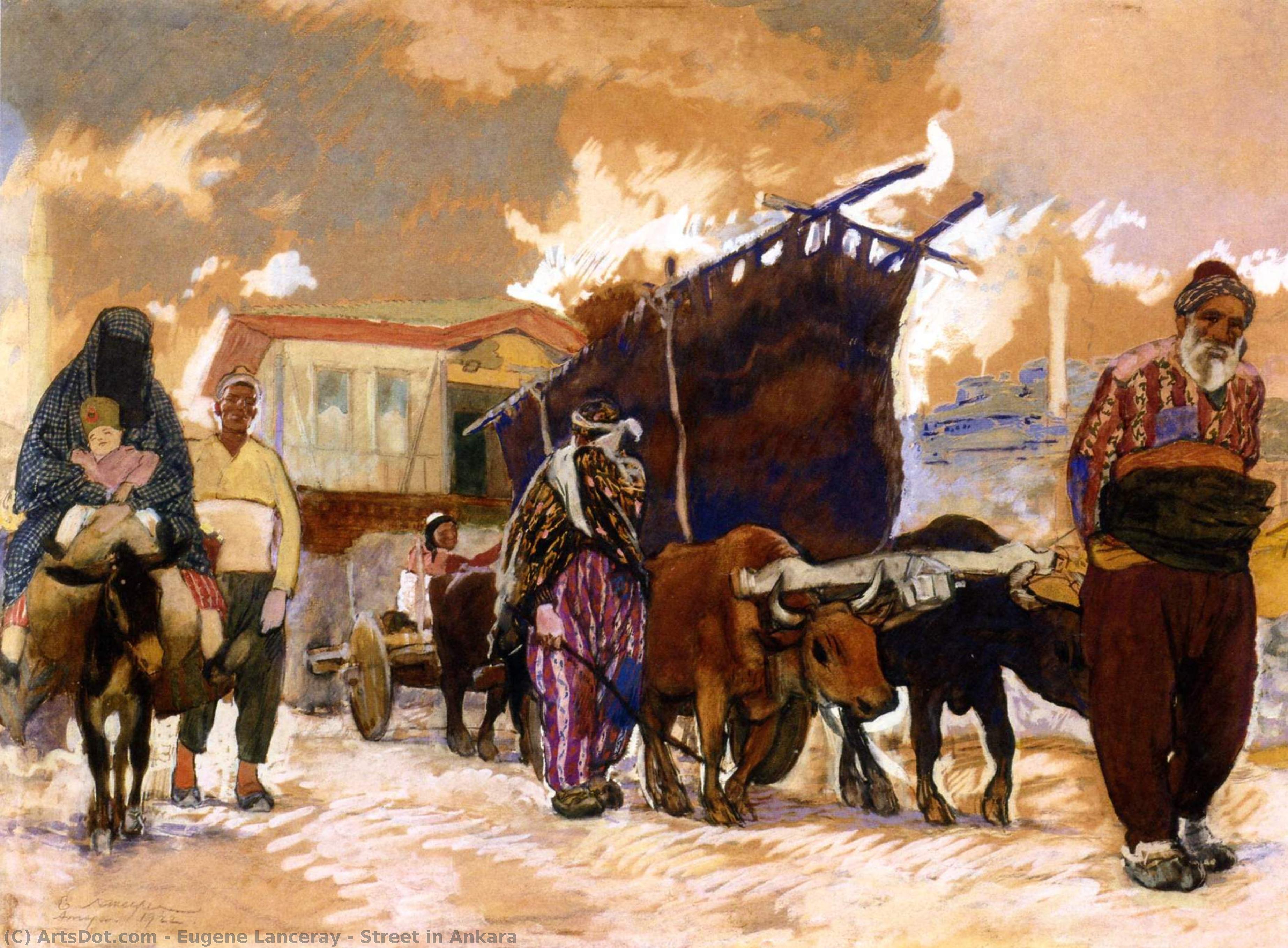
統計情報Street in Ankara
 1922
1922 72.0 x 101.0 cm
 詳細を見る
詳細を見る
手描き油彩複製画
当社のアーティストが、お客様のご希望のサイズと額縁に合わせて、キャンバスに手描きで制作する油彩画です。 ( プリント版に切り替え デジタル画像販売へ切り替え)




































作品のオリジナル比率に合わせた、当店の規定サイズからお選びください。

特定のフレームやスペースに合わせて、ご希望のサイズをご入力いただけます。選択されたサイズが元の画像の比率と異なる場合、アートワークをトリミングするか、手描きで要素を追加して絵画を拡張いたします。デジタルモックアップ を制作し、制作開始前にご確認(承認)をいただきます。
画面上のプレビューは、実際のトリミングや拡張を正確に反映しているものではありません。最終的な構図は、モックアップによってのみ正確にご確認いただけます。
カスタムサイズもご利用いただけますが、元の比率を維持するためには、あらかじめ用意されたリストからサイズを選択することをお勧めいたします。
ご注文後、ArtsDot.com チームより詳細な指示をお送りするとともに、仕上がりイメージ(モックアップ)をご提供いたします。


 ガラスオプションは、110cm未満のサイズでのみご利用いただけます。

Street in Ankara
複製技法
複製画のサイズ
-


合計金額
$ 363
関連作品








アーティストの略歴
Jean-Baptiste-Camille Corot: Bridging Realism and Impressionism
Jean-Baptiste-Camille Corot, born in Paris on July 16th, 1796, stands as a pivotal figure in the transition between Neoclassicism and the burgeoning Impressionist movement. His life’s work wasn't defined by grand narratives or revolutionary pronouncements, but rather by an unwavering dedication to capturing the subtle beauty of the natural world – the shifting light on fields, the hazy outlines of distant hills, and the quiet dignity of rural life. Unlike many artists of his era who sought fame through dramatic historical scenes or mythological allegories, Corot’s focus remained firmly rooted in observation and a profound respect for the landscape itself. He wasn't merely painting what he saw; he was striving to convey the *feeling* of being present within that environment.
Corot’s early life provided an unusual foundation for his artistic pursuits. Born into a comfortable bourgeois family – his father a wigmaker and mother a milliner – he received a scholarship that allowed him to escape the rigid confines of formal education, instead immersing himself in the study of art. His initial training under Achille Etna Michallon, a student of Valenciennes, instilled in him a grounding in traditional landscape techniques. However, it was his subsequent mentorship by Jean-Victor Bertin, another follower of Valenciennes, who truly shaped his artistic vision. This early influence emphasized atmospheric effects and the use of muted colors to create a sense of depth and distance – a crucial element that would later inform his distinctive style.
A transformative journey to Italy in the 1820s proved instrumental in Corot’s development. He spent several summers exploring the Italian countryside, meticulously studying the works of masters like Claude Lorrain and Titian. This experience broadened his understanding of composition, color theory, and the expressive potential of light. Crucially, he began to incorporate elements of the Italian landscape – its warm hues, dramatic lighting, and evocative atmosphere – into his own paintings. Returning to Paris, he continued to refine his technique, experimenting with looser brushstrokes and a greater emphasis on capturing fleeting moments in time. His work during this period is characterized by a remarkable sensitivity to light and shadow, often depicting scenes of rural life with a quiet dignity and understated beauty.
The Pursuit of *Plein Air* and the Development of Style
Corot’s most significant contribution to art history lies in his pioneering adoption of *plein air* painting – working directly from nature. Prior to this practice, artists typically completed their paintings in the studio, relying on memory and sketches as guides. Corot's decision to paint outdoors revolutionized landscape art, allowing him to capture the immediacy and dynamism of the natural world with unprecedented accuracy. This commitment to *plein air* was not merely a technical innovation; it represented a fundamental shift in artistic philosophy – a move away from idealized representations towards a more honest and authentic portrayal of reality.
His style evolved considerably over his long career, reflecting both his deep respect for tradition and his willingness to embrace new approaches. Early works often featured sharply defined forms and carefully rendered details, reminiscent of the Neoclassical tradition. However, as he matured, his brushstrokes became looser and more expressive, his colors softer and more atmospheric. He developed a distinctive technique of layering thin washes of paint to create subtle gradations of tone and color – a method that anticipated the techniques employed by Impressionist painters like Monet and Renoir. His later works are often characterized by a hazy, dreamlike quality, as if he were attempting to capture not just what he saw but also the *feeling* of being present in that moment.
Subjects and Themes: Rural Life and the Essence of Nature
Corot’s subject matter was deliberately modest. He rarely depicted grand historical events or mythological scenes, instead focusing on the everyday lives of rural people – peasants working in fields, shepherds tending their flocks, and families gathering around fires. These seemingly simple subjects were imbued with a profound sense of dignity and humanity. Corot wasn't interested in glorifying labor; he sought to capture the quiet beauty and resilience of those who lived close to the land.
Furthermore, his paintings frequently explored themes of light and atmosphere. He was fascinated by the way that sunlight transformed the landscape throughout the day, creating a constantly shifting interplay of color and shadow. His works are filled with subtle nuances of tone and texture – evidence of his meticulous observation and his deep understanding of how light interacts with different surfaces. He often painted in areas of France known for their dramatic landscapes, such as Normandy, Provence, and the Morvan region, capturing the unique character of each location.
Legacy and Influence
Despite not achieving widespread fame during his lifetime, Corot’s influence on subsequent generations of artists is immeasurable. He served as a mentor to many young painters, including Monet, Renoir, Sisley, and Pissarro – all of whom would go on to become leading figures in the Impressionist movement. Corot's emphasis on *plein air* painting, his loose brushwork, and his atmospheric color palettes paved the way for the development of Impressionism. His work demonstrated that landscape art could be both beautiful and emotionally resonant, inspiring a new generation of artists to explore the expressive potential of nature.
Today, Corot’s paintings are celebrated for their quiet beauty, their subtle nuances of tone and color, and their profound sense of atmosphere. He remains one of the most beloved landscape painters in French art history – an artist who captured not just the appearance of the natural world but also its essence.
evgeny yevgenyevich lanceray
1875 - 1946 , Russia
基本情報
- Artistic Movement Or Style: Realism, Landscape
- Artists Or Movements Influenced By This Artist: ['Impressionism']
- Artists Who Influenced This Artist: ['Achille Etna Michallon']
- Date Of Birth: 1796-07-16
- Date Of Death: 1875-02-22
- Full Name: Jean-Baptiste-Camille Corot
- Nationality: French
- Notable Artworks:
- Views at Narni
- Roman Campagna
- Place Of Birth: Paris, France