

 プレビュー
プレビュー
 プリントを購入
 シェアする
シェアする シェアする
シェアする
 詳細を見る
詳細を見る

 ダウンロード
 似ている作品
 X線調査
X線調査 スライドショー
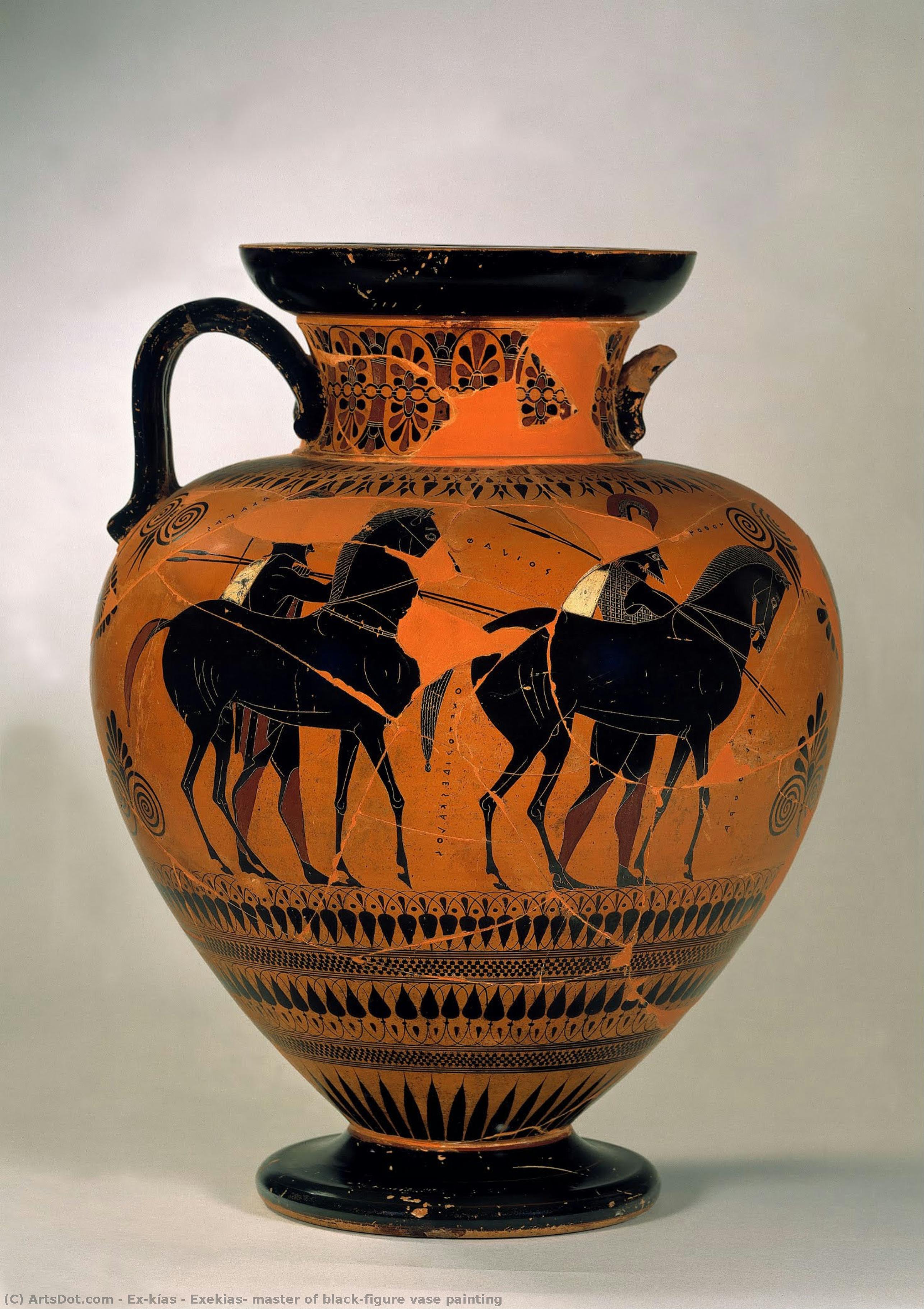
Exekias, master of black-figure vase painting


 詳細を見る
詳細を見る
オンラインプレビューをはるかに凌ぐ、高解像度で鮮明なデジタル画像をご購入いただけます。
各ファイルは、社内の専門家が高度なツールと熟練した手作業によるレタッチを用いて、細心の注意を払って準備されています。すべての画像において、卓越した鮮明度、正確な色彩再現性、そして繊細なディテールを保証いたします。
最終ファイルは、プロフェッショナルな編集・印刷環境ですぐにご利用いただけるよう最適化された状態で、72時間以内にメールにてお届けいたします。これは、一流のデザインスタジオ、出版社、ギャラリーから信頼されているものと同等の品質です。
デジタル画像のご注文に付随する特典
高品質なデジタル画像配信を、確かな品質で。
ArtsDot.com を選ぶことは、単に画像を手に入れることではありません。それは、プロの手によって精密に仕上げられ、満足保証が付いた高品質なデジタルアートワークを受け取ることを意味します。ご注文いただいた際に自動的に付随する内容は、以下の通りです:

メールですぐにお届け
ご注文から72時間以内に、高解像度のデジタル画像ファイルがメールでお手元に届きます。すぐにそのままご利用いただけます。

AI技術で最適化されたデジタルファイル
お客様の作品は、高度なAIツールと専門家による手作業の編集を組み合わせてプロフェッショナルに最適化されており、細部のディテール、鮮明さ、そして正確な色再現性を最大限に引き出しています。

一生涯無料の再送サービス
ファイルを誤って削除したり、紛失してしまったりしましたか?ご安心ください。いつでも無料で再送いたします。

輸入手数料は一切かかりません
関税や手数料、配送料を気にすることなく、お気に入りのアートワークをすぐにお楽しみいただけます。デジタルダウンロードは常に免税です。

色彩再現の保証
プロ仕様のツールとカラーマネジメント技術を用いることで、デジタル画像が元の色を最大限に忠実に再現することを保証いたします。

60日間満足保証
ご購入いただいたデジタル画像にご満足いただけない場合は、60日以内であれば、修正または100%の返金(理由を問う必要はありません)をさせていただきます。

100% 返金保証
ご満足いただけない場合は、デジタルファイルを受け取ってから60日以内であれば、理由を問わず全額返金いたします。

まとめ買い割引
3枚購入で10%OFF - 5枚購入で15%OFF - 10枚以上購入で20%OFF。クリエイティブなプロジェクト、ギャラリー、エージェンシーに最適です。
関連作品
作家の略歴
The Silent Genius of Athenian Vase Painting
Exekias remains one of the most enigmatic figures in ancient Greek art history, a potter and painter whose mastery of the black-figure technique continues to inspire awe centuries later. Born around 545 BC in Athens—a city brimming with artistic innovation during the Archaic Period—he emerged as a pivotal voice within Athenian vase painting circles, shaping the aesthetic sensibilities of his time and establishing himself as arguably the greatest of all Attic vase artists. Despite leaving no written record of his life or personal beliefs, scholars reconstruct his existence through stylistic analysis of his surviving works and corroborating evidence from contemporary sources. He was a rare master who achieved the dual distinction of both potter and painter, a feat evidenced by the rare signatures on his vessels where he declares, “Exekias painted and made me.”A Pioneer of Psychological Depth
What distinguishes Exekias’s oeuvre is not merely technical brilliance—though undeniably impressive—but a profound understanding of human psychology that was remarkably advanced for its era. Unlike many of his contemporaries who focused on depicting mythological narratives with stylized, static figures, Exekias imbued his scenes with palpable emotion and nuanced characterization. His work often captures the quiet, heavy moments before or after great drama. Consider the famed Herakles & Warrior Amphora, where the musculature of Herakles is rendered with meticulous detail to convey a sense of determined effort and unwavering resolve. Yet, even within this display of strength, there is a subtle vulnerability in the accompanying warrior that speaks volumes about the anxieties inherent in warfare. This psychological realism was achieved through masterful incision techniques—carefully scratched lines etched into the clay surface before firing—which allowed for shading and contouring that surpassed anything seen previously in the Athenian workshops.Technical Mastery and Narrative Innovation
The artistry of Exekias is defined by a meticulous attention to detail that transformed functional clay vessels into profound narrative canvases. His use of the black-figure technique involved painting silhouettes in a slip that turned black during firing, followed by incredibly fine incisions to define anatomy, armor, and drapery. He often enriched these compositions with added red and white pigments to enhance the texture of chitons or the glint of weaponry. His ability to compose complex scenes is perhaps best seen in his depictions of Dionysian themes, such as his Athenian Black-figure Amphora featuring Dionysos surrounded by satyrs and maenads. In these works, he balances the chaotic energy of the mythological retinue with a structured, rhythmic grace. His compositions often utilized decorative elements like lotus flowers, palmettes, and volutes to frame his central dramas, creating a cohesive visual experience that guided the viewer's eye through the mythic landscape.Legacy and Historical Significance
The influence of Exekias extended far beyond his own lifetime, leaving an indelible mark on the trajectory of Greek art. His artistic vision profoundly impacted his pupils, most notably the Lysippides Painter, who is considered one of the foremost sculptors and painters of the subsequent generation. This lineage of excellence ensured that the principles of anatomical accuracy and dramatic tension established by Exekias became cornerstones of the Classical tradition. By elevating vase painting from mere craft to a medium capable of profound psychological expression, Exekias bridged the gap between the decorative and the profound. His work stands as a testament to a period of unparalleled creativity in Athens, representing the pinnacle of Archaic Greek art and serving as a foundational pillar for the development of Western visual storytelling.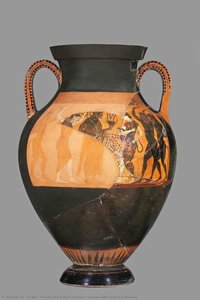
exēkías
Greece
プロフィール概要
- Artistic Movement Or Style: Black-figure technique
- Artists Who Influenced This Artist:
- Andokides Painter
- Lysippides Painter
- Full Name: exēkías
- Nationality: Greek
- Notable Artworks: ['Dionysos with Satyrs and Maenads']
- Place Of Birth: Athens, Greece

