

 プレビュー
プレビュー
 プリントを購入
 シェアする
シェアする シェアする
シェアする
 詳細を見る
詳細を見る

 ダウンロード
 似ている作品
 X線調査
X線調査 スライドショー
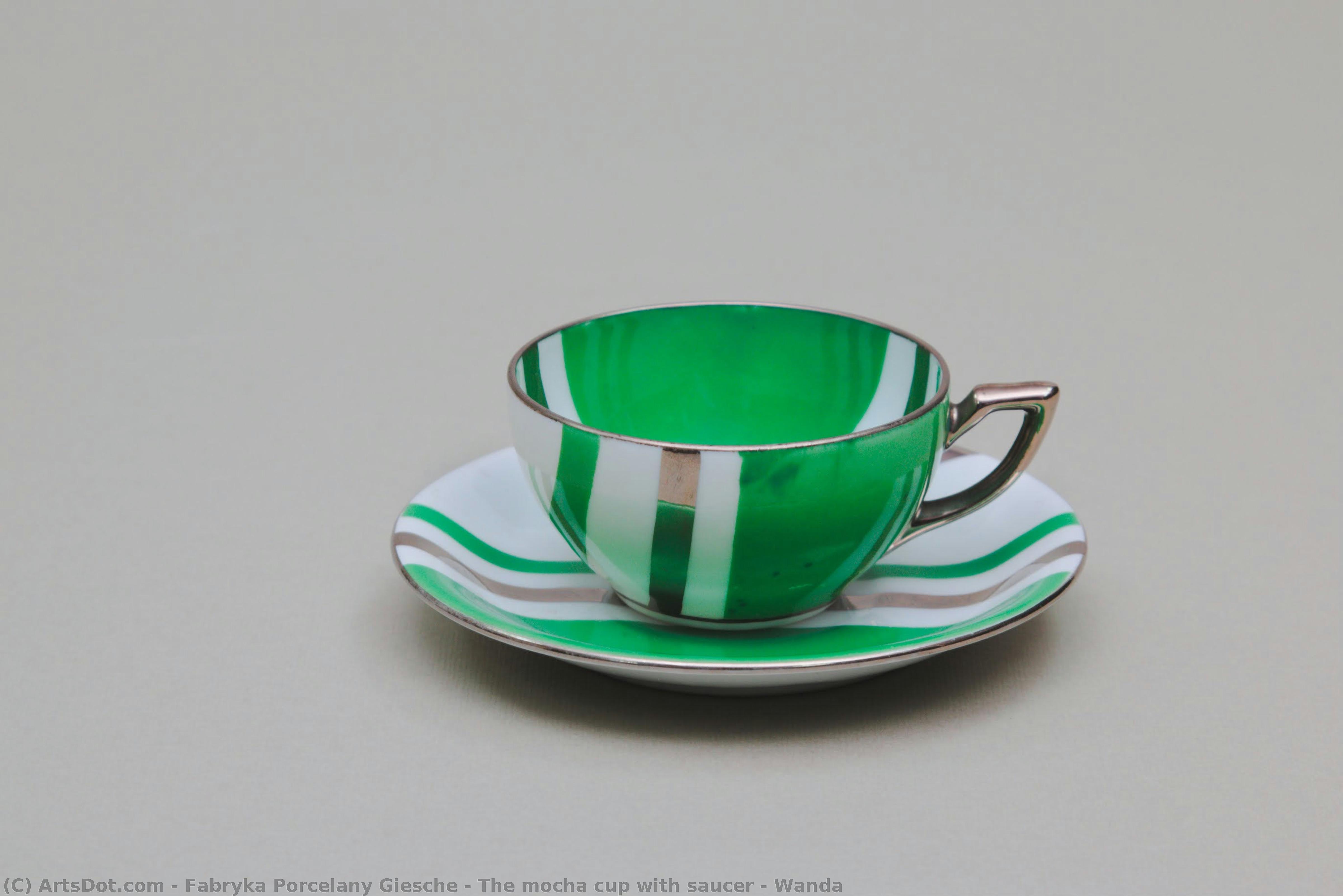
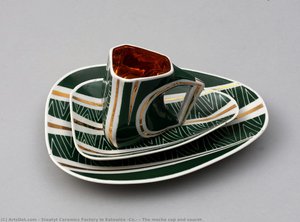
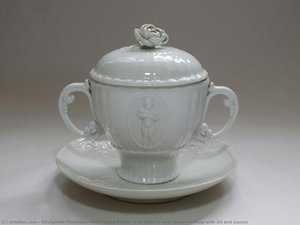
The mocha cup with saucer - Wanda


 詳細を見る
詳細を見る
オンラインプレビューをはるかに凌ぐ、高解像度で鮮明なデジタル画像をご購入いただけます。
各ファイルは、社内の専門家が高度なツールと熟練した手作業によるレタッチを用いて、細心の注意を払って準備されています。すべての画像において、卓越した鮮明度、正確な色彩再現性、そして繊細なディテールを保証いたします。
最終ファイルは、プロフェッショナルな編集・印刷環境ですぐにご利用いただけるよう最適化された状態で、72時間以内にメールにてお届けいたします。これは、一流のデザインスタジオ、出版社、ギャラリーから信頼されているものと同等の品質です。
デジタル画像のご注文に付随する特典
高品質なデジタル画像配信を、確かな品質で。
ArtsDot.com を選ぶことは、単に画像を手に入れることではありません。それは、プロの手によって精密に仕上げられ、満足保証が付いた高品質なデジタルアートワークを受け取ることを意味します。ご注文いただいた際に自動的に付随する内容は、以下の通りです:

メールですぐにお届け
ご注文から72時間以内に、高解像度のデジタル画像ファイルがメールでお手元に届きます。すぐにそのままご利用いただけます。

AI技術で最適化されたデジタルファイル
お客様の作品は、高度なAIツールと専門家による手作業の編集を組み合わせてプロフェッショナルに最適化されており、細部のディテール、鮮明さ、そして正確な色再現性を最大限に引き出しています。

一生涯無料の再送サービス
ファイルを誤って削除したり、紛失してしまったりしましたか?ご安心ください。いつでも無料で再送いたします。

輸入手数料は一切かかりません
関税や手数料、配送料を気にすることなく、お気に入りのアートワークをすぐにお楽しみいただけます。デジタルダウンロードは常に免税です。

色彩再現の保証
プロ仕様のツールとカラーマネジメント技術を用いることで、デジタル画像が元の色を最大限に忠実に再現することを保証いたします。

100日間満足保証
ご購入いただいたデジタル画像にご満足いただけない場合は、100日以内であれば、理由を問わず修正または100%の返金対応をさせていただきます。

100% 返金保証
ご満足いただけない場合は、デジタルファイルを受け取ってから100日以内であれば、理由を問わず全額返金いたします。

まとめ買い割引
3枚購入で10%OFF - 5枚購入で15%OFF - 10枚以上購入で20%OFF。クリエイティブなプロジェクト、ギャラリー、エージェンシーに最適です。
関連作品
作家の略歴
Fabryka Porcelany Giesche: A Legacy of Silesian Craftsmanship
The Fabryka Porcelany Giesche, nestled in the historic town of Bogucice near Gliwice, Poland, stands as a testament to resilience and enduring artistic tradition. Established in 1923 by Richard Czuday, this porcelain factory emerged from the ashes of German Silesia following World War I, embodying the spirit of rebuilding and reimagining cultural identity amidst turbulent geopolitical shifts. Its story is interwoven with the complexities of Polish history, punctuated by wartime occupation and subsequent nationalization—a narrative that reflects the broader transformation of Poland’s industrial landscape during the 20th century.- Early Years & Technical Porcelain: Czuday's vision was to create a facility focused on producing high-quality technical porcelain – essential for industries like metallurgy and electrical engineering. This initial specialization prioritized precision and durability, establishing Giesche’s reputation as a supplier of reliable materials.
- Expansion into Figurines & Decorative Arts: Recognizing the potential for artistic expression beyond industrial applications, the factory swiftly diversified its offerings in the 1930s and 40s. Sculptors and designers collaborated to produce intricate figurines depicting Silesian folklore, landscapes, and historical figures—capturing the essence of regional culture.
- World War II & German Supervision: During Nazi occupation, Giesche operated under German administration, adapting its production to serve military needs while maintaining a commitment to artistic excellence. Despite challenging circumstances, the factory continued to produce decorative items and figurines reflecting Polish heritage.
- Postwar Nationalization & Artistic Revival: Following World War II, the communist regime took control of Giesche, initiating a period of significant investment in modernization and expanding its artistic repertoire. The factory embraced new techniques and styles, producing both functional porcelain and increasingly sophisticated sculptural works.
Notable Achievements & Artistic Style
Gieshe’s distinctive aesthetic is characterized by meticulous craftsmanship and a deep connection to Silesian traditions. Sculptors employed traditional modeling techniques—often utilizing stoneware clay—to create figures imbued with expressive detail and conveying narratives rooted in local folklore and history. The factory's artistic output spanned diverse styles, from Art Deco influences during the 1930s to Socialist Realism representations of industrial workers and rural life during the communist era. However, Gieshe’s enduring legacy lies in its ability to preserve and reinterpret Silesian cultural heritage through the medium of porcelain.- Emphasis on Detail & Texture: Artists meticulously sculpted surfaces with remarkable precision, capturing subtle nuances of form and texture—a hallmark of Silesian ceramic artistry.
- Symbolic Representation: Figures often incorporated symbolic elements reflecting Silesian beliefs and values – representing agricultural prosperity, religious devotion, and the spirit of resilience.
Decline & Legacy
Despite efforts to maintain its artistic traditions throughout the latter half of the 20th century, Gieshe faced increasing economic pressures in the years leading up to its bankruptcy in 2009. The factory struggled to compete with larger international producers and adapt to changing market demands. Nevertheless, Giesche’s enduring influence extends beyond its production output. It remains a symbol of Silesian cultural identity—a repository of artistic heritage that continues to inspire contemporary ceramic artists.- Contemporary Relevance: The factory's techniques and stylistic sensibilities continue to inform the work of modern sculptors, demonstrating the lasting impact of Gieshe’s artistic legacy.
Conclusion
Fabryka Porcelany Giesche represents more than just a porcelain manufacturer; it embodies the spirit of Silesian resilience and artistic perseverance. From its origins as a supplier of technical ceramics to its embrace of decorative arts and its enduring connection to regional folklore, Gieshe’s story illuminates the complexities of Polish history while celebrating the beauty and craftsmanship of Silesian ceramic tradition.
fabryka porcelany giesche
Poland
プロフィール概要
- Artistic Movement Or Style: Technical porcelain
- Artists Who Influenced This Artist: ['Richard Czuday']
- Date Of Birth: 1923
- Full Name: Fabryka Porcelany Giesche
- Nationality: Polish
- Notable Artworks: ['Various technical porcelain pieces']
- Place Of Birth: Bóguczice, Poland