

 プレビュー
プレビュー
 プリントを購入
 シェアする
シェアする シェアする
シェアする
 詳細を見る
詳細を見る

 ダウンロード
 似ている作品
 X線調査
X線調査 スライドショー
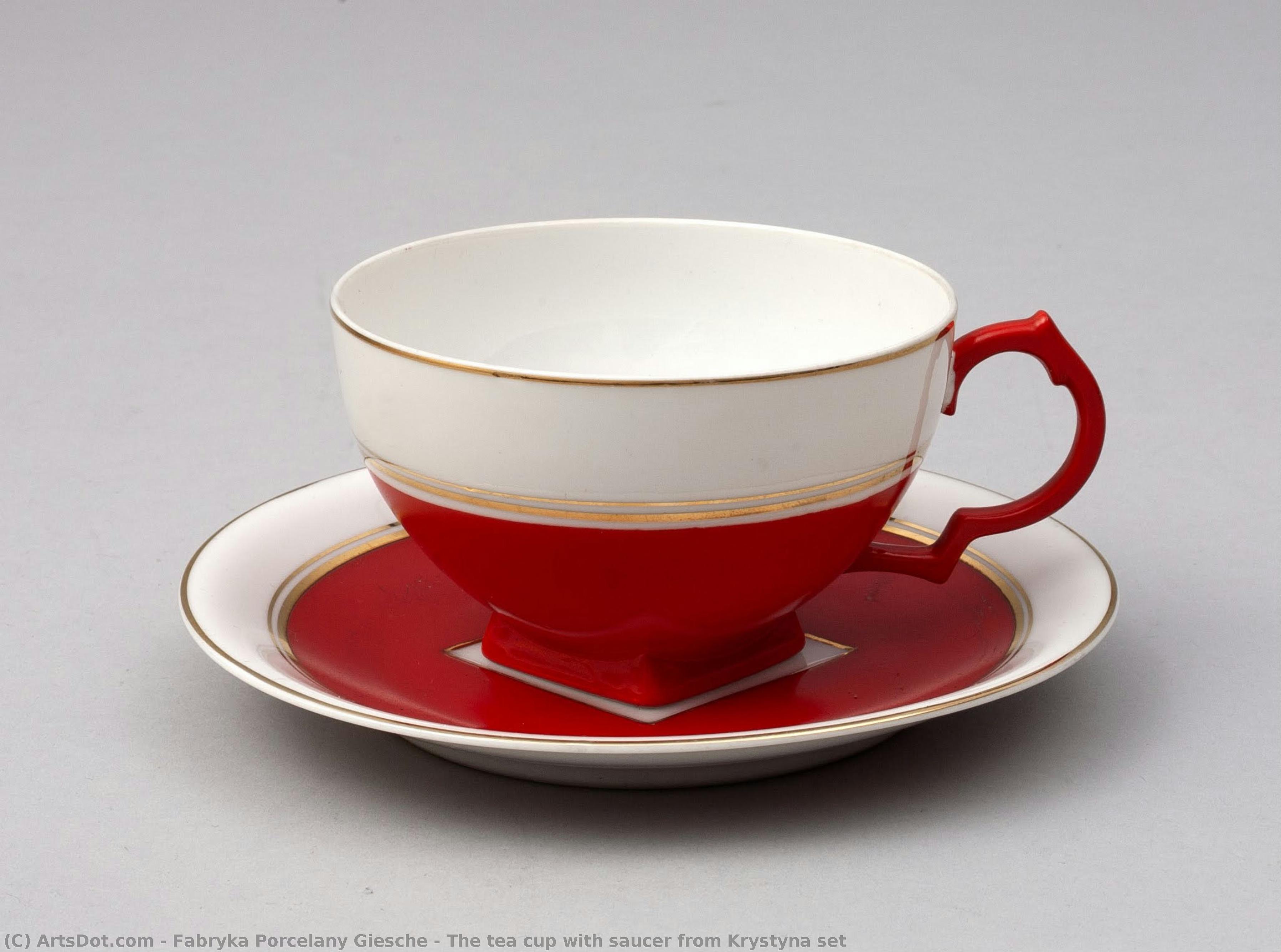
The tea cup with saucer from Krystyna set


 詳細を見る
詳細を見る




































作品のオリジナル比率に合わせた、当店の規定サイズからお選びください。

特定のフレームやスペースに合わせて、ご希望のサイズをご入力いただけます。選択されたサイズが元の画像の比率と異なる場合、アートワークをトリミングするか、手描きで要素を追加して絵画を拡張いたします。デジタルモックアップ を制作し、制作開始前にご確認(承認)をいただきます。
画面上のプレビューは、実際のトリミングや拡張を正確に反映しているものではありません。最終的な構図は、モックアップによってのみ正確にご確認いただけます。
カスタムサイズもご利用いただけますが、元の比率を維持するためには、あらかじめ用意されたリストからサイズを選択することをお勧めいたします。
ご注文後、ArtsDot.com チームより詳細な指示をお送りするとともに、仕上がりイメージ(モックアップ)をご提供いたします。


 ガラスオプションは、110cm未満のサイズでのみご利用いただけます。

The tea cup with saucer from Krystyna set
複製技法
複製画のサイズ
-


合計金額
$ 263
関連作品





アーティストの略歴
Fabryka Porcelany Giesche: A Legacy of Silesian Craftsmanship
The Fabryka Porcelany Giesche, nestled in the historic town of Bogucice near Gliwice, Poland, stands as a testament to resilience and enduring artistic tradition. Established in 1923 by Richard Czuday, this porcelain factory emerged from the ashes of German Silesia following World War I, embodying the spirit of rebuilding and reimagining cultural identity amidst turbulent geopolitical shifts. Its story is interwoven with the complexities of Polish history, punctuated by wartime occupation and subsequent nationalization—a narrative that reflects the broader transformation of Poland’s industrial landscape during the 20th century.- Early Years & Technical Porcelain: Czuday's vision was to create a facility focused on producing high-quality technical porcelain – essential for industries like metallurgy and electrical engineering. This initial specialization prioritized precision and durability, establishing Giesche’s reputation as a supplier of reliable materials.
- Expansion into Figurines & Decorative Arts: Recognizing the potential for artistic expression beyond industrial applications, the factory swiftly diversified its offerings in the 1930s and 40s. Sculptors and designers collaborated to produce intricate figurines depicting Silesian folklore, landscapes, and historical figures—capturing the essence of regional culture.
- World War II & German Supervision: During Nazi occupation, Giesche operated under German administration, adapting its production to serve military needs while maintaining a commitment to artistic excellence. Despite challenging circumstances, the factory continued to produce decorative items and figurines reflecting Polish heritage.
- Postwar Nationalization & Artistic Revival: Following World War II, the communist regime took control of Giesche, initiating a period of significant investment in modernization and expanding its artistic repertoire. The factory embraced new techniques and styles, producing both functional porcelain and increasingly sophisticated sculptural works.
Notable Achievements & Artistic Style
Gieshe’s distinctive aesthetic is characterized by meticulous craftsmanship and a deep connection to Silesian traditions. Sculptors employed traditional modeling techniques—often utilizing stoneware clay—to create figures imbued with expressive detail and conveying narratives rooted in local folklore and history. The factory's artistic output spanned diverse styles, from Art Deco influences during the 1930s to Socialist Realism representations of industrial workers and rural life during the communist era. However, Gieshe’s enduring legacy lies in its ability to preserve and reinterpret Silesian cultural heritage through the medium of porcelain.- Emphasis on Detail & Texture: Artists meticulously sculpted surfaces with remarkable precision, capturing subtle nuances of form and texture—a hallmark of Silesian ceramic artistry.
- Symbolic Representation: Figures often incorporated symbolic elements reflecting Silesian beliefs and values – representing agricultural prosperity, religious devotion, and the spirit of resilience.
Decline & Legacy
Despite efforts to maintain its artistic traditions throughout the latter half of the 20th century, Gieshe faced increasing economic pressures in the years leading up to its bankruptcy in 2009. The factory struggled to compete with larger international producers and adapt to changing market demands. Nevertheless, Giesche’s enduring influence extends beyond its production output. It remains a symbol of Silesian cultural identity—a repository of artistic heritage that continues to inspire contemporary ceramic artists.- Contemporary Relevance: The factory's techniques and stylistic sensibilities continue to inform the work of modern sculptors, demonstrating the lasting impact of Gieshe’s artistic legacy.
Conclusion
Fabryka Porcelany Giesche represents more than just a porcelain manufacturer; it embodies the spirit of Silesian resilience and artistic perseverance. From its origins as a supplier of technical ceramics to its embrace of decorative arts and its enduring connection to regional folklore, Gieshe’s story illuminates the complexities of Polish history while celebrating the beauty and craftsmanship of Silesian ceramic tradition.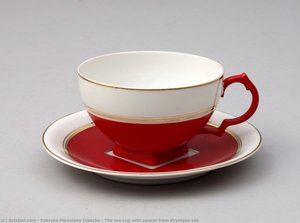
fabryka porcelany giesche
Poland
基本情報
- Artistic Movement Or Style: Technical porcelain
- Artists Who Influenced This Artist: ['Richard Czuday']
- Date Of Birth: 1923
- Full Name: Fabryka Porcelany Giesche
- Nationality: Polish
- Notable Artworks: ['Various technical porcelain pieces']
- Place Of Birth: Bóguczice, Poland