

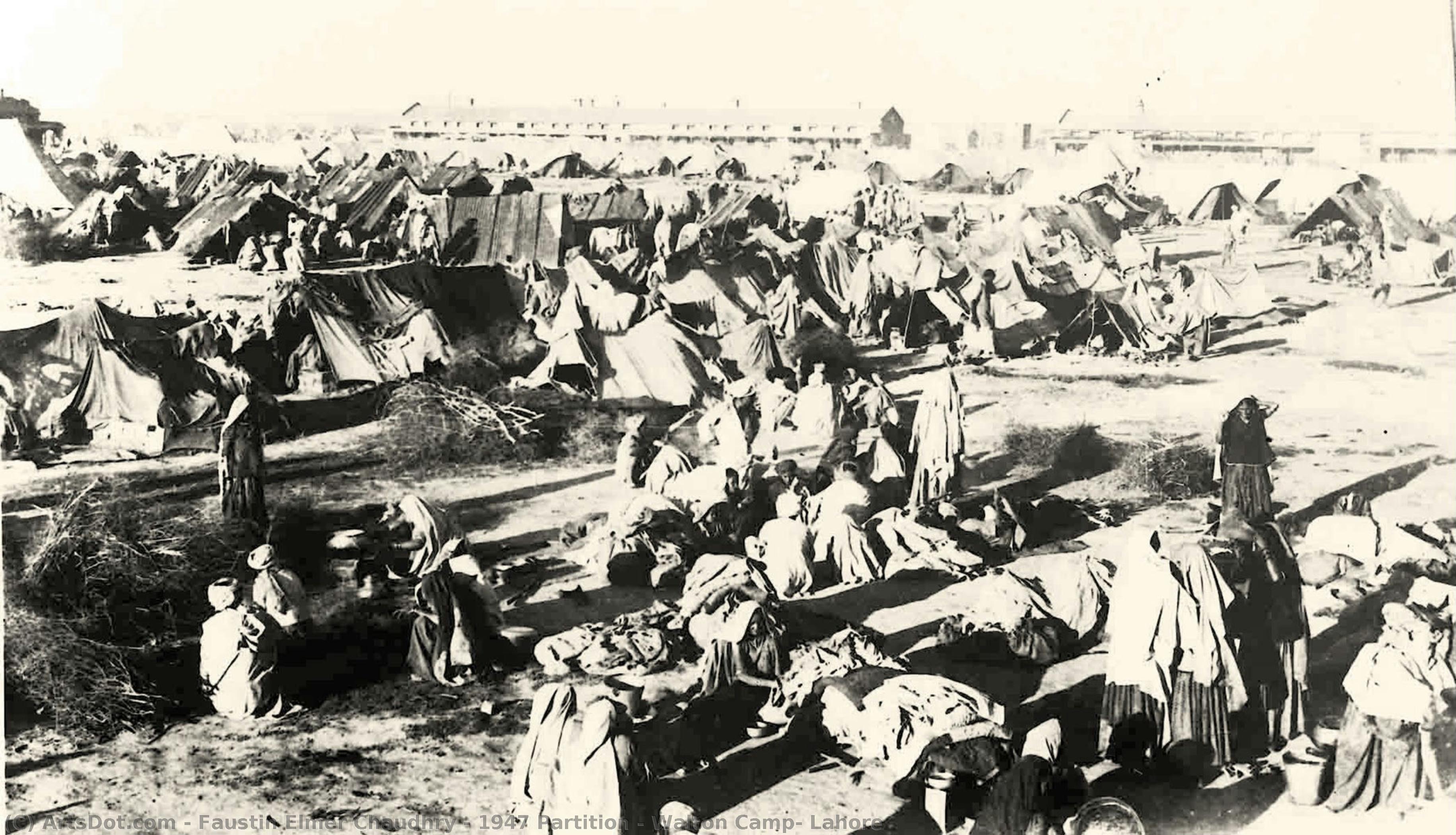
 プレビュー
プレビュー
 プリントを購入
 シェアする
シェアする シェアする
シェアする
 詳細を見る
詳細を見る

 ダウンロード
 似ている作品
 X線調査
X線調査 スライドショー
1947 Partition - Walton Camp, Lahore

 詳細を見る
詳細を見る
オンラインプレビューをはるかに凌ぐ、高解像度で鮮明なデジタル画像をご購入いただけます。
各ファイルは、社内の専門家が高度なツールと熟練した手作業によるレタッチを用いて、細心の注意を払って準備されています。すべての画像において、卓越した鮮明度、正確な色彩再現性、そして繊細なディテールを保証いたします。
最終ファイルは、プロフェッショナルな編集・印刷環境ですぐにご利用いただけるよう最適化された状態で、72時間以内にメールにてお届けいたします。これは、一流のデザインスタジオ、出版社、ギャラリーから信頼されているものと同等の品質です。
デジタル画像のご注文に付随する特典
高品質なデジタル画像配信を、確かな品質で。
ArtsDot.com を選ぶことは、単に画像を手に入れることではありません。それは、プロの手によって精密に仕上げられ、満足保証が付いた高品質なデジタルアートワークを受け取ることを意味します。ご注文いただいた際に自動的に付随する内容は、以下の通りです:

メールですぐにお届け
ご注文から72時間以内に、高解像度のデジタル画像ファイルがメールでお手元に届きます。すぐにそのままご利用いただけます。

AI技術で最適化されたデジタルファイル
お客様の作品は、高度なAIツールと専門家による手作業の編集を組み合わせてプロフェッショナルに最適化されており、細部のディテール、鮮明さ、そして正確な色再現性を最大限に引き出しています。

一生涯無料の再送サービス
ファイルを誤って削除したり、紛失してしまったりしましたか?ご安心ください。いつでも無料で再送いたします。

輸入手数料は一切かかりません
関税や手数料、配送料を気にすることなく、お気に入りのアートワークをすぐにお楽しみいただけます。デジタルダウンロードは常に免税です。

色彩再現の保証
プロ仕様のツールとカラーマネジメント技術を用いることで、デジタル画像が元の色を最大限に忠実に再現することを保証いたします。

60日間満足保証
ご購入いただいたデジタル画像にご満足いただけない場合は、60日以内であれば、修正または100%の返金(理由を問う必要はありません)をさせていただきます。

100% 返金保証
ご満足いただけない場合は、デジタルファイルを受け取ってから60日以内であれば、理由を問わず全額返金いたします。

まとめ買い割引
3枚購入で10%OFF - 5枚購入で15%OFF - 10枚以上購入で20%OFF。クリエイティブなプロジェクト、ギャラリー、エージェンシーに最適です。
関連作品





作家の略歴
Francis Bacon: A Chronicle of Anguish and the Human Condition
Born in Dublin, Ireland, on October 28th, 1909, Francis Bacon’s life was a tapestry woven with threads of intellectual curiosity, bohemian excess, and profound artistic struggle. He wasn't initially destined for a career as an artist; his early years were marked by a restless spirit and a series of detours – interior decorating, gambling, and even a brief stint as a bon vivant in London’s Soho district. It was only in his late twenties that Bacon truly embraced painting, embarking on a journey to capture the raw, unsettling realities of the human experience—a journey that would cement his place as one of the 20th century's most challenging and influential figures.
Bacon’s artistic development wasn’t linear. Influenced initially by the vibrant colors and dynamic compositions of Pablo Picasso, he quickly moved beyond mimicry, developing a distinctly personal style characterized by distorted forms, grotesque imagery, and an almost unbearable sense of claustrophobia. He famously described his process as “seeing images in series,” suggesting a relentless pursuit of recurring motifs—faces, figures trapped within confined spaces, and the ever-present specter of violence. This obsessive repetition wasn’t born from a lack of imagination but rather a deliberate attempt to distill the essence of an idea or emotion, pushing it to its most extreme manifestation.
- Early Influences: Bacon's early work shows traces of Picasso’s Cubism and the expressive distortions of German Expressionism.
- The Harlem Renaissance: He was deeply influenced by the artistic community in Harlem, particularly through his friendship with Augusta Savage, a prominent figure in the movement.
- Recurring Motifs: Bacon's oeuvre is dominated by recurring themes – screaming faces, distorted bodies, and isolated figures—each imbued with a palpable sense of anxiety and despair.
The Dark Heart of the 20th Century
Bacon’s paintings are not merely representations of reality; they are visceral explorations of psychological torment. He didn't shy away from depicting violence, suffering, and the darker aspects of human nature. His subjects—often self-portraits or portraits of close friends—are rendered with a brutal honesty that confronts viewers with their own mortality and vulnerability. The figures in his paintings aren’t simply depicted; they are *felt*, radiating an intense emotional charge.
His most iconic works, such as *Three Studies for Figures at the Base of a Crucifixion* (1944), exemplify this approach. These triptychs—featuring distorted, screaming faces emerging from pools of blood—are not celebratory depictions of religious iconography but rather harrowing meditations on pain, guilt, and the inescapable nature of suffering. Similarly, his “screaming popes” series captures a sense of profound anguish and spiritual crisis, reflecting the anxieties of post-war Europe.
Bacon’s use of color is equally significant. He frequently employed jarring combinations of reds, yellows, and blacks—colors associated with violence, decay, and impending doom—to heighten the emotional impact of his work. His technique involved layering paint in thick impasto, creating a tactile surface that invites close examination and encourages viewers to confront the unsettling details of each image.
Formal Innovations and Artistic Evolution
Throughout his career, Bacon experimented with various formats and techniques, constantly pushing the boundaries of his artistic practice. He frequently employed triptychs and diptychs—panel paintings that allowed him to explore a single subject from multiple perspectives—and utilized unconventional materials such as collage and found objects. His work evolved through distinct phases, each reflecting a particular stage in his life and artistic development.
- 1930s Bio-Morphs: Early works featured distorted, biomorphic figures influenced by Picasso’s cubism.
- 1940s Male Heads: A series of isolated male heads trapped within confined spaces, reflecting the anxieties of wartime Britain.
- 1950s Animals and Lone Figures: Paintings depicting animals and solitary figures in desolate landscapes, evoking a sense of isolation and vulnerability.
- 1960s Crucifixions & Portraits of Friends: A shift towards more intimate portraits of his companions, often imbued with a melancholic undertone.
- 1980s Technical Paintings: Later works displayed a greater technical precision, reflecting Bacon’s mastery of his craft.
Legacy and Historical Significance
Francis Bacon died on April 28th, 1992, leaving behind an extraordinary body of work that continues to challenge and provoke viewers today. His paintings are not easy to look at—they demand a willingness to confront uncomfortable truths about the human condition. Yet, it is precisely this unflinching honesty that makes his art so enduringly powerful.
Bacon’s influence extends far beyond the realm of painting. He is considered a key figure in the development of Abstract Expressionism and has profoundly impacted subsequent generations of artists. His work serves as a stark reminder of the fragility of human existence, the inevitability of suffering, and the enduring power of art to grapple with the darkest aspects of our shared experience. His legacy lies not just in his distinctive visual style but also in his courageous exploration of the unspoken anxieties that lie beneath the surface of modern life.

faustin elmer chaudhry
1909 - 2013 , India
プロフィール概要
- Artistic Movement Or Style: Figurative art
- Artists Or Movements Influenced By This Artist: ['Abstract Expressionism']
- Artists Who Influenced This Artist:
- Picasso
- Furies
- Date Of Birth: October 28, 1909
- Date Of Death: April 28, 1992
- Full Name: Francis Bacon
- Nationality: British
- Notable Artworks:
- Three Studies...
- screaming popes
- portraits of friends
- Place Of Birth: Dublin, Ireland

