

 プレビュー
プレビュー
 シェアする
シェアする シェアする
シェアする
 詳細を見る
詳細を見る

 ダウンロード
 似ている作品
 X線調査
X線調査 スライドショー
 統計情報
統計情報The Reader (Clara)


 詳細を見る
詳細を見る
手描き油彩複製画
当社のアーティストが、お客様のご希望のサイズと額縁に合わせて、キャンバスに手描きで制作する油彩画です。 ( プリント版に切り替え デジタル画像販売へ切り替え)




P118B $10

P118H $10

P118W $10

P438Z $10

P508JH $12

P508YH $12

P805H $10

P805Z $10

P919BZ $10

P919G $10

P919XJ $10

P959ZH $10

P968JZ $12

W106C $8

W218G $10

W218JH $8

W218Y $10

W307PJ $10

W316G $10

W316PJ $8

W316Y $10

W398PJ $8

W4111J $10

W500HY $15

W500JH $15

W692G $12

W849H $8

W940BG $15

W953PJ $8




作品のオリジナル比率に合わせた、当店の規定サイズからお選びください。

特定のフレームやスペースに合わせて、ご希望のサイズをご入力いただけます。選択されたサイズが元の画像の比率と異なる場合、アートワークをトリミングするか、手描きで要素を追加して絵画を拡張いたします。デジタルモックアップ を制作し、制作開始前にご確認(承認)をいただきます。
画面上のプレビューは、実際のトリミングや拡張を正確に反映しているものではありません。最終的な構図は、モックアップによってのみ正確にご確認いただけます。
カスタムサイズもご利用いただけますが、元の比率を維持するためには、あらかじめ用意されたリストからサイズを選択することをお勧めいたします。
ご注文後、ArtsDot.com チームより詳細な指示をお送りするとともに、仕上がりイメージ(モックアップ)をご提供いたします。


 ガラスオプションは、110cm未満のサイズでのみご利用いただけます。

The Reader (Clara)
複製技法
複製画のサイズ
-


合計金額
$ 263
関連作品
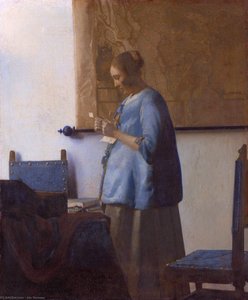
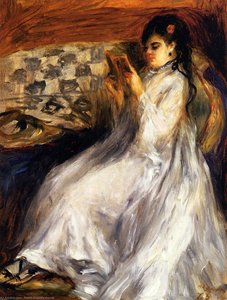
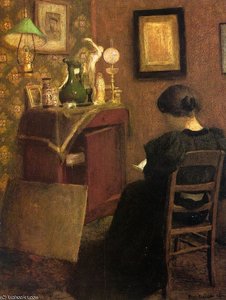
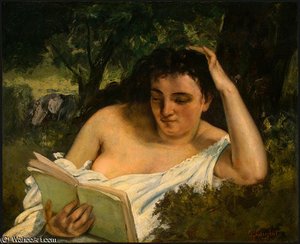
アーティストの略歴
The Tragic Visionary of Scapigliatura
Federico Faruffini (1833–1869) remains one of the most poignant and evocative figures in nineteenth-century Italian art, a painter whose brief, brilliant career served as a bridge between the rigid traditions of academic Romanticism and the rebellious, atmospheric spirit of Scapigliatura. Born in Sesto San Giovanni, near Milan, Faruffini possessed a temperament that seemed destined to clash with the structured expectations of his era. Though his father initially pressured him toward a life of legal scholarship at the University of Pavia, the pull of the canvas proved irresistible. This internal struggle between duty and passion would become a hallmark of his existence, mirroring the very tension found within his brushwork—a delicate balance between disciplined form and expressive, dissolving edges.
His artistic journey was significantly shaped by the financial and emotional support of his brothers, which allowed him to abandon the law and immerse himself in the Civica Scuola di Pittura e Scultura in Milan. It was here that he began to cultivate a style that would eventually challenge the prevailing disegno—the meticulous, line-heavy technique favored by the academies. Instead of adhering to sharp outlines, Faruffini sought to capture the ephemeral nature of light and emotion through color and soft, diffuse boundaries. This approach placed him at the heart of the Scapigliatura movement, a group of artists who sought to blur the lines between reality and sensation, much like the hazy, dreamlike atmosphere of a fading memory.
A Journey Through Light and History
Faruffini’s development as an artist was marked by a restless wandering through the great artistic centers of Europe. His travels to Rome in the late 1850s provided him with a profound connection to classical history, yet he viewed these subjects through a modern, psychological lens. While his early works, such as Cola di Rienzo Contemplating the Ruins of Emptiness, showed traces of the Romanticism championed by Francesco Hayez, he soon began to move toward a more visceral realism. This evolution was deeply influenced by the work of Giovanni Carnovali, whose mastery of light and shadow encouraged Faruffini to prioritize the sensory experience of a scene over mere historical accuracy.
The artist’s time in Venice proved equally transformative. Immersed in the luminous traditions of Venetian masters like Titian, he began to experiment with a more vibrant, saturated palette. His work Titian’s Gondola stands as a testament to this period, showcasing an intimate, almost romantic atmosphere where light and shade dance across soft forms to create a sense of profound movement. This mastery of color was not merely decorative; it was a tool used to convey the psychological depth and the fleeting, often melancholic, nature of human existence.
Legacy and the Shadow of Tragedy
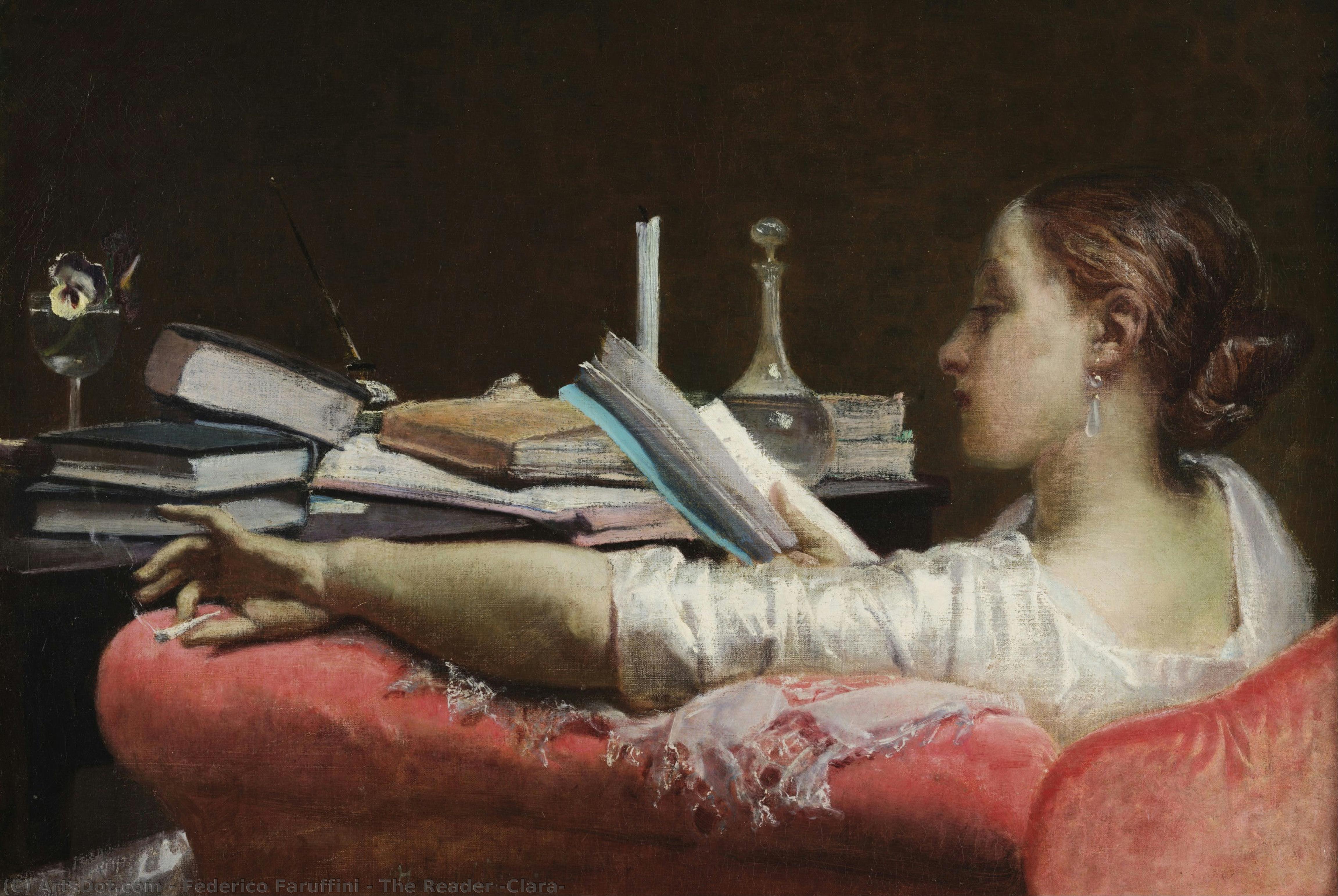
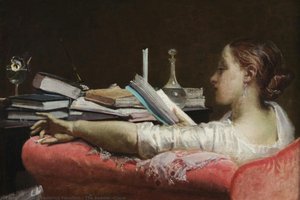
Despite his rising acclaim and nominations for prestigious official positions in Italy, Faruffini’s life was defined by an underlying sense of melancholy. His ability to capture the intimate and the unseen is perhaps best exemplified in works like The Reader: Clara. This painting, which remained largely private and unexhibited during his lifetime, suggests a deeply personal side to his artistry—a realm where he explored female subjects with a tenderness and mystery that felt disconnected from the public eye. His work often hovered on the edge of the known, much like the subject matter of his most evocative engravings.
The brilliance of Faruffini’s contribution to Italian art was tragically extinguished by his own hand when he committed suicide at the young age of thirty-eight. He left behind a body of work that serves as a vital link in the evolution of modern painting, embodying the transition from the structured narratives of the past to the emotive, atmospheric explorations of the future. Today, he is remembered not only for his technical skill but as a symbol of the Scapigliatura spirit—a visionary who sought to capture the very soul of light and shadow before his time was cut short.
Federico Faruffini
1833 - 1869 , Italy
基本情報
- Artistic Movement Or Style: Scapigliatura
- Date Of Birth: August 12, 1833
- Full Name: Federico Faruffini
- Nationality: Italian
- Notable Artworks:
- Machiavelli and Borgia
- The Death of Ernesto Cairoli
- Sacrifice at the Nile
- Place Of Birth: Sesto San Giovanni (Milan)
関連記事

The Enduring Legacy of Oil on Canvas: Technique, History & Aesthetic Impact
Explore the rich history & techniques of oil painting – from Renaissance masters to Impressionism. Discover pigments, layering methods, and why this timeless medium endures. Expert insights for artists & art enthusiasts.

The Enduring Power of Painting: A Historical & Contemporary Exploration of Form and Emotion
Explore the rich history & enduring techniques of oil painting with ArtsDot. Discover masterpieces, learn about art collecting, and find authentic handmade reproductions crafted by skilled artists.

油彩のキャンバス:技法、歴史、そして現代の実践 - 古典美術愛好家へ
油彩の技法、歴史、巨匠たちの秘密を徹底解説。古典美術愛好家向けに、初期フランドル絵画から現代の実践まで深く掘り下げます。ArtsDotで高品質な複製画やカスタムオーダーも承ります。

Oil on Canvas: A Historical & Technical Exploration of a Timeless Artistic Medium
Explore the rich history & enduring techniques of oil painting on canvas. Discover the science behind its longevity, conservation practices, and contemporary relevance. Expert insights for art enthusiasts.
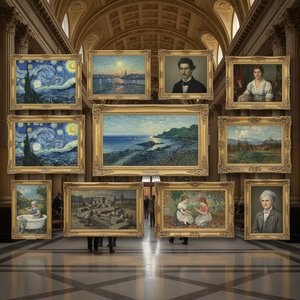
19th Century Masterpieces: 10 Paintings That Defined an Era | ArtsDot
Journey through 19th century art with ArtsDot! Explore 10 iconic paintings – from Monet & Renoir to Courbet – and discover the stories behind Romanticism, Realism & Impressionism. Find museum-quality reproductions for your home decor. Explore the full collection online!