

 プレビュー
プレビュー
 シェアする
シェアする シェアする
シェアする
 詳細を見る
詳細を見る

 ダウンロード
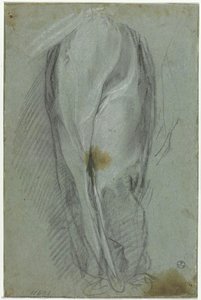
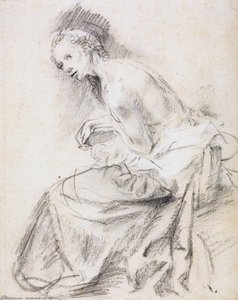
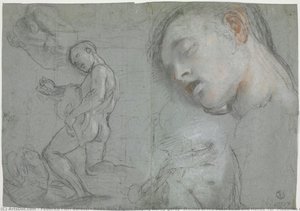
 似ている作品
 X線調査
X線調査 スライドショー
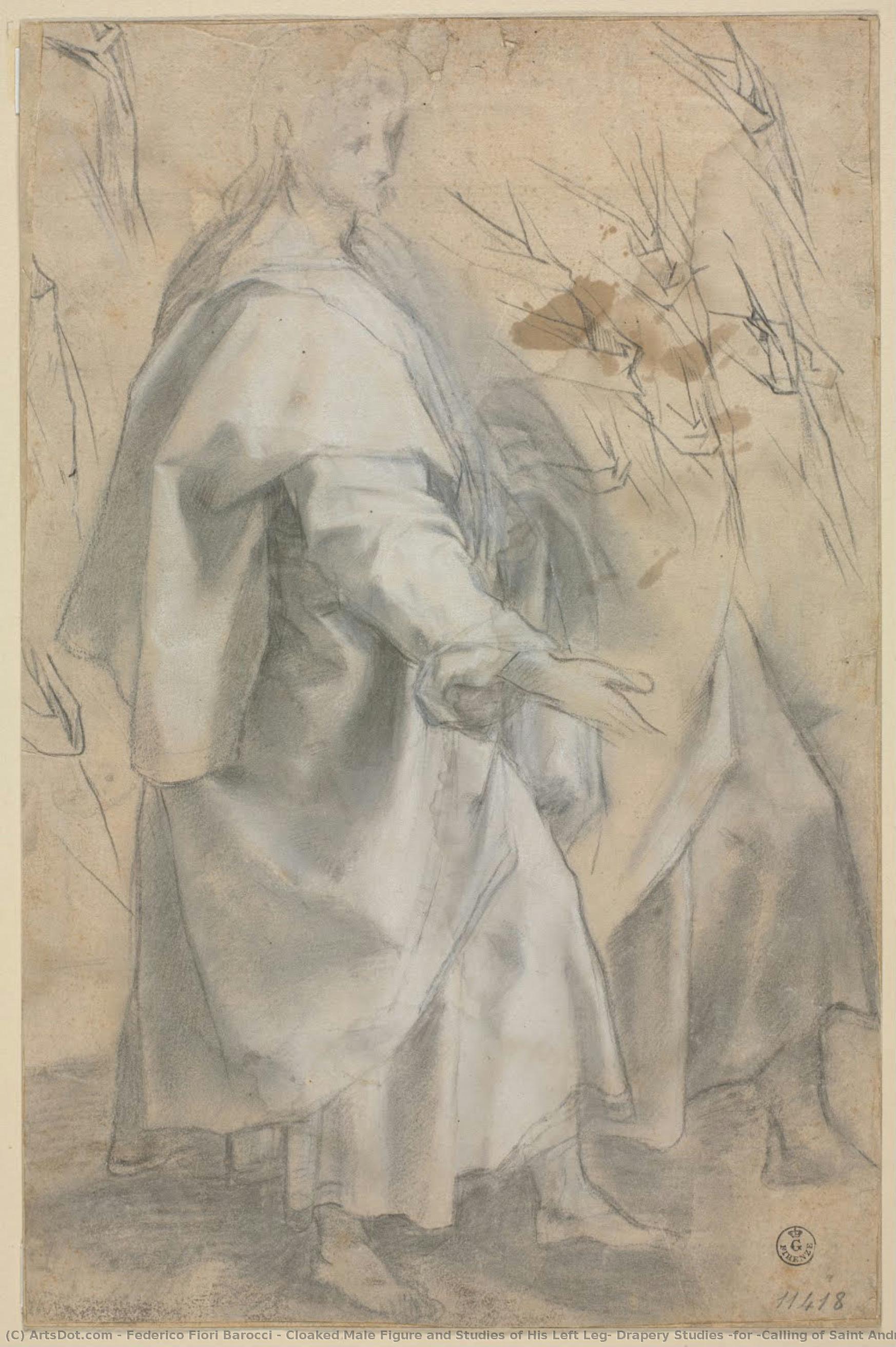
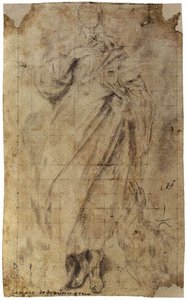
Cloaked Male Figure and Studies of His Left Leg; Drapery Studies (for “Calling of Saint Andrew”, Bruxelles, Musées royaux des Beaux-Arts de Belgique)
 Acrylic On Canvas
- WallArt
 1583
1583 41.0 x 26.0 cm
 ウフィツィ美術館
 詳細を見る
詳細を見る
ジークレー/アートプリント
迅速な制作と多彩な仕上げオプションを備えた、ミュージアムクオリティのジークレーまたはキャンバスプリント。 ( 手描きの絵画を購入 画像を購入)




P118B $10

P118H $10

P118W $10

P438Z $10

P508JH $12

P508YH $12

P805H $10

P805Z $10

P919BZ $10

P919G $10

P919XJ $10

P959ZH $10

P968JZ $12

W106C $8

W218G $10

W218JH $8

W218Y $10

W307PJ $10

W316G $10

W316PJ $8

W316Y $10

W398PJ $8

W4111J $10

W500HY $15

W500JH $15

W692G $12

W849H $8

W940BG $15

W953PJ $8




作品のオリジナル比率に合わせた、当店の規定サイズからお選びください。

特定のフレームやスペースに合わせて、ご自身でサイズを指定することも可能です。選択されたサイズが元の画像の比率と一致しない場合、作品をトリミングするか、鏡面反射または単色での塗りつぶしによって画像を拡張いたします。制作を開始する前に、ご確認用のデジタルモックアップをお送りいたします。
画面上のプレビューには、実際のトリミングや拡張は反映されませんのでご注意ください。最終的な構図を正確に確認できるのは、モックアップのみとなります。
カスタムサイズも承っておりますが、元の比率を維持するためには、あらかじめ用意されたリストからサイズを選択することをお勧めいたします。


 ガラスオプションは、110cm未満のサイズでのみご利用いただけます。

Cloaked Male Figure and Studies of His Left Leg; Drapery Studies (for “Calling of Saint Andrew”, Bruxelles, Musées royaux des Beaux-Arts de Belgique)
ジークレー/アートプリント
複製画のサイズ
-


合計金額
$ 62
Federico Barocci’s Intimate Study of Faith
Federico Fiori Barocci's "Cloaked Male Figure and Studies of His Left Leg; Drapery Studies (for ‘Calling of Saint Andrew’, Bruxelles, Musées royaux des Beaux-Arts de Belgique)" offers a rare glimpse into the meticulous process behind one of the most celebrated religious paintings of the late 16th century. Completed in 1583, this drawing – now housed within the Uffizi Gallery in Florence – isn’t merely a preparatory study; it's a testament to Barocci’s revolutionary approach to composition and his profound understanding of human form and drapery. The image itself is rendered in stark black and white, emphasizing the intricate details of the figure and the layered studies that informed the final masterpiece, “Calling of Saint Andrew.” It immediately draws the viewer into a world of careful observation and artistic exploration.
Barocci’s work stands as a pivotal bridge between the Renaissance and the burgeoning Baroque style. He was initially trained by his father, a sculptor, and later apprenticed to Battista Franco, absorbing the classical foundations while simultaneously developing an intensely personal aesthetic. His time in Rome with the Zuccari workshop exposed him to Mannerist techniques – particularly their use of elongated figures and complex spatial arrangements – which he skillfully adapted into his own distinctive style. This drawing exemplifies that transition; it retains a certain Renaissance formality in its structure, yet anticipates the dramatic dynamism and emotional intensity characteristic of Rubens’s work, whom Barocci is often considered to have profoundly influenced.
The Anatomy of Faith: Form and Drapery
What immediately captivates the eye within this study are the incredibly detailed investigations into the figure's anatomy and the drapery. Barocci wasn’t simply sketching a man in robes; he was dissecting the very essence of human form, meticulously rendering every muscle, vein, and fold of fabric. The left leg, rendered with astonishing precision, becomes a microcosm of the entire composition – a study in balance, weight, and movement. Notice how the folds of the cloak aren’t merely decorative; they are actively shaping the figure's posture and conveying a sense of volume and solidity. This level of detail wasn’t simply about accuracy; it was a deliberate attempt to capture the *illusion* of three-dimensionality on a two-dimensional surface.
The use of light and shadow is equally masterful. Barocci expertly manipulates tonal values to create a sense of depth and volume, highlighting the contours of the body and suggesting the play of light across the fabric. The subtle variations in shading imbue the figure with a remarkable presence, drawing the viewer’s eye and inviting contemplation. The studies themselves are not static; they reveal a process of constant refinement, demonstrating Barocci's commitment to achieving an unparalleled level of realism and expressive power.
Symbolism and Context: A Prelude to “Calling of Saint Andrew”
This drawing is inextricably linked to the larger "Calling of Saint Andrew" altarpiece, commissioned by the Brussels Confraternity of the Holy Sacrament. The figure depicted here – a cloaked male form – undoubtedly represents Andrew the Apostle, though his precise role within the narrative remains deliberately ambiguous. Barocci’s preparatory studies reveal that he wasn't simply aiming for a straightforward depiction; he was exploring multiple compositional possibilities and visual metaphors. The gesture of the hand, partially visible in this study, hints at the moment of calling – a pivotal event in Christian iconography.
Furthermore, Barocci’s meticulous approach to his work reflects the broader religious climate of the Counter-Reformation. He sought to evoke a sense of spiritual intensity and emotional engagement through his art, aligning with the Catholic Church's desire to reconnect with its followers. His innovative use of pastel – pioneered during this period – contributed to the luminous quality and ethereal atmosphere that characterize his paintings. The drawing’s stark monochrome highlights the brilliance of color he would later achieve in the final composition.
A Window into a Master’s Mind
“Cloaked Male Figure and Studies of His Left Leg; Drapery Studies” is more than just a preparatory sketch; it's a profound meditation on art, faith, and the human form. It offers an unparalleled opportunity to witness the creative process of one of Italy’s most influential artists. A hand-painted reproduction from ArtsDot.com allows you to bring this intimate study into your own space, appreciating Barocci’s genius and the remarkable detail that defines his legacy. Consider how these studies inform our understanding of the final “Calling of Saint Andrew,” revealing a depth of artistic intention previously unseen.
関連作品
アーティストの略歴
生い立ちと初期の修業
1535年、イタリアのウルビーノに生まれたフェデリコ・フィオリ・バロッキは、ルネサンス期の画家であり版画家の道を歩み始めました。当初の名前はフェデリコ・フィオリでしたが、「イル・バロッキョ」という愛称で知られるようになります。これは北西イタリアの方言で「牛車」を意味し、彼の出自を表しています。父親アンブロージョ・バロッキは地元の名高い彫刻家であり、幼少の頃からその才能を見せ、最初に父親のもとで絵画の基礎を学びました。その後、ウルビーノの画家バッティスタ・フランコに師事し、将来の成功へと繋がる確固たる基盤を築きました。芸術的キャリアと影響
バロッキの作品は高く評価され、ピーター・パウル・ルーベンスのようなバロック様式を先取りするものでした。ローマの名門スタジオであるタッデオとフェデリコ・ッズゥッカーリのもとで働き、様々な芸術的影響を受けました。彼の初期の重要な作品の一つに、聖サクレメント教団のために制作された「聖マルガリータ」があります。さらに、ピウス4世からバチカン・ベルヴェデーレ宮殿の装飾を依頼され、聖母子像や天使たちを描き、また、「受胎告知」というフレスコ画の天井画も手がけました。バロッキのスタイルは、マニエリスムとバロック様式の要素が混ざり合ったものでした。代表作と遺産
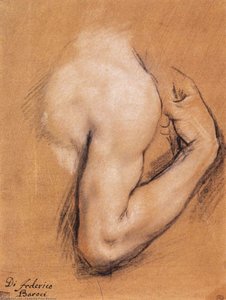
彼の才能を示す作品は数多く存在します。男性像の習作5点と右腕・手の習作2点(フィレンツェ、ウフィツィ美術館)は、バロッキが人間の形を捉える能力を証明しています。また、「割礼」のための構図研究(パリ、ルーブル美術館)は、彼の構成力と感情表現の巧みさを示しています。「聖アンドレアの召命」のための男性の頭部(ブリュッセル、王立美術博物館)は、細部へのこだわりと表情豊かな描写を際立たせています。1597年に制作された油彩画「降誕」(プラド美術館)、ウフィツィ美術館に所蔵されている「民衆の聖母」、そして愛らしい猫が描かれた「猫の聖母(La Madonna del Gatto)」も彼の代表作として知られています。1582年の作品である「受胎告知」もまた、バロッキの芸術的才能を物語る傑作です。芸術的影響と後世への貢献
バロッキの影響は、ピーター・パウル・ルーベンスをはじめとする多くの芸術家の作品に見られます。特にルーベンスは、バロッキの劇的で感情豊かな筆致から大きなインスピレーションを受けました。彼の遺産は、フィレンツェ(イタリア)のウフィツィ美術館やパリ(フランス)のルーブル美術館など、世界中の美術館に所蔵されている数多くの作品を通して今もなお称えられています。バロッキの絵画は、ルネサンスとバロックという二つの時代を繋ぐ架け橋となり、後世の芸術家たちに多大な影響を与え続けています。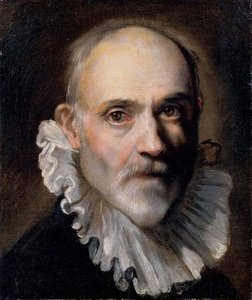
フェデリコ・バロッキ
1535 - 1612 , イタリア
基本情報
- Artistic Movement Or Style: ルネサンス、バロック
- Artists Or Movements Influenced By This Artist: ['ピーテル・パウル・ルーベンス']
- Artists Who Influenced This Artist: ['バッティスタ・フランコ']
- Date Of Birth: 1535年
- Date Of Death: 1612年
- Full Name: フェデリコ・フィオリ・バロッキ
- Nationality: イタリア人
- Notable Artworks (List Of Titles):
- 降誕図
- マドンナ・デル・ポポロ
- 受胎告知
- Place Of Birth (City And Country): ウルビーノ、イタリア
関連記事

バロックのドラマ:現代のインテリアに壮麗さと情感を取り込む
バロック様式の歴史、絵画、家具の魅力をご紹介。ArtsDotでは、高品質な油絵複製やカスタムポートレートをご提供し、現代のインテリアに壮麗さと情感を取り入れます。アートコンサルテーションも承ります。

The Dramatic Flourish: Exploring the Baroque Movement's Enduring Legacy in Art History
Explore the dramatic world of Baroque art! Discover iconic artists like Caravaggio & Rubens, defining techniques, and its lasting impact on art history. Expert insights for collectors & enthusiasts at ArtsDot.

バロック美術を極めた至宝:時代を彩る10大名作の世界
バロック美術の華!カラヴァッジョ、ベルニーニら巨匠が創り上げた10大名作を徹底解剖。ドラマチックな色彩と豪華絢爛の世界観に触れ、至宝のアートプリントで空間を彩ろう。ArtsDot.comで美術館品質の複製と洗練されたインテリアを見つけましょう!

The Visceral Stage: Exploring Dramatic Narratives & Emotional Intensity in Baroque Art
Explore the dramatic world of Baroque art! Discover iconic masters like Caravaggio & Rembrandt, their techniques, and the movement's lasting impact. Expert insights for collectors & enthusiasts at ArtsDot.
Theatricality & Triumph: Baroque Drama in Painting & Sculpture
Explore the dramatic world of Baroque art! Discover its history, defining characteristics, & lasting influence on painting & sculpture. Expert insights into Caravaggio, Zurbarán, and Bernini – plus high-quality reproductions at ArtsDot.

