

 プレビュー
プレビュー
 プリントを購入
 シェアする
シェアする シェアする
シェアする
 詳細を見る
詳細を見る

 ダウンロード
 似ている作品
 X線調査
X線調査 スライドショー
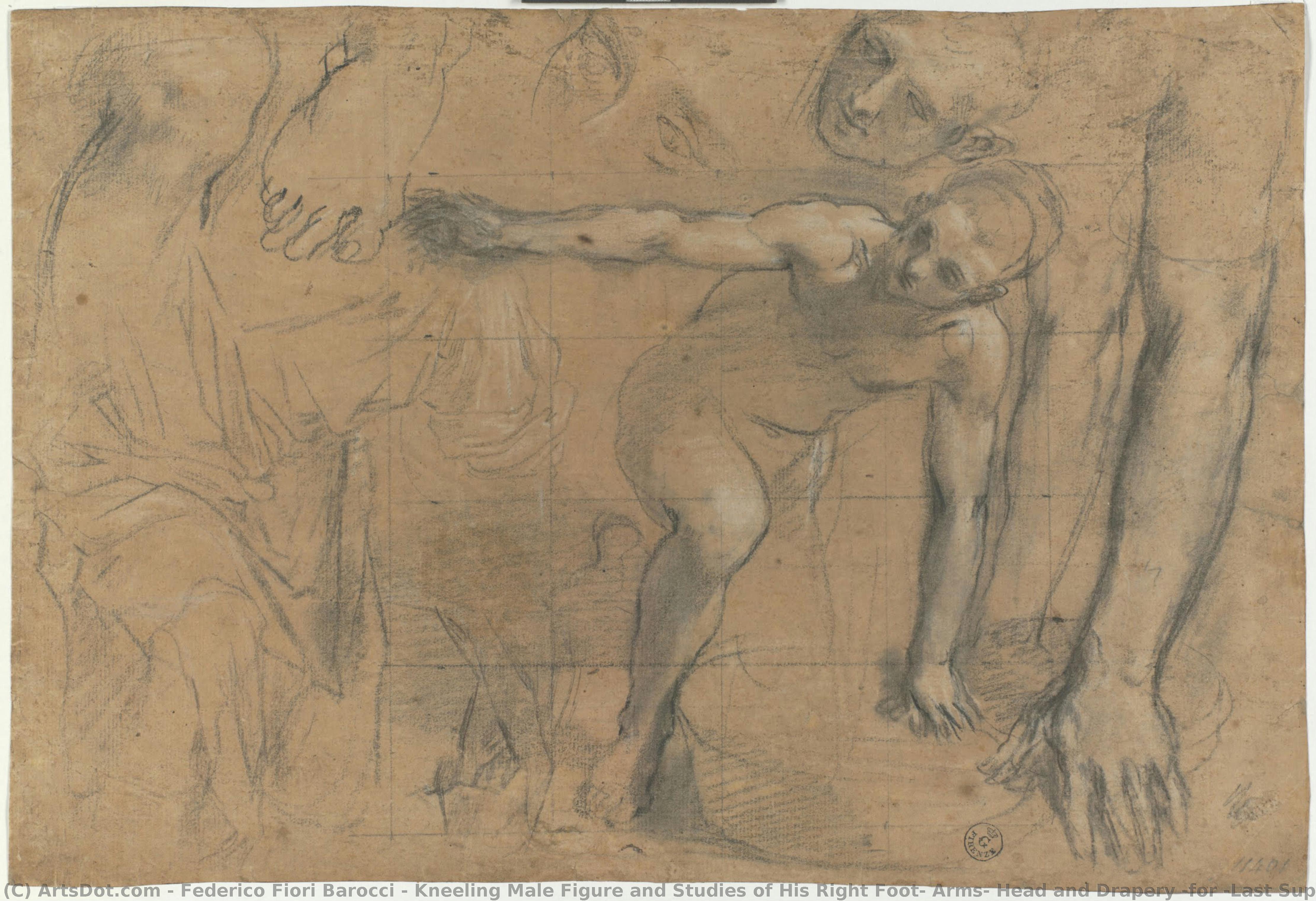
Kneeling Male Figure and Studies of His Right Foot, Arms, Head and Drapery (for “Last Supper”, Urbino, Cathedral of Santa Maria Vergine Assunta)
 Oil On Canvas
- WallArt
- Baroque Style
 28.0 x 41.0 cm
 ウフィツィ美術館
 詳細を見る
詳細を見る




P118B $10

P118H $10

P118W $10

P438Z $10

P508JH $12

P508YH $12

P805H $10

P805Z $10

P919BZ $10

P919G $10

P919XJ $10

P959ZH $10

P968JZ $12

W106C $8

W218G $10

W218JH $8

W218Y $10

W307PJ $10

W316G $10

W316PJ $8

W316Y $10

W398PJ $8

W4111J $10

W500HY $15

W500JH $15

W692G $12

W849H $8

W940BG $15

W953PJ $8




作品のオリジナル比率に合わせた、当店の規定サイズからお選びください。

特定のフレームやスペースに合わせて、ご希望のサイズをご入力いただけます。選択されたサイズが元の画像の比率と異なる場合、アートワークをトリミングするか、手描きで要素を追加して絵画を拡張いたします。デジタルモックアップ を制作し、制作開始前にご確認(承認)をいただきます。
画面上のプレビューは、実際のトリミングや拡張を正確に反映しているものではありません。最終的な構図は、モックアップによってのみ正確にご確認いただけます。
カスタムサイズもご利用いただけますが、元の比率を維持するためには、あらかじめ用意されたリストからサイズを選択することをお勧めいたします。
ご注文後、ArtsDot.com チームより詳細な指示をお送りするとともに、仕上がりイメージ(モックアップ)をご提供いたします。


 ガラスオプションは、110cm未満のサイズでのみご利用いただけます。

Kneeling Male Figure and Studies of His Right Foot, Arms, Head and Drapery (for “Last Supper”, Urbino, Cathedral of Santa Maria Vergine Assunta)
複製技法
複製画のサイズ
-


合計金額
$ 263
A Moment Frozen in Grace: Federico Barocci’s Kneeling Figure
Federico Fiori Barocci's "Kneeling Male Figure and Studies of His Right Foot, Arms, Head and Drapery (for “Last Supper”, Urbino, Cathedral of Santa Maria Vergine Assunta)” is not merely a depiction of a man in prayer; it’s a profound exploration of human vulnerability, devotion, and the meticulous process of artistic creation. Painted around 1583, this work, originally conceived as part of the monumental altarpiece for the cathedral of Santa Maria Vergine Assunta in Urbino, captures a pivotal moment – a silent plea, a gesture of supplication rendered with an almost unbearable intensity. The figure, identified as likely representing Christ himself, is presented in a posture of profound humility, his head bowed and arms outstretched, seemingly reaching towards an unseen divine presence. The composition isn’t about grand gestures or dramatic action; instead, it focuses on the quiet dignity of a soul seeking solace, a stillness that invites contemplation.
Barocci's style during this period exemplifies a masterful synthesis of Mannerism and nascent Baroque elements. He inherited the refined elegance and complex spatial arrangements characteristic of his early training with Federico Zuccari in Rome, yet he infused it with a heightened emotionality and a vibrant use of color that foreshadowed the dynamism of Rubens. Notice how the figure’s drapery flows with an almost liquid quality, creating folds and shadows that seem to shift and breathe. The subtle variations in tone – from the deep blues and purples of the background to the warmer ochres and browns of the figure's garments – contribute to a remarkable sense of depth and volume. The meticulous detail evident in the rendering of his hands, clasped together in prayer, speaks volumes about Barocci’s dedication to anatomical accuracy and expressive realism.
The Studio of Creation: A Study in Process
What truly distinguishes this work is its intimate connection to Barocci's unique artistic method. This painting wasn’t conceived as a finished product but rather as the culmination of an extensive series of preparatory studies – hundreds of sketches, drawings, and color experiments that document every stage of his creative process. These preliminary works, now housed in various collections, offer an unparalleled glimpse into Barocci's working habits. The image itself is a testament to this approach; it’s not simply a painting but a carefully constructed composite of numerous smaller studies, each contributing to the final composition. The background, for instance, appears almost like a collage of fragmented architectural elements and atmospheric effects – a deliberate choice that reflects Barocci's fascination with perspective and his desire to create an illusion of space.
The inclusion of what appears to be a handbag in the lower right corner is particularly intriguing. While seemingly out of place, it adds a layer of human interest and perhaps even a subtle commentary on earthly concerns amidst spiritual devotion. It’s a detail that invites speculation – was it a personal item, a symbol of worldly possessions, or simply an element introduced to further complicate the composition? Barocci's genius lay in his ability to imbue even the most mundane objects with symbolic significance.
Symbolism and Spiritual Resonance
The kneeling posture itself is laden with symbolism. It’s a gesture of submission, reverence, and humility – a direct appeal to the divine. The outstretched arms suggest a reaching out, not just physically but spiritually, embodying a fervent desire for connection and grace. Considering the painting's original context within the cathedral, it’s likely intended to evoke feelings of piety and encourage contemplation among the faithful. Barocci was deeply influenced by the Counter-Reformation, and his art often served as a powerful tool for religious propaganda – conveying complex theological ideas through evocative imagery and emotional resonance.
Furthermore, the figure's face, though partially obscured, conveys an expression of profound sorrow and longing. This vulnerability is amplified by the soft lighting that bathes the scene in a gentle glow, creating a sense of intimacy and encouraging viewers to connect with the subject on a deeply personal level. The overall effect is one of quiet contemplation, inviting us to reflect on our own faith, hopes, and struggles.
A Timeless Masterpiece: Reproduction Possibilities
Reproductions of “Kneeling Male Figure” offer an exceptional opportunity to bring this remarkable artwork into your home or office. Available in a range of sizes and mediums – from high-quality canvas prints to meticulously crafted framed reproductions – these faithful recreations capture the essence of Barocci’s original vision with stunning accuracy. The rich colors, intricate details, and evocative atmosphere are faithfully reproduced, allowing you to experience the profound beauty and spiritual depth of this timeless masterpiece. Whether as a statement piece in a contemporary setting or a cherished addition to a traditional interior, a reproduction of this work will undoubtedly serve as a source of inspiration and contemplation for years to come.
関連作品
アーティストの略歴
生い立ちと初期の修業
1535年、イタリアのウルビーノに生まれたフェデリコ・フィオリ・バロッキは、ルネサンス期の画家であり版画家の道を歩み始めました。当初の名前はフェデリコ・フィオリでしたが、「イル・バロッキョ」という愛称で知られるようになります。これは北西イタリアの方言で「牛車」を意味し、彼の出自を表しています。父親アンブロージョ・バロッキは地元の名高い彫刻家であり、幼少の頃からその才能を見せ、最初に父親のもとで絵画の基礎を学びました。その後、ウルビーノの画家バッティスタ・フランコに師事し、将来の成功へと繋がる確固たる基盤を築きました。芸術的キャリアと影響
バロッキの作品は高く評価され、ピーター・パウル・ルーベンスのようなバロック様式を先取りするものでした。ローマの名門スタジオであるタッデオとフェデリコ・ッズゥッカーリのもとで働き、様々な芸術的影響を受けました。彼の初期の重要な作品の一つに、聖サクレメント教団のために制作された「聖マルガリータ」があります。さらに、ピウス4世からバチカン・ベルヴェデーレ宮殿の装飾を依頼され、聖母子像や天使たちを描き、また、「受胎告知」というフレスコ画の天井画も手がけました。バロッキのスタイルは、マニエリスムとバロック様式の要素が混ざり合ったものでした。代表作と遺産
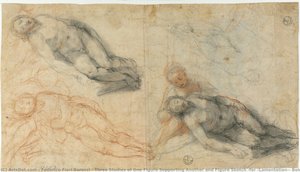
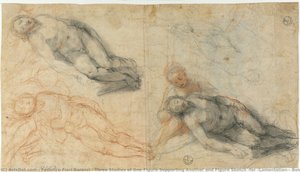
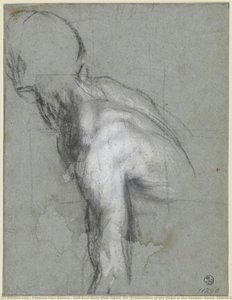
彼の才能を示す作品は数多く存在します。男性像の習作5点と右腕・手の習作2点(フィレンツェ、ウフィツィ美術館)は、バロッキが人間の形を捉える能力を証明しています。また、「割礼」のための構図研究(パリ、ルーブル美術館)は、彼の構成力と感情表現の巧みさを示しています。「聖アンドレアの召命」のための男性の頭部(ブリュッセル、王立美術博物館)は、細部へのこだわりと表情豊かな描写を際立たせています。1597年に制作された油彩画「降誕」(プラド美術館)、ウフィツィ美術館に所蔵されている「民衆の聖母」、そして愛らしい猫が描かれた「猫の聖母(La Madonna del Gatto)」も彼の代表作として知られています。1582年の作品である「受胎告知」もまた、バロッキの芸術的才能を物語る傑作です。芸術的影響と後世への貢献
バロッキの影響は、ピーター・パウル・ルーベンスをはじめとする多くの芸術家の作品に見られます。特にルーベンスは、バロッキの劇的で感情豊かな筆致から大きなインスピレーションを受けました。彼の遺産は、フィレンツェ(イタリア)のウフィツィ美術館やパリ(フランス)のルーブル美術館など、世界中の美術館に所蔵されている数多くの作品を通して今もなお称えられています。バロッキの絵画は、ルネサンスとバロックという二つの時代を繋ぐ架け橋となり、後世の芸術家たちに多大な影響を与え続けています。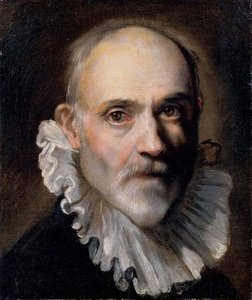
フェデリコ・バロッキ
1535 - 1612 , イタリア
基本情報
- Artistic Movement Or Style: ルネサンス、バロック
- Artists Or Movements Influenced By This Artist: ['ピーテル・パウル・ルーベンス']
- Artists Who Influenced This Artist: ['バッティスタ・フランコ']
- Date Of Birth: 1535年
- Date Of Death: 1612年
- Full Name: フェデリコ・フィオリ・バロッキ
- Nationality: イタリア人
- Notable Artworks (List Of Titles):
- 降誕図
- マドンナ・デル・ポポロ
- 受胎告知
- Place Of Birth (City And Country): ウルビーノ、イタリア
関連記事
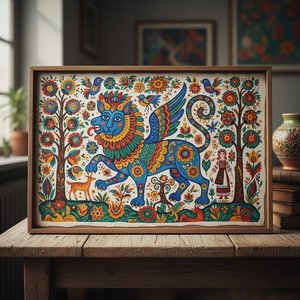
Maria Primachenko: A Legacy of Ukrainian Folk Art & Naive Expression
Discover the captivating world of Maria Primachenko, Ukraine's celebrated naive artist. Explore her vibrant paintings, unique style, and enduring legacy with ArtsDot – your source for authentic art insights & reproductions.
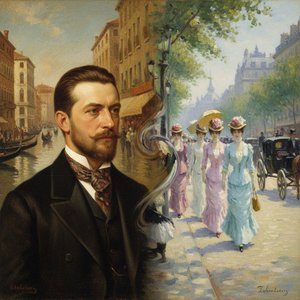
Federico Zandomeneghi: Bridging Venetian Tradition & Parisian Impressionism
Discover Federico Zandomeneghi (1841-1917), a captivating Italian Impressionist bridging Venetian tradition and Parisian modernity. Explore his intimate scenes, unique style & legacy with ArtsDot.
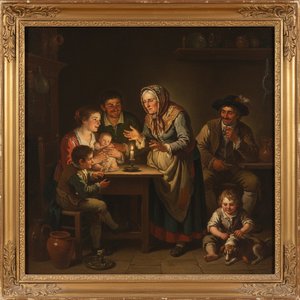
Giuseppe Maria Crespi: Pioneering Genre Painting & the Bolognese Baroque
Explore the life & art of Giuseppe Maria Crespi, a pivotal Bolognese Baroque painter. Discover his groundbreaking genre scenes, religious works, and lasting influence on Italian art history. Learn more at ArtsDot.
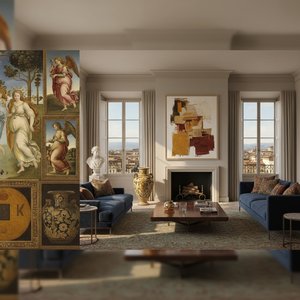
ウフィツィ美術館の至宝25選:ルネサンス巨匠たちの傑作とアートデコレーション
ウフィツィ美術館の至宝25選:ボッティチェリ、レオナルド・ダ・ヴィンチ…ルネサンス巨匠たちの傑作と感動的な物語を紐解きます。高品質な絵画複製やアートプリントで、お部屋に名画の輝きを。ArtsDot.comで芸術の世界へ。

