

 プレビュー
プレビュー
 プリントを購入
 シェアする
シェアする シェアする
シェアする
 詳細を見る
詳細を見る

 ダウンロード
 似ている作品
 X線調査
X線調査 スライドショー
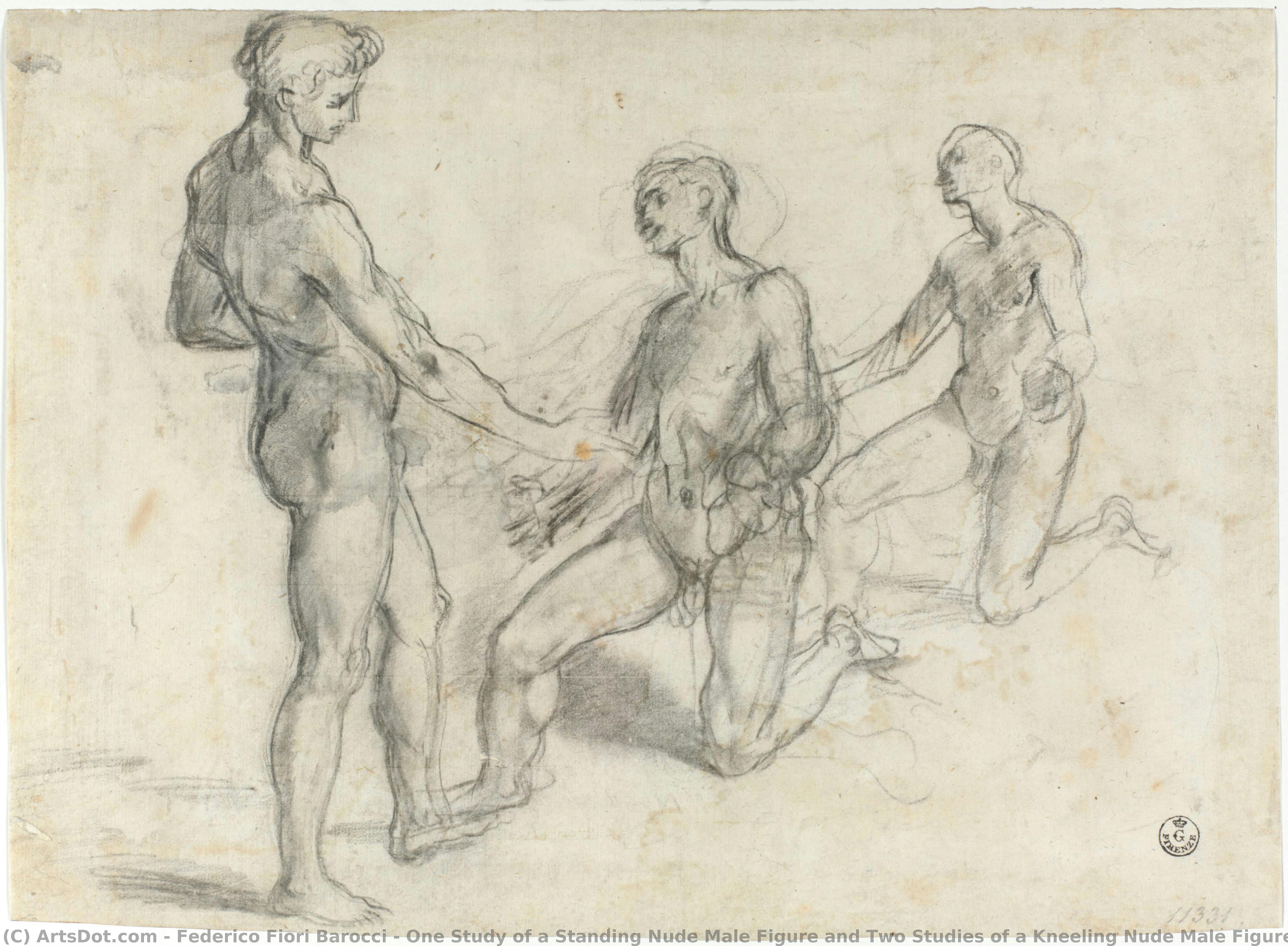
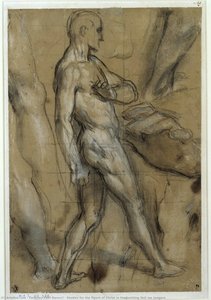
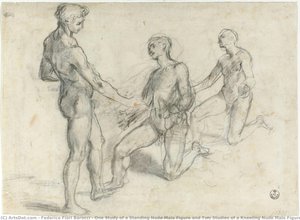
One Study of a Standing Nude Male Figure and Two Studies of a Kneeling Nude Male Figure (for “Calling of Saint Andrew”, Bruxelles, Musées royaux des Beaux-Arts de Belgique)
 Acrylic On Canvas
- WallArt
- Baroque Style
 1583
1583 28.0 x 38.0 cm
 ウフィツィ美術館
 詳細を見る
詳細を見る




P118B $10

P118H $10

P118W $10

P438Z $10

P508JH $12

P508YH $12

P805H $10

P805Z $10

P919BZ $10

P919G $10

P919XJ $10

P959ZH $10

P968JZ $12

W106C $8

W218G $10

W218JH $8

W218Y $10

W307PJ $10

W316G $10

W316PJ $8

W316Y $10

W398PJ $8

W4111J $10

W500HY $15

W500JH $15

W692G $12

W849H $8

W940BG $15

W953PJ $8




作品のオリジナル比率に合わせた、当店の規定サイズからお選びください。

特定のフレームやスペースに合わせて、ご希望のサイズをご入力いただけます。選択されたサイズが元の画像の比率と異なる場合、アートワークをトリミングするか、手描きで要素を追加して絵画を拡張いたします。デジタルモックアップ を制作し、制作開始前にご確認(承認)をいただきます。
画面上のプレビューは、実際のトリミングや拡張を正確に反映しているものではありません。最終的な構図は、モックアップによってのみ正確にご確認いただけます。
カスタムサイズもご利用いただけますが、元の比率を維持するためには、あらかじめ用意されたリストからサイズを選択することをお勧めいたします。
ご注文後、ArtsDot.com チームより詳細な指示をお送りするとともに、仕上がりイメージ(モックアップ)をご提供いたします。


 ガラスオプションは、110cm未満のサイズでのみご利用いただけます。

One Study of a Standing Nude Male Figure and Two Studies of a Kneeling Nude Male Figure (for “Calling of Saint Andrew”, Bruxelles, Musées royaux des Beaux-Arts de Belgique)
複製技法
複製画のサイズ
-


合計金額
$ 263
Federico Barocci’s Nude Studies: Echoes of Grace and Foreshadowing Baroque Intensity
Federico Fiori Barocci's "One Study of a Standing Nude Male Figure and Two Studies of a Kneeling Nude Male Figure (for ‘Calling of Saint Andrew’, Bruxelles, Musées royaux des Beaux-Arts de Belgique)" offers a captivating glimpse into the artist’s meticulous process and burgeoning genius. Completed in 1583, this small yet profoundly insightful work transcends mere anatomical study; it's a meditation on form, gesture, and the nascent drama that would define the Baroque era. The painting itself—a modest 28 x 38 cm canvas—is deceptively simple in its composition: three male figures arranged in dynamic poses, hinting at a narrative yet withholding its full revelation. The monochrome palette, rendered with charcoal and chalk, emphasizes the sculptural quality of the bodies, inviting viewers to contemplate their lines and volumes with an almost tactile intensity.
Barocci’s artistic journey is one marked by both rigorous training and a fiercely independent spirit. Born in Urbino, he initially apprenticed under his father, a sculptor, before honing his skills with Battista Franco. His time in Rome, working within the influential studio of Taddeo Zuccari, exposed him to the Mannerist style—a period characterized by elongated forms, complex compositions, and an emphasis on elegance and refinement. However, Barocci quickly transcended these influences, developing a distinctly personal voice that foreshadowed the dramatic intensity and emotional depth of Peter Paul Rubens. The “Calling of Saint Andrew” commission itself demonstrates this shift; it wasn’t simply a devotional scene but a carefully constructed theatrical event, ripe with psychological complexity and visual dynamism.
The Anatomy of Gesture: A Study in Human Form
What immediately draws the eye is Barocci's masterful rendering of the human figure. The standing nude, poised as if about to extend his hand, embodies a potent blend of strength and vulnerability. His musculature is meticulously observed, yet rendered with a remarkable sensitivity—a testament to Barocci’s deep understanding of anatomy. The kneeling figures, positioned below him, are equally compelling. Their postures suggest supplication, anticipation, or perhaps even resignation, creating a layered dynamic within the composition. Notice how Barocci subtly manipulates the light and shadow to sculpt each form, highlighting contours and revealing the underlying structure of the body. The slight asymmetry in their poses—a subtle shift in weight, a turn of the head—adds a crucial element of realism and prevents the figures from appearing static or idealized.
The choice of charcoal and chalk as the primary medium is particularly significant. These materials allowed Barocci to achieve an unparalleled level of detail and tonal variation. The soft, velvety textures created by the chalk evoke a sense of ethereal beauty, while the sharp lines of the charcoal provide definition and structure. Crucially, these studies weren’t merely preparatory sketches; they were integral components of Barocci's elaborate working method. He produced hundreds of drawings—gestural sketches, compositional studies, color explorations—each contributing to the final masterpiece. This painstaking process reflects his commitment to achieving a level of realism and emotional resonance that was unparalleled in his time.
Symbolism and the Dawn of Baroque Drama
While ostensibly depicting three nude figures, the painting is rich with symbolic potential. The “Calling of Saint Andrew” itself carries significant religious weight—the apostle’s reluctance to embrace his vocation and the divine intervention that compels him to follow Christ. The standing figure's outstretched hand could represent both invitation and command, while the kneeling figures embody faith and obedience. Barocci masterfully uses gesture and posture to convey these complex ideas without resorting to explicit narrative details. The composition’s dynamism—the diagonal lines created by the figures’ positions—suggests movement and energy, foreshadowing the dramatic intensity that would characterize the Baroque style.
Furthermore, Barocci's work anticipates the emotionalism of the Baroque period. Unlike the cool detachment of Mannerism, his paintings are infused with a palpable sense of drama and feeling. The figures’ expressions—subtle shifts in their eyes and mouths—suggest a range of emotions: doubt, hope, fear, and devotion. This emphasis on psychological realism would become a hallmark of the Baroque style, influencing generations of artists to come. The “Calling of Saint Andrew” is not just a study of the human form; it’s a profound exploration of faith, obedience, and the transformative power of divine grace—a testament to Federico Barocci's enduring legacy.
関連作品
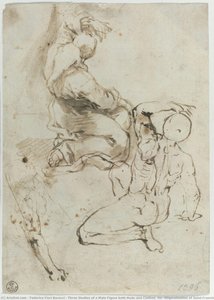
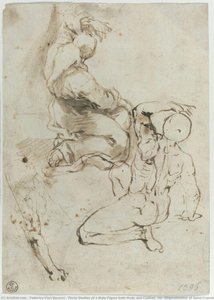
アーティストの略歴
生い立ちと初期の修業
1535年、イタリアのウルビーノに生まれたフェデリコ・フィオリ・バロッキは、ルネサンス期の画家であり版画家の道を歩み始めました。当初の名前はフェデリコ・フィオリでしたが、「イル・バロッキョ」という愛称で知られるようになります。これは北西イタリアの方言で「牛車」を意味し、彼の出自を表しています。父親アンブロージョ・バロッキは地元の名高い彫刻家であり、幼少の頃からその才能を見せ、最初に父親のもとで絵画の基礎を学びました。その後、ウルビーノの画家バッティスタ・フランコに師事し、将来の成功へと繋がる確固たる基盤を築きました。芸術的キャリアと影響
バロッキの作品は高く評価され、ピーター・パウル・ルーベンスのようなバロック様式を先取りするものでした。ローマの名門スタジオであるタッデオとフェデリコ・ッズゥッカーリのもとで働き、様々な芸術的影響を受けました。彼の初期の重要な作品の一つに、聖サクレメント教団のために制作された「聖マルガリータ」があります。さらに、ピウス4世からバチカン・ベルヴェデーレ宮殿の装飾を依頼され、聖母子像や天使たちを描き、また、「受胎告知」というフレスコ画の天井画も手がけました。バロッキのスタイルは、マニエリスムとバロック様式の要素が混ざり合ったものでした。代表作と遺産
彼の才能を示す作品は数多く存在します。男性像の習作5点と右腕・手の習作2点(フィレンツェ、ウフィツィ美術館)は、バロッキが人間の形を捉える能力を証明しています。また、「割礼」のための構図研究(パリ、ルーブル美術館)は、彼の構成力と感情表現の巧みさを示しています。「聖アンドレアの召命」のための男性の頭部(ブリュッセル、王立美術博物館)は、細部へのこだわりと表情豊かな描写を際立たせています。1597年に制作された油彩画「降誕」(プラド美術館)、ウフィツィ美術館に所蔵されている「民衆の聖母」、そして愛らしい猫が描かれた「猫の聖母(La Madonna del Gatto)」も彼の代表作として知られています。1582年の作品である「受胎告知」もまた、バロッキの芸術的才能を物語る傑作です。芸術的影響と後世への貢献
バロッキの影響は、ピーター・パウル・ルーベンスをはじめとする多くの芸術家の作品に見られます。特にルーベンスは、バロッキの劇的で感情豊かな筆致から大きなインスピレーションを受けました。彼の遺産は、フィレンツェ(イタリア)のウフィツィ美術館やパリ(フランス)のルーブル美術館など、世界中の美術館に所蔵されている数多くの作品を通して今もなお称えられています。バロッキの絵画は、ルネサンスとバロックという二つの時代を繋ぐ架け橋となり、後世の芸術家たちに多大な影響を与え続けています。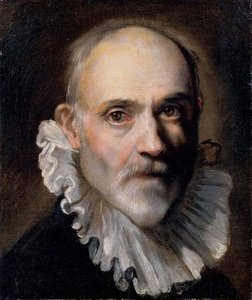
フェデリコ・バロッキ
1535 - 1612 , イタリア
基本情報
- Artistic Movement Or Style: ルネサンス、バロック
- Artists Or Movements Influenced By This Artist: ['ピーテル・パウル・ルーベンス']
- Artists Who Influenced This Artist: ['バッティスタ・フランコ']
- Date Of Birth: 1535年
- Date Of Death: 1612年
- Full Name: フェデリコ・フィオリ・バロッキ
- Nationality: イタリア人
- Notable Artworks (List Of Titles):
- 降誕図
- マドンナ・デル・ポポロ
- 受胎告知
- Place Of Birth (City And Country): ウルビーノ、イタリア
関連記事
レオナルド・ダ・ヴィンチ:至高の25選 - 芸術、科学、そして不朽の名作の世界
レオナルド・ダ・ヴィンチの至宝25選。モナリザ、最後の晩餐…ルネサンス美術を代表する名画の世界へ。芸術史、技法、そして感動の物語を紐解き、お部屋に飾る高級複製画で特別な空間を。ArtsDot.comで全コレクションをご覧ください。
The Enduring Allure of the Nude: A Historical & Artistic Exploration of the Human Form
Explore the captivating history of nude art! Discover iconic paintings & artists from classical to modern eras. Uncover symbolism, techniques & find museum-quality reproductions at ArtsDot.
The Eloquent Form: A Historical & Aesthetic Exploration of the Nude in Art
Explore the captivating history of the nude in art! From ancient Greece to modern masters, discover its evolving symbolism, techniques & enduring beauty. Expert insights for collectors and enthusiasts.
The Intimate Gaze: Study & Intellectual Pursuit in Western Art
Explore the fascinating history of study and intellectual pursuit in Western art! Discover Renaissance scholars, iconic portraits like Holbein's Erasmus, and Leonardo’s studies – a journey through humanist ideals & artistic mastery. Learn more at ArtsDot.
Caravaggio's Revolutionary Realism: A Study of Light, Shadow, and the Human Condition
Explore the revolutionary realism of Caravaggio! Discover his mastery of light & shadow (tenebrism), dramatic religious scenes, and lasting influence on Baroque art history. A comprehensive guide for art enthusiasts.

