

 プレビュー
プレビュー
 プリントを購入
 シェアする
シェアする シェアする
シェアする
 詳細を見る
詳細を見る

 ダウンロード
 似ている作品
 X線調査
X線調査 スライドショー
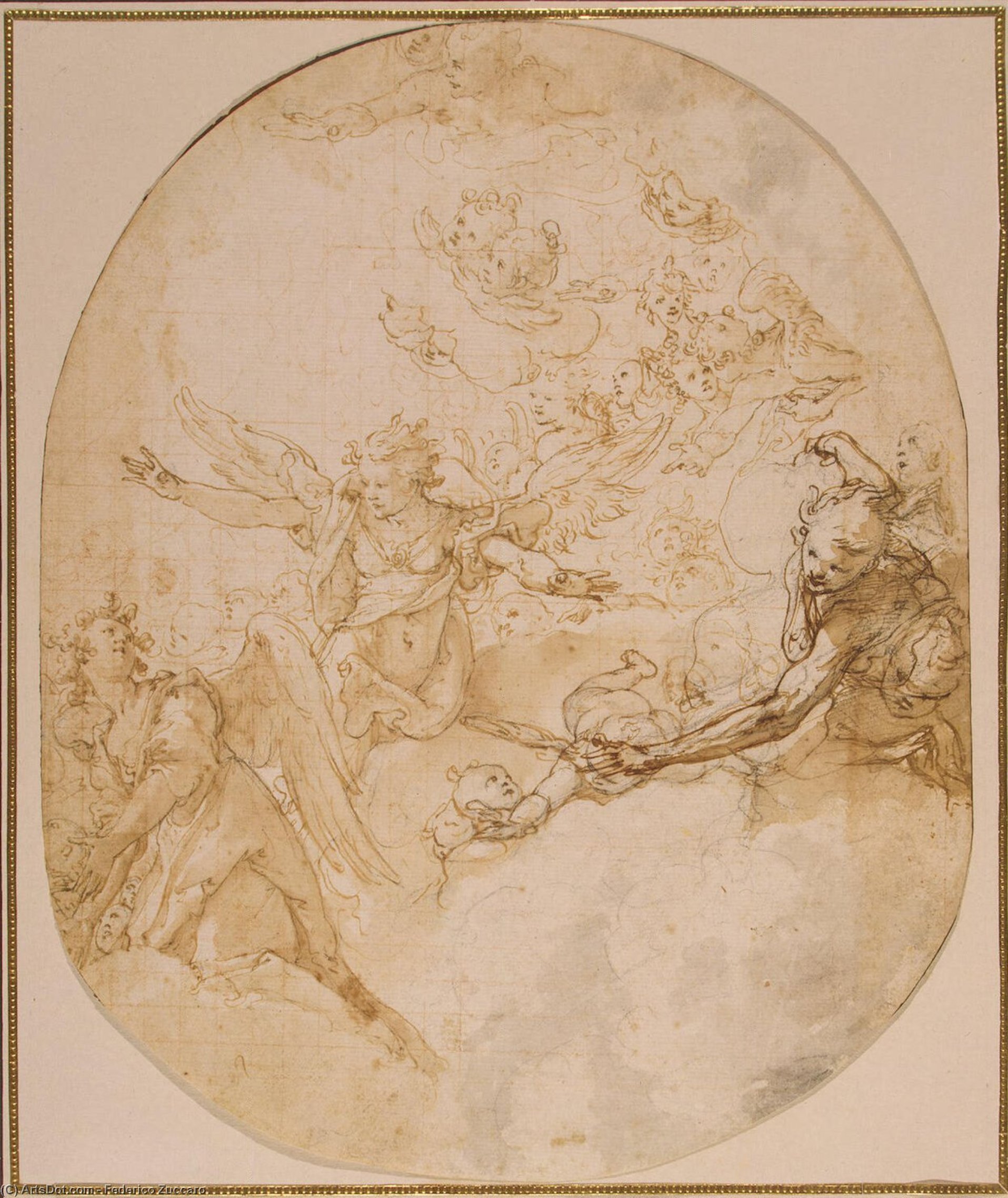
Angels and Cherubim Among Clouds
 Oil On Canvas
- WallArt
- Mannerism
 1566
1566 305.0 x 247.0 cm
 エルミタージュ美術館
 詳細を見る
詳細を見る
オンラインプレビューをはるかに凌ぐ、高解像度で鮮明なデジタル画像をご購入いただけます。
各ファイルは、社内の専門家が高度なツールと熟練した手作業によるレタッチを用いて、細心の注意を払って準備されています。すべての画像において、卓越した鮮明度、正確な色彩再現性、そして繊細なディテールを保証いたします。
最終ファイルは、プロフェッショナルな編集・印刷環境ですぐにご利用いただけるよう最適化された状態で、72時間以内にメールにてお届けいたします。これは、一流のデザインスタジオ、出版社、ギャラリーから信頼されているものと同等の品質です。
デジタル画像のご注文に付随する特典
高品質なデジタル画像配信を、確かな品質で。
ArtsDot.com を選ぶことは、単に画像を手に入れることではありません。それは、プロの手によって精密に仕上げられ、満足保証が付いた高品質なデジタルアートワークを受け取ることを意味します。ご注文いただいた際に自動的に付随する内容は、以下の通りです:

メールですぐにお届け
ご注文から72時間以内に、高解像度のデジタル画像ファイルがメールでお手元に届きます。すぐにそのままご利用いただけます。

AI技術で最適化されたデジタルファイル
お客様の作品は、高度なAIツールと専門家による手作業の編集を組み合わせてプロフェッショナルに最適化されており、細部のディテール、鮮明さ、そして正確な色再現性を最大限に引き出しています。

一生涯無料の再送サービス
ファイルを誤って削除したり、紛失してしまったりしましたか?ご安心ください。いつでも無料で再送いたします。

輸入手数料は一切かかりません
関税や手数料、配送料を気にすることなく、お気に入りのアートワークをすぐにお楽しみいただけます。デジタルダウンロードは常に免税です。

色彩再現の保証
プロ仕様のツールとカラーマネジメント技術を用いることで、デジタル画像が元の色を最大限に忠実に再現することを保証いたします。

60日間満足保証
ご購入いただいたデジタル画像にご満足いただけない場合は、60日以内であれば、修正または100%の返金(理由を問う必要はありません)をさせていただきます。

100% 返金保証
ご満足いただけない場合は、デジタルファイルを受け取ってから60日以内であれば、理由を問わず全額返金いたします。

まとめ買い割引
3枚購入で10%OFF - 5枚購入で15%OFF - 10枚以上購入で20%OFF。クリエイティブなプロジェクト、ギャラリー、エージェンシーに最適です。
作品の詳細
A Celestial Vision in Mannerist Splendor
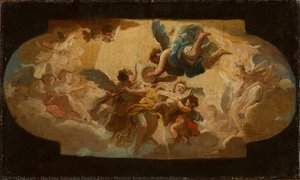
To gaze upon Angels and Cherubim Among Clouds is to step across the threshold of earthly concerns and into a realm painted with divine light. This magnificent canvas, dating from 1566, does not merely depict heavenly beings; it invites the viewer into an experience of sublime transcendence. Federico Zuccaro masterfully orchestrates a gathering of angels and cherubim amidst billowing clouds, creating a scene that is at once overwhelmingly grand and intimately peaceful. The composition draws the eye through layers of ethereal figures—some floating weightlessly, others standing upon luminous vapor—all converging around a central human figure who seems caught in the very breath of divine revelation. It is a quintessential embodiment of Baroque yearning rendered with the sophisticated grace characteristic of Roman Mannerism.
The Hand of Federico Zuccaro: Mastery and Movement
Federico Zuccaro, known for his versatility as an architect, historian, and painter, brought a unique intellectual rigor to his art. In this piece, one can observe how his training in classical proportion merges with the dramatic energy of the High Renaissance's later developments. The technique employed suggests a rich understanding of oil on canvas, allowing Zuccaro to build up luminosity through delicate gradations of color and shadow. Notice the interplay between the solid forms of the figures and the seemingly weightless quality of the clouds; this contrast is key to the painting’s dynamic tension. His handling of drapery, for instance, suggests movement caught mid-gesture, lending an almost sculptural vitality to the celestial subjects.
Symbolism of Ascent and Harmony
The symbolism woven into Angels and Cherubim Among Clouds is rich with theological meaning. The angels and cherubim traditionally serve as intermediaries between the divine and humanity, representing purity, praise, and eternal wisdom. Their presence amidst clouds speaks directly to themes of ascension and the mystery of the afterlife—a journey upward toward enlightenment. The inclusion of the human figure grounds this celestial spectacle, suggesting a moment of profound spiritual encounter or revelation for humankind. It is an artwork that speaks eloquently of humanity's yearning for connection with something greater than itself, achieving a breathtaking harmony between the earthly observer and the heavenly choir.
Bringing Heaven Home: Decorating with Divine Grace
For the discerning collector or designer, this reproduction offers more than just wall art; it offers an atmosphere. Imagine this piece gracing a grand salon or a library designed for contemplation. The soft, luminous palette—the pearlescent whites, gentle blues, and warm flesh tones—will diffuse light beautifully, lending an air of timeless, sophisticated serenity to any interior space. Owning a reproduction allows one to incorporate the drama and sublime narrative power of Zuccaro’s genius into contemporary life, transforming a room into a sanctuary echoing with heavenly whispers.
関連作品

作家の略歴
The Architect of Roman Mannerism
Federico Zuccaro stands as a pivotal figure in the Italian Renaissance, specifically within the burgeoning Roman Mannerist movement. He was far more than a mere painter; he was an architect, a historian, and a champion of artistic innovation—a rare combination of talents that cemented his legacy as one of the era's most influential creators. Born around 1539, Zuccaro’s early life was deeply rooted in the traditions of the masters. He received a robust artistic education from his father, Giovanni Zuccaro, a celebrated sculptor and painter. This familial connection instilled within Federico a profound appreciation for classical ideals, establishing him firmly on a path toward mastering the delicate balance between painting, sculpture, and structural design.
His formative years were spent honing his skills in Florence, where he studied under the legendary Andrea Palladio. From Palladio, Zuccaro absorbed a meticulous attention to proportion and architectural harmony, principles that would later define his grander compositions. He quickly gained recognition for his breathtaking frescoes, particularly those adorning the Palazzo Vecchio, which demonstrated an exceptional ability to convey deep emotion and narrative complexity within a restrained, sophisticated stylistic framework. As his reputation grew, so did his reach, with commissions flowing from wealthy Florentine families and eventually extending into the heart of Rome.
A Legacy of Collaboration and Innovation
One cannot discuss the brilliance of Federico Zuccaro without acknowledging the profound influence of his brother, Taddeo Zuccaro. Together, the brothers formed an unparalleled creative partnership that pushed the boundaries of Mannerist aesthetics. While Taddeo’s mastery of sculpture provided a structural strength to their shared visions, Federico’s painting prowess brought them to life with ethereal light and movement. Their collaborative spirit yielded masterpieces such as “The Holy Family” in Palazzo Vecchio, a work that serves as a testament to their unified artistic language.
Zuccaro's versatility allowed him to transcend the canvas. As an architect, he undertook ambitious projects throughout Rome and Italy, designing palaces, churches, and villas that reflected his deep understanding of classical space. His architectural achievements were not merely functional but were intended to elevate the very status of the artist. This ambition is perhaps most tangibly felt in Casa Zuccari in Florence, a residence built around 1578. Conceived as an emblem of lineage and creative emancipation, this architectural jewel was inspired by the pioneering spirit of Giorgio Vasari, transforming a private sanctuary into a stage for intellectual and aesthetic triumph.
The Spirit of Mannerist Mastery
The true essence of Zuccaro’s work lies in his ability to blend the physical with the divine. In works such as “Angels and Cherubim Among Clouds,” dating from 1566, one can witness a celestial vision painted with sublime transcendence. He masterfully orchestrated gatherings of heavenly beings amidst billowing clouds, creating scenes that were simultaneously grand and intimately peaceful. His technique involved building luminosity through delicate gradations of color and shadow, allowing for a dynamic tension between solid forms and weightless vapor.
Beyond the grandeur of his large-scale frescoes, Zuccaro possessed a remarkable ability to capture quiet, spiritual introspection. His drawings, such as the exquisite “St Mennas,” reveal a master of light and shadow, where figures appear suspended between the earthly realm and the divine. This intellectual rigor and technical versatility allowed him to leave an indelible mark on the history of art, influencing generations of artists across Italy, Spain, France, and England. Through his leadership in founding the Accademia di San Luca, he ensured that the principles of classical beauty and artistic discipline would endure long after his passing in 1609.
federico zuccaro
1539 - 1609
プロフィール概要
- Artistic Movement Or Style: Mannerism
- Artists Or Movements Influenced By This Artist: ['Bartolomeo Carducci']
- Artists Who Influenced This Artist:
- Giorgio Vasari
- Taddei Zuccaro
- Date Of Birth: 1539
- Date Of Death: 1609
- Full Name: Federico Zuccaro
- Nationality: Italian
- Notable Artworks:
- The Last Judgment
- Saint Jerome in His Study
- Place Of Birth: Rome, Italy

