

 プレビュー
プレビュー
 プリントを購入
 シェアする
シェアする シェアする
シェアする
 詳細を見る
詳細を見る

 ダウンロード
 似ている作品
 X線調査
X線調査 スライドショー
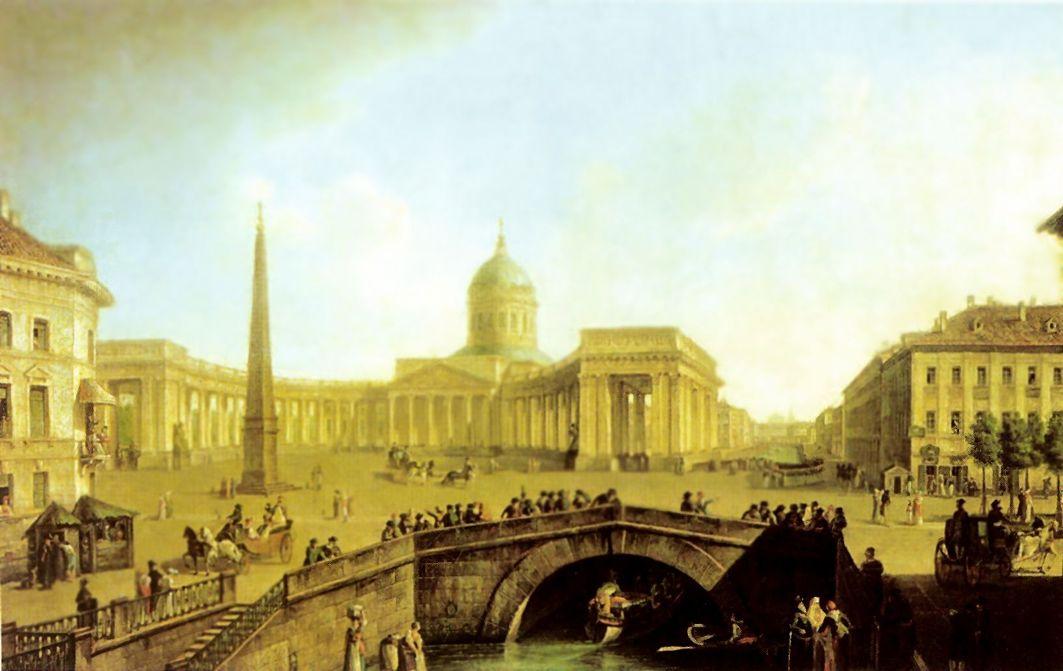
View of the Kazan Cathedral in St. Petersburg


 詳細を見る
詳細を見る




































作品のオリジナル比率に合わせた、当店の規定サイズからお選びください。

特定のフレームやスペースに合わせて、ご希望のサイズをご入力いただけます。選択されたサイズが元の画像の比率と異なる場合、アートワークをトリミングするか、手描きで要素を追加して絵画を拡張いたします。デジタルモックアップ を制作し、制作開始前にご確認(承認)をいただきます。
画面上のプレビューは、実際のトリミングや拡張を正確に反映しているものではありません。最終的な構図は、モックアップによってのみ正確にご確認いただけます。
カスタムサイズもご利用いただけますが、元の比率を維持するためには、あらかじめ用意されたリストからサイズを選択することをお勧めいたします。
ご注文後、ArtsDot.com チームより詳細な指示をお送りするとともに、仕上がりイメージ(モックアップ)をご提供いたします。


 ガラスオプションは、110cm未満のサイズでのみご利用いただけます。

View of the Kazan Cathedral in St. Petersburg
複製技法
複製画のサイズ
-


合計金額
$ 263
About the Painting
The scene depicts a busy city street with people walking around and enjoying their time. There are several individuals scattered throughout the image, some closer to the foreground while others are further away. In addition to the pedestrians, there is also a horse visible on the right side of the painting. The horse appears to be carrying a person, possibly indicating that it's being used as a mode of transportation in this bustling city environment. Key Features of the painting include:- The stunning architecture of the Kazan Cathedral
- The vibrant colors and lighting used to capture the atmosphere of the scene
- The attention to detail in the depiction of the people and horse
The State Tretyakov Gallery is a renowned art museum that houses the largest collection of Russian fine art in the world. To learn more about the gallery and its collections, visit /art/list/?Filter=A@D3BCCR-The-Museum-State-Tretyakov-Gallery-(Russia). For hand-made oil painting reproductions of View of the Kazan Cathedral in St. Petersburg and other works by Fedor Yakovlevich Alekseev, visit https://ArtsDot.com.
関連作品


アーティストの略歴
The Russian Canaletto: The Visionary World of Fedor Alekseev
Fedor Yakovlevich Alekseev (1753-1824) stands as a cornerstone of 18th-century Russian art, recognized primarily for his breathtaking depictions of Moscow and St. Petersburg—landscapes that earned him the prestigious moniker “The Russian Canaletto.” This title serves as a profound testament to his unparalleled skill in capturing the grandeur and serenity of the European vedute tradition. Born in Saint Petersburg during an era of immense cultural transformation, Alekseev’s artistic journey unfolded against the backdrop of Russia's burgeoning Enlightenment. His life was dedicated to documenting the architectural soul of a nation, translating the stone and mortar of imperial monuments into luminous, breathing canvases that captured both the physical reality and the atmospheric spirit of his time.
The foundations of Alekseev’s mastery were laid during his formative years in the imperial capital. While the specific details of his early childhood remain somewhat elusive, his professional trajectory was significantly shaped by his apprenticeship under Mikhail Vasilievich Zabolotsky. A celebrated figure in the Petersburg art scene, Zabolotsky instilled in Alekseev the rigorous principles of Neoclassicism and the necessity of meticulous observation. This training became the bedrock of his oeuvre, allowing him to approach a landscape not merely as a scenic view, but as a structured composition governed by mathematical precision and light. Through this disciplined lens, Alekseev learned to balance the architectural accuracy required by the era with a poetic sensibility that breathed life into every street corner and riverbank.
A Legacy of Imperial Grandeur and Architectural Splendor
Alekseev’s fame solidified through his monumental series of paintings documenting the architectural splendor of Moscow. These canvases, imbued with a palpable sense of civic pride, meticulously rendered the Kremlin, St. Basil’s Cathedral, and various bustling squares. His approach mirrored that of his Venetian counterparts, prioritizing an astonishing level of detail alongside compositional harmony. In these works, one does not simply see buildings; one experiences the weight of history and the rhythmic pulse of a city. His Moscow landscapes serve as vital historical documents, capturing a version of the city that remains frozen in time, showcasing the intricate textures of stone and the dramatic interplay of shadow and sunlight.
Parallel to his Muscovite triumphs were his equally impressive depictions of St. Petersburg—a city undergoing rapid, often radical, transformation during his lifetime. Reflecting the intellectual optimism of the Enlightenment, Alekseev skillfully portrayed the waterfront palaces and sweeping embankments that defined the imperial capital. His paintings of the Admiralty and the Palace Embankment are particularly noted for their subtle tonal gradations and masterful use of perspective. By capturing the way light dances across the Neva River and reflects off the neoclassical facades, he mirrored the era's fascination with progress and innovation. Whether documenting the Stock Exchange or the view from the Fortress of St. Peter and Paul, his work consistently projected an image of imperial Russia’s power, stability, and aesthetic sophistication.
Technique, Style, and Historical Significance
The enduring allure of Alekseev’s work lies in his painstaking technique and execution. His process was characterized by a disciplined, layered approach to glazing, which allowed him to achieve a luminous depth that few of his contemporaries could replicate. This method enabled him to capture the atmospheric nuances of the Russian climate—the soft, hazy light of a summer morning or the crisp, biting clarity of a winter afternoon. His ability to render complex architectural details while maintaining a sense of atmospheric unity is what truly distinguishes his hand. Every brushstroke was an exercise in precision, designed to guide the viewer's eye through the vast perspectives of his urban vistas.
Ultimately, the historical significance of Fedor Alekseev extends far beyond mere documentation. He was a bridge between the classical traditions of Europe and the emerging national identity of Russia. Through his eyes, the sprawling landscapes of Moscow, St. Petersburg, and even Kherson were elevated to the status of high art, worthy of the same reverence afforded to the great Italian masters. His legacy lives on in the way we perceive the historical architecture of Russia today; he did not just paint cities, he crafted an enduring visual memory of an empire at its zenith. For collectors and historians alike, his paintings remain windows into a lost world of imperial elegance and architectural triumph.
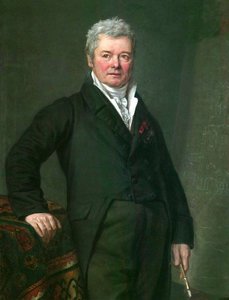
fedor yakovlevich alekseev
1753 - 1824 , Russia
基本情報
- Artistic Movement Or Style: Neoclassical
- Artists Or Movements Influenced By This Artist: ['Venetian Painting']
- Artists Who Influenced This Artist: ['Canaletto']
- Date Of Birth: Saint Petersburg, Russia (1753)
- Date Of Death: 1824
- Full Name: Fedor Yakovlevich Alekseev
- Nationality: Russian
- Notable Artworks:
- View of Nikolaev
- The Cathedral Square in the Moscow Kremlin
- View of Voskresenskie and Nikolskie Gate
- Place Of Birth: Saint Petersburg