 プレビュー
プレビュー
 シェアする
シェアする シェアする
シェアする
 詳細を見る
詳細を見る

 ダウンロード
 似ている作品
 X線調査
X線調査 スライドショー
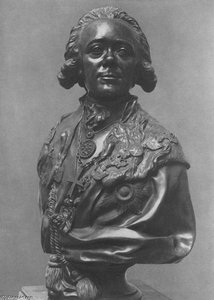
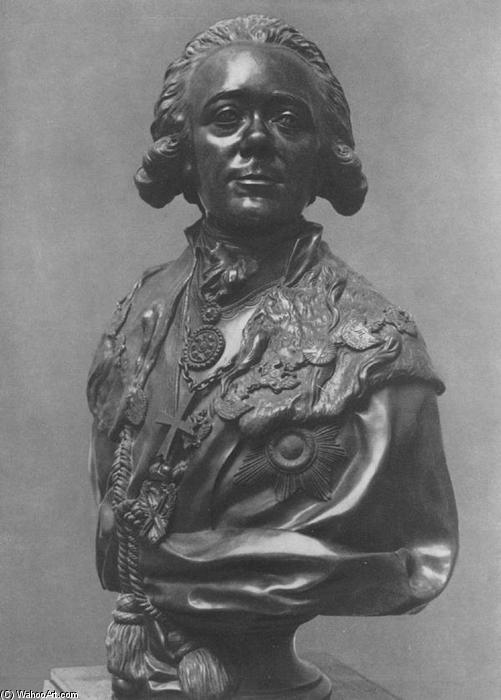
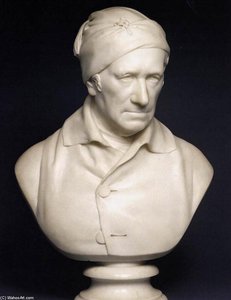
パウロフ王子の彫像


 詳細を見る
詳細を見る
ジークレー/アートプリント
迅速な制作と多彩な仕上げオプションを備えた、ミュージアムクオリティのジークレーまたはキャンバスプリント。 ( 手描きの絵画を購入 画像を購入)




P118B $10

P118H $10

P118W $10

P438Z $10

P508JH $12

P508YH $12

P805H $10

P805Z $10

P919BZ $10

P919G $10

P919XJ $10

P959ZH $10

P968JZ $12

W106C $8

W218G $10

W218JH $8

W218Y $10

W307PJ $10

W316G $10

W316PJ $8

W316Y $10

W398PJ $8

W4111J $10

W500HY $15

W500JH $15

W692G $12

W849H $8

W940BG $15

W953PJ $8




作品のオリジナル比率に合わせた、当店の規定サイズからお選びください。

特定のフレームやスペースに合わせて、ご自身でサイズを指定することも可能です。選択されたサイズが元の画像の比率と一致しない場合、作品をトリミングするか、鏡面反射または単色での塗りつぶしによって画像を拡張いたします。制作を開始する前に、ご確認用のデジタルモックアップをお送りいたします。
画面上のプレビューには、実際のトリミングや拡張は反映されませんのでご注意ください。最終的な構図を正確に確認できるのは、モックアップのみとなります。
カスタムサイズも承っておりますが、元の比率を維持するためには、あらかじめ用意されたリストからサイズを選択することをお勧めいたします。


 ガラスオプションは、110cm未満のサイズでのみご利用いただけます。

パウロフ王子の彫像
ジークレー/アートプリント
複製画のサイズ
-


合計金額
$ 62
作品詳細説明
フェドート・シブリンのパウルス帝の彫像について
フェドート・シブインはロシアで最も優れた18世紀の彫刻家として広く認識されており、彼の作品はネオクラシック的な肖像彫像やその他の著名な人物の彫像で知られています。彼はフランスのストラスブールで生まれましたが、1771年にロンドンに移住したことで彼のキャリアは芸術的な風景の中で確立され、王立アカデミーでの展覧会ではダヴィッド・ガーリクとの協力により特に輝きました。シブインは初期に風景画家としてのスキルを習得しましたが、その後は劇場デザインで優れた才能を発揮し、芸術家の多様な分野で活躍しました。彼の作品はしばしば「舞台のようなもの」と評されますが、しかしながら、彼は豊かなピクチャレスクとサバイヴの感覚を内包した風景を描き続けました。 この彫像は特に印象的です。シブインはロシアにおけるネオクラシック美術の頂点に立つ人物として認識されています。彼の作品はしばしば「舞台のようなもの」と評されますが、しかしながら、彼は豊かなピクチャレスクとサバイヴの感覚を内包した風景を描き続けました。彼の芸術的な遺産は広範な影響を与え続けています。 この彫像は特に印象的です。シブインはロシアにおけるネオクラシック美術の頂点に立つ人物として認識されています。彼の作品はしばしば「舞台のようなもの」と評されますが、しかしながら、彼は豊かなピクチャレスクとサバイヴの感覚を内包した風景を描き続けました。彼の芸術的な遺産は広範な影響を与え続けています。- アーティスト情報: フェドート・シブイン(1740年生まれ、アルハンゲルスキー州出身)はロシアで最も優れた彫刻家の一人として広く認識されています。彼はモルワウイの芸術アカデミーでニコラス・フランシス・ギレルの指導を受けました。
- 作品の詳細: シブインのパウルス帝の彫像は、1800年に制作されました。これはロシアにおけるネオクラシック美術の頂点に立つ人物として認識されています。彼の芸術的な遺産は広範な影響を与え続けています。
関連作品
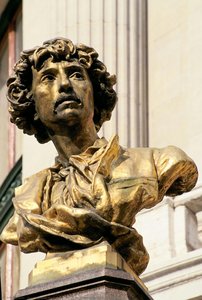
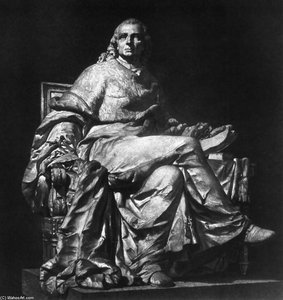
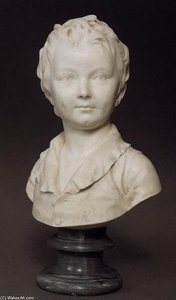
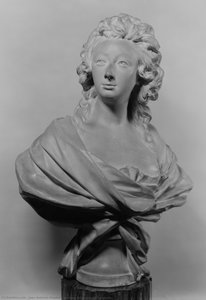
アーティストの略歴
Philip James de Loutherbourg: A Pioneer of Theatrical Illusion and Landscape Painting
Born in Strasbourg, France, in 1740, Philip James de Loutherbourg’s life was a fascinating blend of artistic pursuits, theatrical innovation, and scientific curiosity. His early training under Carle van Loo and Giovanni Battista Casanova in Paris laid the foundation for his skills as a landscape painter, but it was his subsequent move to London in 1771 that truly cemented his legacy. Loutherbourg’s career wasn't defined by a single medium; instead, he masterfully navigated the evolving artistic landscape of the late 18th century, becoming a pivotal figure in both painting and theatrical design.
Initially gaining recognition for his landscapes – often characterized as ‘stagy’ yet imbued with a vibrant sense of the Picturesque and Sublime – Loutherbourg quickly established himself within the Royal Academy exhibitions. However, it was his work at Drury Lane Theatre under David Garrick that propelled him to international acclaim. Garrick recognized Loutherbourg's inventive spirit and commissioned him to design spectacular stage sets, transforming the theatre into a realm of illusion and wonder. These weren’t merely backdrops; they were meticulously crafted environments, incorporating innovative techniques like painted scenery that appeared to recede into the distance, creating an unprecedented sense of depth and realism. His Eidophusikon, a theatrical entertainment showcasing elaborate mechanical devices and fantastical scenes, was a resounding success, demonstrating his ability to blend art, engineering, and spectacle.
The Influence of Garrick and Sheridan
Loutherbourg’s relationship with David Garrick was particularly significant. Garrick's retirement in 1776 didn't mark the end of Loutherbourg’s theatrical career; instead, he continued to design for Richard Brinsley Sheridan, a protégé of Garrick’s, at Drury Lane. This succession demonstrated the enduring value of Loutherbourg’s designs and his ability to adapt his vision to new artistic sensibilities. Sheridan's influence likely encouraged further experimentation with illusionistic techniques, pushing the boundaries of theatrical spectacle.
Beyond the theatre, Loutherbourg maintained a strong interest in landscape painting. His travels throughout England and Wales provided him with an extensive repertoire of subjects, capturing the diverse beauty of the British countryside. His paintings weren’t simply representations of scenery; they were infused with a sense of movement and atmosphere, reflecting his theatrical background and his fascination with creating immersive experiences for the viewer.
Scientific Curiosity and Later Works
Loutherbourg's artistic pursuits were intertwined with a deep-seated scientific curiosity. He was fascinated by optics, mechanics, and the principles of illusion – all of which informed his work in both painting and theatre. In the 1780s, he turned to instrument making, demonstrating a remarkable versatility and a desire to understand the mechanisms behind visual perception. This shift is often linked to a period of disillusionment with faith healing, during which he abandoned art for religious practice before returning to his artistic endeavors.
His later works increasingly focused on history painting, depicting battle scenes and biblical narratives with a dramatic flair reminiscent of his theatrical designs. He meticulously researched historical events and employed a dynamic composition style that captured the energy and chaos of warfare. Loutherbourg’s final major project was the publication of two illustrated volumes: *The Picturesque Scenery of Great Britain* (1801) and *The Romantic and Picturesque Scenery of England and Wales* (1805). These collections showcased his artistic skill and provided a valuable record of the British landscape during his time.
Legacy and Historical Significance
Philip James de Loutherbourg’s contribution to art history is multifaceted. He was a pioneer in theatrical design, revolutionizing stagecraft with his innovative use of illusion and spectacle. His work at Drury Lane set a new standard for theatrical production, influencing generations of designers. Furthermore, he demonstrated the interconnectedness of art, science, and technology, embodying the spirit of Enlightenment inquiry.
Loutherbourg’s legacy extends beyond his individual achievements. He helped to establish landscape painting as a respected genre, challenging the dominance of Italianate styles and paving the way for Romanticism. His emphasis on capturing atmosphere and emotion in his paintings resonated with contemporary viewers and continues to inspire artists today. Born in 1740 and dying in 1812, he left an indelible mark on both the world of theatre and the landscape art scene.
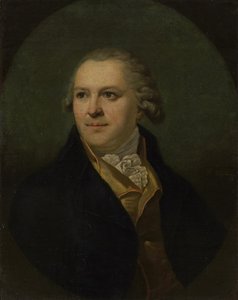
fedot ivanovich shubin
1740 - 1805 , Russia
基本情報
- Artistic Movement Or Style: Stage design, landscape
- Artists Or Movements Influenced By This Artist:
- Richard Brinsley Sheridan
- Picturesque movement
- Artists Who Influenced This Artist:
- Carle van Loo
- Giovanni Battista Casanova
- Date Of Birth: 1740
- Date Of Death: 1812
- Full Name: Philip James de Loutherbourg
- Nationality: French
- Notable Artworks:
- Eidophusikon designs
- Royal Academy landscapes
- Place Of Birth: Strasbourg, France
関連記事

Bronze Sculptures That Defined Art History | ArtsDot
Journey through art history with our Top 10 bronze sculptures! Explore masterpieces by Rodin, Michelangelo & more. Discover stories behind iconic statues and find museum-quality reproductions for your home decor at ArtsDot.com.
パウル・クレー傑作25選:色彩と象徴に満ちた芸術の世界 | ArtsDot
パウル・クレーの傑作25選🎨 色彩と象徴に満ちた抽象絵画の世界を旅。ドイツ表現主義からバウハウスまで、クレーの革新的な技法と感動的な作品群をArtsDotで。高品質な美術品複製やインテリアアートも豊富です。オンラインストアで全コレクションをご覧ください。

The Enduring Form: Exploring Themes & Techniques in Sculpture Across Historical Periods
Explore the rich history of sculpture from ancient masterpieces to contemporary innovations. Discover key techniques, influential artists & investment potential for discerning art collectors.

ポール・セザンヌ:至高の25選 - 傑作と革新の軌跡 | ArtsDot
ポール・セザンヌの至高の25選。ポスト印象派を代表する画家、セザンヌの傑作と革新的な技法を紐解きます。ArtsDotで高品質な複製画やインテリアアートを見つけ、芸術の世界をご自宅に。今すぐコレクションをご覧ください。
Paul Manship: Reassessing the Master of American Art Deco Sculpture
Explore the captivating world of Paul Manship, a leading figure in American Art Deco sculpture. Discover his iconic works like Prometheus, influence on modernism, and investment potential. Expert insights for collectors.