

 プレビュー
プレビュー
 プリントを購入
 シェアする
シェアする シェアする
シェアする
 詳細を見る
詳細を見る

 ダウンロード
 似ている作品
 X線調査
X線調査 スライドショー
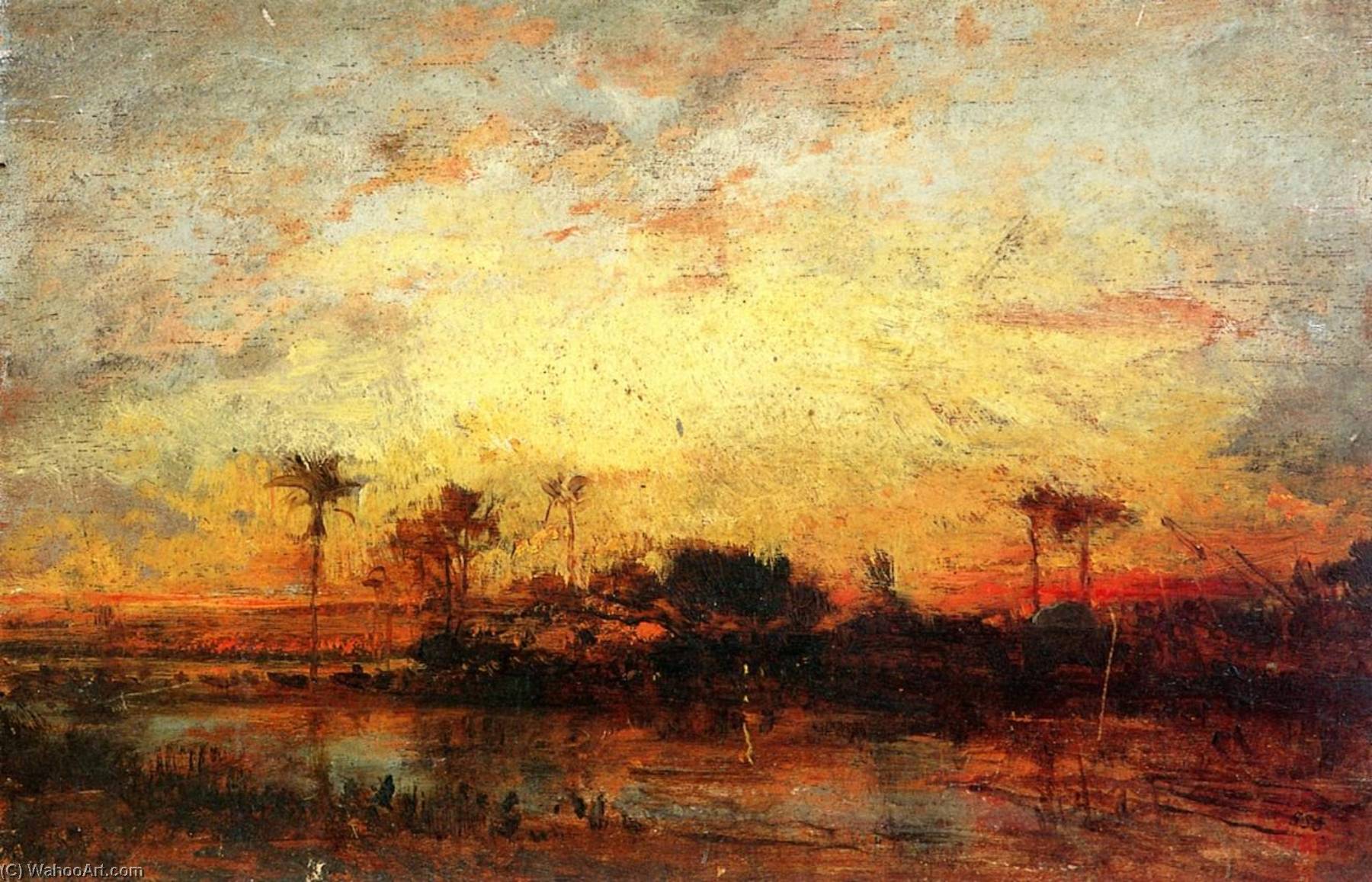
Égypte Damanhuor
 1856
1856 24.0 x 37.0 cm
 Musee Felix Ziem
 詳細を見る
詳細を見る




































作品のオリジナル比率に合わせた、当店の規定サイズからお選びください。

特定のフレームやスペースに合わせて、ご希望のサイズをご入力いただけます。選択されたサイズが元の画像の比率と異なる場合、アートワークをトリミングするか、手描きで要素を追加して絵画を拡張いたします。デジタルモックアップ を制作し、制作開始前にご確認(承認)をいただきます。
画面上のプレビューは、実際のトリミングや拡張を正確に反映しているものではありません。最終的な構図は、モックアップによってのみ正確にご確認いただけます。
カスタムサイズもご利用いただけますが、元の比率を維持するためには、あらかじめ用意されたリストからサイズを選択することをお勧めいたします。
ご注文後、ArtsDot.com チームより詳細な指示をお送りするとともに、仕上がりイメージ(モックアップ)をご提供いたします。


 ガラスオプションは、110cm未満のサイズでのみご利用いただけます。

Égypte Damanhuor
複製技法
複製画のサイズ
-


合計金額
$ 263
関連作品


アーティストの略歴
Félix Ziem: A Painter of Light and the Mediterranean Soul
Félix Ziem (1821-1911) wasn’t a household name during his lifetime, yet his vibrant canvases—particularly those capturing the sun-drenched landscapes and bustling ports of Provence and the Mediterranean—hold a quiet power. He was a master of light and color, an artist deeply attuned to the rhythms of nature, and a pivotal figure in the development of French Impressionism and, crucially, the nascent Fauvist movement. Born in Beaune, Burgundy, into a family with Croatian roots, Ziem’s early life offered little indication of his future artistic trajectory. Initially drawn to architecture, he abandoned formal training at the École des Beaux-Arts in Dijon for a more immediate path – one dictated by observation and passion. This decision proved transformative, setting him on a course that would ultimately define his legacy.
Ziem's initial success arrived unexpectedly through a commission from Louis Auguste Laurent Aiguier, a prominent art dealer and collector, who recognized the young artist’s talent for capturing fleeting moments of light and atmosphere. Aiguier subsequently commissioned six watercolors depicting scenes of Marseille, providing Ziem with invaluable experience and establishing him as a professional painter. These early works—often characterized by loose brushstrokes and an emphasis on color—demonstrated his burgeoning ability to translate the visual world onto canvas. He quickly gained recognition for his depictions of the harbor, capturing its energy and the interplay of light upon the water and buildings. This period established a core theme in his work: the vibrant life of the Mediterranean coast, viewed through a distinctly personal lens.
A Journey Through Light and Landscape
Ziem’s artistic journey took him far beyond the familiar landscapes of Burgundy. He embarked on extensive travels throughout Europe and North Africa, seeking inspiration in diverse settings. His trips to Algeria, Spain, Italy, and Greece profoundly influenced his palette and perspective. Whether he was painting the misty harbors of Marseille or the exotic vistas of Constantinople, Ziem possessed a unique ability to evoke the sensory experience of a location. His work often bridged the gap between the naturalism of the Barbizon School and the more experimental, color-driven approaches that would later define modern art.
His technical mastery was particularly evident in his marine scenes and landscapes. He had an uncanny knack for rendering the translucency of water and the way sunlight dances across a surface at dusk or dawn. This fascination with the ephemeral qualities of light made him a precursor to the Impressionists, while his bold use of color hinted at the emotional intensity found in Fauvism. His repertoire was vast, encompassing:
- Marine Landscapes: Capturing the rhythmic movement of waves and the structural beauty of ports like Martigues and Marseille.
- Orientalist Scenes: Evoking the warmth and architectural grandeur of North African and Mediterranean coastal cities.
- Atmospheric Studies: Utilizing watercolors and oils to document the shifting moods of the sky, from the golden hues of a sunset to the soft grays of a misty morning.
Legacy and the Musée Félix Ziem
The historical significance of Félix Ziem lies in his role as a bridge between eras. He carried the tradition of landscape painting into a new century, infusing it with a modern vitality that anticipated the radical shifts in 19th-century French art. His ability to blend the structural precision learned from his architectural studies with a spontaneous, emotive brushstroke allowed him to create works that felt both grounded and ethereal.
Perhaps his most enduring tribute is the Musée Félix Ziem in Martigues. Founded in 1908 through the visionary generosity of the artist himself, the museum serves as a vibrant, breathing testament to an artist’s profound passion for light and water. Nestled within the sun-drenched canals of Martigues—a city often whispered about as the “Venice of Provence”—the museum preserves his legacy, allowing contemporary viewers to step into the luminous world he so carefully constructed. Through his canvases, Ziem continues to invite us to witness the eternal dance of light upon the Mediterranean soul.
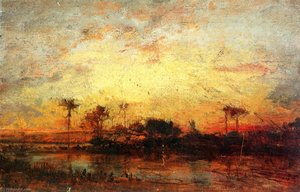
felix francois georges philbert ziem
1821 - 1911
基本情報
- Artistic Movement Or Style: Fauvist
- Artists Or Movements Influenced By This Artist: ['Impressionism']
- Artists Who Influenced This Artist: ['Barbizon']
- Date Of Birth: 1821
- Date Of Death: 1911
- Full Name: Félix François Georges Philibert Ziem
- Nationality: French
- Notable Artworks:
- Le Bosphore
- Martigues la mosquée
- Marseille, entrée du Port
- Place Of Birth: Beaune, France

