

 プレビュー
プレビュー
 プリントを購入
 シェアする
シェアする シェアする
シェアする
 詳細を見る
詳細を見る

 ダウンロード
 似ている作品
 X線調査
X線調査 スライドショー
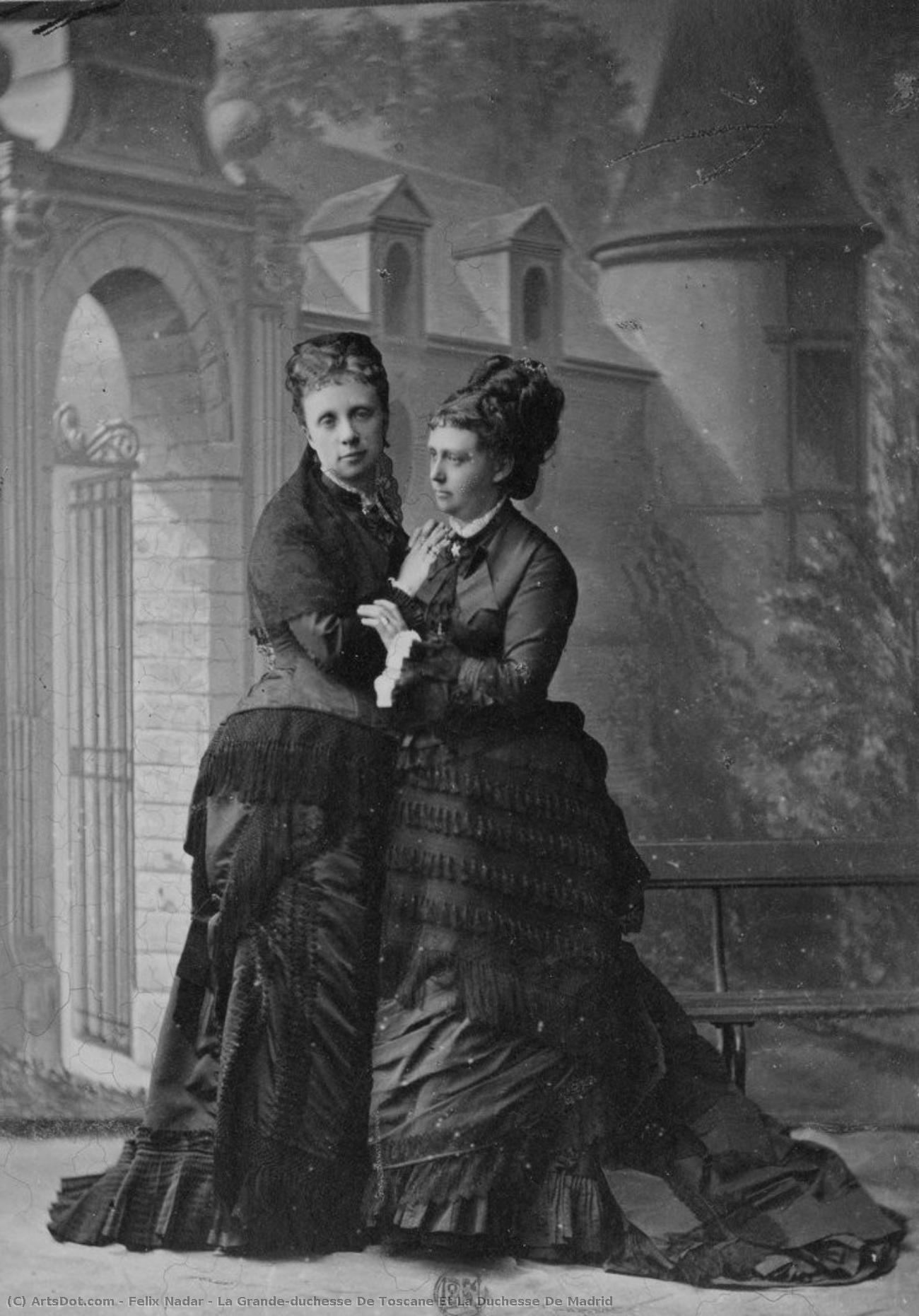
La Grande-duchesse De Toscane Et La Duchesse De Madrid


 詳細を見る
詳細を見る




































作品のオリジナル比率に合わせた、当店の規定サイズからお選びください。

特定のフレームやスペースに合わせて、ご希望のサイズをご入力いただけます。選択されたサイズが元の画像の比率と異なる場合、アートワークをトリミングするか、手描きで要素を追加して絵画を拡張いたします。デジタルモックアップ を制作し、制作開始前にご確認(承認)をいただきます。
画面上のプレビューは、実際のトリミングや拡張を正確に反映しているものではありません。最終的な構図は、モックアップによってのみ正確にご確認いただけます。
カスタムサイズもご利用いただけますが、元の比率を維持するためには、あらかじめ用意されたリストからサイズを選択することをお勧めいたします。
ご注文後、ArtsDot.com チームより詳細な指示をお送りするとともに、仕上がりイメージ(モックアップ)をご提供いたします。


 ガラスオプションは、110cm未満のサイズでのみご利用いただけます。

La Grande-duchesse De Toscane Et La Duchesse De Madrid
複製技法
複製画のサイズ
-


合計金額
$ 288
作品解説
La Grande-duchesse De Toscane Et La Duchesse De Madrid: A Glimpse into Aristocratic Portraiture by Félix Nadar
- Subject & Composition: This striking black and white photograph, titled "La Grande-duchesse De Toscane Et La Duchesse De Madrid," captures two aristocratic women in a formal studio setting. Created in 1878 by the renowned French photographer Félix Nadar, the composition centers on the two figures who stand close together, slightly overlapping, against an architectural backdrop that suggests a painted studio set rather than a real location. The arrangement emphasizes their presence and status, with the background providing context without distraction.
- Historical Context & Technique: The photograph emerged during a period of significant technological advancement in photography. Nadar’s work exemplifies the wet collodion process, common at the time, which produced images characterized by fine grain and tonal range. This particular piece reflects the late 19th-century fascination with portraiture as a means of documenting social standing and preserving likenesses. Nadar was known for rejecting overly ornate backdrops, opting instead for a focus on natural light and capturing the essence of his subjects – a departure from earlier photographic conventions.
- Style & Nadar's Aesthetic: Félix Nadar’s style is defined by its clarity, detail, and psychological insight. He aimed to capture not just a physical resemblance but also the character and personality of his sitters. In "La Grande-duchesse De Toscane Et La Duchesse De Madrid," this is evident in the dignified poses and expressions of the women. The monochromatic palette enhances the sense of formality and timelessness, while the strong vertical lines created by their dresses and the architectural elements contribute to a feeling of stability and grandeur. Nadar’s aesthetic prioritized capturing the essence of his subjects with minimal artifice.
- Symbolism & Emotional Impact: The photograph conveys a sense of dignity, wealth, and social standing through the women's attire and formal pose. Their closeness may suggest a familial relationship or a close friendship, adding an element of intimacy to the otherwise formal setting. The meticulous detail in their clothing—the voluminous folds of their elaborate dresses—hints at the craftsmanship and labor involved in creating such garments, subtly connecting the image to broader economic realities of the time. The soft lighting highlights the contours of their faces, evoking a sense of quiet elegance and timeless beauty.
About Félix Nadar
- Born: Gaspard-Félix Tournachon on April 5, 1820, in Paris (though some sources suggest Lyon).
- His father, Victor Tournachon, was a printer and bookseller.
- Initially studied medicine but abandoned it due to financial constraints after his father’s death.
- Nadar, as he became known, began his career as a caricaturist and novelist, contributing to various newspapers.
From Caricature to Photography
- Began experimenting with photography around 1853.
- Opened his first photographic studio in 1854 at 113 rue St. Lazare, later moving to 35 Boulevard des Capucines in 1860.
- Quickly gained recognition for his striking and psychologically insightful portraits.
- Rejection of Convention: Nadar eschewed the opulent backdrops common in portraiture, preferring natural light and a focus on the sitte
関連作品
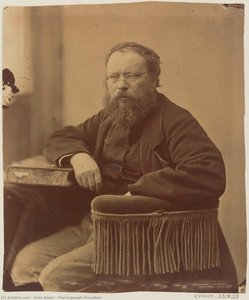
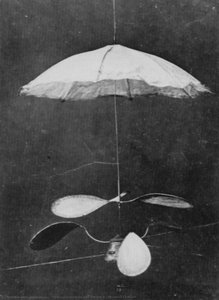
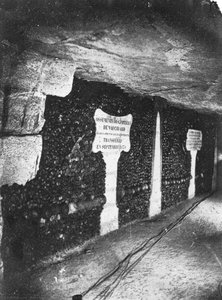
アーティストの略歴
フェリックス・ナダール:写真界の先駆者
生い立ちと黎明期
- 誕生:1820年4月5日、パリにてガスパール=フェリックス・トゥルナションとして生まれる(一説にはリヨン説もあり)。
- 父ヴィクトール・トゥルナションは、印刷業者であり書肆でもあった。
- 当初は医学を志していたが、父の死後、経済的な困難に直面し学業を断念する。
- 後にナダールの名で知られるようになる彼は、風刺画家や小説家としてキャリアをスタートさせ、様々な新聞への寄稿を通じてその才能を開花させた。
風刺画から写真の世界へ
- 1853年頃より、写真を用いた実験的な試みを始める。
- 1854年にはサン・ラザール通り113番地に最初の写真スタジオを開設し、1860年にはカピュシーヌ大通り35番地へと拠点を移した。
- その鮮烈で、被写体の心理を深く洞察するポートレートは、瞬く間に高い評価を得ることとなる。
- 既成概念への挑戦:ナダールは、当時の肖像写真にありがちだった豪華絢爛な背景をあえて避け、自然光を重んじ、被写体そのものの個性に焦点を当てる独自のスタイルを確立した。
航空写真の先駆的試み
- 1858年、ナダールは気球を用いた航空写真撮影において、世界で初めての快挙を成し遂げた。
- 高高度における写真乾板の現像という技術的難題に対し、彼は気球のバスケットにガス遮断用の綿製カバーを発明することで、その壁を乗り越えたのである。
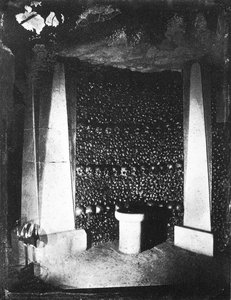
- また、パリのカタコンベ(地下墓地)での撮影に見られるように、写真における人工照明の活用においても先駆的な役割を果たした。
- ル・ジアン(巨神):1863年には、「ル・ジアン」と名付けられた巨大な気球の建造を依頼。この壮大な試みは、ジュール・ヴェルヌの傑作『五週間の気球』にインスピレーションを与えることとなった。
主要な業績と影響力
- 肖像画的価値:ヴィクトル・ユゴー、シャルル・ボードレール、サラ・ベルナール、ギュスターヴ・クールベといった、当時の著名な人物たちの数多くのポートレートを残している。
- パリ包囲戦(1870-71年)の際には、気球を用いた世界初の航空郵便サービスを確立させた。
- 1874年には自身のスタジオで第1回印象派展を開催し、新進気鋭の芸術家たちに極めて重要な発表の場を提供した。
- 1886年には、化学者ミシェル=ウジェーヌ・シュヴルールを対象とした、世界初の「フォト・インタビュー」とされる作品を発表している。
晩年と遺されたレガシー
- 1895年から1909年にかけては、スタジオをマルセイユへと移した。
- 1910年3月20日、パリにて逝去。その遺志はペール・ラシェーズ墓地に眠っている。
- 彼の死後、息子のポール・ナダールがスタジオの運営を引き継いだ。
- Quand j’étais photographe(私が写真家であった頃):自らの人生と仕事を振り返った回想録を出版し、19世紀の写真史における貴重な洞察を現代に伝えている。
- 歴史的意義:ナダールの革新的な技法と芸術的ビジョンは、芸術としての写真の発展に計り知れない影響を与えた。彼の肖像写真は、今なおパリの知的・芸術的社交界を象徴するアイコンとして輝き続けている。
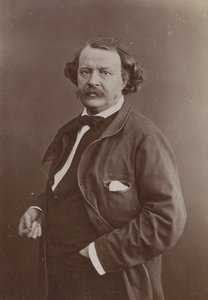
フェリックス・ナダール
1820 - 1910
基本情報
- Birth Date: 1820年4月5日
- Death Date: 1910年3月20日
- Influenced: ['ジュール・ヴェルヌ']
- Movement:
- 写真
- 風刺画
- 印象派(関連)
- Name: フェリックス・ナダール
- Nationality: フランス
- Notable Works:
- ボードレール、ユゴー、ドラクロワの肖像
- 航空写真
- シュヴルールとのフォトインタビュー
関連記事
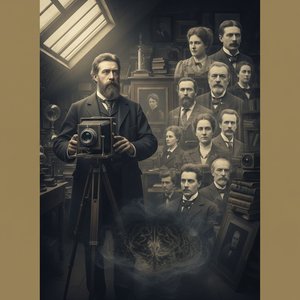
Beyond the Portrait: Félix Nadar & the Psychological Depths of 19th-Century Photography
Explore the revolutionary photography of Félix Nadar – pioneer of portraiture, aerial imaging & psychological depth. Discover his iconic portraits of Baudelaire, Hugo & more. A deep dive into 19th-century art history.

Monochrome Visions: Exploring the Aesthetic & Historical Significance of Black & White Photography
Explore the rich history & artistic power of black and white photography. From early techniques to iconic masters like Ansel Adams, discover why monochrome continues to captivate art lovers today. Expert insights for collectors.

Beyond the Lens: Photography's Enduring Influence on Modern & Contemporary Art
Explore photography's pivotal role in shaping modern & contemporary art. Discover key movements, influential artists like Stieglitz, and expert collecting advice from ArtsDot.

Pictorialism: A Search for Artistic Photography's Soul – Aesthetics, Techniques & Legacy
Explore the captivating world of Pictorialism – a pivotal movement that transformed photography into fine art. Discover key artists like Stieglitz & Käsebier, techniques, and collecting tips from experts.

Dark Masterpieces: 10 Iconic Paintings Dominated by Black Tones |
Explore 10 iconic paintings dominated by black tones, from Rembrandt’s chiaroscuro to Goya's dark expressions. Discover the stories behind these masterpieces & find museum-quality art reproductions for your home at .

