 プレビュー
プレビュー
 プリントを購入
 シェアする
シェアする シェアする
シェアする
 詳細を見る
詳細を見る

 ダウンロード
 似ている作品
 X線調査
X線調査 スライドショー
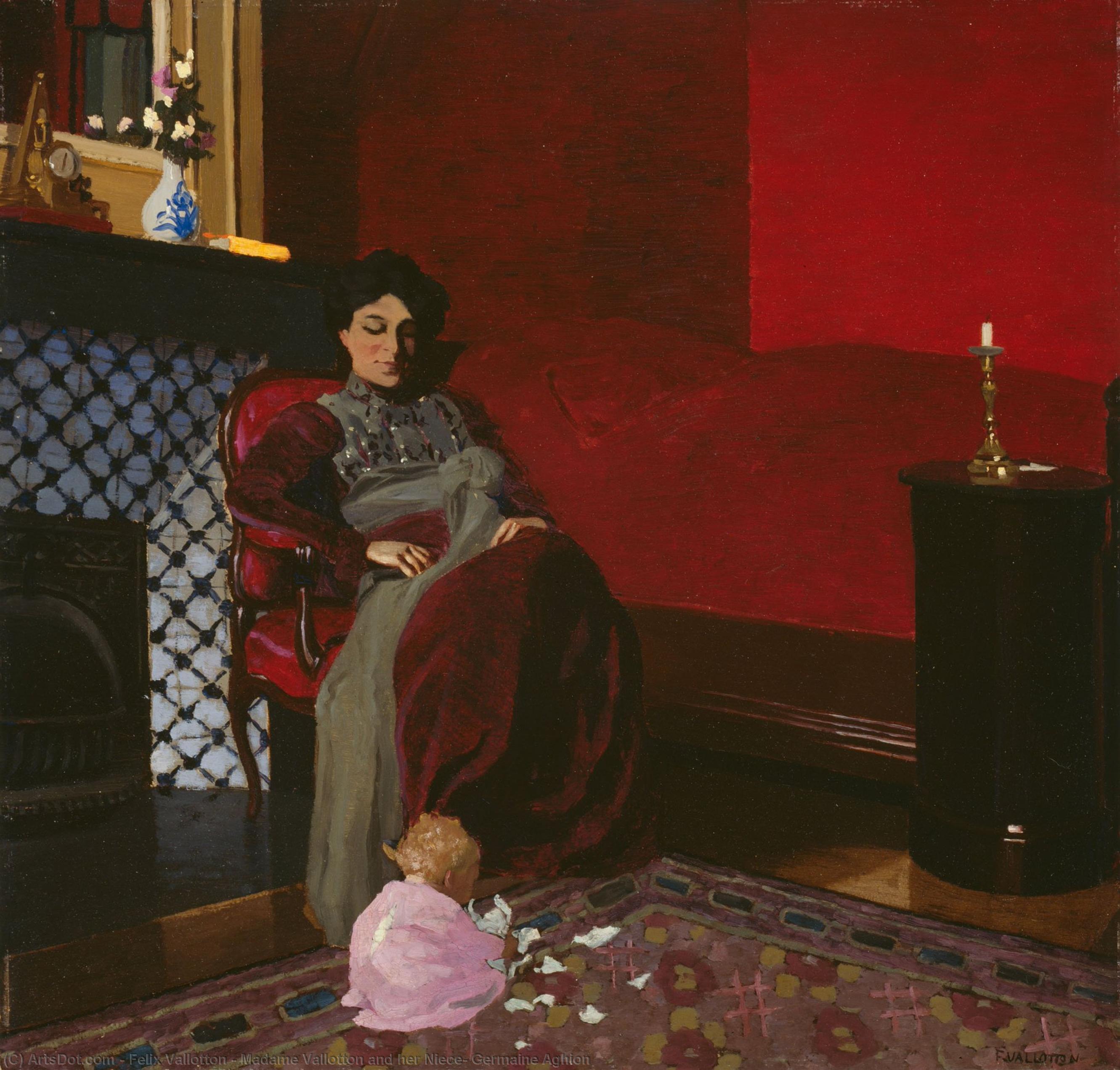
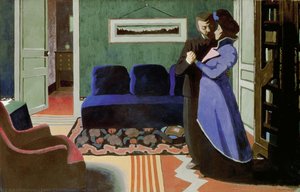
Madame Vallotton and her Niece, Germaine Aghion


 詳細を見る
詳細を見る




































作品のオリジナル比率に合わせた、当店の規定サイズからお選びください。

特定のフレームやスペースに合わせて、ご希望のサイズをご入力いただけます。選択されたサイズが元の画像の比率と異なる場合、アートワークをトリミングするか、手描きで要素を追加して絵画を拡張いたします。デジタルモックアップ を制作し、制作開始前にご確認(承認)をいただきます。
画面上のプレビューは、実際のトリミングや拡張を正確に反映しているものではありません。最終的な構図は、モックアップによってのみ正確にご確認いただけます。
カスタムサイズもご利用いただけますが、元の比率を維持するためには、あらかじめ用意されたリストからサイズを選択することをお勧めいたします。
ご注文後、ArtsDot.com チームより詳細な指示をお送りするとともに、仕上がりイメージ(モックアップ)をご提供いたします。


 ガラスオプションは、110cm未満のサイズでのみご利用いただけます。

Madame Vallotton and her Niece, Germaine Aghion
複製技法
複製画のサイズ
-


合計金額
$ 288
Madame Vallotton and her Niece, Germaine Aghion: A Glimpse of Intimate Domesticity
Felix Vallotton's Madame Vallotton and her Niece, Germaine Aghion, painted in 1889, is a captivating oil on panel artwork currently residing at the Art Institute of Chicago. This piece offers a serene portrayal of domestic life, showcasing Vallotton’s distinctive artistic style and his place within the Nabis movement.
The Nabis Movement: A Bridge to Modernism
Vallotton was an integral member of the Nabis art movement, a collective of young French artists emerging in the late 19th century. The Nabis sought to move beyond Impressionism and traditional academic art, exploring new avenues towards abstraction, symbolism, and early modernist expressions. Alongside figures like Pierre Bonnard, Maurice Denis, Paul Ranson, Édouard Vuillard, and Ker-Xavier Rousseau, Vallotton helped shape the transition into a more experimental and forward-thinking artistic landscape.
A Detailed Look at the Painting
The artwork depicts a tranquil domestic scene. Madame Vallotton is seated comfortably in an armchair, with her niece, Germaine Aghion, resting on her lap. The woman appears relaxed, creating a sense of quiet intimacy. Other figures are subtly present – one standing near the left edge and another to the right—adding depth to the composition without disrupting its central focus. The room itself is furnished with a couch behind the seated pair and an additional chair in the foreground. A vase placed on a surface adds a touch of decorative detail, enriching the overall ambiance. Vallotton’s use of bold lines, flat forms, and vibrant colors creates a visually striking effect, emphasizing the simplicity and elegance of everyday life.
Vallotton's Artistic Style and Technique
Vallotton’s artistic style is characterized by its deliberate rejection of traditional academic techniques. He favored strong outlines, simplified shapes, and a limited color palette to convey emotion and atmosphere. In Madame Vallotton and her Niece, this approach results in a sense of stillness and introspection. The painting's composition utilizes rectangular forms for the walls, chair, table, and rug, contrasting with the softer curves of the figures and drapery. The smooth texture achieved through careful brushwork contributes to the overall feeling of tranquility. While seemingly straightforward, the perspective subtly recedes into the background, creating depth through layering elements—foreground figures, midground furniture, and a receding wall.
Symbolism and Emotional Resonance
Beyond its surface depiction of domesticity, Madame Vallotton and her Niece carries subtle symbolic weight. The woman’s expression hints at weariness or perhaps a quiet sadness, potentially reflecting the complexities of motherhood and family life. The overall atmosphere evokes solitude and contemplation, inviting viewers to reflect on the quieter moments of existence. This painting stands as a testament to Vallotton's ability to capture profound emotions through seemingly simple scenes, solidifying his place as an important figure in the transition towards modern art.
関連作品
アーティストの略歴
世紀末の精神を体現した画家:フェリックス・ヴァロットン
1865年、スイスのローザンヌに生まれたフェリックス・エドゥアール・ヴァロットンは、複雑な世紀末の精神を体現する芸術家でした。彼は、自身のルーツであるスイスと、活気に満ちたパリのアートシーンとの間で独自の道を歩み、近代美術の発展において重要な役割を果たしました。彼の幼少期は、厳格なプロテスタントの価値観に根ざしており—父は薬剤師であり、後にチョコレート職人—ボヘミアンの世界を受け入れることとは対照的でした。当初はカントン・ヴァーロー州立学校で古典研究を志していましたが、視覚表現への情熱から1882年にパリに入学し、アカデミー・ジュリアンに通いました。これは単なる地理的な移動ではなく、芸術的革新と知的発酵の中心に身を置くという観点の根本的な変化でした。彼の学術的な訓練は技術の確固たる基盤を提供しましたが、台頭するアヴァンギャルド界との出会いが真に創造性を刺激しました。ナビ派との関わりと親密さの言語
ヴァロットンの芸術的進化は、1892年にピエール・ボンナール、エドゥアール・ヴュイヤール、モーリス・ドニを含む若い芸術家グループである*レ・ナビ*(Les Nabis)に関わることで決定的な転換を遂げました。彼はしばしばグループ内の異端者と見なされていましたが、その所属は彼の独特のスタイルを形作る上で非常に重要であることが証明されました。ナビ派は、象徴主義や装飾美学を探求し、芸術に精神的な質を吹き込もうとしました。ヴァロットンはこれらの影響を取り入れましたが、自身のユニークな感性を通してそれを濾過し、クールな距離感と容赦ないリアリズムが特徴でした。これは彼の木版画シリーズ、特に*親密さ*(Intimités)(1898年)において最も力強く表現されています。これらの10のインテリアシーンは、男性と女性との緊張に満ちた出会いを不穏な率直さで描き、心理的な強度によって際立っています。これらはロマンスや情熱の物語ではなく、むしろ家庭生活における緊張、権力関係、隠された複雑さを探求しています。彼の木版画における白黒の鮮明なコントラスト—日本の*浮世絵*への意識的な言及—は、不安感と心理的精査を増幅させます。木版画の巨匠と絵画的ニュアンス
ヴァロットンの才能は絵画の世界にとどまらず、革新的な技術によってメディアを活性化させた木版画の達人として広く称賛されています。彼はその形式のシンプルさと直接性を活かし、視覚的に印象的で感情的に共鳴するイメージを生み出しました。彼の版画は単なるイラストではなく、独立した芸術作品であり、社会規範や政治的問題についてコメントすることがよくありました。同時に、ヴァロットンは絵画スタイルをさらに発展させ、純粋なアカデミックなアプローチからより個人的な表現へと移行していきました。彼は現実主義と微妙な象徴的なニュアンスのバランスを巧みに取り、肖像画、風景画、静物画を生み出し、それらは謎めいた質を備えています。彼の後期の絵画は、慎重に調整された色と正確な形態のレンダリングによって特徴付けられる洗練された技術を示しています。彼はしばしば*paysages composés*(「構成された風景」)を描き、記憶と観察から構築され、静けさと憂鬱が染み込んでいました。遺産と永続的な影響
フェリックス・ヴァロットンの影響は20世紀初頭に響き渡り、エドヴァルド・ムンクやエルンスト・ルートヴィヒ・キルヒナーなど多様な芸術家に影響を与えました。彼の容赦ない視線、心理的なテーマの探求、革新的な版画技術の使用は、新しい芸術的表現への道を開きました。彼は1925年にパリで亡くなり、今日でも人々を魅了し、挑戦し続ける作品群を残しました。彼の芸術は*世紀末*の不安と矛盾を痛切に反映しており、大きな変化の瀬戸際にあった世界を垣間見ることができます。ヴァロットンの遺産はその技術的な卓越性だけでなく、誠実さ、知性、そして永続的な神秘性をもって人間の経験の複雑さを捉える能力にもあります。彼は伝統と近代性、現実主義と象徴主義を結びつけ、芸術史に消えない足跡を残したスイス人アーティストであり続けています。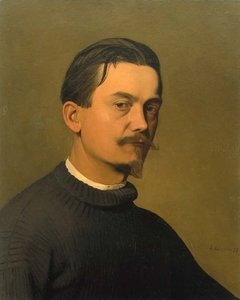
フェリックス・ヴァロットン
1865 - 1925 , スイス
基本情報
- Artistic Movement Or Style: ポスト印象派、象徴主義
- Artists Or Movements Influenced By This Artist:
- エドヴァルド・ムンク
- オーブリー・ビアズリー
- Artists Who Influenced This Artist:
- ホльбеイン
- イングレス
- 日本の浮世絵
- Date Of Birth: 1865年12月28日
- Date Of Death: 1925年12月29日
- Full Name: フェリックス・ヴァロットン
- Nationality: スイス/フランス
- Notable Artworks:
- 親密な風景
- 夏の夕暮れの入浴者
- 月光
- Place Of Birth: スイス、ローザンヌ
関連記事

Oil on Canvas: A Historical & Technical Exploration of a Timeless Artistic Medium
Explore the rich history & enduring techniques of oil painting on canvas. Discover the science behind its longevity, conservation practices, and contemporary relevance. Expert insights for art enthusiasts.

The Enduring Legacy of Oil on Canvas: Technique, History & Aesthetic Impact
Explore the rich history & techniques of oil painting – from Renaissance masters to Impressionism. Discover pigments, layering methods, and why this timeless medium endures. Expert insights for artists & art enthusiasts.

The Enduring Power of Painting: A Historical & Contemporary Exploration of Form and Emotion
Explore the rich history & enduring techniques of oil painting with ArtsDot. Discover masterpieces, learn about art collecting, and find authentic handmade reproductions crafted by skilled artists.
Evolving Portraits: Personalized Art as a Chronicle of Family Life Across Generations
Create a timeless family legacy with custom portraits! ArtsDot connects you with skilled artists for heirloom-quality paintings & prints. Explore styles, commission your unique artwork today.
家族の絆を永遠に:手描きの油絵肖像画が世代を超えて紡ぐ、愛と記憶の遺産
ArtsDotで、大切な家族の写真を美しい油絵肖像画へ。熟練アーティストが丁寧に手描きし、世代を超えて語り継ぐ特別な遺産を制作します。高品質・安心保証。今すぐオーダーメイド портретをお見積もりください。