 プレビュー
プレビュー
 シェアする
シェアする シェアする
シェアする
 詳細を見る
詳細を見る

 ダウンロード
 似ている作品
 X線調査
X線調査 スライドショー
 統計情報
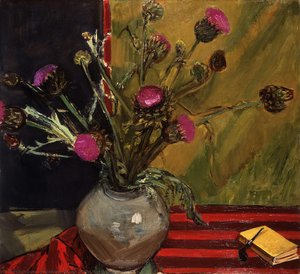
統計情報Still Life with Gladioli


 詳細を見る
詳細を見る
ジークレー/アートプリント
迅速な制作と多彩な仕上げオプションを備えた、ミュージアムクオリティのジークレーまたはキャンバスプリント。 ( 手描きの絵画を購入 デジタル画像販売へ切り替え)




P118B $10

P118H $10

P118W $10

P438Z $10

P508JH $12

P508YH $12

P805H $10

P805Z $10

P919BZ $10

P919G $10

P919XJ $10

P959ZH $10

P968JZ $12

W106C $8

W218G $10

W218JH $8

W218Y $10

W307PJ $10

W316G $10

W316PJ $8

W316Y $10

W398PJ $8

W4111J $10

W500HY $15

W500JH $15

W692G $12

W849H $8

W940BG $15

W953PJ $8




作品のオリジナル比率に合わせた、当店の規定サイズからお選びください。

特定のフレームやスペースに合わせて、ご自身でサイズを指定することも可能です。選択されたサイズが元の画像の比率と一致しない場合、作品をトリミングするか、鏡面反射または単色での塗りつぶしによって画像を拡張いたします。制作を開始する前に、ご確認用のデジタルモックアップをお送りいたします。
画面上のプレビューには、実際のトリミングや拡張は反映されませんのでご注意ください。最終的な構図を正確に確認できるのは、モックアップのみとなります。
カスタムサイズも承っておりますが、元の比率を維持するためには、あらかじめ用意されたリストからサイズを選択することをお勧めいたします。


 ガラスオプションは、110cm未満のサイズでのみご利用いただけます。

Still Life with Gladioli
ジークレー/アートプリント
複製画のサイズ
-


合計金額
$ 62
A Moment Frozen in Time: Exploring the Elegance of Vallotton’s Still Life
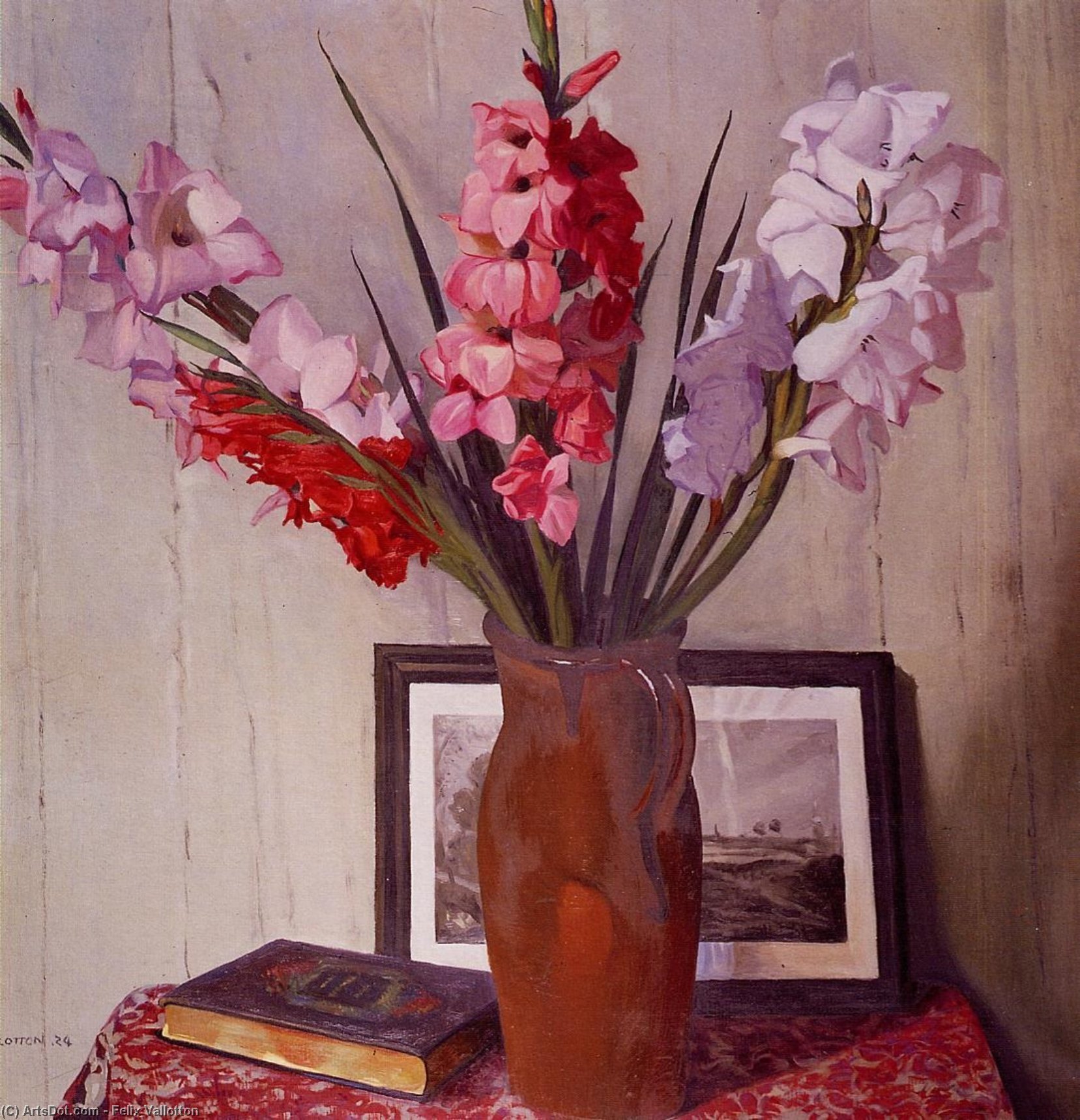
Félix Vallotton's "Still Life with Gladioli" (1924) isn’t merely a depiction of flowers and a book; it’s a carefully constructed tableau, a distilled essence of late 19th-century Parisian aesthetics. The painting immediately draws the eye into its intimate space – a small, shadowed room dominated by the vibrant hues of gladioli and the rich red of a draped cloth. Vallotton masterfully employs a muted palette, relying on subtle gradations of color and carefully placed highlights to create an atmosphere of quiet contemplation. The composition is deceptively simple: a vase overflowing with pink and crimson blossoms sits atop a table beside a book, yet within this apparent stillness lies a complex interplay of light, shadow, and implied narrative.
Vallotton’s style during this period – often categorized as Nabis or Post-Impressionist – is characterized by an almost photographic realism combined with a deliberate rejection of overt emotionalism. He wasn't interested in grand gestures or dramatic displays; instead, he sought to capture the fleeting beauty of everyday objects and moments with remarkable precision. His technique involved layering thin washes of paint, building up color gradually to achieve a velvety texture and a luminous quality. Notice how the light seems to emanate from an unseen source, bathing the scene in a soft, diffused glow – a hallmark of Vallotton’s approach.
The Fin de Siècle and the Intimate Interior
To understand "Still Life with Gladioli," it's crucial to situate it within the context of the *fin de siècle*—the late 19th century. This was a period of profound social, political, and artistic upheaval in Europe, marked by anxieties about modernity, rapid industrialization, and the decline of traditional values. Artists like Vallotton responded to these uncertainties by turning inward, exploring themes of domesticity, intimacy, and the ephemeral nature of beauty. The painting reflects this trend – a retreat from the external world into the quiet sanctuary of the home.
Vallotton’s fascination with interiors is evident in many of his works during this time, particularly the “Intimités” series. These paintings often depict scenes of domestic life—a couple sharing a meal, a woman reading, or a man and woman engaged in a charged exchange – presented without explicit narrative. The ambiguity invites viewers to project their own interpretations onto the scene, creating a deeply personal connection with the artwork. The inclusion of the book suggests a moment of respite, perhaps a shared intellectual pursuit or a private reflection.
Symbolism and the Language of Flowers
Beyond its formal qualities, "Still Life with Gladioli" is rich in symbolism. The gladioli themselves are potent emblems of remembrance and mourning – their vibrant color often associated with funerals and cemeteries. Their presence here could be interpreted as a subtle acknowledgment of mortality or perhaps a celebration of life’s fleeting beauty. The red cloth, draped over the table, adds to this sense of solemnity, while simultaneously hinting at luxury and indulgence. The muted tones throughout the painting create a feeling of melancholy, suggesting that even in moments of apparent tranquility, there is an underlying current of sadness or longing.
A Legacy of Quiet Elegance
Félix Vallotton’s “Still Life with Gladioli” stands as a testament to his remarkable ability to capture the essence of beauty and emotion within seemingly simple forms. It's a painting that rewards careful observation, inviting viewers to linger over its subtle details and contemplate its layered meanings. Reproductions of this work offer a chance to bring this moment of quiet elegance into your own space, serving as a reminder of the enduring power of art to evoke feeling and inspire reflection. The piece’s continued appeal lies in its ability to resonate with our deepest human experiences – our appreciation for beauty, our awareness of mortality, and our longing for connection.
関連作品
アーティストの略歴
世紀末の精神を体現した画家:フェリックス・ヴァロットン
1865年、スイスのローザンヌに生まれたフェリックス・エドゥアール・ヴァロットンは、複雑な世紀末の精神を体現する芸術家でした。彼は、自身のルーツであるスイスと、活気に満ちたパリのアートシーンとの間で独自の道を歩み、近代美術の発展において重要な役割を果たしました。彼の幼少期は、厳格なプロテスタントの価値観に根ざしており—父は薬剤師であり、後にチョコレート職人—ボヘミアンの世界を受け入れることとは対照的でした。当初はカントン・ヴァーロー州立学校で古典研究を志していましたが、視覚表現への情熱から1882年にパリに入学し、アカデミー・ジュリアンに通いました。これは単なる地理的な移動ではなく、芸術的革新と知的発酵の中心に身を置くという観点の根本的な変化でした。彼の学術的な訓練は技術の確固たる基盤を提供しましたが、台頭するアヴァンギャルド界との出会いが真に創造性を刺激しました。ナビ派との関わりと親密さの言語
ヴァロットンの芸術的進化は、1892年にピエール・ボンナール、エドゥアール・ヴュイヤール、モーリス・ドニを含む若い芸術家グループである*レ・ナビ*(Les Nabis)に関わることで決定的な転換を遂げました。彼はしばしばグループ内の異端者と見なされていましたが、その所属は彼の独特のスタイルを形作る上で非常に重要であることが証明されました。ナビ派は、象徴主義や装飾美学を探求し、芸術に精神的な質を吹き込もうとしました。ヴァロットンはこれらの影響を取り入れましたが、自身のユニークな感性を通してそれを濾過し、クールな距離感と容赦ないリアリズムが特徴でした。これは彼の木版画シリーズ、特に*親密さ*(Intimités)(1898年)において最も力強く表現されています。これらの10のインテリアシーンは、男性と女性との緊張に満ちた出会いを不穏な率直さで描き、心理的な強度によって際立っています。これらはロマンスや情熱の物語ではなく、むしろ家庭生活における緊張、権力関係、隠された複雑さを探求しています。彼の木版画における白黒の鮮明なコントラスト—日本の*浮世絵*への意識的な言及—は、不安感と心理的精査を増幅させます。木版画の巨匠と絵画的ニュアンス
ヴァロットンの才能は絵画の世界にとどまらず、革新的な技術によってメディアを活性化させた木版画の達人として広く称賛されています。彼はその形式のシンプルさと直接性を活かし、視覚的に印象的で感情的に共鳴するイメージを生み出しました。彼の版画は単なるイラストではなく、独立した芸術作品であり、社会規範や政治的問題についてコメントすることがよくありました。同時に、ヴァロットンは絵画スタイルをさらに発展させ、純粋なアカデミックなアプローチからより個人的な表現へと移行していきました。彼は現実主義と微妙な象徴的なニュアンスのバランスを巧みに取り、肖像画、風景画、静物画を生み出し、それらは謎めいた質を備えています。彼の後期の絵画は、慎重に調整された色と正確な形態のレンダリングによって特徴付けられる洗練された技術を示しています。彼はしばしば*paysages composés*(「構成された風景」)を描き、記憶と観察から構築され、静けさと憂鬱が染み込んでいました。遺産と永続的な影響
フェリックス・ヴァロットンの影響は20世紀初頭に響き渡り、エドヴァルド・ムンクやエルンスト・ルートヴィヒ・キルヒナーなど多様な芸術家に影響を与えました。彼の容赦ない視線、心理的なテーマの探求、革新的な版画技術の使用は、新しい芸術的表現への道を開きました。彼は1925年にパリで亡くなり、今日でも人々を魅了し、挑戦し続ける作品群を残しました。彼の芸術は*世紀末*の不安と矛盾を痛切に反映しており、大きな変化の瀬戸際にあった世界を垣間見ることができます。ヴァロットンの遺産はその技術的な卓越性だけでなく、誠実さ、知性、そして永続的な神秘性をもって人間の経験の複雑さを捉える能力にもあります。彼は伝統と近代性、現実主義と象徴主義を結びつけ、芸術史に消えない足跡を残したスイス人アーティストであり続けています。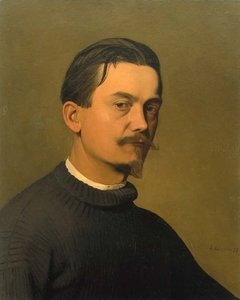
フェリックス・ヴァロットン
1865 - 1925 , スイス
基本情報
- Artistic Movement Or Style: ポスト印象派、象徴主義
- Artists Or Movements Influenced By This Artist:
- エドヴァルド・ムンク
- オーブリー・ビアズリー
- Artists Who Influenced This Artist:
- ホльбеイン
- イングレス
- 日本の浮世絵
- Date Of Birth: 1865年12月28日
- Date Of Death: 1925年12月29日
- Full Name: フェリックス・ヴァロットン
- Nationality: スイス/フランス
- Notable Artworks:
- 親密な風景
- 夏の夕暮れの入浴者
- 月光
- Place Of Birth: スイス、ローザンヌ
関連記事
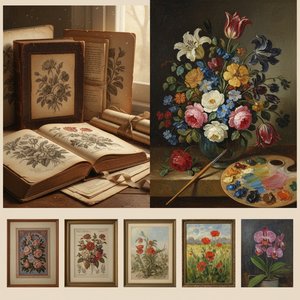
Blossoms of Time: A Historical Journey Through Flower Painting
Explore the captivating history of flower painting! Discover Dutch masters, symbolic meanings, & botanical art. Expert insights & high-quality reproductions at ArtsDot.
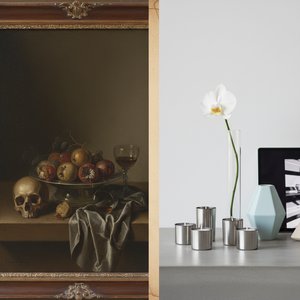
The Enduring Appeal of Still Life: A Historical & Contemporary Exploration
Explore the rich history & symbolism of still life painting with ArtsDot. Discover masterpieces from the Dutch Golden Age, learn about vanitas art, and find expert guidance for collecting timeless artworks.
Silent Narratives: Exploring the Enduring Appeal of Still Life Painting Across Centuries
Explore the rich history of still life painting with ArtsDot. Discover Dutch Masters, decode vanitas symbolism & learn about collecting timeless art. Expert insights and museum-quality reproductions.
Blossoming Symbolism: A Historical Journey Through Flowers in Western Painting
Explore the rich history of flower symbolism in Western painting! Discover how artists from the Renaissance to Modernism used blossoms to convey meaning, emotion & beauty. Learn about iconic artworks and movements.
Bernard Cathelin: A Poetic Realist's Exploration of Still Life and the French Landscape
Explore the captivating world of Bernard Cathelin, a master of French Poetic Realism. Discover his stunning still lifes & landscapes, and learn about his legacy with ArtsDot.